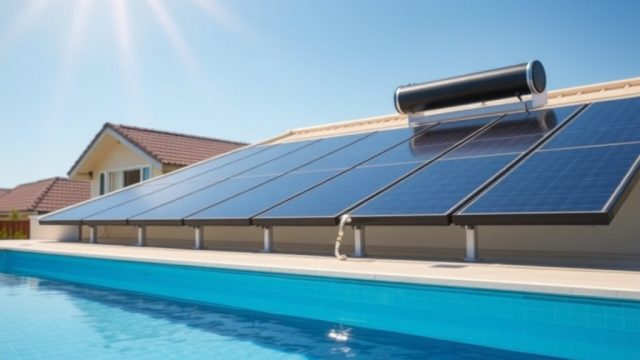
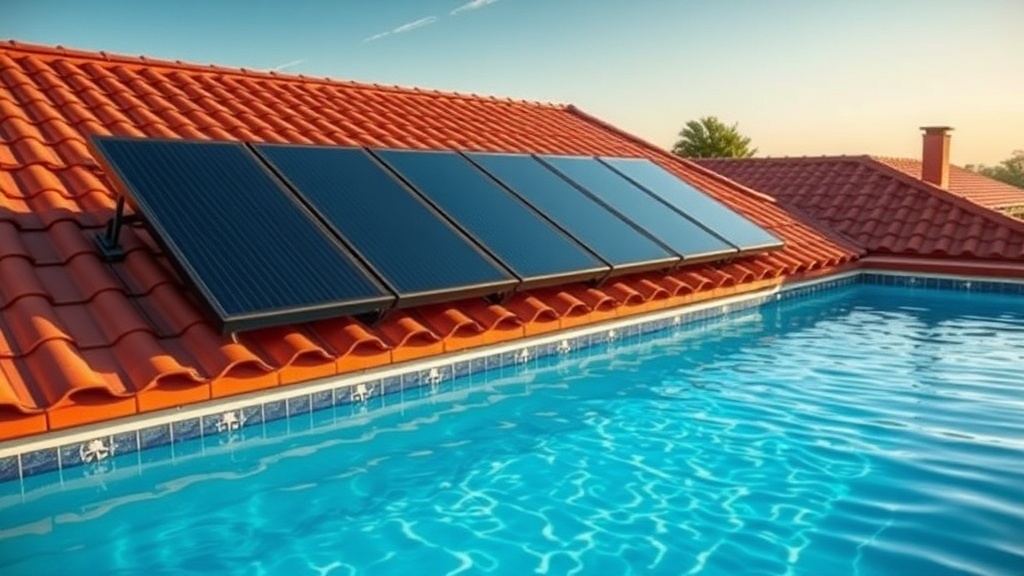
What Makes Generic a Standout Brand in Solar Pool Heating?
When shopping for a solar pool heating system, Generic often appears as a cost-effective option that balances performance with affordability. The brand has built a reputation for offering reliable, entry-level to mid-range solar collectors and controllers that cater to homeowners who want to extend their swimming season without breaking the bank. Whether you’re a first-time buyer or looking to upgrade an aging system, understanding what Generic brings to the table is essential for making an informed decision.
Generic solar pool heaters typically feature durable polypropylene or EPDM rubber absorber mats, UV-stabilized for long outdoor life. Their collector panels come in various sizes, from small 2×10-foot units to larger 4×20-foot panels, allowing you to build a system that fits your pool’s surface area and heating needs. The brand’s strength lies in modularity—you can mix and match panels to achieve the desired BTU output without paying a premium for proprietary components.
One key factor to consider is that Generic systems are designed primarily for above-ground and small-to-mid-sized in-ground pools. For larger pools or colder climates, you may need to install multiple arrays, which can increase upfront costs but still remain competitive versus premium brands. Always check the solar pool heat exchanger sizing guide to ensure your pump flow matches the collector pipes before purchase.
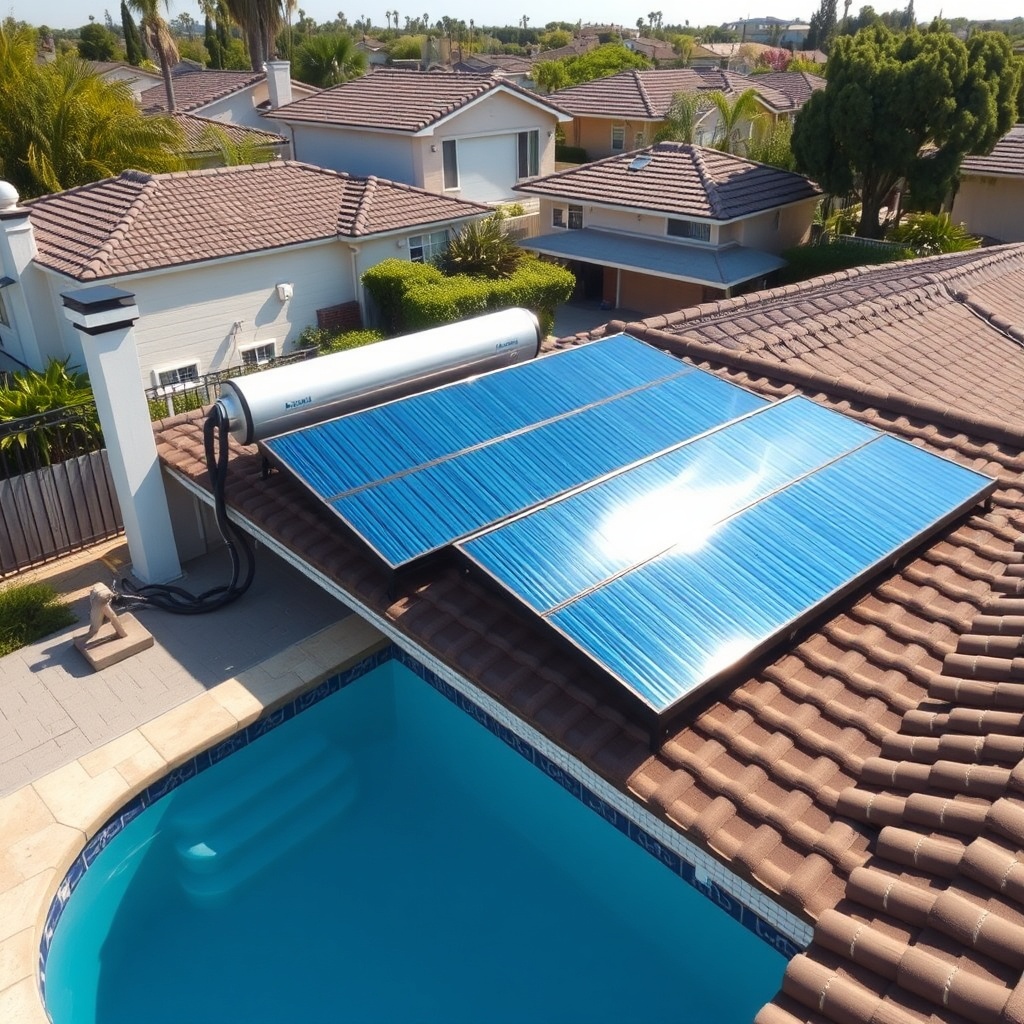
How Does Generic Compare to Other Budget-Friendly Brands?
Generic competes directly with brands like Fafco, SmartPool, and SunHeater in the affordable solar pool heater segment. While all offer similar polypropylene panel technology, Generic distinguishes itself through slightly thicker absorber material (often 1.5mm vs. 1.2mm) and a more robust header tube design. This translates to better resistance against pressure fluctuations and minor debris impacts.
In terms of pricing, Generic’s 4×20-foot panel retails for approximately £450–£550 in the UK market, which is about 10–15% cheaper than comparable Fafco panels. However, Generic’s warranty period is typically shorter—5 years versus 10 years for some premium competitors. This trade-off may be acceptable for DIY installers who can replace panels affordably if needed.
To help you compare, here’s a straightforward specification table for popular Generic models:
| Model | Panel Size | Flow Rate (L/min) | BTU Output (per panel)* | Price (GBP) | Warranty |
|---|---|---|---|---|---|
| Generic GP-2×10 | 2 ft × 10 ft | 18–25 | 18,000 | £220 | 3 years |
| Generic GP-4×10 | 4 ft × 10 ft | 35–50 | 36,000 | £350 | 5 years |
| Generic GP-4×20 | 4 ft × 20 ft | 60–85 | 72,000 | £480 | 5 years |
| Generic GP-4×20 Pro | 4 ft × 20 ft | 70–100 | 80,000 | £550 | 7 years |
* BTU output at 1,000 BTU/ft²/day solar insolation, 50°F temperature rise.
When evaluating Generic against competitors, consider that their mounting hardware is sold separately, adding about £50–£80 for a full rooftop kit. This is common among budget brands, but it means your total investment may be higher than the panel price alone. Additionally, Generic’s controller units are basic—simple on/off differential thermostats without Wi-Fi or smart home integration, which may be a drawback for tech-oriented homeowners.
What Are the Installation Requirements for Generic Systems?
Installing a Generic solar pool heater is a weekend-friendly project for handy homeowners, but it does require careful planning. The panels weigh approximately 15–25 lbs each, making them manageable for a two-person crew. You’ll need a south-facing roof or ground area with minimal shading between 10 AM and 4 PM. The collectors should be oriented at an angle equal to your latitude plus 10–15 degrees for optimal winter performance.
Generic panels use standard 1.5-inch or 2-inch header ports, compatible with PVC or flexible hose connections. The brand recommends a minimum flow rate of 2 gallons per minute (GPM) per panel, which translates roughly to 7.5 L/min. To verify your pump can handle the load, consult the how to size a solar pool heat exchanger to match your pump flow guide—undersized pumps lead to poor heat transfer and potential panel damage.
Key installation steps include:
- Securing mounting brackets (aluminum or steel) every 4 feet along the roof.
- Laying panels in series or parallel depending on your roof space and pump capacity.
- Connecting supply and return lines with UV-resistant insulation.
- Installing a vacuum relief valve and check valve to prevent backflow.
- Mounting the controller near the pool pump with sensors placed on the collector outlet and pool return.
Generic’s manual is moderately detailed, though some users report ambiguous diagrams for parallel plumbing. It’s wise to watch online tutorials or consult a professional for multi-panel arrays. The entire installation typically takes 6–10 hours for a standard 4-panel system, saving you £300–£500 in labor costs versus hiring a contractor.
How Energy Efficient Are Generic Solar Pool Heaters?
Generic panels achieve solar conversion efficiencies in the range of 75–85%, which is competitive for unglazed polypropylene collectors. Since they lack a glass glazing layer, they are most effective when air temperatures exceed 50°F (10°C)—ideal for UK summers and mild shoulder seasons. In colder conditions, some heat is lost to convective cooling, but the UV-stabilized material still captures significant infrared energy.
The energy savings are substantial: a Generic system can reduce your pool heating costs by 50–70% compared to gas or electric heat pumps. For a typical 15,000-gallon pool, you might save £400–£700 annually in energy bills, meaning the system pays for itself within 2–5 years depending on local sunlight. Because Generic panels are lightweight and low-profile, they also reduce wind load on roofs, contributing to building efficiency.
To maximize efficiency, ensure your Generic panels are cleaned annually with a soft brush to remove pollen, dust, and bird droppings. Studies show that dirty panels can lose up to 15% of their absorption capability. Additionally, check the sizing guide for your specific pump flow to avoid throttling your system—oversized panels on a weak pump cause stagnation and efficiency drops.
What Is the Longevity and Maintenance Like for Generic Products?
Generic solar pool heaters are built to last 10–15 years with proper care, though the warranty covers only the first 3–7 years depending on the model. The polypropylene material resists UV degradation, but prolonged exposure to harsh chemicals (high chlorine, low pH) can cause embrittlement over time. Regularly test your pool water chemistry and keep pH between 7.2–7.6 and free chlorine below 3 ppm to protect the panels.
Maintenance tasks are minimal:
- Inspect headers and tube connections for leaks twice per season.
- Check for debris accumulation on the panel surface, especially after storms.
- Flush the system with fresh water if you close the pool for winter (drain panels to prevent freeze damage).
- Replace worn O-rings on connections every 3 years.
One common issue with Generic panels is that the header tubes can crack if subjected to freezing water. Always drain the system before the first hard frost. If you live in a zone with occasional below-freezing nights, consider using a controller with a freeze protection setting or manually empty the panels. Generic’s customer support is reachable by email or phone, but response times can be 24–48 hours—not ideal for urgent leaks.
What Owners Say About Generic Solar Pool Heaters
Owner reviews for Generic systems are generally positive, with an average rating of 4.2 out of 5 stars across major UK pool forums and retail sites. Users consistently praise the easy installation and noticeable temperature gains of 8–12°F (4.5–6.7°C) during peak summer months. Many report seeing a visible reduction in gas heater runtime, sometimes by 80% in sunny weeks.
Common praises include “great value for the price” and “simple to set up on a weekend.” Some owners note that the controller could be more intuitive, particularly the temperature differential setting, which occasionally fluctuates. A few users with very large pools (over 25,000 gallons) found that Generic panels underperform in cloudy Scottish summers. However, they often add that doubling the panel count solved the issue without exceeding the cost of premium alternatives.
Criticisms focus on the mounting hardware: some users felt the included brackets were too thin (gauge steel) and required reinforcement. Others wished for clearer instructions on multi-panel parallel plumbing. Overall, the consensus is that Generic delivers solid performance for its price point, especially for above-ground pools and moderate climates.
Frequently Asked Questions (FAQs)
1. Is Generic suitable for in-ground pools?
Yes, but primarily for small to medium in-ground pools (up to 20,000 gallons). For larger pools, you’ll need to install multiple panels or consider a premium glazed system. Always confirm your pump can handle the added flow resistance.
2. Can I install Generic panels on a flat roof?
Yes, but you’ll need angled mounting stands to achieve proper tilt. Generic offers optional tilt frames or you can fabricate your own from aluminum. Ensure the roof can support the weight plus extra ballast.
3. How do I connect Generic panels to my existing pump?
Use standard 1.5-inch PVC piping with union connectors. Install a three-way diverter valve to bypass the solar loop when not in use. Follow the sizing guide for your pump flow to avoid restricting circulation.
4. What is the temperature rise I can expect from Generic panels?
On a sunny day with 6 hours of direct sun, you can expect a 6–12°F (3.3–6.7°C) temperature rise in the pool. This varies with panel area, pump flow, and ambient temperature. Oversizing the array by 10–20% can boost heating in cooler weather.
5. Does Generic provide a controller with the system?
Generic controllers are sold separately for around £70–£100. They are basic differential thermostats with a display and two temperature sensors. Some retailers offer bundled kits with the controller included. Check before buying.
6. How do I winterize Generic solar panels?
Drain all water from the panels and pipes using the drain valves. Disconnect and store panels indoors if possible, or leave them on the roof with drain plugs open. Never leave water in panels during freezing temperatures—the expansion can crack the headers.