Heliocol vs Fafco Solar Bear: Which Solar Pool Heater Is Best?
When it comes to solar pool heating, Heliocol and Fafco’s Solar Bear are two of the most respected names in the industry. Both use unglazed black polymer panels, but they serve different needs in terms of efficiency, durability, and installation ease. This comparison digs into the practical differences to help you choose the right system for your specific pool and climate.
How Do the Panel Materials and Construction Compare?
The core difference lies in how each manufacturer engineers its panels. Heliocol uses a rigid, co-extruded polypropylene with UV inhibitors and a textured surface that increases heat absorption. The panels feature a patented “Snap-Lok” connection system, which eliminates the need for O-rings or gaskets—this reduces potential leak points over time. Each Heliocol panel is about 4 feet by 10 feet and weighs roughly 25 lbs, making them manageable for a two-person install.
Fafco Solar Bear panels, by contrast, use a molded polypropylene with a smooth surface and a built-in header system. They are slightly thinner (12mm vs. Heliocol’s 14mm wall thickness) but are reinforced with internal baffles to maintain structural integrity. The panels are typically 4 feet by 8 feet and weigh around 20 lbs each. The Solar Bear uses a compression-fit coupling with rubber gaskets, which some installers find simpler for field adjustments but more prone to wear in freeze-thaw cycles.
In real-world terms, Heliocol’s thicker walls and Snap-Lok system tend to hold up better in harsh sun and high-wind areas. Fafco’s panels are lighter and easier to maneuver, but the gaskets may need replacement after 5-7 years. If you live in a region with intense UV exposure (Arizona, Nevada) or frequent freeze conditions, Heliocol’s heavier build offers a longer lifespan. For moderate climates with mild winters, Fafco’s lighter design and lower cost can be a practical choice.
For more on how panel thickness affects flow, see Optimal Flow Rate for Heliocol Solar Pool Heater.
Which System Delivers Better Heating Performance and Efficiency?
Heating performance depends on panel area, flow rate, and sun exposure. Heliocol panels are rated for a heat output of roughly 1,000-1,200 BTU per square foot per day in full sun (under 80°F ambient). Fafco Solar Bear panels are slightly less efficient, averaging 900-1,100 BTU per square foot per day under identical conditions. This difference stems from Heliocol’s textured surface, which increases surface area and turbulence to improve heat transfer.
In a typical 15×30 foot pool (about 15,000 gallons), you need roughly 60-70% of the pool’s surface area in panel coverage to achieve meaningful temperature rise. Heliocol: six 4×10 panels (240 sq ft) can raise pool temperature by 10-12°F in peak summer. Fafco: eight 4×8 panels (256 sq ft) yields a similar 9-11°F rise. The slight edge goes to Heliocol per square foot, but Fafco panels are cheaper—so you may get equivalent heating for less money if you have enough roof space to add one extra panel.
Another factor: flow rate. Heliocol panels perform best at 3-4 gallons per minute (GPM) per panel. Fafco’s broader internal channels allow for 2-3 GPM per panel. This means Heliocol requires a slightly larger pump or manifold setup. If your existing pump is on the weaker side (under 1.5 HP), Fafco may be easier to integrate without boosting pump capacity. Check pump sizing in our flow rate guide before making a decision.
What About Installation and Roof Compatibility?
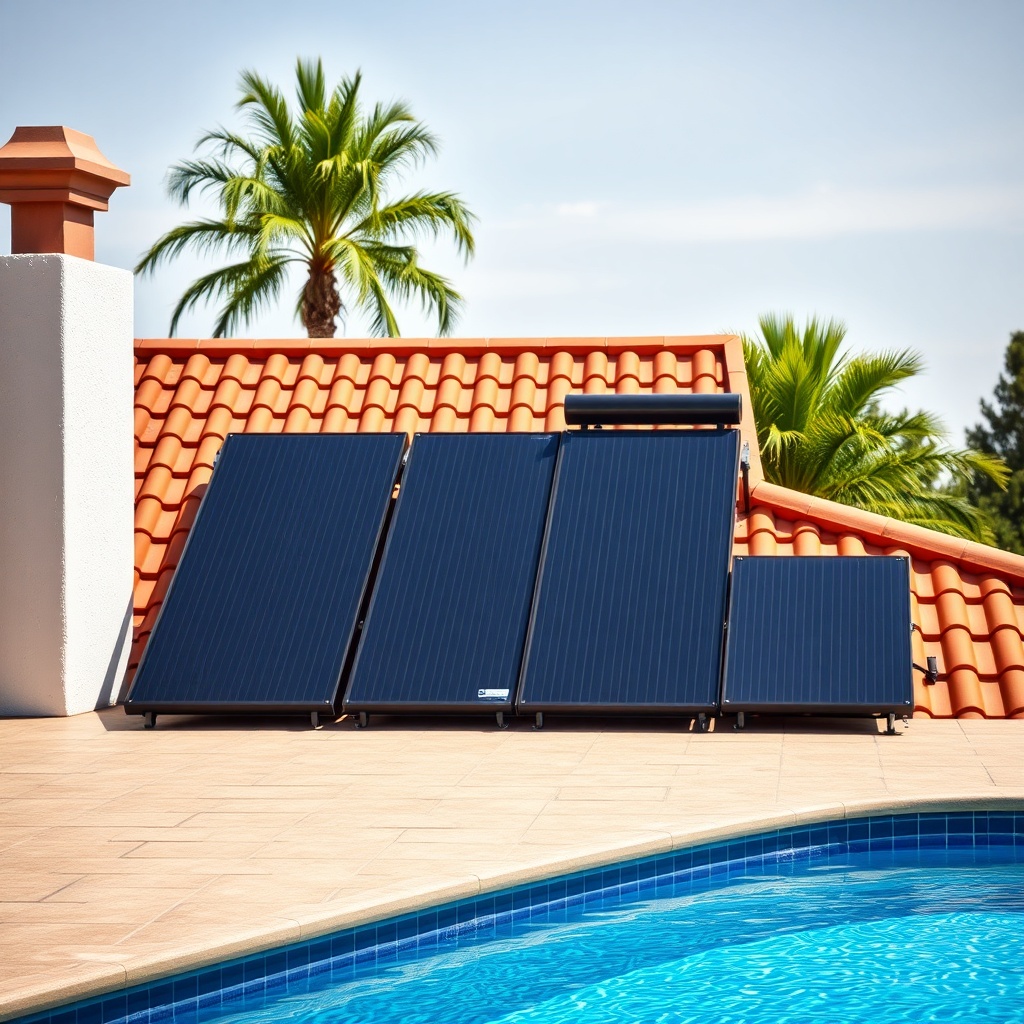
Both systems are designed for DIY-friendly installation, but there are trade-offs. Heliocol uses a proprietary mounting kit with extruded aluminum rails that attach to roof rafters through shingles. The panels then clip into these rails with stainless steel brackets. This system requires precise spacing (3-4 inches between panels for airflow) and leveling of the tracks. A two-person crew can typically install an average system (8 panels) in about 6-8 hours on a simple gable roof.
Fafco Solar Bear uses a simpler rail system with plastic brackets that snap over the panel edges. The panels are lighter, so lifting them onto a steep roof is easier. However, the plastic brackets can become brittle after 5-6 years of UV exposure, especially in hot climates. The compression couplings also require careful alignment to avoid leaks. Many owners report that Fafco’s system is faster to install—about 4-6 hours for the same size—but the plastic components may need replacement sooner.
Roof compatibility: Heliocol panels are thinner (1.5 inches thick), allowing them to lie flatter against the roof, which reduces wind lift in high-wind zones. Fafco panels are slightly thicker (1.8 inches) but still low-profile. Both systems can be installed on composition shingle, tile, metal, or flat roofs with proper flashing. For tile roofs, Heliocol’s rail system often requires less modification because the brackets can slide under tiles without breaking them. Fafco’s plastic brackets may need to be anchored through the tile, which can lead to cracks if not done carefully.
For detailed tips on plumbing connections, see Heliocol Solar Pool Heater Inlet/Outlet Installation Tips.
Durability and Warranty: Which One Lasts Longer?
Long-term reliability is crucial for an investment that stays on your roof for 10-15 years. Heliocol offers a 12-year limited warranty on panels against defects and UV degradation. The Snap-Lok connections are covered for 5 years. In practice, Heliocol panels often last 15-20 years in moderate climates, with only occasional replacement of the silicone sealant around the header ends. The thicker walls and co-extruded UV layer resist cracking and fading over time.
Fafco Solar Bear comes with a 10-year limited warranty on panels, but the gaskets and plastic fittings are only covered for 2 years. The panels themselves are durable under normal conditions, but the internal baffles can separate from the header after 8-10 years in extreme heat, causing localized leaks. Owners in Arizona and Texas report that Fafco panels may develop small pinholes around the gasket areas by year 8-10. However, replacement panels are relatively inexpensive (around $150-200 each) compared to Heliocol ($250-350 each).
A strength comparison table clarifies key differences:
| Feature | Heliocol | Fafco Solar Bear |
|---|---|---|
| Panel thickness | 14mm | 12mm |
| Weight per panel | 25 lbs | 20 lbs |
| Connection type | Snap-Lok (no gaskets) | Compression fit with gaskets |
| Heat output per sq ft | 1,000-1,200 BTU/day | 900-1,100 BTU/day |
| Warranty (panels) | 12 years | 10 years |
| Warranty (connections) | 5 years | 2 years |
| Typical panel price | $250-350 | $150-200 |
| Freeze tolerance | Good with drain-back | Moderate with drain-back |
If you plan to stay in your home for more than 10 years, Heliocol’s longer warranty and heavier build likely justify the higher upfront cost. For a vacation home or short-term ownership, Fafco’s lower initial investment makes more sense.
Cost and Payback Period: Which Is the Better Value?
Let’s compare a typical installation for a 15,000-gallon pool. You need roughly 240-260 square feet of panels. For Heliocol: six panels at $300 each = $1,800 in panels, plus mounting kit ($400), plumbing fittings ($150), and shipping ($100) = $2,450 total. DIY installation saves labor. With professional install (around $800-1,200), total is $3,250-3,650.
For Fafco Solar Bear: eight panels at $175 each = $1,400, mounting kit ($250), plumbing ($100), shipping ($80) = $1,830 DIY. Professional install adds $600-900, total $2,430-2,730. Fafco is 25-30% cheaper upfront.
Payback period depends on your gas or electricity costs. If you’re replacing a propane heater (currently $2.50-3.50 per gallon), a solar system can save $400-600 annually in heating costs. For Heliocol: payback in 5.5-7 years DIY (or 6.5-8 years pro install). For Fafco: payback in 4-5.5 years DIY (5-6.5 years pro install). The lower initial cost of Fafco gives a faster ROI, but Heliocol’s longer lifespan means lower total cost of ownership if you keep the house for 15+ years.
Note that both systems qualify for the federal solar tax credit (currently 30%), which can reduce out-of-pocket cost further. Check your state incentives as well.
What Owners Say
Real-world feedback from pool forums and product reviews reveals common themes. Heliocol owners often praise the “no-leak” Snap-Lok connections after 5+ years. Many report consistent 10-12°F temperature gains even on partly cloudy days. The main complaint? The panels are heavy, and the mounting system requires careful roof measurement—any mistake means redrilling holes. Owners in high-wind areas (coastal Florida, Oklahoma) say Heliocol panels have stayed put through hurricanes when neighbors’ lighter panels were damaged.
Fafco Solar Bear owners highlight the ease of installation: “Unboxed and installed in one afternoon by myself.” Many note the panels heat the pool effectively, but a vocal minority report gasket leaks after 3-5 years, especially in freeze-thaw climates. Some owners recommend buying extra gaskets upfront. The main advantage cited? Cost—many say they switched from a gas heater and recovered the investment in under 3 summers. The downside: after 8 years, some panels develop small cracks near the header, requiring replacement.
For maintenance tips that apply to both systems, see How to Clean and Maintain Heliocol Solar Pool Heaters.
Frequently Asked Questions
1. Can I mix Heliocol and Fafco panels on the same system?
Technically yes, but not recommended. Different flow rates and connection sizes create uneven water distribution. If you must expand, use identical panels on the same roof plane for consistent pressure.
2. Do these systems work in cloudy climates?
Yes, but output drops by 30-50% on overcast days. Both work best in areas with at least 4-5 hours of direct sun daily. In Pacific Northwest winters, you’ll still need a backup heater.
3. How long does installation take for a DIY homeowner?
For a typical 6-8 panel system, expect 6-10 hours for Heliocol (due to precise rails) and 4-7 hours for Fafco (simpler clips and lighter panels). Add 2-3 hours for plumbing connections.
4. Do these panels void my roof warranty?
Only if improperly installed. Both manufacturers provide flashing kits and require penetration into rafters. Always follow local building codes and get roof warranty approval in writing from your roofer if needed.
5. Can I use a variable-speed pump with either system?
Yes, but you need to maintain minimum flow. For Heliocol, set the pump to 3-4 GPM per panel. For Fafco, 2-3 GPM per panel. Most variable-speed pumps can deliver this at 1,500-2,500 RPM, saving electricity.
6. Which system is better for saltwater pools?
Both are made from polypropylene, which resists salt corrosion. However, Heliocol’s Snap-Lok connections have no metal or rubber parts, making them slightly better for salt pools. Rinse panels monthly in high-salinity areas.