SunStar Solar Pool Heater Not Heating? Troubleshooting Steps
If your SunStar solar pool heater has stopped delivering warm water, don’t panic. This guide walks you through the most common causes—from controller settings to pump flow issues—so you can get back to comfortable swimming. We’ll cover everything from simple checks to system-specific fixes.
Is the SunStar Controller Showing an Error Code?
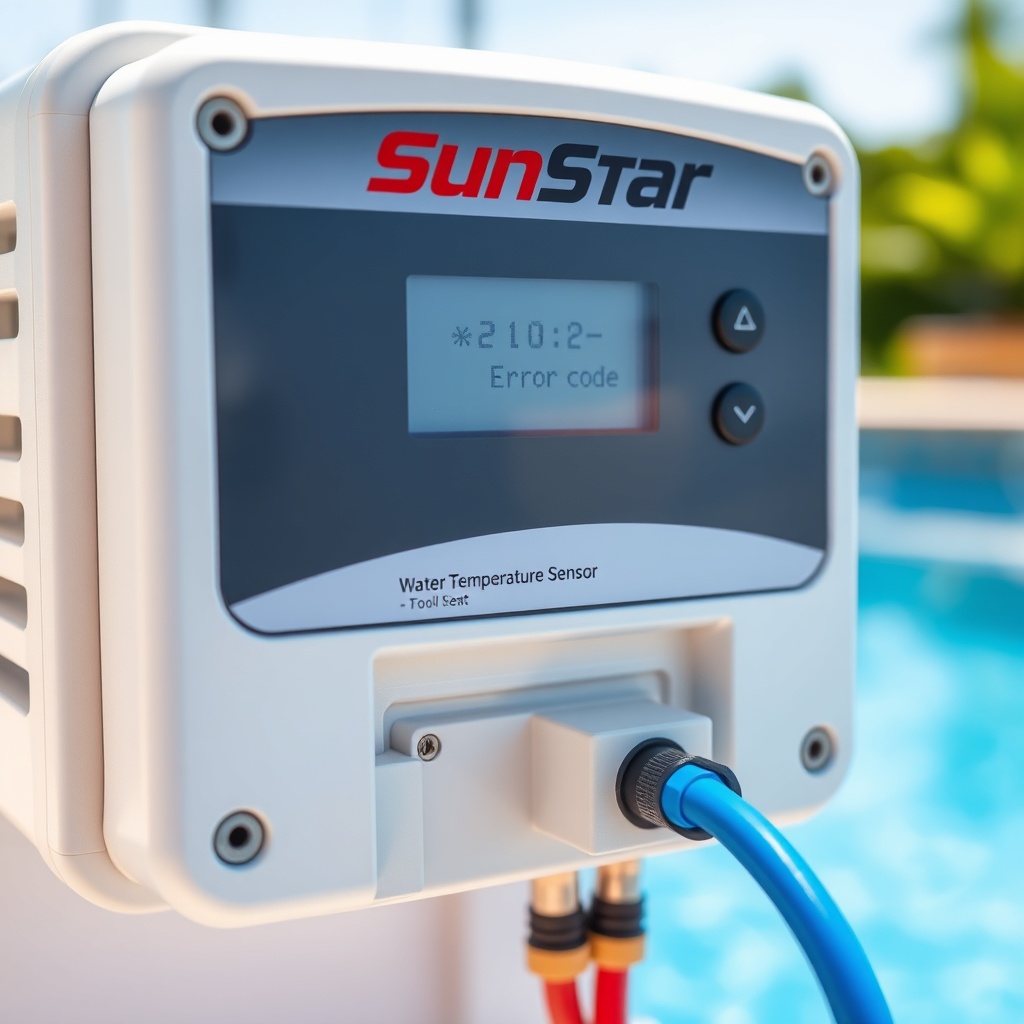
The first place to look is your SunStar controller display. If it’s showing an error code like “E1” or “E2,” the system is trying to tell you something specific. An E1 code usually means a sensor is disconnected or faulty, while an E2 code indicates the water temperature sensor is reading outside its normal range. Check the sensor wiring at both the controller and the solar panel array—loose connections are surprisingly common, especially after heavy winds or maintenance.
If the display is blank but the pump is running, your controller may have lost power. Verify the breaker is on and that the transformer inside the controller hasn’t tripped. If the screen is flickering, it could be a sign of voltage drop or a failing power supply. In these cases, a multimeter check at the controller input terminals is your best next step.
For a full walkthrough of programming and error codes, see our SunStar Solar Pool Heater Controller Programming Instructions.
Is the Solar Pump Running at the Right Flow Rate?
Your SunStar heater needs a minimum flow rate to activate the heating cycle. If the pump isn’t pushing enough water through the collector panels, the system simply won’t heat. Start by checking your pump’s pressure gauge—a reading below 5 PSI for most systems suggests inadequate flow.
Common flow killers include a dirty pump basket, a clogged skimmer, or a partially closed valve on the return line. Even a small amount of debris in the impeller can reduce flow by 20-30%. Clean the pump strainer and skimmer baskets, then check your pool’s filter pressure gauge. If it’s 8-10 PSI above normal, backwash or clean the filter.
The SunStar system typically requires 5-10 GPM per 4×10 panel, so a standard 4-panel setup needs at least 20 GPM at the pump. A simple bucket test at the return line can verify actual flow. For sizing details, refer to our SunStar Solar Pool Heater Pump Requirements: GPM Guide.
Are the Solar Panels Properly Aligned and Clean?
Even with everything else working, dirty or poorly positioned panels can dramatically reduce heating. Over time, dust, pollen, bird droppings, and tree debris build up on the glass surface, blocking sunlight. Clean panels can increase heat output by 15-30%. Use a soft brush and mild soap—never abrasive pads—and rinse thoroughly. Do this in the morning before the panels get hot to avoid thermal shock.
Panel alignment also matters. If your roof has a southern exposure (in the Northern Hemisphere), you’re likely getting good direct sun. But if panels are shaded by trees, chimneys, or even satellite dishes for more than 2-3 hours daily, you’re losing significant heat. Check for shade at 10 AM and 2 PM during peak season. If shading is an issue, consider trimming branches or relocating panels—though that’s a bigger job.
The angle of the panels also plays a role. Most installations use a 15-30 degree tilt relative to horizontal. If yours are flat on a roof, you may lose up to 20% efficiency. A simple angle adjustment bracket can fix this. For guidance on how many panels your pool needs, see our Sizing a SunStar Solar Pool Heater for Your Pool guide.
Is the Diverter Valve or Plumbing Setup Correct?
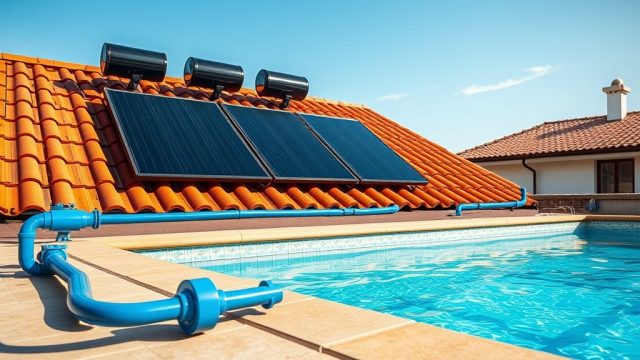
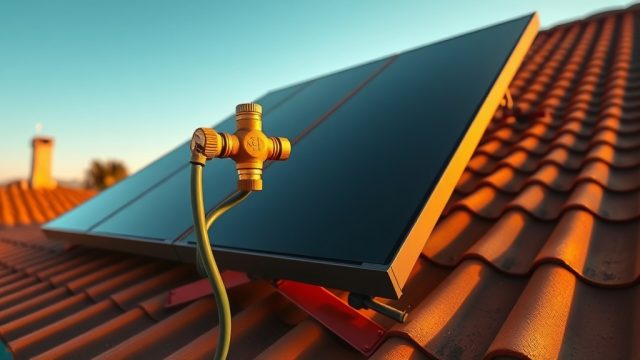
A faulty diverter valve or incorrect plumbing routing is a frequent culprit. The diverter valve sends water either to the solar panels (for heating) or bypasses them (when heating isn’t needed). If the valve is stuck in bypass mode, water never hits the panels. Manually check the valve handle position—it should point toward the solar line for heating. If it moves freely but doesn’t actually redirect flow, the internal seal may be worn.
Look for air bubbles in the pump’s strainer lid. Air in the system often signals a suction-side leak that can reduce flow enough to prevent heating. Check all unions around the valve, pump, and filter for small cracks or loose fittings. A simple spray bottle with soapy water can help locate leaks—bubbles will form at any leak point.
Also confirm that your bypass loop is properly sized. If the bypass is too large, water will take the path of least resistance and never push through the solar panels. A licensed pool professional can adjust the valve or install a flow restrictor if needed.
| Issue | Severity | Quick Action |
|---|---|---|
| Controller shows error code | Needs attention soon | Check sensor wiring; replace if damaged |
| Low pump flow (below 5 GPM) | Usually not urgent | Clean baskets, backwash filter, check valve positions |
| Dirty panels (visible grime) | Usually not urgent | Gently wash panels with hose and soft brush |
| Diverter valve stuck in bypass | Needs attention soon | Manually shift valve; replace seal if stuck |
| Air in pump basket | Needs attention soon | Tighten fittings; fix suction leak |
| Shaded panels for 4+ hours | Usually not urgent | Trim foliage or adjust panel placement |
What Owners Say
Solar pool heater owners often share practical tips online. One common observation: “My SunStar worked fine for two years, then suddenly stopped heating. Turned out a leaf had jammed the diverter valve actuator arm—ten-minute fix.” Another owner notes, “I kept getting E1 codes. I replaced the sensor myself for about £25, and it’s been perfect since.”
Some owners also report that after heavy rain, their system takes a day to get back to full heating because of cloud cover—but that’s normal for any solar system. A final tip heard frequently: “Check your pump flow first—it’s the cause in 8 out of 10 ‘no heat’ calls for me.”
Frequently Asked Questions
How long does a SunStar solar pool heater take to warm the pool?
With full sun and proper flow, expect a 3-5°F rise per day for a standard 20,000-gallon pool. Achieving 85°F from 70°F can take 4-7 days depending on climate and pool size.
Can I run the SunStar heater at night?
No—solar heaters require direct sunlight for effective operation. Running them at night will actually cool the pool because the panels act as radiators without the sun.
Should I cover my pool when using a SunStar heater?
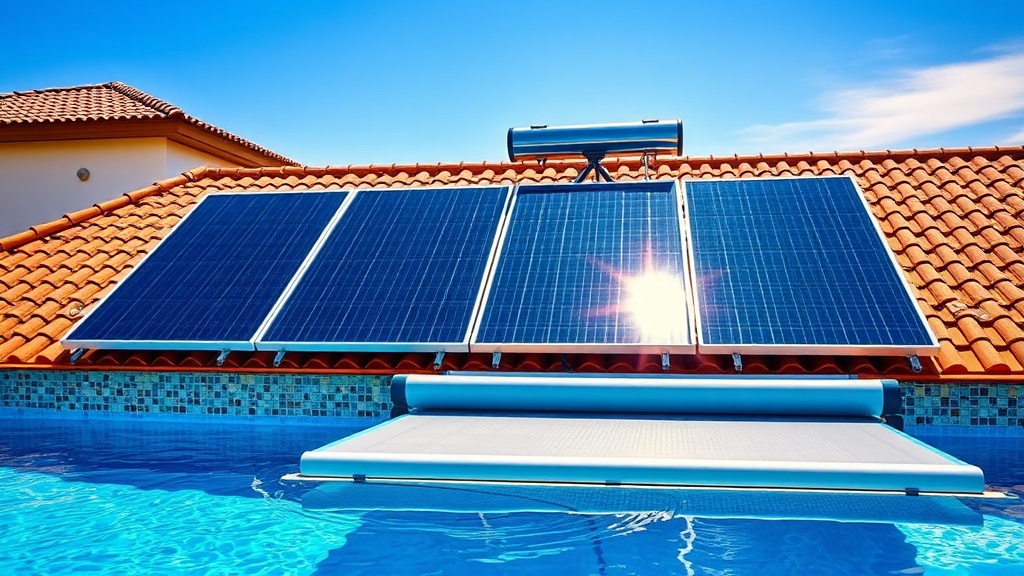
Yes. A solar cover (bubble blanket) reduces heat loss by 50-70% overnight. Without it, you lose much of the day’s heating gain before the next morning.
Is it normal for the panels to feel warm even when the pool isn’t heating?
Yes, the panels will feel hot in the sun even if water isn’t flowing through them. That’s fine. The issue is when water flows but the return line feels cool—that indicates a flow or diverter problem.
What temperature should I set on the SunStar controller?
Most owners set the target temperature between 82°F and 86°F (28°C-30°C). The controller will automatically bypass the panels once that temperature is reached.
Do I need professional help for a diverter valve issue?
If you’re comfortable with basic tools and plumbing, you can replace a diverter valve seal yourself—cheap parts exist for under £30. But if the valve body is cracked or the actuator is non-functional, call a pro to avoid leaks.