Introduction: Why Flow Rate Matters for Your Heliocol System
Getting the flow rate right for your Heliocol solar pool heater isn’t just about pushing water through panels. It directly determines how efficiently the system transfers heat, how long the panels last, and whether your pump works within its optimal range. For Heliocol’s specific panel design, the recommended flow rate typically falls between 4 and 6 gallons per minute (GPM) per panel, but the exact number depends on your array size, pipe diameter, and pump curve.
This article breaks down the optimal flow rate for Heliocol heaters, common problems when it’s wrong, and how to adjust yours. We’ll cover everything from pressure drop to bypass valves, with real-world feedback from owners. If you’re comparing Heliocol to other brands, check our guide on Heliocol vs Fafco Solar Bear: Which Solar Pool Heater Is Best? for side-by-side specs.
What Is the Optimal Flow Rate per Heliocol Panel?
Heliocol panels are designed with narrow internal channels that create turbulence to maximize heat transfer. This design requires a specific flow range to work efficiently. Based on manufacturer data and field testing, the sweet spot for each 4×12-foot (or 4×10-foot) panel is 4 to 6 GPM. Running below 3 GPM risks poor heat exchange and potential overheating on sunny days, while above 8 GPM increases back pressure without adding heat gain.
For a typical 4-panel system, that means 16–24 GPM total. For an 8-panel system, 32–48 GPM. These numbers guide pump selection. A 1.5 HP variable-speed pump usually handles up to 6 panels easily; larger arrays may need 2 HP or a dual-pump setup. Always check your pump curve at the head loss your system creates.
To calculate head loss for Heliocol, add the pressure drop from panels (about 2–3 psi per panel at 5 GPM) plus friction loss from pipes, fittings, and the collector headers. A typical 6-panel array with 2-inch plumbing may see 10–15 feet of head loss at 30 GPM.
How Does Flow Rate Affect Heating Performance?
Flow rate directly impacts two critical performance metrics: heat transfer coefficient and temperature rise. At too low a flow, water stays in the panels longer, heating up more, but the reduced mass flow means less total heat delivered to the pool. At too high a flow, water passes through too quickly to pick up meaningful heat, and the pump wastes energy overcoming unnecessary pressure.
Heliocol panels use a “matched flow” design—the internal geometry works best when water velocity keeps the turbulent boundary layer thin. At 5 GPM per panel, the temperature rise across the array is typically 5–10°F (3–6°C) on a sunny day. Drop to 3 GPM, and you might see 12–15°F rise, but the total BTU output falls by about 20%.
For reference, the ideal flow yields a temperature rise of 6–8°F. Anything above 12°F suggests flow is too slow; below 4°F indicates it’s too fast. Use a thermometer at the inlet and outlet to check.
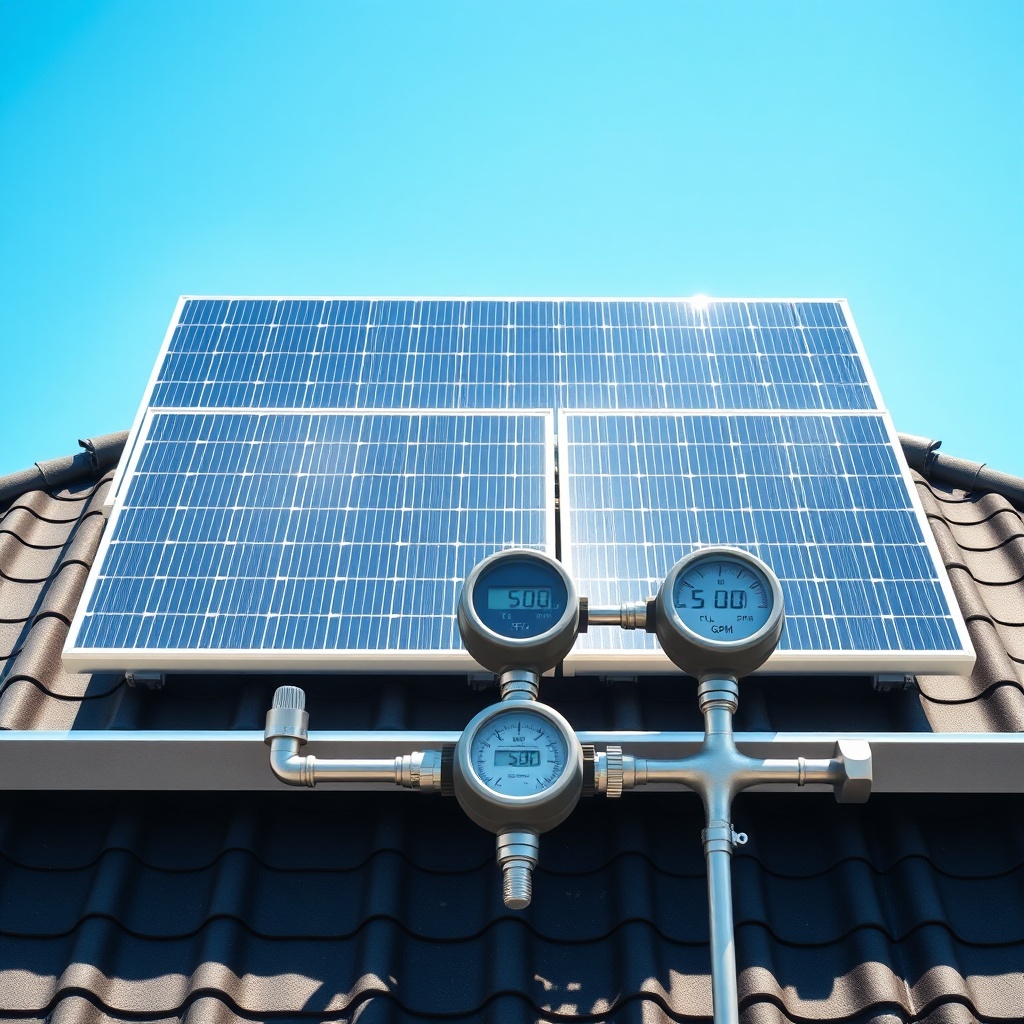
What Happens When Flow Rate Is Too Low?
Low flow is the most common mistake in DIY installations. Symptoms include hot panels (sometimes steaming on very hot days), reduced heat delivery, and stress on the pump. Heliocol panels are polymer—they can handle some heat, but sustained operation below 3 GPM per panel can cause the plastic to soften or warp over time, especially in high-sun areas like Arizona or Florida.
More immediately, you’ll notice the pool temperature barely climbs, while the panels feel extremely hot to the touch. The system may also trigger a bypass valve if an automatic controller detects excess temperature. Low flow also increases the risk of air locking in the panels, especially if the plumbing has high points without vents.
If you suspect low flow, measure the return line flow with a bucket test or install a permanent flow meter. A quick fix is to reduce resistance—clean debris from the pump basket, check for closed valves, or install larger diameter return pipes. For severe cases, you may need a higher flow pump or split the array into two banks.
What Happens When Flow Rate Is Too High?
Excess flow isn’t as damaging as low flow, but it wastes energy and money. Pumping 10 GPM per panel means your pump runs at full speed longer, consuming more electricity—up to 30–40% more than necessary for the same heat output. The temperature rise drops below 4°F, so you get marginal heating gain.
Another downside: high flow can erode PVC fittings over time, especially at transitions like the inlet/outlet connections. It also increases noise and vibration in the plumbing. For Heliocol, the maximum recommended flow is 8 GPM per panel—beyond that, the pressure drop climbs exponentially, and the pump may run outside its efficient curve.
To fix high flow, reduce pump speed (if using a variable-speed pump) or install a bypass valve that diverts some water past the panels. A manual bypass is cheaper and lets you adjust seasonally. See our guide on Heliocol Solar Pool Heater Inlet/Outlet Installation Tips for proper bypass placement.
How Do You Measure and Adjust Flow Rate?
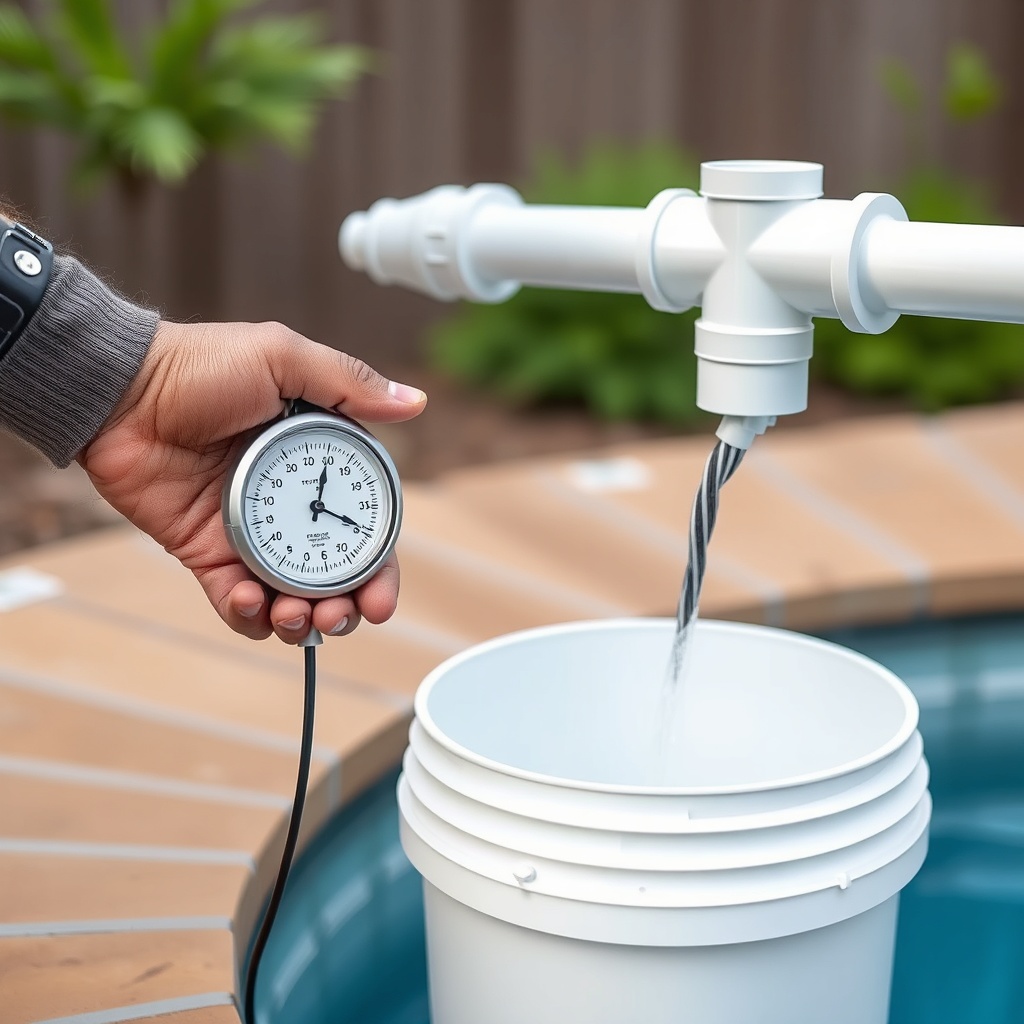
Accurate measurement is essential. The simplest method: time how long it takes to fill a 5-gallon bucket from a return line while the system is running. For example, if it fills in 12 seconds, the flow is 5 gallons ÷ (12/60 minutes) = 25 GPM. Divide by your number of panels to get per-panel flow.
A more precise way is installing a flow meter on the main supply line. Heliocol doesn’t require one, but it’s a $50–$100 upgrade that saves troubleshooting time. Digital meters with a paddle wheel are accurate and easy to read.
To adjust, the best tool is a variable-speed pump. Lower the RPM until you hit your target GPM. A typical 1.5 HP pump might run 2400 RPM for 30 GPM, but at 1800 RPM for 18 GPM—saving power. If using a single-speed pump, you’ll need to add a bypass valve or change pipe size to reduce flow. Bypass valves should be adjusted slowly to avoid sudden pressure changes.
| Flow Rate per Panel | Severity |
|---|---|
| Below 3 GPM | Needs attention soon—risk of overheating panels, poor heat transfer, pump stress |
| 3–4 GPM | Usually not urgent but suboptimal—check temperature rise and consider slight increase |
| 4–6 GPM (optimal) | Target range—best balance of heat gain and pump efficiency |
| 6–8 GPM | Usually not urgent—acceptable if pump is efficient, but check energy waste |
| Above 8 GPM | Needs attention soon—excess energy use, potential pipe erosion, minimal heating gain |
How Does Panel Configuration Affect Flow?
Whether you wire panels in series or parallel changes the flow dynamics. Heliocol panels can be connected in either way, but the optimal setup depends on your pump and pipe size. In a series connection (water goes through one panel then the next), flow rate remains the same per panel, but pressure drop adds up. For example, four panels in series would have 4x the pressure drop of one panel, possibly exceeding pump capacity.
In parallel (all panels receive water at the same time from a common header), flow rate per panel equals total flow divided by number of panels, but pressure drop stays close to that of a single panel. For most residential setups with 4–10 panels, parallel with 2-inch headers works best. Heliocol recommends a maximum of 6 panels per bank in parallel to keep flow balanced.
If you have a large array (12+ panels), split them into two banks with separate return lines or use a balancing valve. Uneven flow leads to some panels running hot while others barely get water. Check our article on How to Clean and Maintain Heliocol Solar Pool Heaters for tips on inspecting header connections.
What Owners Say About Flow Rate Adjustments
Real-world experience from Heliocol owners reveals common patterns. One user on a Florida pool forum noted: “I had a 6-panel system with a single-speed pump, and my panels were getting scorching hot. I installed a flow meter and found I was running at 2.8 GPM per panel. Adding a bypass valve and bumping pump run time got me to 5 GPM—it’s a world of difference in pool temperature.”
Another owner in California with a variable-speed pump said: “I fiddled with pump speeds for a week to get exactly 5 GPM per panel. My energy bill dropped $15/month compared to running at full speed, and the pool temp didn’t change. I’m glad I took the time.” A third user warned: “Don’t assume bigger is better. I upgraded to a 2 HP pump thinking more flow would heat faster, but all I got was noise until I dialed it back.”
These experiences highlight how flow adjustments often require trial and error, but the payoff is real. If you’re unsure about plumbing, the Heliocol Solar Pool Heater Inlet/Outlet Installation Tips article walks through proper manifold design.
Frequently Asked Questions
What is the exact flow rate recommended by Heliocol for their panels?
Heliocol officially recommends 4–6 GPM per panel for optimal efficiency. This range balances heat transfer, pressure drop, and pump energy consumption. Always verify with your specific panel model, as older “Heliocol II” panels may have slightly lower limits.
Can I use a single-speed pump with a Heliocol system?
Yes, but you’ll likely need to adjust with a bypass valve to achieve the right flow rate. Single-speed pumps run at constant RPM, so without a bypass, you risk too high flow or low flow depending on the system head. Variable-speed pumps are preferred for precise control and energy savings.
How do I know if my flow rate is too low?
Signs include panels feeling extremely hot (over 140°F) on sunny days, poor pool temperature rise, and the pump running with high suction gauge readings. A quick measurement with a flow meter or bucket test will confirm—anything below 3 GPM per panel indicates low flow.
Why does my Heliocol system have a temperature rise less than 4°F?
This usually indicates too high flow rate, such as 8+ GPM per panel. The water passes through too quickly to absorb heat. Check your pump speed or bypass setting and reduce flow until you see a 6–8°F rise on a clear day.
Should I install a flow meter permanently?
It’s optional but highly recommended for troubleshooting and optimization. A $50–$100 digital flow meter saves time and gives real-time data. If you only adjust seasonally, a simple bucket test works fine—but a meter helps if you change pump settings or add panels later.
Can I connect 8 Heliocol panels in one parallel bank?
It’s possible but not ideal. Heliocol suggests max 6 panels per bank to maintain balanced flow. With 8 panels in parallel, the farthest panel may get less flow than the nearest. Split into two banks of 4, each with separate return lines, for consistent performance.