
Introduction
When your Fafco Solar Bear pool heating system experiences a low flow rate, it can reduce heating efficiency and cause uneven heat distribution across the collector panels. This issue often stems from blocked filters, undersized piping, or a malfunctioning pump. In this guide, you will learn the most common causes of low flow in a Fafco Solar Bear system and step-by-step fixes to restore optimal water circulation.
What Causes a Drop in Flow Rate on a Fafco Solar Bear System?
A low flow rate on a Fafco Solar Bear system is frequently traced back to a handful of culprits. The most common include a clogged strainer basket, dirty solar collector panels, an undersized or failing circulation pump, and partially closed valves. Air pockets within the plumbing can also restrict flow. When the flow drops below the manufacturer’s recommended 2–4 gallons per minute per panel (roughly 7.6–15.1 liters per minute), the system struggles to transfer heat from the sun to your pool water. This can trigger the controller to shut down the pump to prevent panel damage.
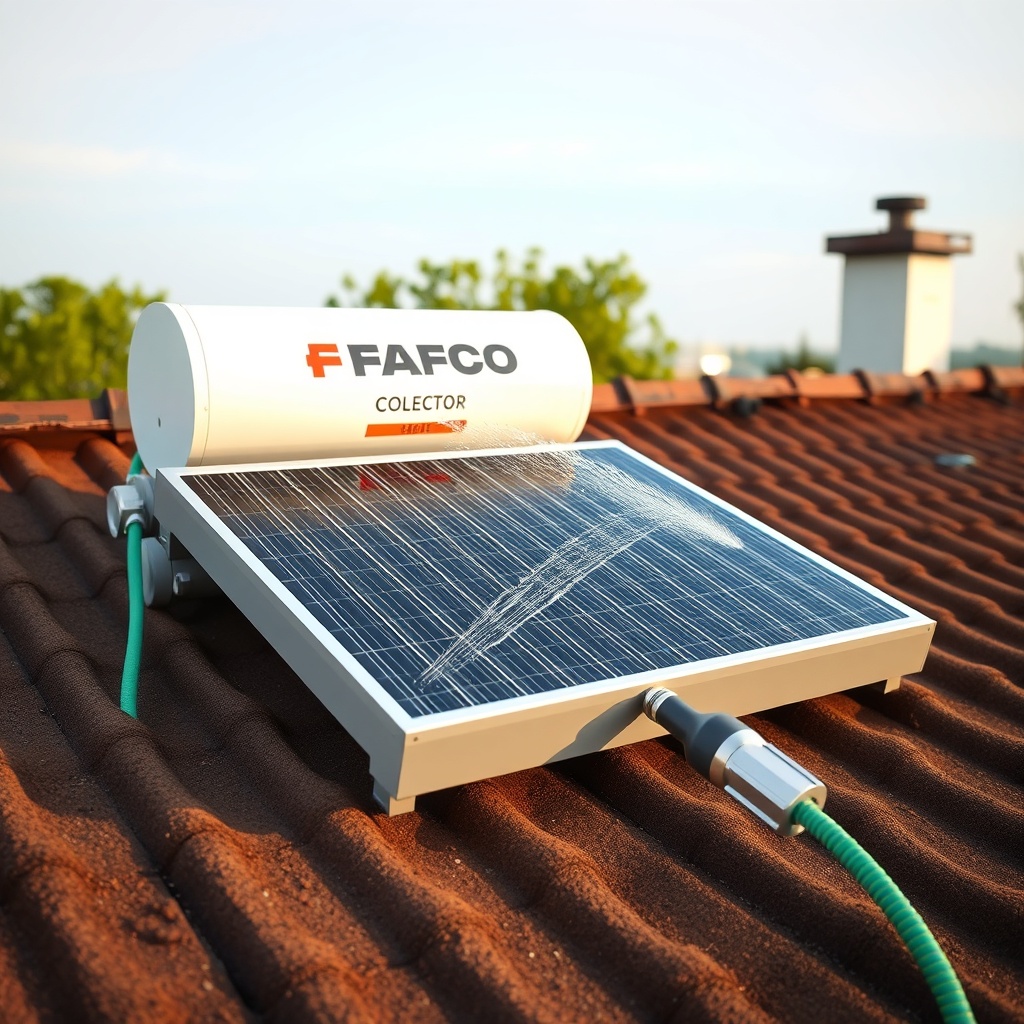
Start your troubleshooting by checking the pump strainer basket for debris. Leaves, bugs, and small twigs can quickly accumulate, especially after a storm. Next, inspect the solar collector panels for blockages like dirt or algae buildup on the absorber fins. If you have a multi-panel array, a single blocked hose can create a cascading pressure drop across the entire bank.
For a more detailed look at how pressure and flow interact in these panels, read our Fafco Solar Bear Pressure Drop Analysis: What You Need to Know.
How Do I Check If My Pump Is Undersized for the Fafco Solar Bear?
An undersized pump is a frequent cause of low flow, especially after expanding a solar panel array. Most Fafco Solar Bear systems are designed to work with a pump that delivers at least 10–15 gallons per minute (38–57 L/min) at the required head pressure of 15–25 feet (4.6–7.6 meters). If your pump is too small, it cannot overcome the friction loss in the solar panels and piping.
To verify, check the pump’s performance curve label (usually on the side of the motor). Compare the rated flow at your system’s total dynamic head (TDH). You can calculate TDH by adding the vertical lift from the pool water level to the highest collector panel plus friction losses from pipes and fittings. A simple field test: run the system and measure the flow at the return line using a 5-gallon bucket and stopwatch. If it takes longer than 20 seconds to fill the bucket, the pump may be undersized. Consider upgrading to a variable-speed pump set to a higher RPM, or replace with a model that matches your panel count.
For installation tips that affect pump sizing, see Fafco Solar Bear Ground Mount Installation: A Step-by-Step Guide.
What Role Do Air Locks Play in Fafco Solar Bear Low Flow?
Air locks are a common yet often overlooked cause of low flow. When air gets trapped in the highest points of the collector array, it creates a pocket that blocks water flow. This typically happens after the system has been drained for winterization or after a power outage that stopped the pump. The air lock reduces the effective cross-section of the pipe, cutting flow dramatically.
To purge an air lock, first ensure the system is fully primed. Open the bleed valve at the highest panel (often located near the collector header). Let the pump run for 10–15 seconds until a steady stream of water—without air bubbles—emerges, then close the valve. Repeat this process for each panel if you have multiple rows. If the air lock returns frequently, check for suction-side leaks. A small leak at a pipe joint or a loose pump lid can draw air into the system. Seal any leaks with silicone sealant or replace worn O-rings.
Proper system automation can help prevent air ingress; explore Fafco Solar Bear Automation System Integration: Controllers and Timers for tips.
How Do Dirty Filters Affect Fafco Solar Bear Flow Rate?
A clogged pool filter is one of the quickest ways to lose flow through the solar system. Most solar installations take water after the filter, so if the filter pressure rises above 15–20 psi (103–138 kPa) above clean filter pressure, the backpressure restricts flow to the solar panels. This raises the system’s total head, reducing pump output.
Check your filter’s pressure gauge. If it’s elevated by more than 25 psi (172 kPa) over normal, backwash your sand or DE filter, or clean your cartridge filter. For cartridge filters, pull out the elements and rinse them with a garden hose; replace them if they show wear. A clean filter ensures that water flows freely to the solar panels. Even partially clogged filter media can drop flow by 30–50%. Also, inspect the filter’s internal plumbing for blockages like broken grids or torn cartridges that can shed debris into the pipes.
| Filter Type | Normal Clean Pressure (psi) | Backwash/Clean Threshold (psi) | Flow Loss Risk |
|---|---|---|---|
| Sand Filter | 10–15 psi (69–103 kPa) | 20 psi (138 kPa) over clean | Medium—backwash restores flow quickly |
| Cartridge Filter | 5–10 psi (34–69 kPa) | 15 psi (103 kPa) over clean | High—can reduce flow by 50% if dirty |
| DE Filter | 10–20 psi (69–138 kPa) | 25 psi (172 kPa) over clean | High—DE grids clog easily |
Can Valve Positioning Cause Low Flow in a Fafco Solar Bear?
Partially closed or misaligned valves are a frequent but simple fix. Many Fafco Solar Bear systems use a three-way valve to divert water from the pool return to the solar panels. If this valve is not fully opened, it restricts flow. Similarly, check the isolation valves on the supply and return lines to the collectors. A half-closed valve can cut flow by 60% or more. Also, look for check valves that may stick in a closed position after sitting idle.
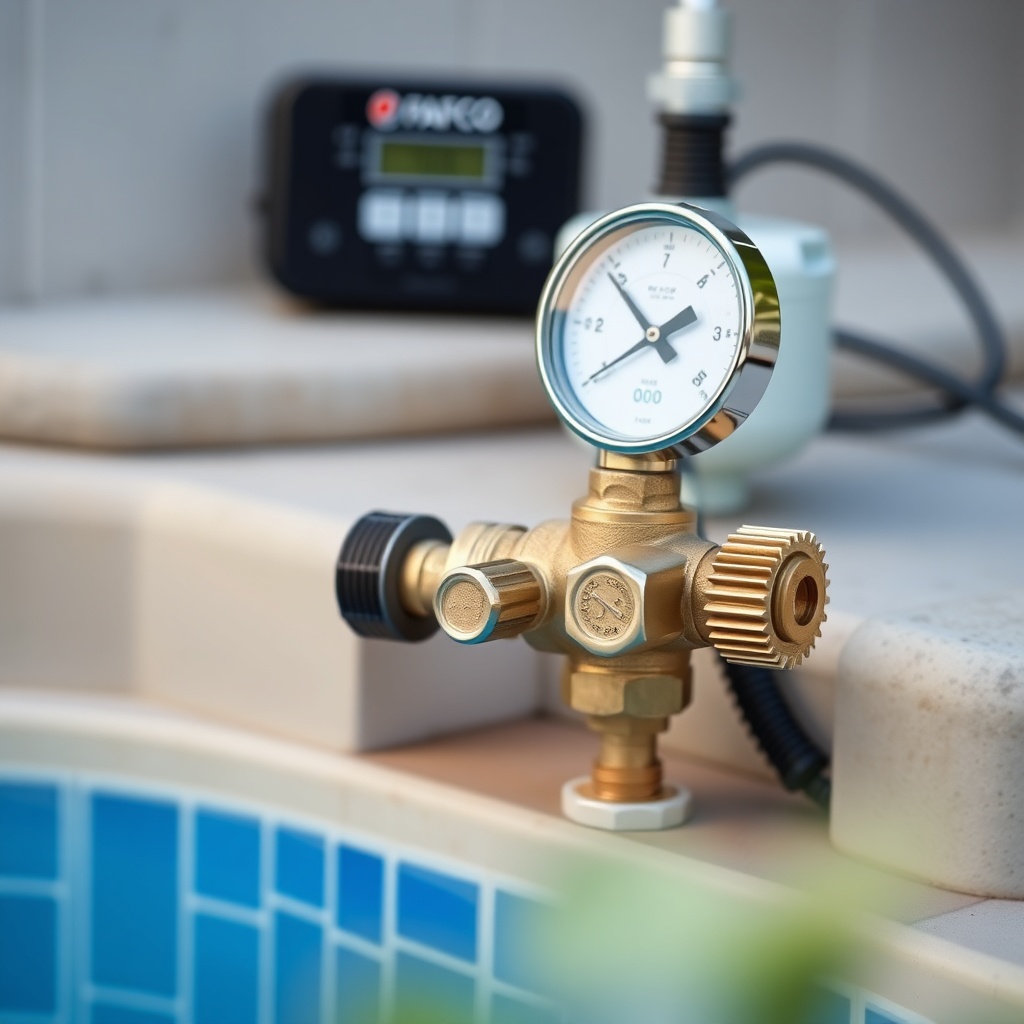
To diagnose, visually inspect all valve handles. They should be parallel to the pipe for open, perpendicular for closed. Listen for water flowing—a gurgling sound at a partially closed valve indicates turbulence and restriction. Turn all solar-specific valves full open. If you have a manual bypass valve, ensure it is in the “solar on” position. For automated systems, check the controller actuator: if the valve does not move fully when the system calls for heat, the actuator motor may be failing. In that case, refer to your Fafco Solar Bear Solar Controller Settings Guide for calibration steps.
What Owners Say About Fixing Low Flow
Many Fafco Solar Bear owners report that the most common low flow fix is simply cleaning the filter and purging air locks. One owner in Arizona noted that after a heavy monsoon, debris plugged the pump basket, dropping flow from 12 GPM to 3 GPM. Cleaning the basket restored full flow in 10 minutes. Another owner in Florida found that a partially closed check valve was the culprit—after opening it fully, the system heated the pool 45% faster. Some owners with larger arrays (six panels or more) have upgraded to a 1.5 HP pump, citing improved flow even with high lifts. A common refrain: “Check the basics first—filter, pump basket, and valves—before calling a pro.” Several owners also emphasize the importance of proper tilt angle for optimal flow; see Fafco Solar Bear Ground Mount Tilt Angle Optimization: Best Summer and Winter Settings for guidance.
Frequently Asked Questions
Q1: What is the normal flow rate for a Fafco Solar Bear system?
A: The typical flow rate should be between 2–4 gallons per minute (7.6–15.1 L/min) per collector panel. For a system with four 4×12 panels, expect around 8–16 GPM total at the return line.
Q2: How do I measure the flow rate on my Fafco Solar Bear?
A: Use a 5-gallon (19 L) bucket and a stopwatch. Collect water from the return line for 10 seconds, then multiply the volume by 6 to get GPM. For example, if you collect 1.5 gallons in 10 seconds, your flow is 9 GPM.
Q3: Can low flow damage my Fafco Solar Bear collectors?
A: Yes. Low flow can cause overheating (stagnation) in the panels, leading to warped plastic or glue failure on the absorber plates. The controller may also shut down if flow drops below safe limits.
Q4: Should I replace my pump if I have low flow?
A: Only after checking filters, valves, and air locks. If all are clean and open, and the pump is undersized for your panel count (e.g., 1/2 HP on six panels), a pump upgrade may be warranted. A variable-speed pump set to 2800–3200 RPM often works well.
Q5: How often should I clean the pump basket or filter?
A: Inspect the pump basket weekly during peak season. Clean the cartridge filter every 2–4 weeks in the summer. For sand filters, backwash when pressure rises 10 psi (69 kPa) above clean pressure.
Q6: Will an air lock fix itself over time?
A: Usually not. Air pockets are stubborn and require manual purging via the bleed valve. Running the pump with the valve open for 30 seconds is the most effective method. Prevent recurrences by sealing suction-side leaks.
If low flow persists after these steps, inspect the collector panels themselves. A cracked header or glue joint can leak air or water, reducing flow. Check the detailed guide on Fix a Leaking Fafco Solar Bear Collector Panel for repair methods.