What Causes a Generic Solar Pool Heater to Overheat?
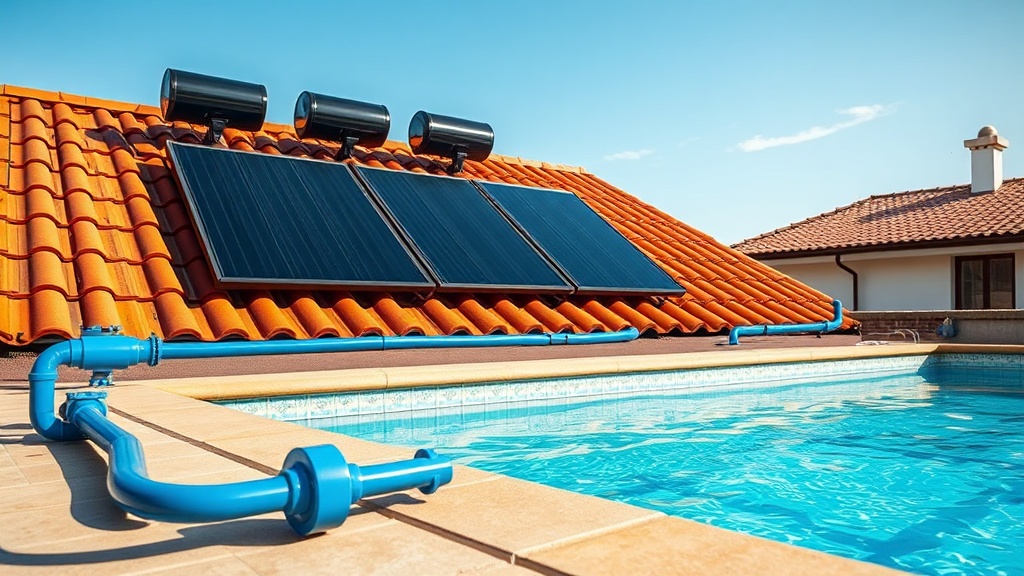
While Generic solar pool heaters are known for their reliability, excessive heat buildup can occur when the system is not properly balanced. Overheating typically arises when the collector absorbs more solar energy than the circulating water can effectively remove, often due to insufficient flow or a mismatch between collector area and pump capacity. Common culprits include a pump that is too small, clogged filters restricting flow, or a heat exchanger that is undersized for the pool volume, leading to stagnant, superheated water that can damage system components.
When the water temperature inside the collector rises above 140°F (60°C), the polypropylene panels may begin to distort, and internal pressure increases, risking leaks or burst headers. This issue is more prevalent in high-sun climates where the pool is not used daily, causing the water to sit in the collectors without adequate circulation. To prevent this, How to Size a Solar Pool Heat Exchanger to Match Your Pump Flow is a key resource for ensuring that the flow rate matches the collector’s surface area.
How Can Poor Pump Flow Lead to Overheating in a Generic System?
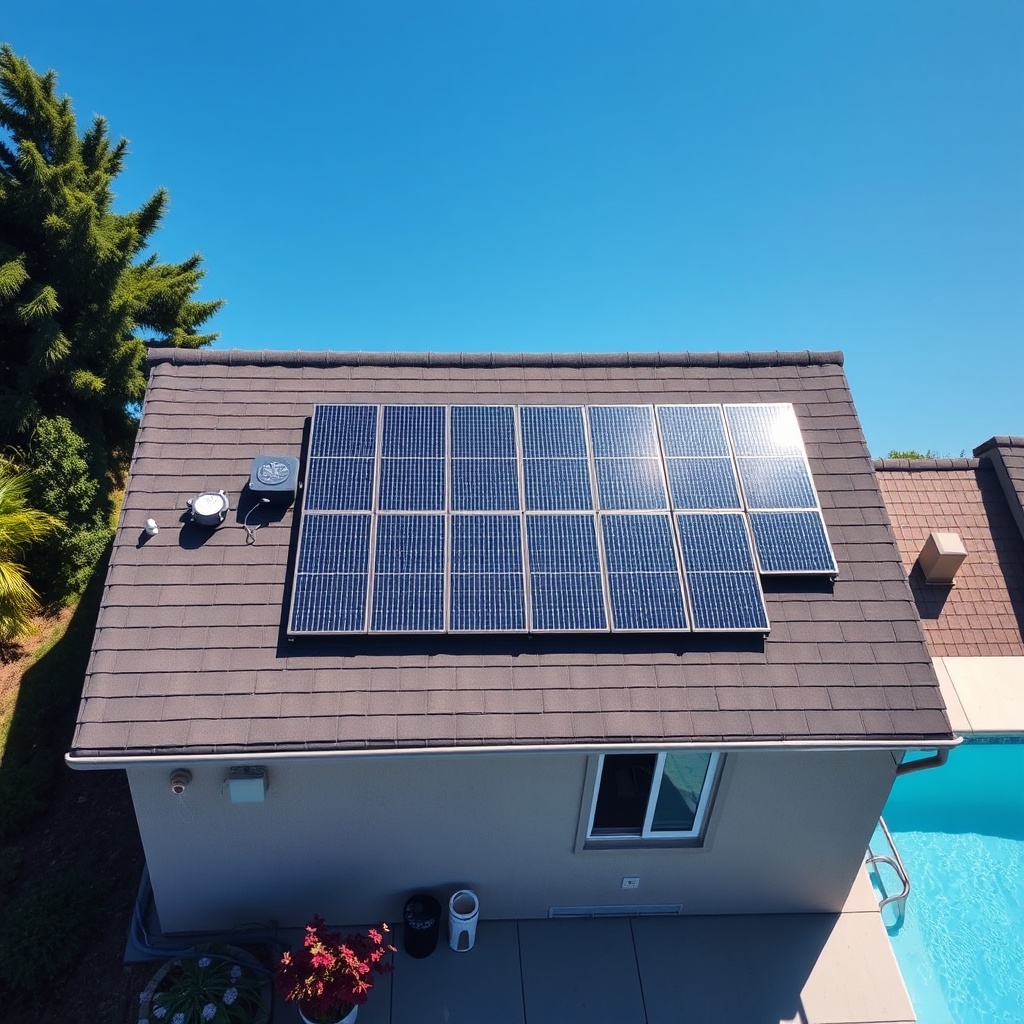
The most direct cause of overheating in Generic systems is inadequate water flow through the collectors. Every Generic solar pool heater requires a specific gallons per minute (GPM) range to function correctly; if the pump delivers too little flow, the water absorbs heat faster than it can be carried away, leading to temperature spikes. For example, a 4’x12′ Generic collector panel typically needs 4–6 GPM, and a bank of four panels would require 16–24 GPM. If the pump only delivers 10 GPM, the water will heat up rapidly and may exceed safe operating limits.
Pump sizing errors are common among DIY installers who underestimate the head loss from long pipe runs or elevation changes. A pump that is too small for the collector array not only risks overheating but also reduces heating efficiency. To diagnose this, check the pressure gauge on the filter: if it is lower than the pump’s rated output, or if you hear cavitation noises, you likely have a flow issue. For a detailed breakdown of flow requirements, consult the Generic Solar Pool Heater Pump Requirements: GPM Guide for Optimal Performance.
Additionally, a partially closed valve or a dirty pre-filter can restrict flow just enough to cause overheating without completely stopping circulation. Regular maintenance of the pump basket and skimmer is essential, as even a small blockage can reduce flow by 20–30%.
What Role Do Clogged Filters Play in Generic Solar Pool Heater Overheating?
Clogged filters are one of the most overlooked factors in solar pool heater overheating. When the filter becomes saturated with debris, the pressure differential increases, which reduces the flow rate to the Generic collector panels. Even a clean filter can cause issues if it is undersized for the pump’s flow capacity. In systems with cartridge filters, a dirty element can cut flow by half, causing the water temperature in the collectors to rise dangerously high.
To check for this, monitor the pressure gauge on the filter: if it reads 8–10 psi higher than the clean filter baseline, backwash or clean the filter immediately. In Generic systems, it is recommended to clean the filter every two weeks during peak solar months. A visual inspection of the filter element can reveal if it is caked with algae or debris, which reduces flow and forces the pump to work harder. If the pump struggles to prime after cleaning, the issue may be elsewhere, such as an air leak in the suction line.
For a step-by-step guide on removing air from the system after filter maintenance, refer to How to Vacuum Bleed Air from Solar Pool Collectors: A Step-by-Step DIY Guide. Air in the system can further impede flow and exacerbate overheating.
How Do Ambient Conditions Affect Generic Solar Pool Heater Performance?
External factors such as ambient temperature, wind speed, and cloud cover play a significant role in how the Generic system manages heat. On a 95°F (35°C) day with zero cloud cover, the collectors can absorb intense thermal energy, and if the pool water is already warm (above 85°F or 30°C), the delta between incoming water and collector temperature narrows, reducing heat transfer efficiency. This can lead to stagnation, where the water inside the collectors heats up faster than it can be dissipated.
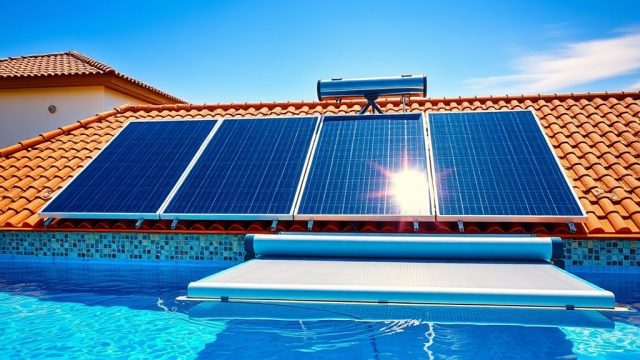
Wind acts as a natural coolant for the collectors, but on calm, hot days, convective cooling is minimal, and the panel temperature can spike. Generic collectors are designed with ribbed surfaces that help shed heat, but in extreme conditions, thermal expansion can cause the panels to warp. Additionally, if the pool is covered with a solar blanket during the day, the water may already be hot when it enters the collectors, raising the risk of overheating. In such scenarios, using a thermostat or manual bypass valve to shut off flow to the collectors when the pool water is already warm can prevent damage.
Comparing overheating severity based on weather conditions helps in planning system usage. The table below outlines the risk levels for Generic systems under different environmental scenarios.
| Weather Condition | Ambient Temp | Collector Temp Risk | Recommended Action |
|---|---|---|---|
| Clear, calm, hot | 95°F+ | High (140°F+) | Bypass collectors or reduce flow |
| Clear, windy, hot | 95°F+ | Moderate (120–140°F) | Monitor system, check flow |
| Partly cloudy, warm | 80–90°F | Low (100–120°F) | Normal operation |
| Overcast, cool | 60–70°F | Minimal (<100°F) | System may not be needed |
Note that continuous operation in high-risk conditions without flow adjustment can lead to permanent panel damage.
Can a Mismatched Collector Size and Pool Volume Cause Overheating?
Yes, a fundamental cause of overheating is installing too many collector panels for the pool size or vice versa. Generic collectors are typically sized to heat the pool within a specific surface area ratio—usually 50–80% of the pool surface area. If you install a 6-panel array on a 10,000-gallon pool that only requires 4 panels, the excess collector surface can superheat the water, especially on a hot day. Conversely, if the pool is too large for the collector array, the system may never reach optimal temperature, but the water passing through can still overheat if the flow rate is low.
For instance, a 20’x40′ pool with 15,000 gallons should have roughly 400 square feet of collector area (about 8 standard Generic 4’x12′ panels). Installing 12 panels would double the risk of overheating without proportional flow increases. The solution is to size the collector array to match the pool’s heating demands and ensure the pump can handle the combined head loss. The article Generic Solar Pool Heater Buying Guide: What to Look For provides detailed formulas for calculating the correct number of panels based on pool size and sunlight hours.
Another factor is the orientation of the collectors. South-facing, unshaded panels in summer can produce up to 2,000 BTUs per square foot per day, which if not balanced with flow, leads to rapid temperature rise. Using a solar controller that turns off circulation when the water temperature exceeds a set point (e.g., 95°F for pool water) can mitigate this, but manual intervention is still needed if the controller fails.
What Owners Say About Generic Solar Pool Heater Overheating Issues
Pool owners who have experienced overheating with Generic systems report several common themes. Many note that the problem first appears as hot water coming from the returns that feels too warm to swim in, often accompanied by a strong smell of heated plastic. One owner from Arizona stated, “I installed six panels on my 12,000-gallon pool, and on 100°F days, the water coming back was 115°F. I had to install a bypass valve to divert some flow around the collectors.” Another user from Florida mentioned, “The filter clogged with pollen, and within an hour, the panels were steaming. I cleaned the filter and the problem stopped.”
Another frequent observation is that the pump strainer basket warps or melts due to the high return water temperature. Several owners advise installing a check valve on the return line to prevent hot water from backing up into the pump when the system is off. One DIY enthusiast shared, “I solved my overheating by upsizing the pump from 1 HP to 1.5 HP and adding a flow meter. Now I see 20 GPM consistently, and the water temp is stable at 88°F.” The consensus is that overheating is preventable with proper flow management and routine filter maintenance.
Frequently Asked Questions
1. What temperature is considered overheating for a Generic solar pool heater?
Overheating is generally considered when the water temperature inside the collectors exceeds 140°F (60°C). At this point, the polypropylene panels can deform, and internal pressure may cause leaks. For the pool itself, water above 95°F (35°C) is often uncomfortable and indicates system imbalance.
2. How do I manually bypass my Generic solar collectors to prevent overheating?
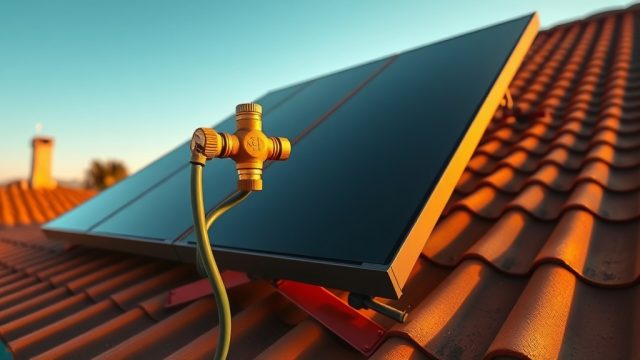
Most Generic systems have a three-way valve on the supply line. Turn the valve handle to divert water away from the collectors and directly to the pool returns. This stops flow through the panels, preventing stagnation. Ensure the pump is off before adjusting the valve to avoid water hammer.
3. Can a solar controller automatically shut down the Generic system during overheating?
Yes, many solar controllers have a high-temperature limit setting. Program it to shut off the circulation pump when the collector temperature exceeds 140°F or when the pool water reaches your desired maximum, typically 90–95°F. This provides automatic protection.
4. Why does my Generic system overheat more on clear days than cloudy ones?
On clear days, solar irradiance is higher, delivering more energy to the collectors. Without cloud cover or wind to aid cooling, the water inside the panels heats faster. Cloudy days reduce energy input, so the temperature rise is slower and less likely to reach dangerous levels.
5. How can I test if my pump flow is sufficient for my Generic collectors?
Use a flow meter or bucket test: time how long it takes to fill a 5-gallon bucket from the return line. Then, calculate GPM (gallons divided by seconds, multiplied by 60). Compare this to the minimum flow requirement for your collector array, which is typically listed in the owner’s manual or the GPM guide mentioned earlier.
6. What are the signs of permanent damage from overheating in Generic panels?
Look for warping of the panel headers, cracks along the ribs, or discoloration (yellowing or brown spots). The plastic may feel soft or sticky to the touch. If the panel leaks or has visible distortion, it likely needs replacement. Regular inspection after hot days helps catch issues early.