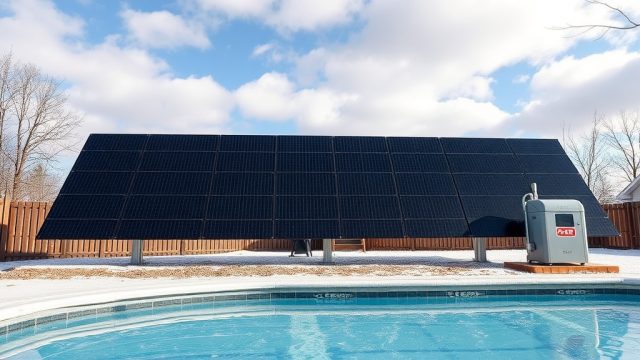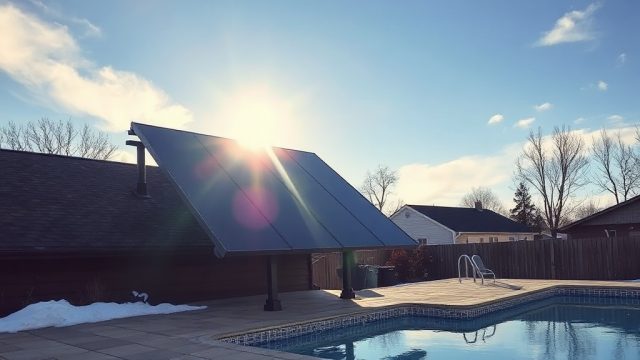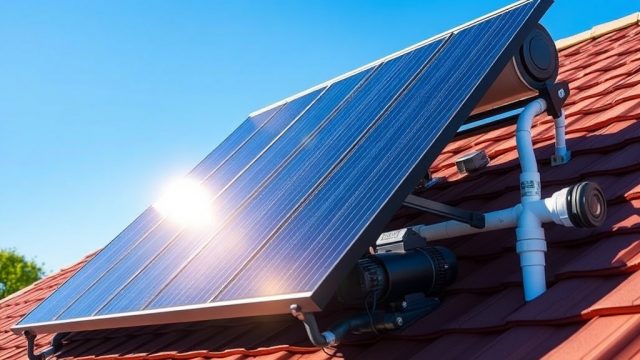
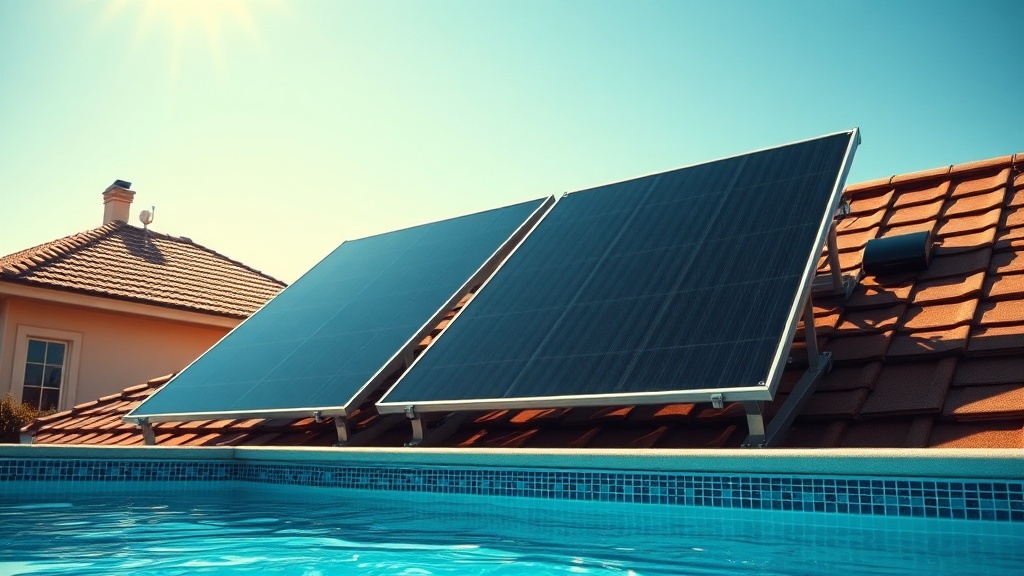
Why Winterizing Your SunStar Solar Pool Heater Is Essential
As temperatures drop, the water inside your SunStar solar pool heater can freeze, expand, and cause permanent damage to the collector panels, plumbing, and controller. Proper winterization is not optional—it is a critical step to protect your investment and avoid costly repairs totaling hundreds or even thousands of dollars. This guide walks through every freeze protection procedure for your SunStar system, ensuring it remains in peak condition for the next swimming season.
SunStar solar pool heaters are built with durable polypropylene or EPDM rubber panels, but they remain vulnerable to ice damage if water is left trapped. By following these steps, homeowners across the United States can extend system life and maintain consistent heating performance year after year.
What Are the First Signs That Freeze Protection Is Needed?
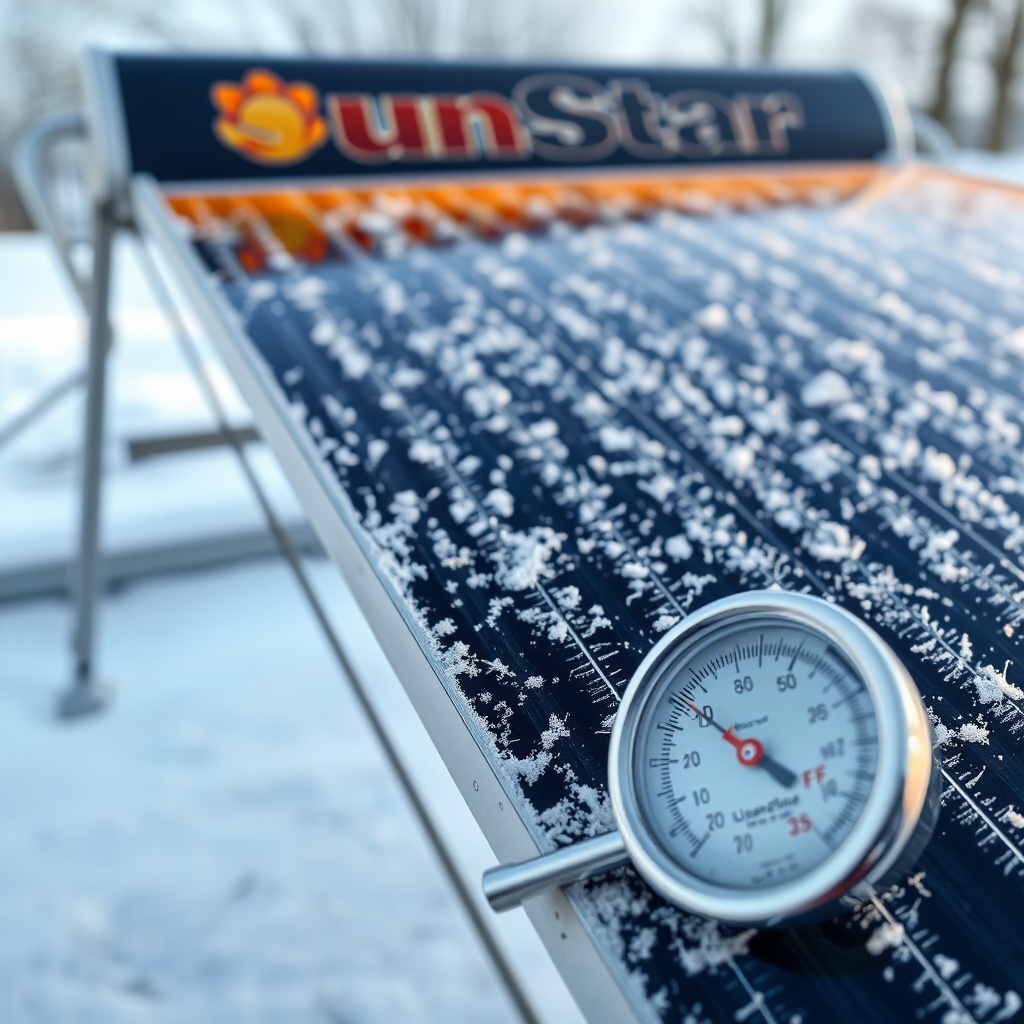
Before winter arrives, monitor local weather forecasts and water temperature. When overnight lows consistently fall below 40°F (4°C), it is time to act. Early indicators include:
- Temperature readings from your SunStar controller showing nighttime drops below 38°F.
- Visible frost on the collector panels during early morning hours.
- Reduced water flow through the system as viscosity increases.
Do not wait until a hard freeze is imminent. Once water solidifies inside the panels, expansion forces can crack headers or split absorber sheets. Repair costs for a single SunStar panel often exceed $250, making prevention far more economical.
For more detailed performance checks outside winter, refer to the SunStar Solar Pool Heater Not Heating? Troubleshooting Steps article.
How Do You Drain a SunStar Solar Pool Heater Correctly?
Draining is the core of winterization. The process depends on whether your system uses gravity drainage or a positive-pressure drain-down valve. Follow these steps for a typical residential setup:
- Turn off the pump and the SunStar controller. Disconnect power to avoid accidental startup.
- Open the air vent valves located at the highest point of the collector panels. This allows air to enter and displace water.
- Locate the drain valves at the lowest points of the supply and return pipes. Open them fully.
- Wait for complete drainage—this can take 10 to 30 minutes. All water should exit the panels and piping.
- Close the drain valves and leave the air vents open until spring to prevent condensation buildup.
If your SunStar system includes a freeze-protection controller, it may have an automatic drain-down cycle. Check the display for any error codes after draining. For pump compatibility, see the SunStar Solar Pool Heater Pump Requirements: GPM Guide.
What Is the Correct Procedure for Blowing Out Lines?
For installations where gravity drainage is incomplete—particularly in flat roof or ground-mount setups—compressed air blowout is necessary. Use a shop vac or air compressor with a pressure regulator set below 30 PSI to avoid damaging the panels.
- Attach the blowout adapter to the supply side of the system.
- Blow air through until only mist exits the return line. Continue for 10–15 seconds after mist disappears.
- Repeat for each panel if the system has multiple collectors plumbed in parallel.
- Check for remaining water by tilting panels gently (if roof-mounted, skip this for safety).
Blowout is especially important when using EPDM rubber panels, which can trap water in small dimples. Failure to clear all moisture may result in localized ice expansion damage.
How Should You Store Flexible SunStar Panels?
If your SunStar system uses removable or flexible panels—common for seasonal installations—proper storage extends the lifespan significantly. Follow this table for storage best practices:
| Panel Type | Storage Temperature Range | Recommended Method | Cost to Replace (2025 USD) |
|---|---|---|---|
| Polypropylene rigid | –10°F to 110°F | Leave in place, drained and covered | $350–$600 per panel |
| EPDM rubber flexible | 20°F to 100°F | Disconnect, roll loosely, store indoors | $200–$400 per panel |
| Hybrid (ABS/PP) | 0°F to 100°F | Drain fully, tilt to 45° if permanent | $450–$700 per panel |
Polypropylene rigid panels can withstand moderate freeze cycles if fully drained, but EPDM rubber panels degrade faster when exposed to repeated freeze-thaw cycles. Always store flexible panels in a dry location where temperatures remain above 32°F. For tilt angle guidance during winter months, read Optimal Tilt Angle for SunStar Solar Pool Heater: Summer vs Winter Settings.
How Do You Protect the SunStar Controller and Sensor?
The electronic controller and temperature sensors are sensitive to moisture and extreme cold. Even if the panels are drained, electronics must be safeguarded:
- Disconnect the controller from its mounting bracket and bring it indoors if possible. Store in a climate-controlled area.
- Cover the sensor leads with dielectric grease to prevent corrosion from condensation.
- Seal exposed wire connectors using waterproof electrical tape or heat-shrink tubing.
- Reinstall the controller only after all danger of frost has passed in spring.
If you cannot remove the controller, place a weatherproof cover over it, leaving ventilation to prevent trapped moisture. For programming steps when reinstalling, see the SunStar Solar Pool Heater Controller Programming Instructions.
What Do Owners Say About Winterization?
SunStar owners consistently emphasize two points: draining completely and not rushing the process. One homeowner in Colorado reported that after a mild winter, he skipped blowout and found cracked headers in spring, costing him $875 in repairs. Another owner in New York states that using a freeze-protection valve kit saved her three consecutive winters without issues.
A common praise point: the system’s controller provides clear freeze alerts, but owners recommend verifying with a manual check. Many also note that flexible EPDM panels are easier to winterize if stored indoors, while rigid panels require careful draining on flat roofs. A pool service technician in Minnesota advises adding a shutoff valve at the collection point to isolate the heater from the main pump during winter.
For proper sizing before purchase, review the Sizing a SunStar Solar Pool Heater for Your Pool guide.
Frequently Asked Questions
- Can I leave water in my SunStar panels over winter?
No. Even with freeze protection, standing water expands when frozen and will damage your panels. Always drain thoroughly. - What temperature triggers freeze damage in SunStar heaters?
Water freezes at 32°F, but damage can occur at temperatures below 38°F if water is stagnant and pipes are exposed. Act before frost forms. - Do I need professional help to winterize?
Most homeowners can drain and blow out lines themselves. However, if your system is on a steep roof or uses complex plumbing, hire a certified solar pool heater installer. - How long does the winterization process take?
Typically 30 minutes to 1 hour for drainage plus 20 minutes for blowout. Storing flexible panels adds another 30 minutes. - Will leaving the controller on prevent damage?
No—the controller activates the pump for freeze protection, but if power fails or pump stops, water freezes. Manual drain-down is the only reliable method. - What should I do if I discover ice inside a panel after winter?
Do not run the pump. Wait for natural thaw, then inspect for cracks or leaks. If damaged, replace the panel before operating the system.