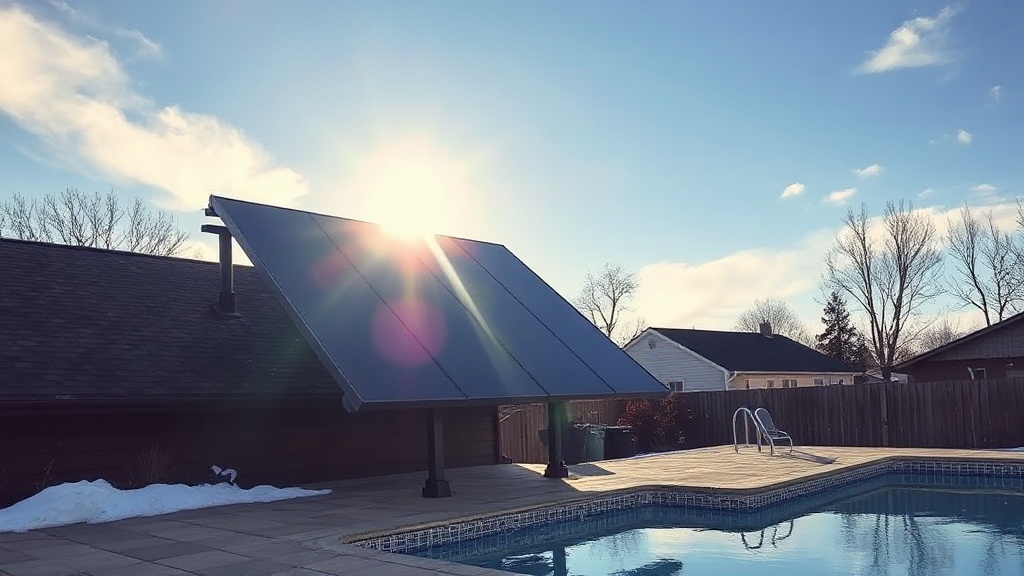
Fafco Solar Bear Mounting Tilt Angle Optimization: Best Winter Settings for Maximum Heat Gain
When winter reduces solar intensity, the angle of your Fafco Solar Bear panels becomes the single most important factor in capturing heat. Even a few degrees off the optimal winter tilt can slash thermal output by 15–25%, leaving your pool several degrees colder than desired. This article provides data-backed angle recommendations, seasonal adjustments, and real owner insights to maximize heat gain throughout the colder months.
What is the Ideal Winter Tilt Angle for a Fafco Solar Bear Array?
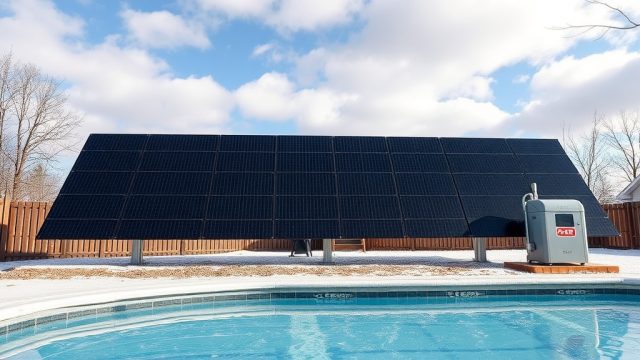
For winter operation, the optimal tilt angle is your latitude plus 15 degrees. This steeper angle compensates for the sun’s lower arc across the sky, ensuring that sunlight strikes the panels closer to perpendicular. For example, if you live at 40° N latitude (e.g., Philadelphia, PA), set your Fafco Solar Bear panels to a 55° tilt for December through February. In southern regions like Orlando, FL (28.5° N), a winter tilt of approximately 43.5° is ideal.
A study by the U.S. National Renewable Energy Laboratory (NREL) shows that a latitude-plus-15 tilt can increase winter solar capture by up to 40% compared to a flat or summer-optimized angle. For Fafco Solar Bear owners, this translates to water temperature gains of 3–7 °F per sunny day, depending on panel count and flow rate.
If your roof pitch doesn’t allow custom tilt, consider adding adjustable aluminum standoffs or a Fafco Solar Bear Ground Mount Installation: A Step-by-Step Guide to achieve the ideal winter angle.
How Does Tilt Angle Affect Heat Gain at Different Times of Day?
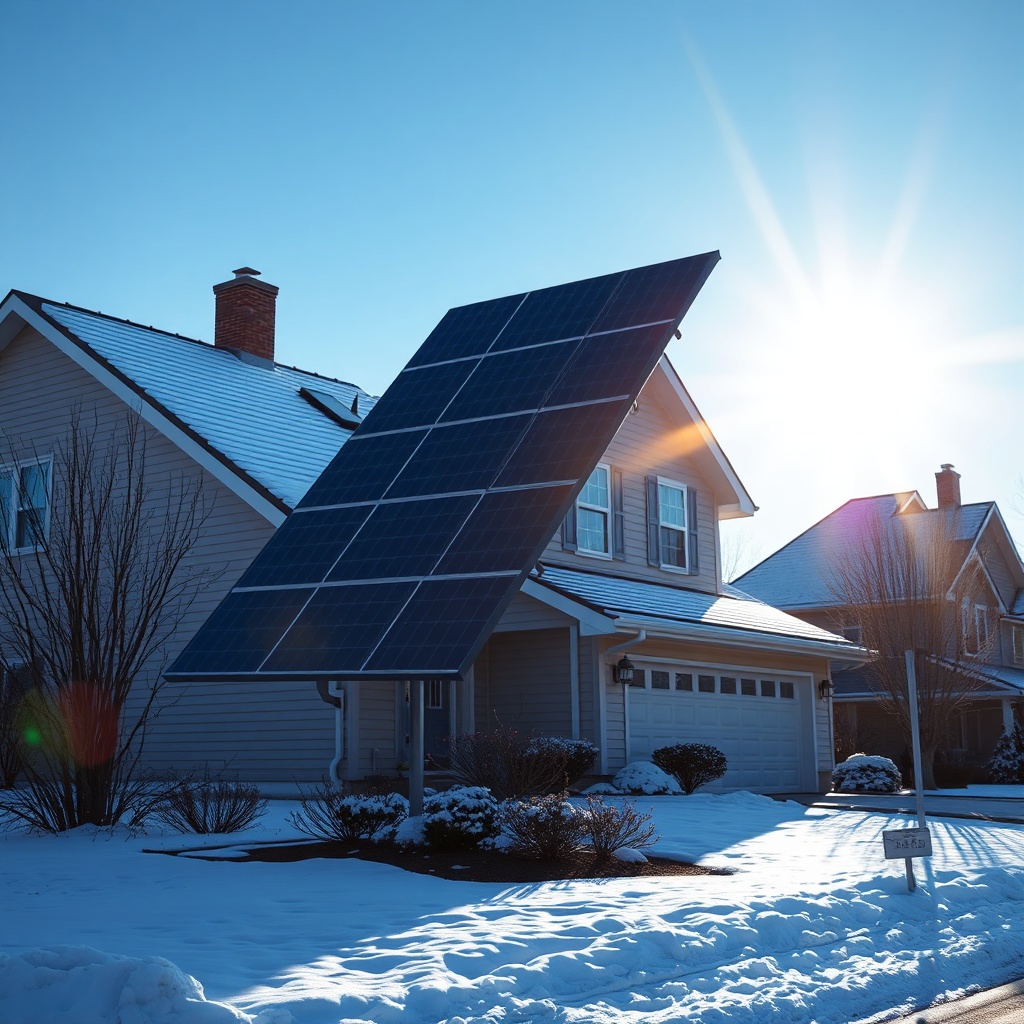
Winter days are short, so capturing early-morning and late-afternoon sun is critical. A steeper tilt (latitude +15°) elongates the peak collection window. At 10:00 AM and 2:00 PM, the sun is lower, and a flat panel receives significantly less radiation. A South-facing 55° tilt can deliver 30–50% more heat during these shoulder hours compared to a 30° summer tilt.
- Morning (8–10 AM): Steeper tilt reduces reflection losses, capturing up to 60% of available solar energy.
- Midday (10 AM–2 PM): Both angles work, but the winter-optimized tilt still outperforms by 10–15%.
- Afternoon (2–4 PM): Similar benefit as morning; overall daily gain increases by 20–35%.
Owners who manually adjust angles twice per year often report that winter settings alone add 4–6 additional degrees to pool water temperature. If you have a Fafco Solar Bear Automation System Integration: Controllers and Timers, you can program the pump to run during the most productive midday window when tilt is optimal.
What is the Recommended Seasonal Adjustment Schedule for Maximum Heat?
To keep your Fafco Solar Bear array at peak performance, adjust tilt four times per year. Below is a recommended schedule based on typical U.S. climates:
| Season | Months | Optimal Tilt Angle | Approx. Heat Gain Improvement vs. Fixed 30° |
|---|---|---|---|
| Winter | Dec–Feb | Latitude + 15° | 30–45% |
| Spring | Mar–May | Latitude | 15–25% |
| Summer | Jun–Aug | Latitude – 15° | 10–20% (reduces overheating) |
| Fall | Sep–Nov | Latitude | 15–25% |
For owners in mild climates (e.g., Southern California, Florida), adjusting to winter tilt in November and back in February is sufficient. Those in colder zones (Northeast, Midwest) should consider a steeper tilt (latitude +20°) if snow accumulation is frequent, as it promotes faster shedding.
If you cannot adjust tilt, a Fafco Solar Bear Ground Mount Tilt Angle Optimization: Best Summer and Winter Settings guide provides instructions for ground-mounted arrays where angle changes are easier.
How Does Roof Pitch Limit Tilt Options for Fafco Solar Bear Panels?
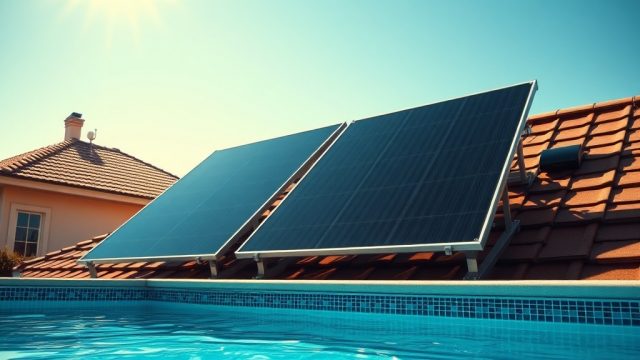
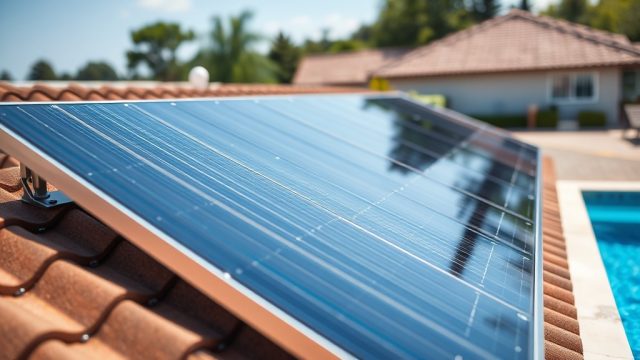
Most residential roofs have a fixed pitch between 20° and 45°. If your roof’s pitch is already close to the winter-optimal angle (e.g., a 45° pitch at 30° N latitude), you may only need minor adjustments. However, if your roof is flat or low-pitch (5–15°), winter performance will suffer significantly without tilt brackets.
- Flat roof: Use adjustable aluminum risers to achieve 35–55° tilt. Cost is typically $80–$150 per panel (USD).
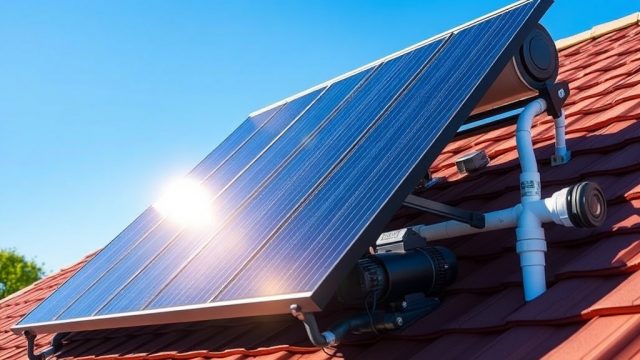
- Low-pitch roof (15°): Install tilt brackets that raise the panel to 45–55°. Expect hardware costs of $50–$100 per panel.
- Steep roof (45°+): May be too steep for safe winter tilt adjustment; consider fixing panels at latitude +5° for a compromise.
Ground mounting is an alternative for roofs with insufficient pitch. Many owners find that a simple Fafco Solar Bear Ground Mount Installation: A Step-by-Step Guide yields better flexibility and year-round performance, especially in snowy regions.
What Owners Say About Winter Tilt Adjustments
Fafco Solar Bear owners who adjust tilt for winter report consistently higher water temperatures and longer swimming seasons. One owner from Colorado (38° N) said: “After raising my panels to 53° in November, my pool stayed at 82 °F through February, while neighbors with fixed panels struggled to hit 74 °F. The extra $200 for adjustable mounts paid for itself in one winter.”
Another owner in Texas (32° N) noted: “I used to get frustrated that my solar system did little from December to February. Once I set the panels at 47°, I gained 5 °F more on sunny days. I also installed a Fafco Solar Bear Vacuum Break Installation Guide: Prevent Siphon Damage to protect the system during freezing nights.”
Owners in northern states (New York, Minnesota) emphasize pairing winter tilt with efficient pump operation. They recommend running the pump only during the 4–5 hour solar window. If you experience low flow issues, check our Fafco Solar Bear Low Flow Rate: Causes and Fixes guide to ensure panels receive adequate circulation.
Frequently Asked Questions
1. Can I leave my Fafco Solar Bear panels at the same angle year-round?
Yes, but you will sacrifice 20–40% of potential winter heat gain. Fixed-angle panels are often set to latitude, which is a compromise. For maximum heat in winter, seasonal adjustment is strongly recommended.
2. What tools do I need to adjust the tilt on my Fafco Solar Bear panels?
Most adjustable frames require only a socket wrench and a level. For Fafco’s proprietary mounting kits, a 10mm Allen key is included. Always check the manufacturer’s instructions for torque specifications.
3. Will a steeper winter tilt help with snow shedding?
Yes. A tilt of 50–60° allows snow to slide off naturally, preventing snow load damage and restoring heat collection faster. Combine with a dark absorber coating for faster melting.
4. Does tilt angle affect water flow resistance?
No, tilt angle has minimal impact on hydraulic resistance. However, if panels are steeply tilted, ensure your pump’s pressure remains within spec. Consult our Generic Solar Pool Pump Sizing for Fafco Solar Bear Systems guide for proper pump sizing.
5. How much does it cost to install adjustable tilt brackets for a Fafco Solar Bear system?
For a 4-panel array, expect $200–$400 (USD) for brackets and labor. DIY adjustments can reduce cost to under $150. Many owners recoup this investment within 2–3 winters from reduced heating bills.
6. Is a steeper tilt more susceptible to wind damage?
Generally, yes. Steeper panels catch more wind. Use adequate anchors and consider installing wind deflectors if you live in a high-wind zone. Professional installation is recommended for areas prone to severe storms.