Introduction
When installing a SunStar Solar Pool Heater, the tilt angle of the collectors is often the most overlooked adjustment, yet it directly determines how much heat your pool receives throughout the year. A fixed-angle mount may work well in summer but can lose significant efficiency during winter shoulder months. This guide breaks down the optimal tilt angles for summer versus winter settings, factoring in your latitude and typical usage patterns, so you can fine-tune your SunStar panels for maximum BTU output all season long.
What is the Optimal Tilt Angle for a SunStar Solar Pool Heater in Summer?
During summer, the sun is high in the sky, so a shallower tilt angle captures more direct radiation. For the SunStar solar pool heater panels, the recommended summer tilt is your latitude minus 10 to 15 degrees. For example, if your pool is in Los Angeles (latitude 34°N), set the panels at 19° to 24° from horizontal. This helps the collector surface stay perpendicular to the sun’s rays during peak heating hours (10 a.m. to 4 p.m.), maximizing heat gain when you need it most—typically between 80°F and 88°F pool temperature.
When adjusting the tilt, also consider SunStar Solar Pool Heater Pump Requirements: GPM Guide to ensure flow remains adequate at steeper angles. A panel tilted too flat in summer can also trap debris, reducing efficiency.
What is the Optimal Tilt Angle for a SunStar Solar Pool Heater in Winter?
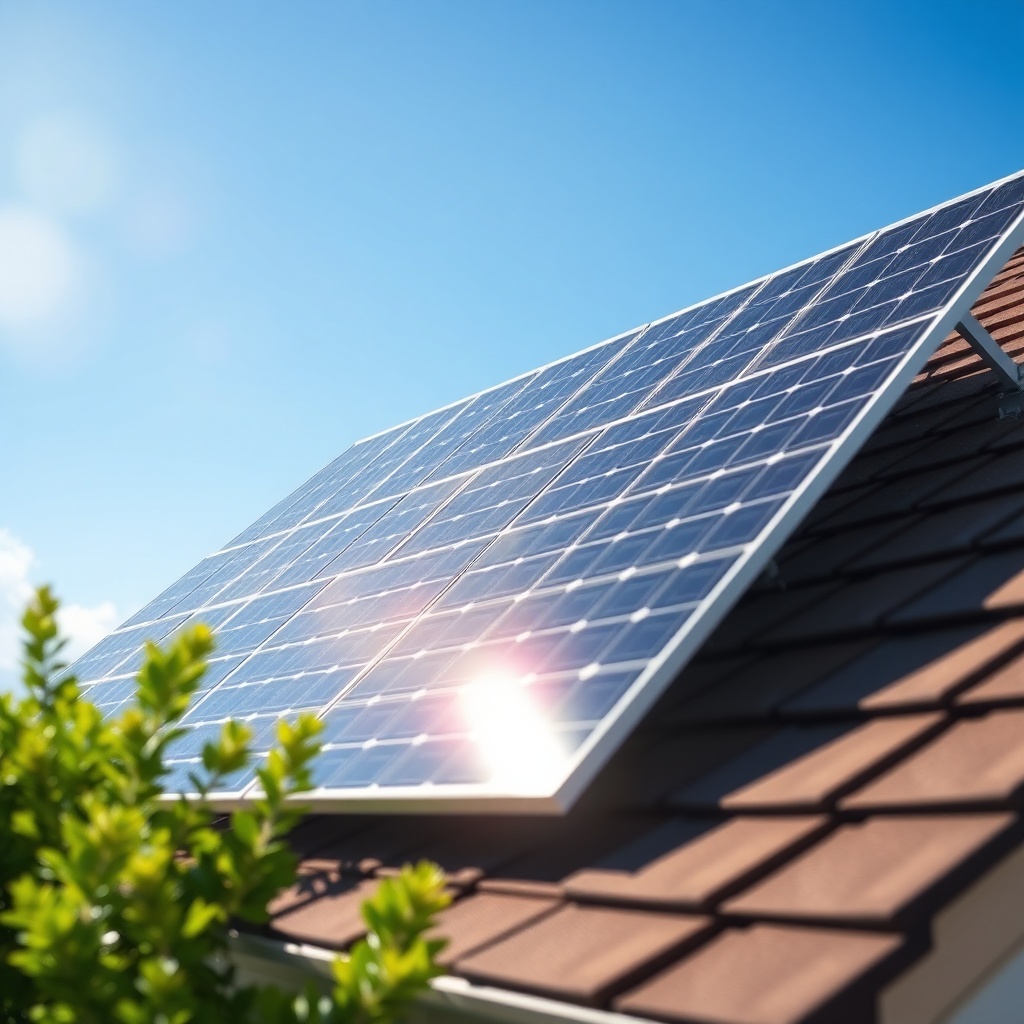
For winter operation, when the sun arcs lower across the sky, panels need a steeper angle to capture oblique sunlight. The general rule is your latitude plus 10 to 15 degrees. Returning to the Los Angeles example (34°N), a winter tilt of 44° to 49° is ideal. This steeper angle also helps shed snow or rain more effectively, reducing standing water that can cool the panels.
However, winter heating is less common for pools in mild climates. If you use your pool year-round, you may want adjustable roof mounts that allow seasonal re-aiming. The SunStar controllers can also be programmed to run the pump only when solar gain is available, reducing heat loss—details in SunStar Solar Pool Heater Controller Programming Instructions.
How Does Latitude Affect the Tilt Calculation for SunStar Panels?
Latitude is the single most important factor in tilt angle calculation. Here’s a quick reference table for common U.S. pool latitudes:
| Location (City) | Latitude (N) | Summer Tilt (Lat – 15°) | Winter Tilt (Lat + 15°) | Fixed Year-Round Tilt (Lat x 0.9) |
|---|---|---|---|---|
| Miami, FL | 25.8° | 10.8° | 40.8° | 23.2° |
| Dallas, TX | 32.8° | 17.8° | 47.8° | 29.5° |
| San Francisco, CA | 37.8° | 22.8° | 52.8° | 34.0° |
| Seattle, WA | 47.6° | 32.6° | 62.6° | 42.8° |
| Phoenix, AZ | 33.4° | 18.4° | 48.4° | 30.1° |
If you cannot adjust seasonally, a fixed tilt equal to your latitude times 0.9 offers a good compromise, sacrificing about 10% annual efficiency. Always check local building codes, as some areas restrict panel tilt over 45 degrees for wind load reasons.
What Roof Mounts Work Best for Adjusting Tilt on a SunStar Heater?
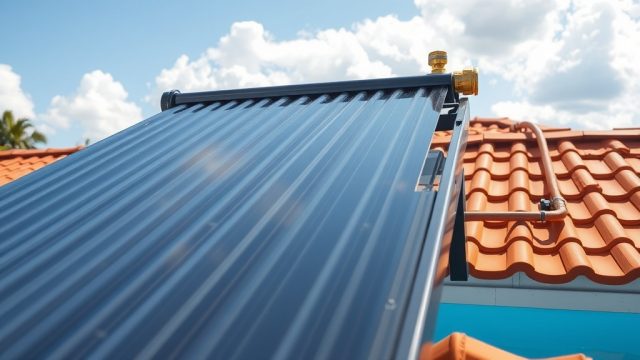
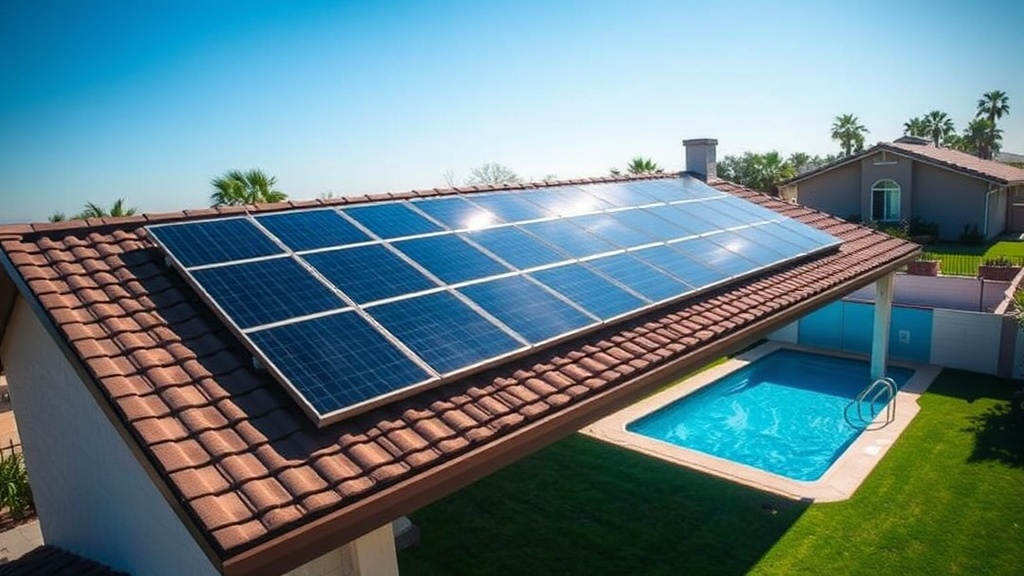
SunStar panels are compatible with standard aluminum or stainless steel roof mounts that allow tilt adjustments. The most practical options include adjustable tilt brackets (0° to 60°), universal Z-clips for flat roofs, and ballasted frames for ground mounts. For seasonal adjustment, choose mounts with easy-turn wing nuts or slotted rail systems so you can shift the angle without heavy tools.
Proper mounting also affects pump operation. A panel tilted too steep may require higher head pressure, so revisit the SunStar Solar Pool Heater Pump Requirements: GPM Guide to avoid cavitation or flow restriction.
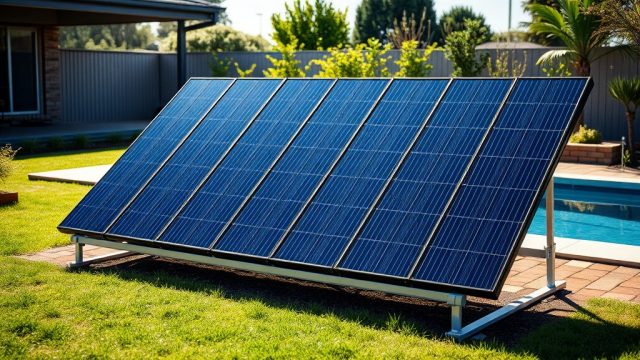
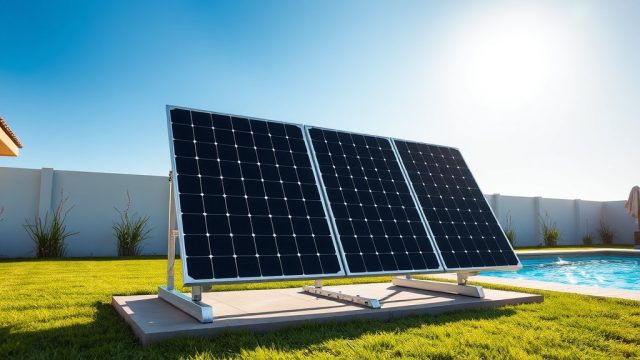
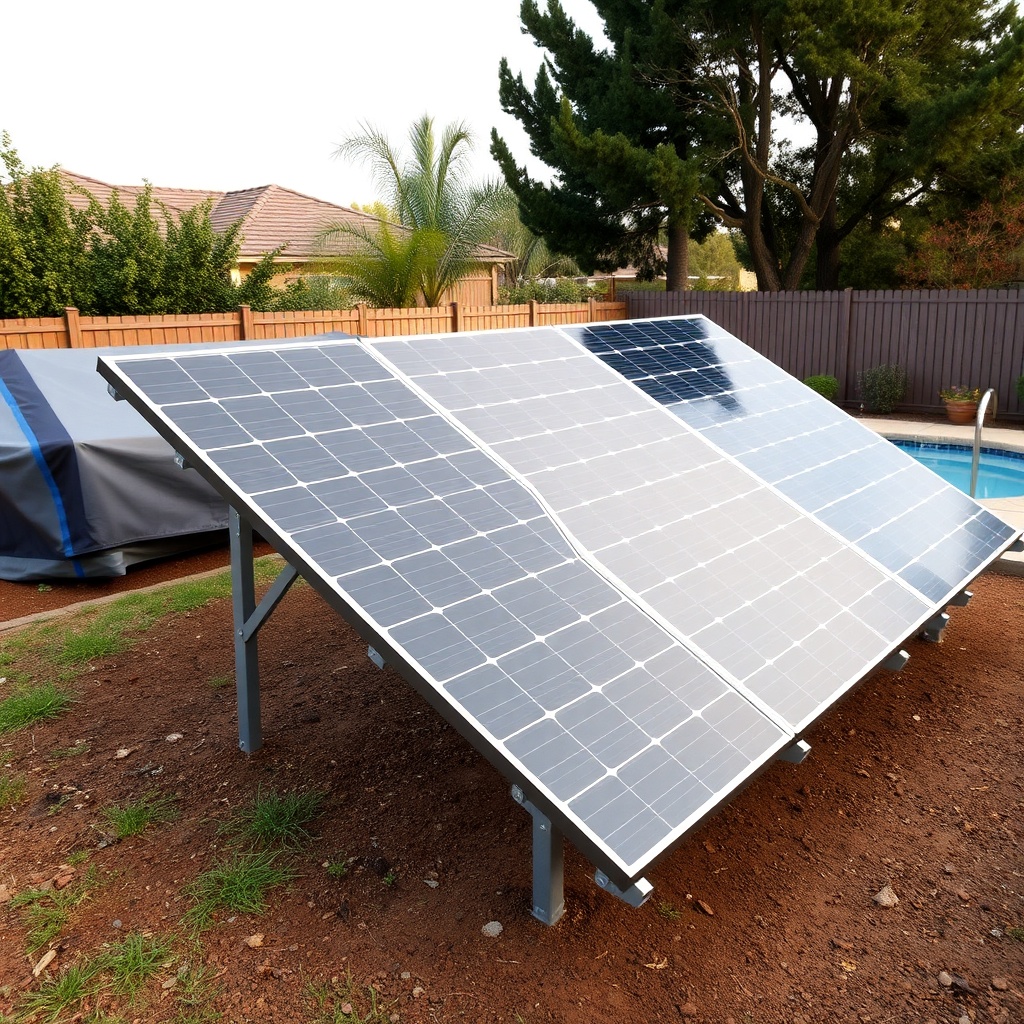
If you have limited roof space, consider a ground-mounted array on a simple A-frame, which makes seasonal tilt changes much easier. Ensure the mounts are rated for the total weight of water-filled panels (about 4 to 6 lbs per square foot).
What Owners Say About Tilt Adjustments for SunStar Solar Pool Heaters
SunStar owners frequently report that seasonal tilt adjustments yield a tangible 15% to 25% increase in water temperature during spring and fall. “I adjusted my panels from 20° in July to 45° in October, and my pool stayed at 82°F instead of dropping to 76°F,” shared a user from Denver. Another owner in Phoenix noted that fixed tilt at 30° worked year-round but required running the pump 30 minutes longer in winter. Many recommend labeling your mount with marking tape so you can repeat the angles each season.
For more detailed feedback on performance, read the SunStar Solar Pool Heater Not Heating? Troubleshooting Steps article to resolve common issues patrons mention.
Frequently Asked Questions
Q1: Can I use the same tilt angle for both summer and winter without adjustment?
Yes, a fixed tilt at your latitude times 0.9 works, but you lose about 10% annual efficiency. Seasonal adjustment is recommended for maximum heat gain.
Q2: What tool do I need to adjust the tilt on SunStar panels?
Most adjustable mounts require a 1/2-inch wrench or socket set. Some have quick-release pins for tool-free adjustment.
Q3: Will the steeper winter tilt cause wind damage?
No, as long as mounts are rated for wind loads per local code. Panels over 45° in high-wind zones may need additional bracing.
Q4: How often should I change the tilt angle?
Twice per year is typical—once in late spring (after the equinox) and once in early fall. For maximum gain, adjust quarterly.
Q5: Does tilt angle affect how much weight the roof needs to support?
Not directly. The weight per square foot remains the same. However, steeper angles can create higher point loads at the brackets.
Q6: Can I mount SunStar panels vertically on a wall?
Yes, wall mounts work if the wall faces south. However, vertical tilt often yields 20% less efficiency than angled roof mounts.
For calculators and sizing, see Sizing a SunStar Solar Pool Heater for Your Pool to match collector area with your pool’s surface area.