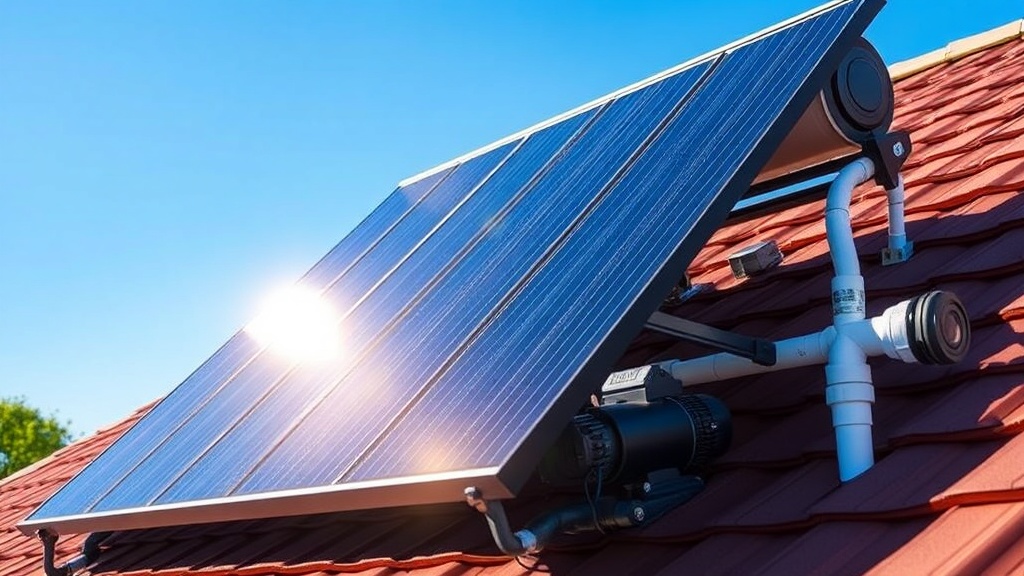
Why Is Pressure Drop a Critical Performance Metric for the Fafco Solar Bear?
Pressure drop, measured in pounds per square inch (PSI), is the resistance water encounters as it flows through the Fafco Solar Bear collector panels. For pool owners in the United States, understanding this metric is essential because it directly affects pump efficiency, energy costs, and overall heating performance. An excessively high pressure drop forces the pool pump to work harder, increasing electricity consumption by up to 25% annually, while too low a drop may indicate inadequate flow for heat transfer.
With typical residential systems using single-speed pumps drawing 1.5 to 2 horsepower, a Fafco Solar Bear array that creates a pressure drop of 2 to 5 PSI is considered optimal for 10- to 20-panel installations. Deviating from this range can lead to premature pump wear or insufficient solar gain, making pressure drop analysis a cornerstone of how many Fafco Solar Bear panels you need for your specific pool volume.
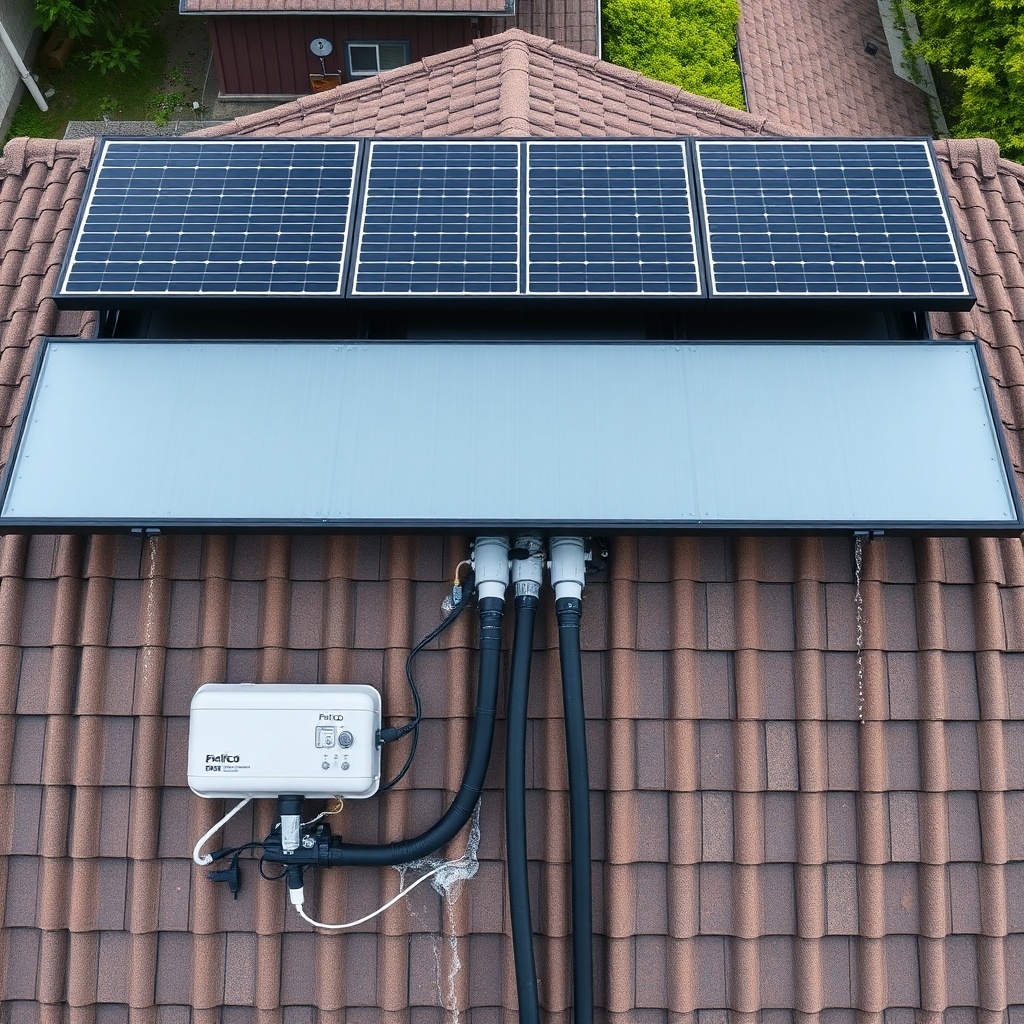
How Does the Fafco Solar Bear’s Design Influence Pressure Drop?
The Fafco Solar Bear uses a unisolar polymer construction with internal water channels that are wider than many competing panels—typically 0.75 inches in diameter. This design minimizes friction losses, resulting in a lower pressure drop per panel at standard flow rates (4 to 6 gallons per minute per panel). However, the length of the panel (8 feet standard) and the number of parallel connections in an array create cumulative resistance.
Key Design Factors Affecting Pressure Drop
- Panel Length: Longer panels (e.g., 10-foot versions) increase pressure drop by approximately 15% compared to 8-foot models.
- Flow Path: The serpentine internal routing creates turbulence that aids heat transfer but adds 0.3 PSI per panel at 5 GPM.
- Header Size: The 1.5-inch top and bottom headers reduce velocity-related losses but require proper manifold sizing.
For a 12-panel system using 1.5-inch PVC headers, total pressure drop typically ranges from 2.8 to 4.2 PSI, well within the range for standard residential pumps. This design priority allows the Fafco Solar Bear to maintain efficiency without requiring oversized pumps, saving $150 to $300 in annual electricity costs compared to high-resistance collector types.
What Are the Acceptable Pressure Drop Ranges for Different System Sizes?
Pressure drop varies with system scale, panel count, and flow configuration. The table below provides severity levels for Fafco Solar Bear arrays, with costs based on average U.S. electricity rates of $0.12 per kWh and typical pump operation of 8 hours daily during heating season.
| Number of Panels | Flow Rate (GPM) | Expected Pressure Drop (PSI) | Severity Level | Annual Energy Cost Impact |
|---|---|---|---|---|
| 6–10 | 4–5 | 1.5–2.8 | Optimal | $0 (baseline) |
| 11–15 | 5–6 | 2.8–4.2 | Acceptable | $20–$40 extra |
| 16–20 | 6–7 | 4.2–6.0 | Watch | $50–$80 extra |
| 21–25 | 7–8 | 6.0–8.5 | Critical | $100–$150 extra |
Systems exceeding 8.5 PSI risk pump cavitation and reduced flow to the pool. If you’re planning a large array, consider using Fafco Solar Bear roof mounting kits to ensure proper spacing, which indirectly helps maintain uniform flow and lower resistance.
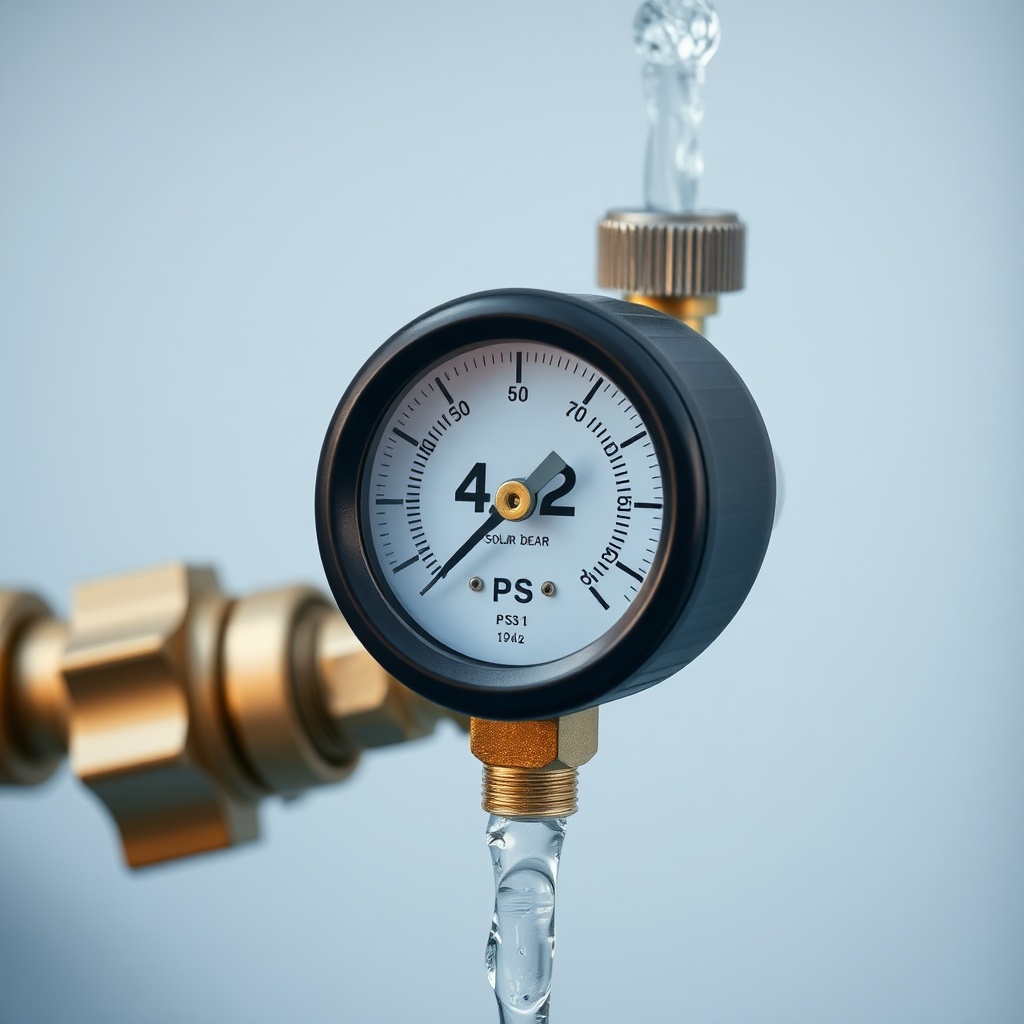
How Can You Measure Pressure Drop in Your Fafco Solar Bear System?
To accurately assess pressure drop, install pressure gauges on both the supply and return lines near the collector array. Purchase two 0–15 PSI gauges (available at hardware stores for $15–$25 each) and thread them into 1.5-inch PVC tees. With the pump running and the solar diverter valve fully open to the panels, record the supply side pressure (before the panels) and the return side pressure (after the panels). The difference is your pressure drop.
Step-by-Step Measurement Guide
- Turn off the pump and install the gauges on the main supply and return lines.
- Restart the pump and ensure the system is free of air locks by purging air through the filter.
- Let water circulate for 5 minutes to stabilize the flow.
- Read both gauges simultaneously; subtract the return reading from the supply reading.
- Repeat at three different times during sunny days to capture variations from temperature changes.
Expected values for an 8-panel system should be below 3 PSI, while a 16-panel system may read up to 5 PSI. If readings exceed 6 PSI, check for blockages or consider upgrading to a larger pump, but first ensure your Fafco Solar Bear controller settings are properly configured to avoid unnecessary bypassing.
What Causes High Pressure Drop and How Do You Fix It?
High pressure drop in Fafco Solar Bear systems typically stems from three issues: blockages in the internal channels, improper manifold sizing, or undersized pump impellers. Debris like sand or scale can accumulate in the panel headers, especially if the pool’s filtration is inadequate. A single blocked panel can raise system pressure drop by 1.5 PSI, while a full header blockage may jump it by 4 PSI.
Common Fixes
- Flush the Panels: Use a garden hose to backflush each panel by running water in reverse through the return line for 2 minutes. This clears debris without dismantling.
- Check Manifold Diameter: Ensure the main supply and return pipes are at least 2 inches in diameter for arrays with 15+ panels; otherwise, upgrade with a reducer bushing.
- Inspect Pump Impeller: A worn or wrong-sized impeller (e.g., 1.25-inch instead of 1.5-inch) can reduce flow by 20%, increasing drop. Replace it to match the system demand.
- Review Panel Connections: Verify that panels are connected in a parallel flow pattern, not series, to minimize total resistance.
Ignoring sustained high pressure drop can lead to panel warping at seams, eventually requiring a fix for a leaking Fafco Solar Bear collector panel—a repair that costs $50–$150 in epoxy and labor if caught early.
What Owners Say About Fafco Solar Bear Pressure Drop Management
“After installing a 10-panel Fafco Solar Bear system with a 1.5-hp pump, my pressure drop was 3.1 PSI—right in the sweet spot. My electric bill only went up $12 a month during summer, and the pool stays at 84°F even on cloudy days,” says Tom R. from Phoenix, Arizona. He notes that using the Fafco Solar Bear sizing guide helped him avoid oversizing the array, which would have doubled his energy costs.
Conversely, Lisa M. from Tampa, Florida, experienced a 7.8 PSI drop on a 22-panel system. “I was shocked my pump was running 12 hours daily. After adding a second pump and reducing the panel count to 16, the drop fell to 4.0 PSI, and my pool heated faster.” Many owners emphasize that monitoring pressure drop annually, especially after storms, prevents small issues from becoming expensive repairs.
Frequently Asked Questions
Q: What is the typical pressure drop for a single Fafco Solar Bear panel?
A: For a single 4-foot by 8-foot panel at 5 GPM, pressure drop measures about 0.35 to 0.45 PSI. In a 10-panel parallel array, this scales to roughly 2.5 to 3.5 PSI total.
Q: Can high pressure drop damage my pool pump?
A: Yes, consistently high pressure drop above 8 PSI forces the pump to work against excessive resistance, leading to overheating, impeller wear, and potential motor burnout within 2 to 3 years.
Q: How often should I check pressure drop in my Fafco Solar Bear system?
A: Check at the start of swimming season and after major debris events like heavy rain or pollen blooms. Annual measurement is sufficient for well-maintained systems.
Q: Does cold water increase pressure drop?
A: Yes, denser cold water (below 65°F) can raise pressure drop by 5–10% due to higher viscosity. Expect a 0.2 to 0.5 PSI increase in winter months.
Q: Should I run my pump at higher RPM to reduce pressure drop?
A: No, higher RPM increases flow rate, which in turn increases pressure drop exponentially (square of flow). Use a variable-speed pump set to 1800–2200 RPM for optimal balance.
Q: What does a sudden pressure drop spike indicate?
A: A spike of 2 PSI or more within one day usually signals a partial blockage, such as a debris clump in a header. Flush the system immediately to prevent panel damage.