What Flow Rate Does a Generic Solar Pool Heater Need to Operate Efficiently?
When installing a Generic solar pool heater, understanding pump requirements is paramount to achieving peak performance. The General Purpose Minimum (GPM) for most residential systems is between 5 and 7 gallons per minute per 4×12-foot collector panel. With a typical 6-panel array, your pump must deliver at least 30–42 GPM to maintain effective heat transfer. Falling below this threshold reduces thermal output by as much as 20% on sunny days.
To verify compatibility, check your pump’s performance curve at the actual head height of your system. For instance, a 1-horsepower pump running at 40 feet of head typically produces 42–48 GPM—sufficient for a Generic 6-panel setup. If your pump delivers only 25 GPM, you risk inadequate circulation and potential overheating of the collector fluid. For sizing guidance, see our companion article on How to Size a Solar Pool Heat Exchanger to Match Your Pump Flow.
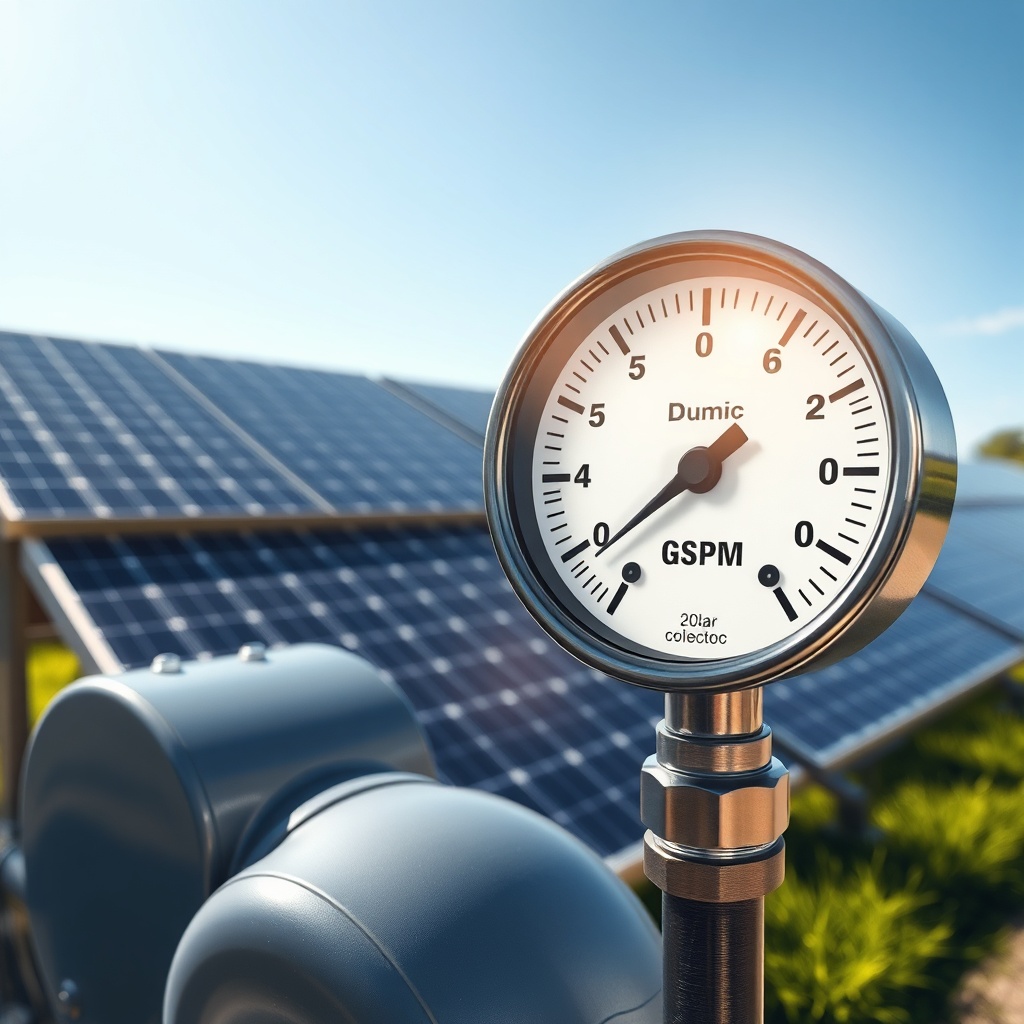
How Do You Calculate the Correct GPM for a Generic Solar Pool Heater?
Calculation begins with total collector area. For a Generic model measuring 48 square feet per panel, multiply by the number of panels (e.g., 6 panels × 48 sq ft = 288 sq ft). The standard rule is 1 GPM for every 10 square feet of collector surface for optimal efficiency. Therefore, 288 sq ft ÷ 10 = 28.8 GPM as a baseline. However, pipe diameter and friction loss alter this number.
Using 1.5-inch schedule 40 PVC with 50 feet of pipe, friction loss adds approximately 4.5 feet of head. Add this to your static head (elevation difference, say 10 feet) and filter resistance (typically 5–8 feet), totaling 20–22 feet of dynamic head. A pump delivering 35–40 GPM at this head is ideal. The table below compares typical flow scenarios:
| Number of Panels | Total Area (sq ft) | Minimum GPM (1 GPM/10 sq ft) | Recommended Pump HP | Estimated Cost (USD) |
|---|---|---|---|---|
| 4 | 192 | 19.2 | 0.75 | 400–600 |
| 6 | 288 | 28.8 | 1.0 | 600–900 |
| 8 | 384 | 38.4 | 1.5 | 800–1,200 |
| 10 | 480 | 48.0 | 2.0 | 1,200–1,800 |
What Happens When Your Pump Flow Is Too Low for a Generic Heater?
Low flow creates air pockets in the collector headers, reducing heat absorption by up to 35%. Worse, stagnant water can boil in extreme cases, damaging the polymer panels. If you notice temperature spikes at the outlet (exceeding 160°F), it’s a clear sign of insufficient GPM. The system’s built-in pressure relief valve may activate, dumping expensive heated water.
To remedy this, consider upgrading to a variable-speed pump. For a Generic heater, a 1.5-horsepower variable-speed unit delivering 30–45 GPM at mid-range speed costs roughly 900–1,200 USD. Alternatively, trimming impeller size or cleaning filters can recover 5–10 GPM. Always bleed air from the system using the method outlined in How to Vacuum Bleed Air from Solar Pool Collectors: A Step-by-Step DIY Guide.
How Does Pipe Diameter Impact GPM for a Generic Solar Pool Heater?
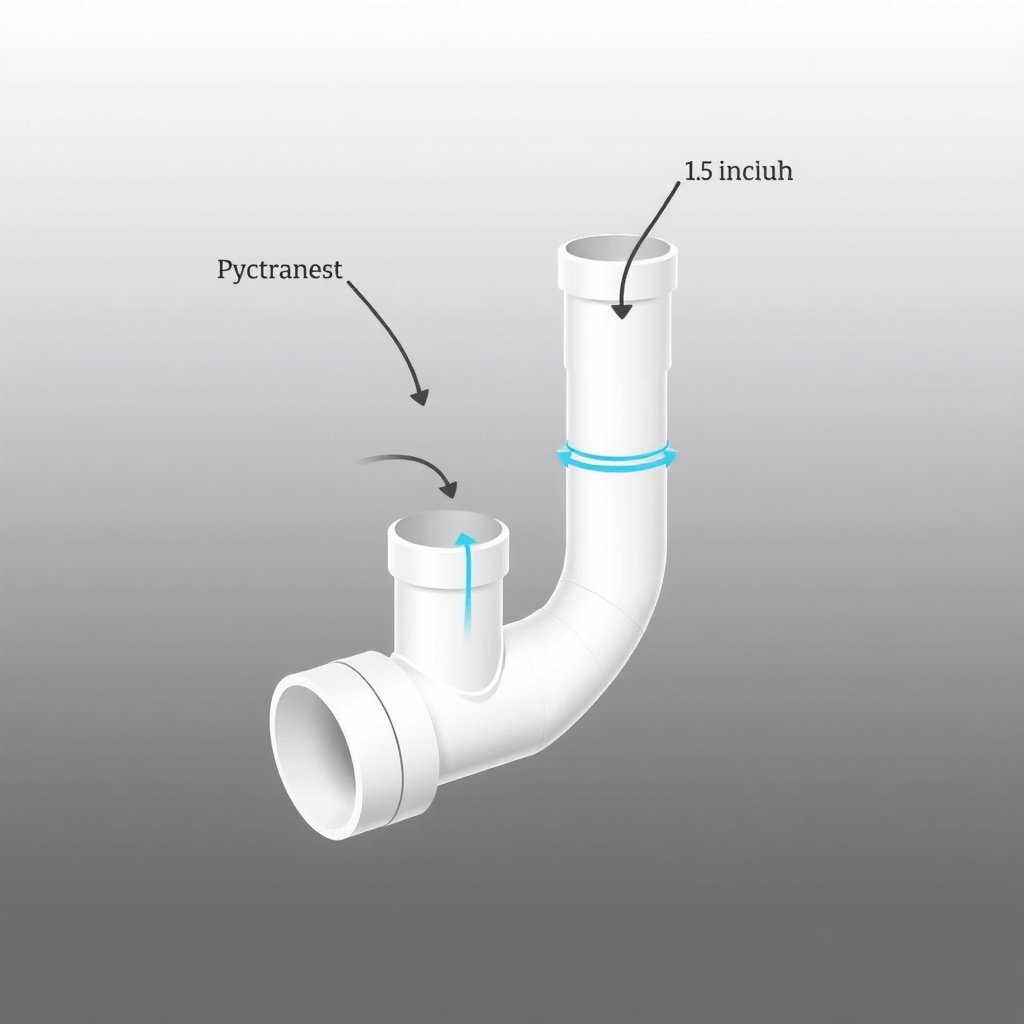
Pipe diameter directly affects velocity and friction loss. Using 1.5-inch pipe with a Generic heater requires 30–40 GPM to maintain a velocity of 6–8 feet per second—the sweet spot for heat transfer. Dropping to 1-inch pipe at the same flow rate would exceed 12 ft/s, increasing friction loss by 300% and potentially tripping the pump’s thermal overload.
For optimal performance, keep leading pipe runs under 50 feet with 1.5-inch diameter. If longer runs are unavoidable (e.g., 100 feet), upgrade to 2-inch pipe to reduce head loss by 60%. This adjustment maintains GPM within the Generic heater’s design range. For a complete overview, refer to the Generic Solar Pool Heater Buying Guide: What to Look For which details pipe sizing tips.
What Owners Say About Pump Performance With Generic Heaters
Users consistently emphasize that “the pump is the heart of the system.” On popular pool forums, Generic owners report that a 1-horsepower pump works well for up to six panels, provided the filter is clean. One owner wrote: “I upgraded from a 0.75 HP to a 1.0 HP, and my water temperature rose 3°F in a single day.” Another noted that using a flow meter saved them from overheating: “I saw my GPM was 22 instead of 30—cleaned the pump basket and it jumped to 34.”
Common complaints center on undersized plumbing. A Melbourne owner stated: “I used 1-inch pipe for a 8-panel Generic, and GPM dropped to 28. After switching to 1.5-inch, it ran at 42 GPM.” The lesson: invest in proper pipe diameter upfront. Many also recommend installing a bypass valve for fine-tuning flow during peak sun hours—a cheap fix costing under 50 USD.
What Are the Best Pump Brands for Generic Solar Pool Heaters?
While Generic heaters work with most standard pumps, three brands consistently deliver: Hayward Super Pump (1.0 HP, 360–480 USD), Pentair IntelliFlo (variable-speed, 900–1,200 USD), and Waterway Dual-Voltage (0.75 HP, 300–450 USD). The IntelliFlo is preferred for energy savings—reducing electricity costs by 30% compared to single-speed units. For a 6-panel Generic system, the Pentair delivers 40 GPM at 25 feet of head, perfect for average installations.
If budget is a concern, the Waterway model provides adequate 32 GPM at 20 feet of head, enough for a 4-panel setup. Always match the pump’s horsepower to your collector count using the table above. Overpowering a Generic system (e.g., 2 HP for 4 panels) can cause excessive velocity, damaging the absorber tubes. Conversely, underpowering shortens panel lifespan due to stagnation.
Frequently Asked Questions
1. Can I use a 0.75 HP pump with a Generic 6-panel heater?
Yes, but only if your total dynamic head is under 15 feet and pipe runs are short. At 20 feet of head, a 0.75 HP pump typically delivers 28 GPM, which is borderline for 6 panels. Expect a 1–2°F temperature drop compared to a 1.0 HP pump.
2. What happens if my flow rate exceeds 50 GPM on a Generic heater?
Excessive flow (above 50 GPM) can cause turbulence inside the collectors, reducing heat transfer by 10–15%. It also increases wear on seals and fittings. Install a flow control valve to regulate flow to 35–40 GPM for optimal performance.
3. Should I use a heat exchanger with a Generic solar pool heater?
If you have a saltwater or spa system, a heat exchanger prevents corrosion. For standard freshwater pools, it’s optional but recommended for delicate filter systems. Match the exchanger flow rating to your pump’s GPM output (at least 30 GPM).
4. How often should I check pump flow for a Generic system?
Monthly checks are ideal. Use a flow meter or gauge installed after the filter. Low flow often indicates clogged filters or pump baskets. Clean filters when flow drops below 80% of baseline (e.g., from 40 GPM to 32 GPM).
5. What is the minimum pipe size for a Generic 10-panel heater?
Use 2-inch pipe for 10 panels to handle 48 GPM without excessive friction. 1.5-inch pipe would incur 15+ feet of head loss, requiring a 2 HP pump and raising costs significantly.
6. Can I connect two pumps to one Generic heater?
Parallel pumps are possible but require careful balancing. Each pump must feed a separate bank of panels (e.g., 5 panels per pump). Use check valves to prevent backflow and ensure even distribution. Total cost for dual 0.75 HP pumps is around 800–1,000 USD.