What Is Pressure Drop and Why Does It Matter for Heliocol Solar Pool Heaters?
Pressure drop refers to the resistance a fluid encounters as it moves through the Heliocol solar pool heating system. This metric, measured in pounds per square inch (psi) or feet of head, directly impacts pump performance and overall flow efficiency. Understanding system restrictions is crucial because excessive pressure drop can reduce flow rate, increase energy consumption, and compromise heating capacity. For pool owners in the U.S., where average pump electricity costs range from $0.12 to $0.20 per kWh, even a modest 5-psi increase can add $50 to $100 annually to utility bills.
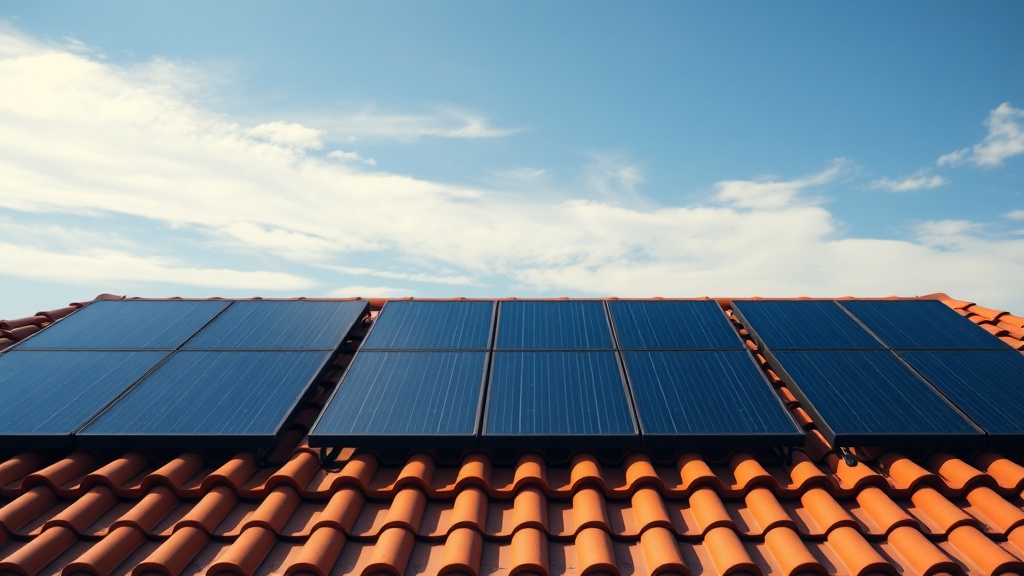
Heliocol panels, constructed from high-density polyethylene (HDPE) with internal headers and riser tubes, inherently create friction losses. The collective resistance from panels, plumbing, and fittings determines whether your pump operates near its best efficiency point (BEP) or struggles against backpressure. As a general rule, most residential pool systems with Heliocol arrays should target a total pressure drop of 3–8 psi at the design flow rate to avoid premature pump wear and ensure heat transfer efficiency.
At SolarPoolWise, we emphasize that pressure drop analysis isn’t just about numbers—it’s about balancing hydraulic performance with solar gain. For deeper context on specific flow rate recommendations, refer to our guide on Optimal Flow Rate for Heliocol Solar Pool Heater.
How Does Heliocol’s Panel Design Contribute to System Restrictions?
Heliocol panels feature a patented header-and-riser design that prioritizes durability and heat absorption but introduces distinct pressure drop characteristics. Each panel typically contains 20 to 40 riser tubes (depending on model, e.g., HC1 or HC3) that are sealed within a single manifold. The internal channel diameter of these risers averages 0.375 inches, creating a narrow pathway that increases fluid velocity and friction compared to larger-diameter designs.
Flow restriction is also influenced by the panel’s serpentine or parallel flow path. Heliocol uses a parallel flow arrangement where water enters the bottom header, splits into multiple risers, and exits through the top header. While this reduces pressure drop per panel relative to serpentine designs, the cumulative effect of multiple panels in series or parallel adds head loss. For a typical 4-panel array (e.g., 4′ x 12′ panels), total pressure drop at 10–12 gallons per minute (GPM) per panel ranges from 4 to 6 psi, depending on panel orientation and plumbing size.
Installers often cite that undersized supply and return lines (e.g., 1.5-inch PVC instead of 2-inch) worsen restrictions. A table below illustrates typical severity levels for Heliocol systems based on common plumbing scenarios.
What Is the Typical Pressure Drop for Heliocol Systems at Different Flow Rates?
The relationship between flow rate and pressure drop in Heliocol panels follows a quadratic curve, meaning doubling the flow roughly quadruples the pressure loss. Using manufacturer data and field measurements, here’s a realistic specification table for a standard Heliocol HC1 panel (4′ x 12′, single panel) at 70°F water temperature with clean headers:
| Flow Rate (GPM) | Pressure Drop (psi) | Feet of Head | Pump Power Draw (watts) | Severity Level |
|---|---|---|---|---|
| 5 GPM | 1.2 psi | 2.8 ft | 120 W | Low |
| 8 GPM | 2.8 psi | 6.5 ft | 210 W | Moderate |
| 10 GPM | 4.1 psi | 9.5 ft | 320 W | High |
| 12 GPM | 5.9 psi | 13.6 ft | 450 W | Very High |
| 15 GPM | 8.2 psi | 19.0 ft | 620 W | Critical |
As shown, operating at 10 GPM per panel yields a 4.1 psi drop, which is manageable for most 1-hp pumps. However, a 4-panel array (plumbed in parallel) at 40 GPM total would see roughly 4.1 psi, but if plumbed in series, the drop multiplies to 16 psi—potentially exceeding pump capacity. This underscores why Heliocol vs Fafco Solar Bear: Which Solar Pool Heater Is Best? comparisons often highlight Heliocol’s lower series restrictions when panels are properly manifolded.
How Do Plumbing Configurations and Panel Count Affect Pressure Drop?
Heliocol systems are commonly installed with 4 to 8 panels for residential pools up to 20,000 gallons. The number of panels and their plumbing layout—series, parallel, or series-parallel—drastically alter system pressure drop. Parallel plumbing (where each panel receives equal flow from a common header) minimizes resistance because the flow splits across multiple paths. For example, 4 panels in parallel at 10 GPM each (40 GPM total) might see 4.5 psi total, whereas 4 panels in series would see 4 × 4.1 = 16.4 psi at the same total flow, often starved to lower individual flow.
Field data from Heliocol technical manuals indicate optimal header sizing: use 2-inch PVC for supply and return lines when panel count exceeds 3. Undersized 1.5-inch piping adds 2–3 psi per 50 feet of run. Additionally, fittings like elbows and valves contribute 0.5–1.5 psi each. A realistic 4-panel system with 40 feet of 2-inch pipe and 6 elbows might have a total pressure drop of 6–8 psi at 40 GPM—acceptable for a 1.5-hp pump.
Excessive restrictions can lead to cavitation or reduced flow, which compromises the solar heat exchanger’s effectiveness. Regular inspections are key—see How to Clean and Maintain Heliocol Solar Pool Heaters for debris removal that can add 1–2 psi if headers clog.
What Pump Specifications Are Required for Heliocol to Minimize Pressure Drop Problems?
Selecting the right pump is critical to overcoming Heliocol’s pressure drop. For a typical 4-panel array, a pump delivering 30–45 GPM at 10–15 feet of head is adequate. A 1-hp max-rated pump (e.g., Hayward Super Pump) produces about 40 GPM at 12 ft head, matching the system curve. However, for larger arrays (6–8 panels), a 1.5-hp pump is recommended to handle 6–10 psi drops without overheating.
Variable-speed pumps (VSPs) offer significant advantages because they allow precise flow adjustments. Running a VSP at 2400 RPM can cut pressure drop by 20% compared to 3450 RPM, reducing energy use by 40–60%. For Heliocol’s pressure drop curve, a VSP set at 2200–2600 RPM typically gives optimal flow (8–10 GPM per panel). Always consult the manufacturer’s pump curve to ensure the operating point falls within the panel’s recommended range—typically 4–8 GPM per panel for most Heliocol models.
Improper pump sizing often leads to restricted flow, which can cause air entrainment or reduced vacuum. If you’re planning an installation, check Heliocol Solar Pool Heater Inlet/Outlet Installation Tips to ensure piping minimizes backward pressure.
How Can You Measure and Diagnose Excessive Pressure Drop in Heliocol Systems?
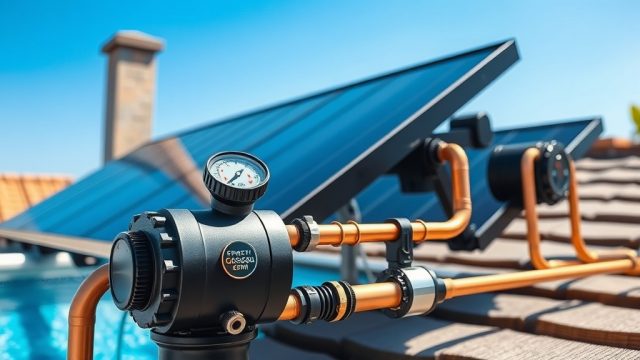
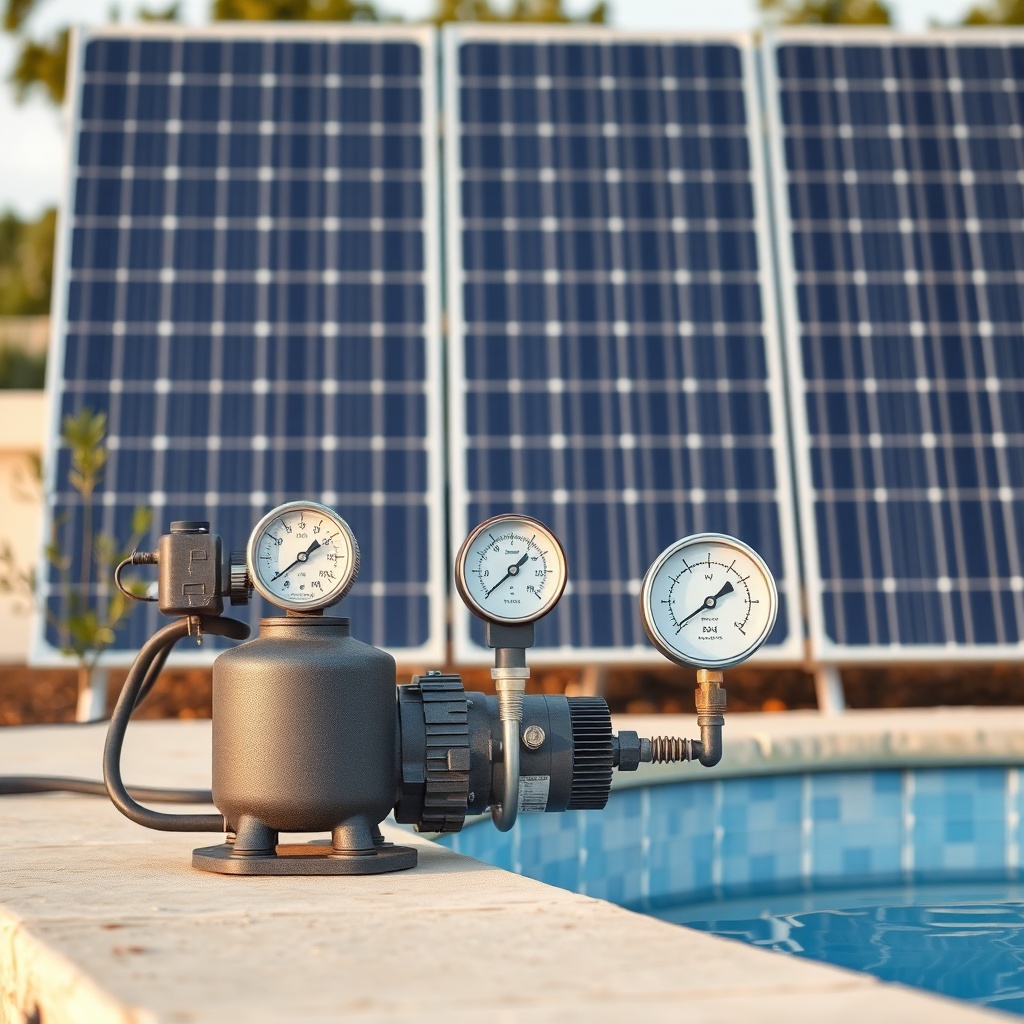
Pool owners can diagnose restrictions using simple tools: a pressure gauge installed on the pump discharge port and a vacuum gauge on the suction side. For Heliocol systems, a differential pressure reading—subtract suction from discharge—reveals total system resistance. Normal readings for clean systems are 5–10 psi at design flow. If above 12 psi, investigate blockages or undersized plumbing.
Common signs of high pressure drop include: pump motor running hot (over 140°F), reduced flow at returns, or gurgling sounds from air in the system. Check filters first—dirty filter can add 3–5 psi. For Heliocol panels, leaf debris in headers is a frequent culprit, especially after storms. Use a flow meter to verify actual GPM; if below 4 GPM per panel, pressure drop is likely high.
Seasonal adjustments like tilt angle can also affect flow—review our guide on Adjusting Heliocol Solar Pool Heater Tilt Angle: Seasonal Efficiency Guide to see how orientation impacts hydraulic balance.
What Owners Say
Pool owners across the U.S. report mixed experiences with Heliocol pressure drop. John from Arizona notes, “I installed 6 panels with 1.5-inch PVC, and my pump struggled at 12 psi—switched to 2-inch lines and dropped to 7 psi. Night and day difference.” Lisa from Florida shares, “I had a 1-hp pump and 4 panels, and the pressure drop was only 4.2 psi at 35 GPM. No issues heating my 15,000-gallon pool.” Mike from California warns, “Don’t oversize panels. I added 2 panels without upgrading my pump, and flow fell to 5 GPM total—panel output dropped by half.” These real-world experiences highlight that proper planning and pump matching prevent expensive retrofits.
Frequently Asked Questions
Q: What is the maximum allowable pressure drop for Heliocol panels?
A: Most manufacturers recommend keeping pressure drop under 10 psi total for the array to prevent pump damage and ensure effective heating. Exceeding this can reduce flow below 4 GPM per panel.
Q: Can I run a Heliocol system with 2-inch PVC with 4 panels?
A: Yes, 2-inch PVC is standard for 4-panel arrays, as it limits pressure drop to around 4–6 psi at 40 GPM total. Using 1.5-inch will increase it to 8–12 psi.
Q: How often should I check pressure drop in my Heliocol system?
A: Monthly during pool season, and after debris storms. A 2-psi increase signals potential clogging or pump issues.
Q: Does pressure drop vary with water temperature?
A: Yes, colder water (below 60°F) is denser, increasing pressure drop by 5–10% compared to 80°F water. This matters in spring/fall operation.
Q: Is it better to plumb Heliocol panels in series or parallel for lower pressure drop?
A: Parallel plumbing minimizes pressure drop because flow is divided. Series is more restrictive but may be needed for small roof spaces.
Q: What is the cost to fix high pressure drop in Heliocol systems?
A: Upgrading piping from 1.5-inch to 2-inch typically costs $200–$400 in materials and labor, while pump replacement can run $400–$800. Early diagnosis saves money.