Introduction to Sizing a Pump for Your Fafco Solar Bear System
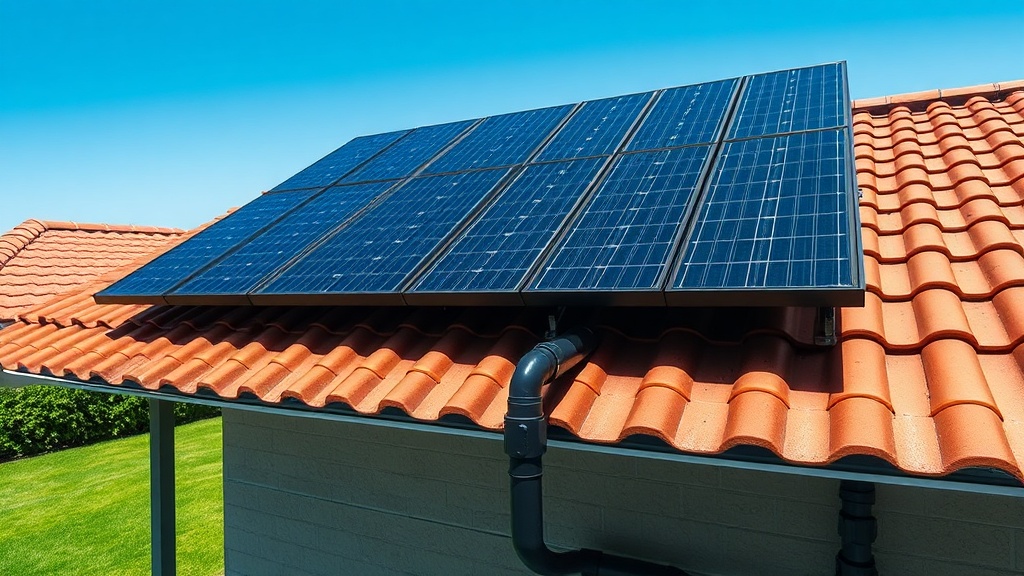
Selecting the right pump for a Fafco Solar Bear solar pool heating system is critical for achieving optimal thermal performance and long equipment life. The Solar Bear panels are known for their large internal water channels and low head loss, but an undersized or oversized pump can lead to poor flow distribution or wasted energy. This article guides you through the generic sizing process focused on flow rate, head pressure, and system compatibility.
What Flow Rate Does a Fafco Solar Bear System Require?
The recommended flow rate for a Fafco Solar Bear panel is typically between 3 and 6 gallons per minute (GPM) per panel in standard residential installations. For a system with eight panels, the target total flow falls between 24 and 48 GPM. This range ensures adequate water turnover through the collectors without excessive velocity that could cause erosion or noise. Consulting the Fafco Solar Bear Pressure Drop Analysis: What You Need to Know will help you match pump performance to your specific panel count and pipe layout.
To determine the exact number, calculate your pool volume in gallons and divide by the desired turnover rate (typically 8 to 10 hours for solar heating). Then compare that result to the total GPM capacity of the panel array. For example, a 20,000-gallon pool requires roughly 33 GPM for a 10-hour turnover, which aligns with a seven- to nine-panel system running at 4 GPM each.
How Do You Calculate Total Dynamic Head for a Solar Bear System?
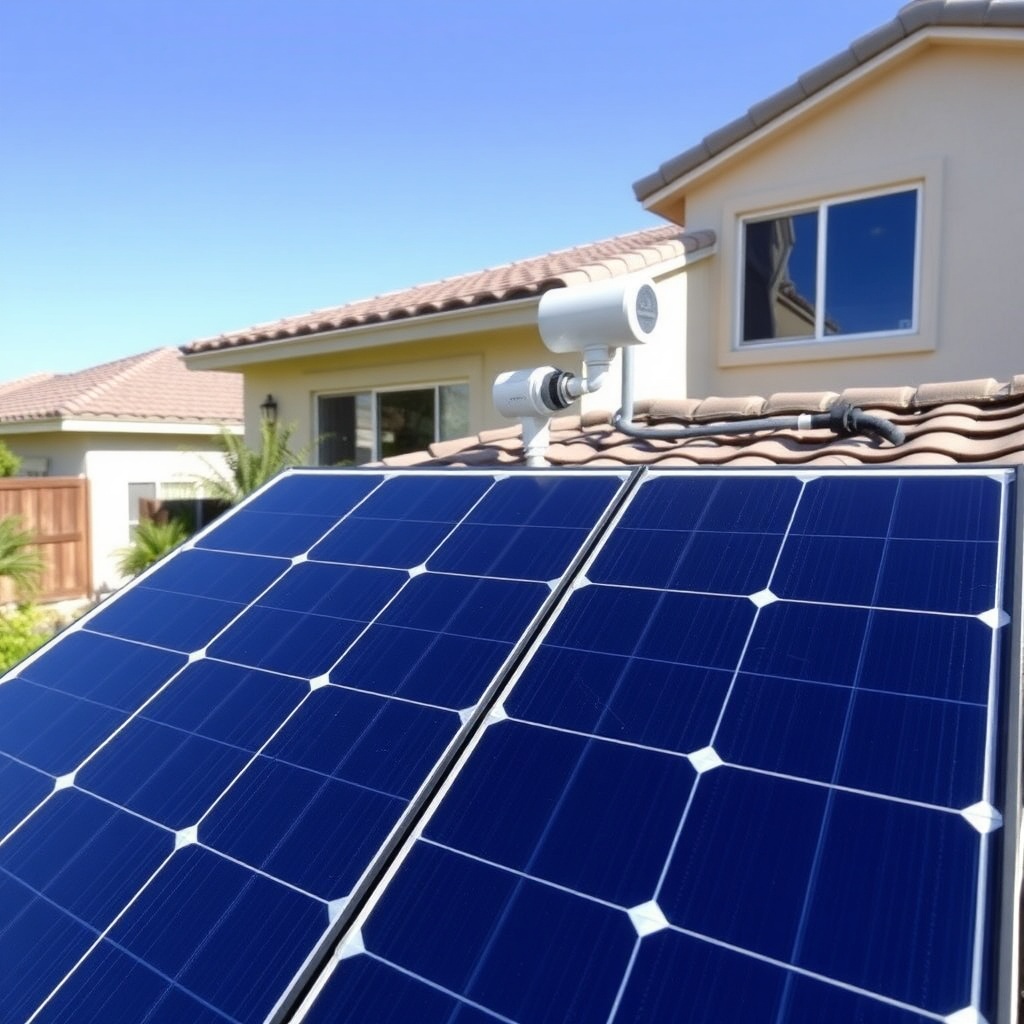
Total dynamic head (TDH) is the sum of friction losses in pipes, fittings, valves, and the solar panels themselves. For a Fafco Solar Bear system, the panels contribute relatively low head—typically 3 to 8 feet of head per panel at the target flow rate, depending on panel size and flow velocity. The pipe run from the pump to the roof adds more: use standard friction-loss tables for 2-inch or 2.5-inch PVC pipe. A typical 50-foot round trip with several elbows may add 10 to 15 feet of head. Then add the elevation gain (vertical lift from pump to highest panel), often 10 to 20 feet for a single-story home. The sum rarely exceeds 40 to 50 feet of head for a properly designed residential system.
When in doubt, use a worst-case estimate of 10 feet of head per 100 feet of straight pipe plus 2 feet per 90-degree elbow. Then add the panel pressure drop from the manufacturer’s chart. A pump rated for 35 to 45 GPM at 30 to 40 feet of head is a common starting point for a six- to ten-panel array.
Which Pump Types Work Best with Fafco Solar Bear Panels?
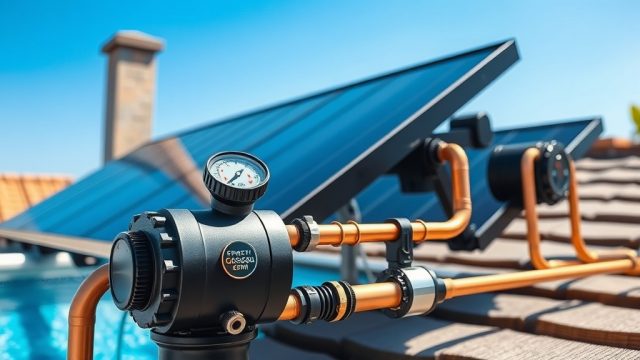
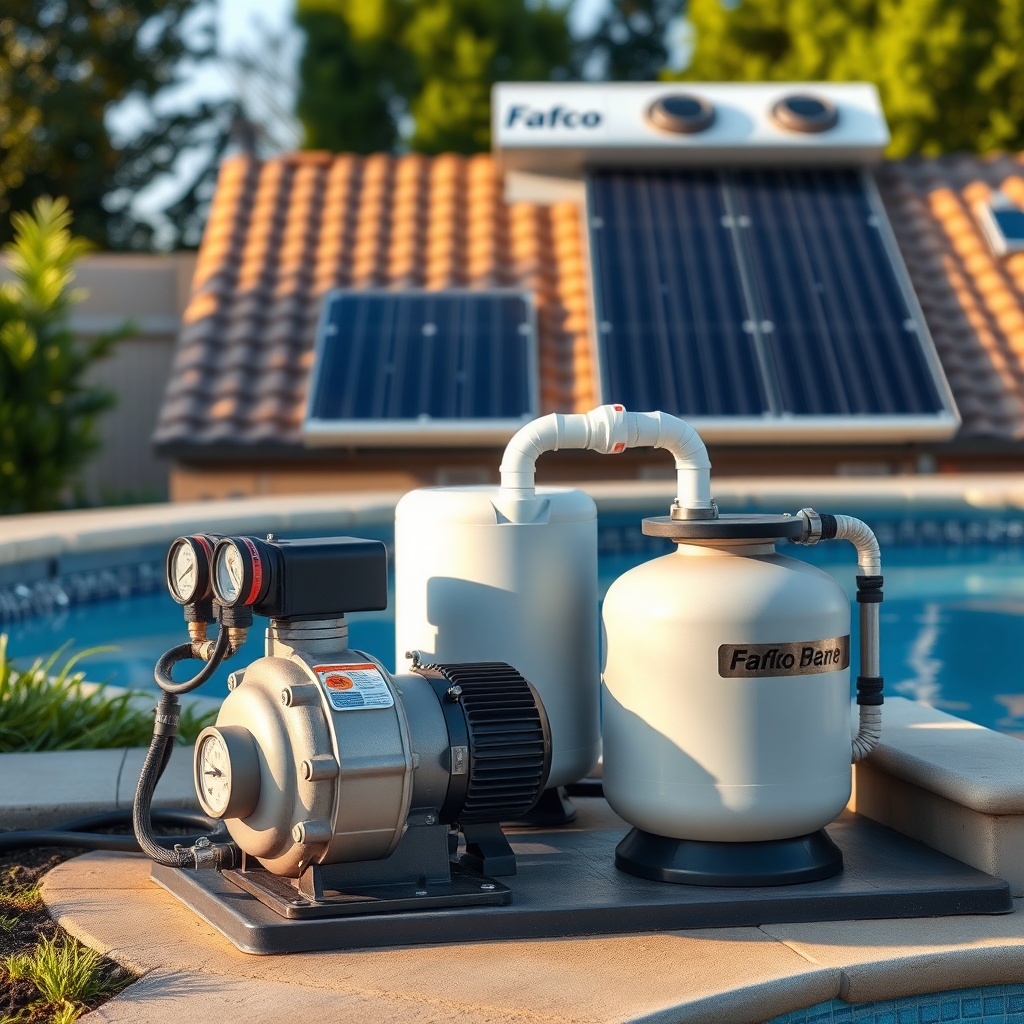
Single-speed pool pumps are the most affordable and common choice, but they run continuously at full speed, which may exceed the panel flow limit on small arrays. A two-speed or variable-speed pump offers better control. For example, a variable-speed pump set to a lower RPM can achieve the exact 4 GPM per panel while consuming less electricity. This is especially useful when paired with Fafco Solar Bear Automation System Integration: Controllers and Timers, allowing automatic speed adjustments based on solar availability and pool temperature. For systems with more than ten panels, a medium-head pump rated for 1 to 1.5 horsepower is typical, while smaller arrays may only need 0.75 horsepower.
Avoid over-pumping: pushing more than 8 GPM through a single panel can cause excessive backpressure and potential damage. Always check the pump curve against the calculated TDH and panel flow limits.
How Do You Match Pump Size to Panel Count? (Specification Table)
The table below provides a generic sizing guide for Fafco Solar Bear systems based on panel count and typical pool volumes. Always verify with actual pressure-drop charts from Fafco or your installer.
| Number of Panels | Target Flow Range (GPM) | Typical Pool Volume (Gallons) | Suggested Pump Power (HP) | Expected TDH Range (ft) |
|---|---|---|---|---|
| 4–6 | 12–36 | 10,000–18,000 | 0.75–1.0 | 20–35 |
| 6–10 | 18–60 | 15,000–30,000 | 1.0–1.5 | 25–45 |
| 10–14 | 30–84 | 25,000–40,000 | 1.5–2.0 | 30–50 |
| 14–18 | 42–108 | 35,000–55,000 | 2.0–2.5 | 35–60 |
Note that variable-speed pumps can operate at lower speeds than shown here, so a larger HP motor may be acceptable if it is electronically controlled. For ground-mount installations, the elevation head may be lower, allowing a smaller pump—see Fafco Solar Bear Ground Mount Installation: A Step-by-Step Guide for site-specific considerations.
What Common Mistakes Affect Pump Sizing for Solar Bear Panels?
A frequent error is using a pump that is too powerful for the panel array, causing flow above 6 GPM per panel. This not only wastes energy but can also increase internal pressure and reduce panel lifespan. Another mistake is underestimating friction loss from undersized pipe—using 1.5-inch instead of 2-inch pipe adds significant head, especially over long runs. Additionally, neglecting the elevation difference between the pump and the panels leads to a pump that stalls or cavitates. For troubleshooting low-flow issues, refer to Fafco Solar Bear Low Flow Rate: Causes and Fixes. Finally, remember to account for any vacuum break devices or check valves, as detailed in Fafco Solar Bear Vacuum Break Installation Guide: Prevent Siphon Damage.
To avoid these issues, use a flow meter and pressure gauges during commissioning. Mark the optimal pump speed and verify that no air is trapped in the panels.
What Do Fafco Solar Bear Owners Say About Pump Sizing?
Many owners who sized their pumps according to the panel flow specifications report excellent heat gain and quiet operation. One user with a 12-panel array and a 1.5-HP variable-speed pump noted that running at 1,800 RPM delivered steady 4 GPM per panel, cutting electricity costs by 40% compared to full speed. Another owner who used an oversized single-speed pump found that the panels cycled on and off too frequently due to rapid temperature rise, leading to higher wear on the actuator. Several users stress the importance of measuring actual flow rather than relying solely on pump curves, as long pipe runs can reduce performance significantly. A ground-mount owner mentioned that with a lower lift of only 8 feet, a 0.75-HP pump was more than sufficient for eight panels. Overall, careful planning avoids the expense of replacing an ill-fitting pump later.
Frequently Asked Questions
Q: Can I use my existing pool pump for Fafco Solar Bear panels?
A: Possibly, but check if it delivers between 3 and 6 GPM per panel at the existing head. If your current pump is oversized, install a bypass valve or upgrade to a variable-speed model.
Q: What happens if I undersize the pump?
A: Low flow reduces heat transfer efficiency and can cause air locking or freezing in cold weather. The panels may not reach full operating temperature.
Q: Do I need a separate pump for solar heating?
A: Not usually—most systems use the main pool pump with a diverter valve to route water through the panels. A dedicated solar pump is only needed if the main pump lacks the flow or head capability.
Q: How do I measure flow through Fafco Solar Bear panels?
A: Install a flow meter in the supply line after the pump, or use a pressure drop calculation. A simple bucket test at the return line also works for approximate measurement.
Q: Does tilt angle affect pump sizing?
A: Indirectly, yes. Panels installed at a steep angle for winter optimization may have slightly higher head due to increased pipe length. See Fafco Solar Bear Ground Mount Tilt Angle Optimization: Best Summer and Winter Settings for how angle changes affect plumbing.
Q: Can too much flow damage Fafco Solar Bear panels?
A: Yes, flow above 8 GPM per panel can erode internal baffles and cause leaks. Always stay within the manufacturer’s recommended range.