
Why a Vacuum Break Is Essential for Your Fafco Solar Bear System
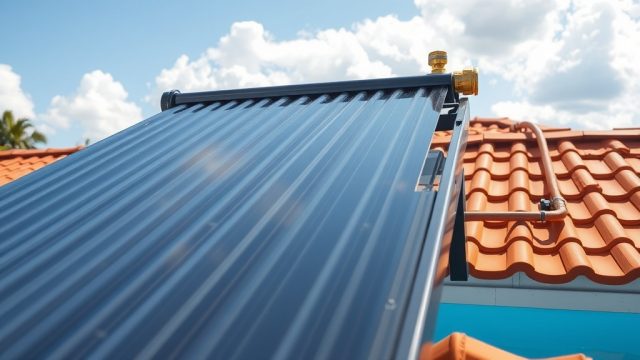
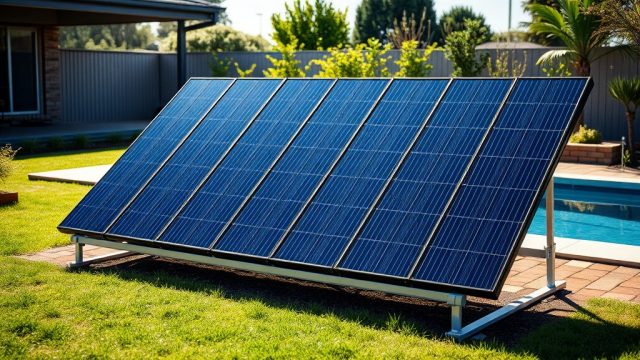
When a Fafco Solar Bear pool heating system is installed on a roof or elevated structure, the potential for siphon damage becomes a real concern. Without a vacuum break, water can continue to drain from the collectors after the pump shuts off, potentially pulling debris back into the system or causing the panels to collapse under negative pressure. This guide focuses on installing a vacuum break to prevent siphon damage, ensuring your Solar Bear panels operate safely for years.
A properly installed vacuum break interrupts the siphon effect, allowing air to enter the collector loop and stop water flow when the pump stops. This simple component can save you from costly repairs, especially if your system is mounted high above the pool. For a deeper understanding of how pressure affects your collectors, see our Fafco Solar Bear Pressure Drop Analysis: What You Need to Know.
What Is a Vacuum Break and How Does It Prevent Siphon Damage?
A vacuum break, also known as an air vent or anti-siphon valve, is a small device installed at the highest point of your Solar Bear collector loop. When the pump runs, it remains closed. When the pump stops, it opens to let air in, breaking the siphon and preventing water from draining backward through the collectors. This is critical for roof-mounted systems where gravity can cause dangerous negative pressure.
Siphon damage occurs when water rapidly drains from elevated panels, creating a vacuum that can collapse the flexible tubes or crack rigid headers. For example, a 3-meter roof height can generate over 0.3 bar of negative pressure. A quality vacuum break rated for solar water heating systems—like those from Fafco—will prevent this. If you suspect a leak in your collector, read our Fix a Leaking Fafco Solar Bear Collector Panel guide.

What Tools and Materials Do You Need for Installation?
To install a vacuum break on your Fafco Solar Bear system, gather the following items. Most are available at local hardware stores or pool supply retailers. Prices listed are in US dollars (USD) and reflect typical 2025 costs.
| Item | Specification | Estimated Cost (USD) | Purpose |
|---|---|---|---|
| Vacuum break valve | 1/2-inch brass or plastic, rated for 150°F | $15–$30 | Breaks siphon at highest point |
| Teflon tape | Standard 1/2-inch width | $3–$5 | Seals threaded connections |
| PVC pipe (if needed) | 1/2-inch schedule 40 | $2–$4 per foot | Extends valve from header |
| Plumber’s glue (PVC cement) | Standard clear or blue | $5–$10 | Bonds PVC fittings |
| Adjustable wrench | 8-inch | $10–$20 | Tightens brass fittings |
| Hacksaw or PVC cutter | For cutting pipe | $8–$15 | Prepares pipe lengths |
| Drill with 1/2-inch bit | If mounting on header | $20–$40 (if new) | Creates hole for valve |
These tools ensure a secure, leak-free installation. Prices may vary by region. For a full system setup, refer to our Fafco Solar Bear Ground Mount Installation: A Step-by-Step Guide, which covers similar principles for roof mounting.
How Do You Identify the Correct Location for the Vacuum Break?
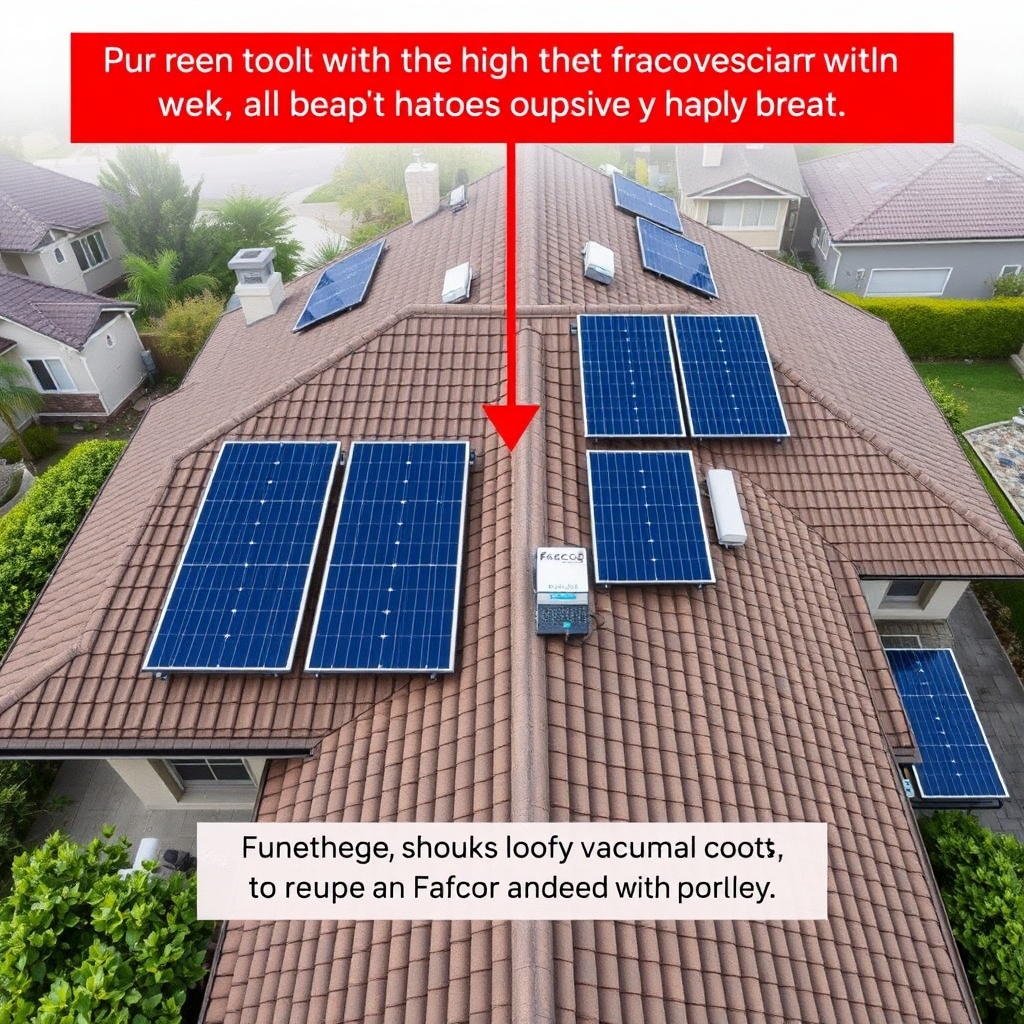
The vacuum break must be installed at the highest physical point of the Solar Bear collector loop. This is typically on the supply header of the topmost panel array. Look for the point where the water enters the collectors from the pump—this line should be the highest in the circuit. For a roof installation, this is usually near the ridge or peak.
To find the exact spot, follow these steps:
- Check the system design: The supply line (hot water going to the pool) should have a slight slope upward from the pump to the collectors. The highest point is where this line enters the top header.
- Measure the elevation: Use a level or laser distance meter to confirm the highest point. If the roof has multiple panels, the highest point is typically the top row’s supply connection.
- Avoid low points: Never install a vacuum break on a return line or at a low point in the loop, as it may release water instead of air, causing leaks.
- Consider accessibility: Choose a location that is easy to reach for maintenance. If the highest point is on a steep roof, use a ladder or scaffold safely.
Once identified, mark the spot with a pencil. If the header is plastic (typical for Fafco panels), you can drill a hole or use a T-fitting. For brass headers, a threaded port may already exist. If you’re uncertain about flow issues, our Fafco Solar Bear Low Flow Rate: Causes and Fixes article can help diagnose related problems.
How Do You Install the Vacuum Break Step by Step?
Follow these steps to install the vacuum break on your Fafco Solar Bear system. Always turn off the pump and relieve system pressure before starting. Wear safety glasses and gloves.
Step 1: Turn off the pump and close any isolation valves. Drain the system partially if needed—water will drip during installation. Have a bucket and towels ready.
Step 2: At the marked highest point, prepare the connection. If the header has a threaded port (common on Fafco brass headers), clean it with a cloth. If it’s smooth plastic, drill a 1/2-inch hole carefully, avoiding damage to adjacent tubes.
Step 3: Apply Teflon tape to the vacuum break valve threads (clockwise, 3–4 wraps). This ensures a watertight seal. Screw the valve into the port or into a 1/2-inch PVC adapter if using a plastic header. Tighten with an adjustable wrench—hand-tighten first, then give a quarter turn. Do not overtighten, as plastic threads can crack.
Step 4: If using a PVC extension pipe, cut a 6-inch length of 1/2-inch schedule 40 PVC. Apply PVC primer and cement to one end, then attach to the adapter. Let it dry for 30 seconds, then attach the vacuum break valve to the other end. Ensure the valve’s air vent opening is vertical (pointing upward) to allow proper air flow.
Step 5: Reopen isolation valves and turn the pump on. Check for leaks around the valve. The vacuum break should release a small amount of water initially (priming), then close. After the pump stops, you should hear air rushing in—this confirms the break is working.
Step 6: Insulate the valve with foam tape if exposed to freezing temperatures. This prevents ice blockages. For automation integration, see our Fafco Solar Bear Automation System Integration: Controllers and Timers guide.
What Are the Signs of Siphon Damage and How to Check?
Siphon damage can be subtle at first. Look for these indicators in your Fafco Solar Bear system:
- Collapsed or flattened tubes: Inspect the flexible polypropylene tubes. If they appear oval or pinched, negative pressure has deformed them.
- Water leaks at joints: If the vacuum break is missing or malfunctioning, water may be pushed out of gaskets during drain-back.
- Gurgling noises: Air entering the collector loop when the pump stops is normal with a vacuum break. Without one, water rushing backward may create a gurgling sound in the reservoir.
- Reduced heating efficiency: Siphon damage can restrict water flow, lowering heat output. Check your pool temperature over a week.
- Broken or cracked headers: In severe cases, the collector’s header may crack under vacuum stress.
To test your vacuum break, manually shut off the pump and listen near the highest point. A working valve will make a sucking or hissing sound as air enters. If silent, the valve may be stuck closed or clogged. Clean or replace it. For tilt adjustments that affect water flow, refer to our Fafco Solar Bear Ground Mount Tilt Angle Optimization: Best Summer and Winter Settings guide, which applies equally to roof mounts.
What Owners Say About Vacuum Break Installation
Solar pool heater owners who have installed vacuum breaks on their Fafco Solar Bear systems report significant improvements in reliability. John from Arizona installed a brass vacuum break on his 4-panel roof array after experiencing a collapsed tube during the first season. “The valve cost $22 and took 20 minutes to install. No more gurgling and the panels look perfect after two summers,” he says. Another user, Maria in Florida, notes that her vacuum break failed after a freeze, causing a small siphon event. She replaced it with a plastic version and now adds insulation each winter. “Check the valve annually—that’s the key,” she advises. Many owners emphasize that the installation is straightforward for DIYers with basic plumbing skills, but a professional should handle it if the roof is steep or the system is complex. The consensus is that this $20–$30 investment saves hundreds in potential panel repairs.
Frequently Asked Questions
Q1: Can I install a vacuum break on a Fafco Solar Bear system myself?
Yes, if you have basic plumbing skills. You need a wrench, Teflon tape, and the valve. Turn off the pump first. The process takes 15–30 minutes.
Q2: What size vacuum break valve do I need for Fafco panels?
A 1/2-inch valve is standard for residential Solar Bear systems. It fits the supply header port on most Fafco models. Check your panel’s manual to confirm.
Q3: How often should I replace the vacuum break?
Replace it every 2–3 years or if you notice it stuck open or closed. Annual inspection is recommended, especially after freezing weather.
Q4: Will a vacuum break affect water flow to the pool?
No, the valve only opens when the pump stops. During operation, it remains closed, so flow is unaffected. It does not restrict water movement.
Q5: What if my vacuum break leaks after installation?
Tighten the connection slightly. If still leaking, remove the valve, reapply Teflon tape, and retighten. Check for cracks in the plastic parts.
Q6: Is a vacuum break required by code for solar pool heaters?
In many jurisdictions, yes, especially for roof-mounted systems. Check local building codes. Even if not required, it’s strongly recommended to prevent siphon damage.