Introduction
Generic solar pool heaters are popular for their affordability and simplicity, but they can develop annoying noises like squealing, groaning, or gurgling. These sounds aren’t just irritating; they often signal underlying issues that, if ignored, can reduce heating efficiency or lead to component failure. This article provides a systematic troubleshooting guide for Generic solar pool heater noise problems, covering everything from pump compatibility to air locks, so you can restore quiet, reliable operation.
Why Is My Generic Solar Pool Heater Squealing?
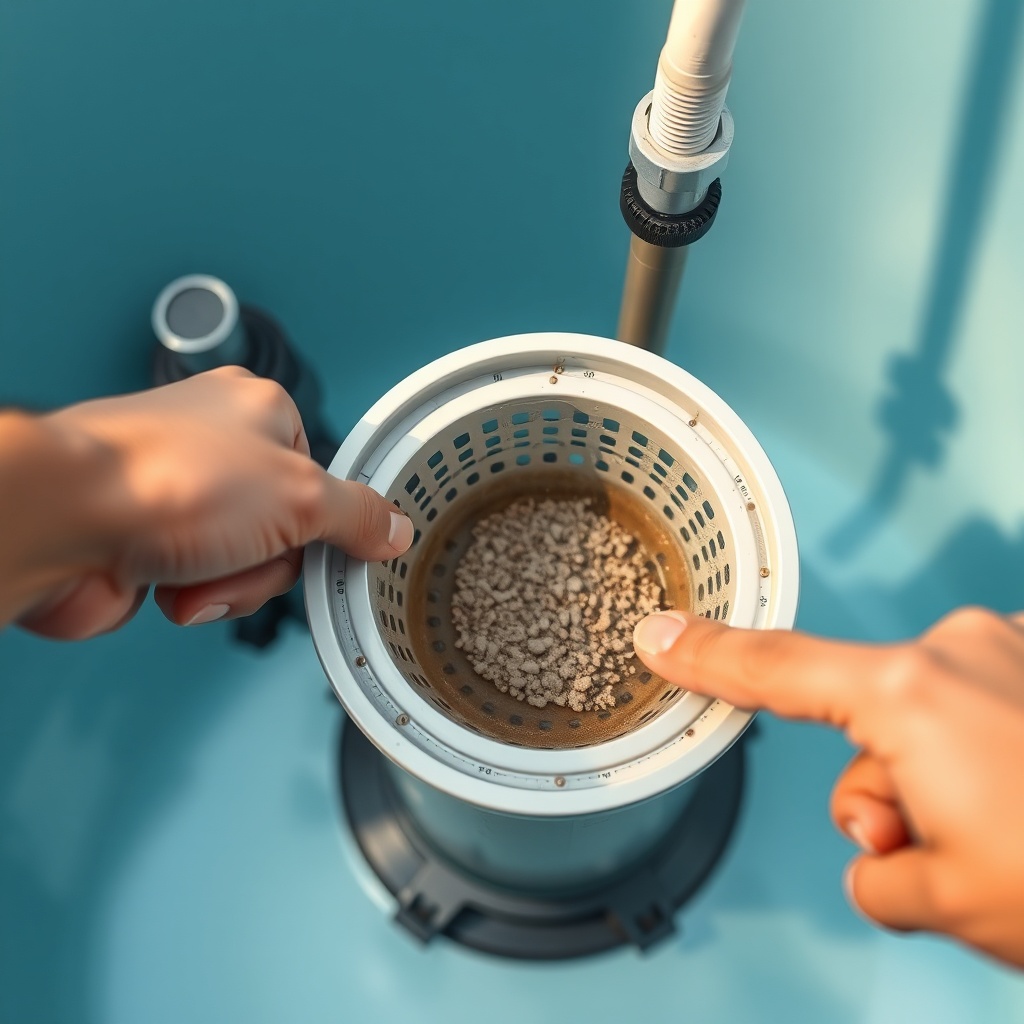
High-pitched squealing from a Generic solar pool heater usually indicates a pump or flow restriction issue. The most common cause is a partially closed valve or a blocked filter that forces the pump to work harder, creating cavitation. Cavitation occurs when the water pressure drops so low that air bubbles form and collapse violently, producing a squealing or screeching sound. A dirty skimmer basket or pump strainer can also restrict flow, causing the pump to strain and emit noise. Check your pool pump’s pressure gauge; if it’s 5–10 psi above normal, you likely have a clog. Clean the filter (sand or cartridge) and ensure all valves between the pump and the heater are fully open. If the noise persists, the pump might be mismatched to the heater’s flow requirements. For more on matching, see How to Size a Solar Pool Heat Exchanger to Match Your Pump Flow.
What Causes a Groaning Sound from My Generic Solar Heater?
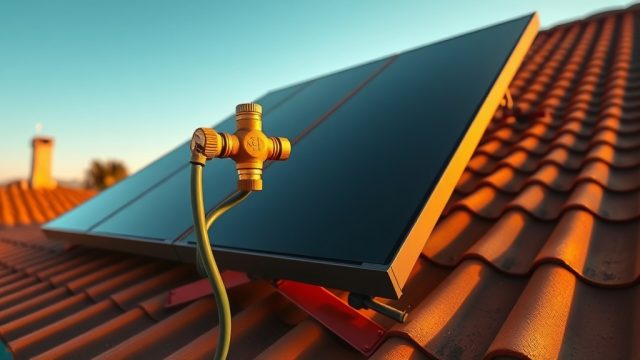
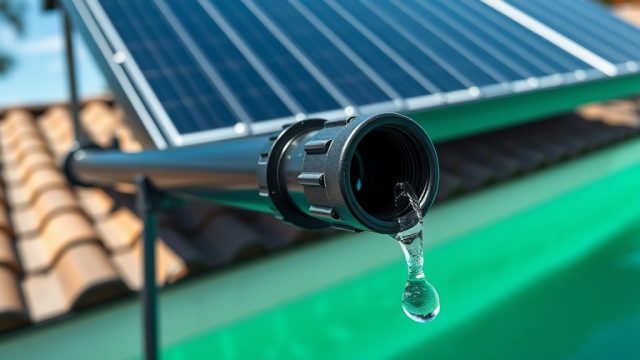
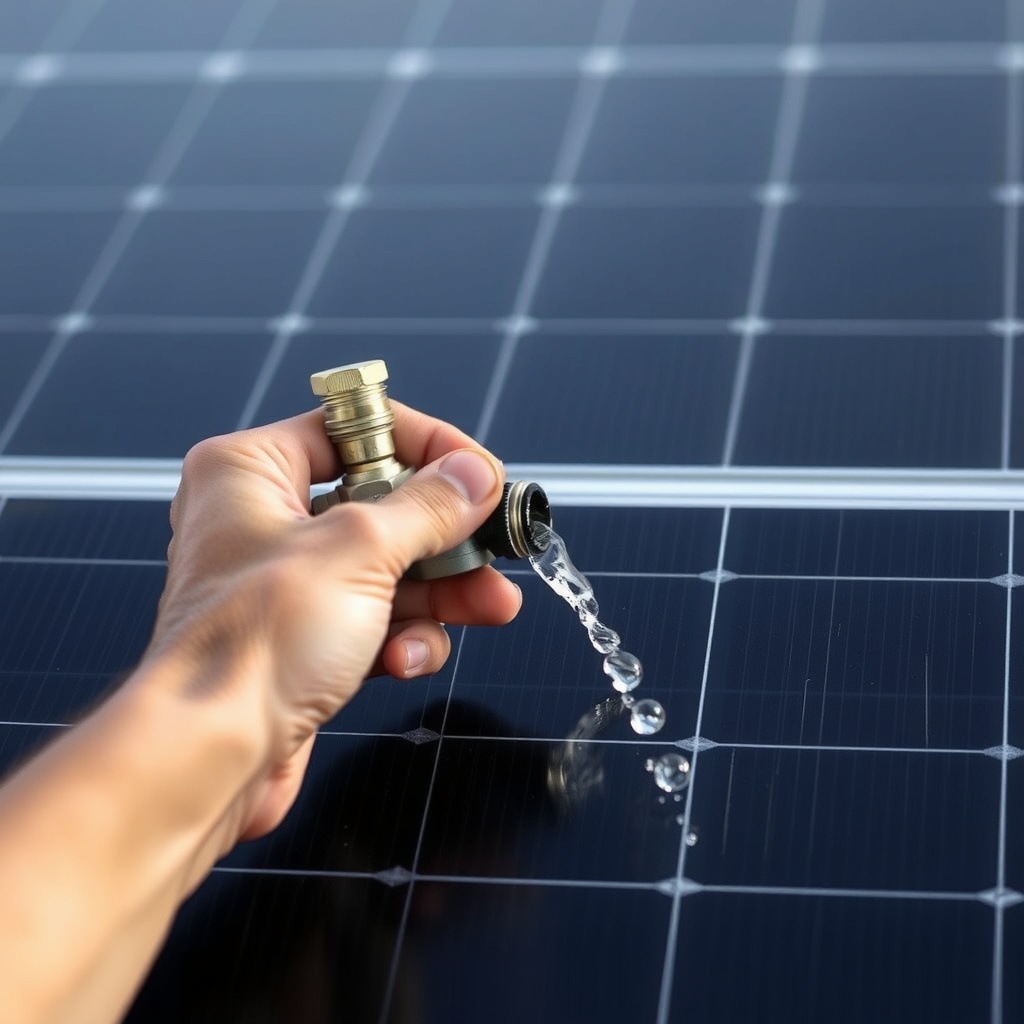
A low, groaning or moaning noise from your Generic solar pool heater often points to trapped air or water hammer. Air trapped in the system causes the water to move unevenly, creating a rumbling or groaning sound as it passes through the collector panels. This typically happens after startup or if the solar panels are higher than the pump. To fix this, you need to bleed the air using the vacuum or manual air bleed valves. Check the owner’s manual for your Generic heater’s specific procedure; most require opening a small vent at the highest point of the collector array. If groaning persists, you might have a water hammer issue due to sudden valve closure—install a water hammer arrestor near the pump. For a detailed DIY guide on removing air, refer to How to Vacuum Bleed Air from Solar Pool Collectors: A Step-by-Step DIY Guide.
How Do I Stop Gurgling Noises in My Generic Solar Pool Heater?
Gurgling sounds are almost always caused by air bubbles moving through the system. A Generic solar pool heater, like any solar thermal system, can develop air pockets if the piping has high points or if the system hasn’t been fully primed. The gurgling often occurs when the pump first starts or when the solar valves open. Start by checking the water level in your pool; a low water level can suck air into the skimmer. Also, inspect all connections for leaks—tiny air leaks at threaded joints can introduce bubbles. For persistent gurgling, consider installing an automatic air release valve at the highest point in the solar loop. This valve will vent air automatically, silencing the gurgle. Always ensure the pump is running at the correct speed for your system; too slow can’t purge air, too fast can cause cavitation.
| Noise Type | Severity | Common Cause | Quick Fix |
|---|---|---|---|
| Squealing | High | Cavitation, blocked filter, restricted flow | Clean filter, open valves, check pump size |
| Groaning | Medium-High | Trapped air, water hammer, high head pressure | Bleed air, install arrestor, check pump speed |
| Gurgling | Low-Medium | Air bubbles, low water level, leaks | Prime system, check level, seal leaks |
| Clicking/Thumping | Low | Expansion/contraction, loose parts | Tighten brackets, allow thermal expansion |
Could My Pump Be Too Small or Too Large for the Generic Heater?
Yes, an improperly sized pump is a leading cause of noise in Generic solar pool heaters. If the pump is too small, it cannot overcome the head pressure of the solar panels, leading to poor flow, air traps, and groaning or gurgling. If the pump is too large, it creates excessive water velocity, causing water hammer and hydraulic noise. Generic heaters typically require a flow rate between 10 and 25 GPM per panel, depending on panel size. Use a flow meter to verify your pump’s output. A pump that delivers 40 GPM to a system designed for 15 GPM will cause turbulence and noise. Adjust the pump speed (if variable speed) or install a bypass valve to reduce flow. For exact flow requirements for your Generic model, read Generic Solar Pool Heater Pump Requirements: GPM Guide for Optimal Performance.
What If the Noise Is Coming from the Solar Panels Themselves?
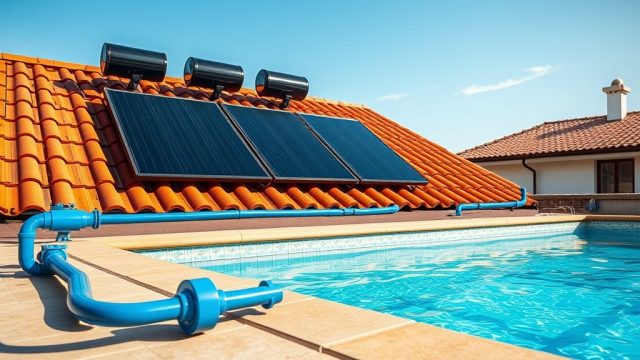
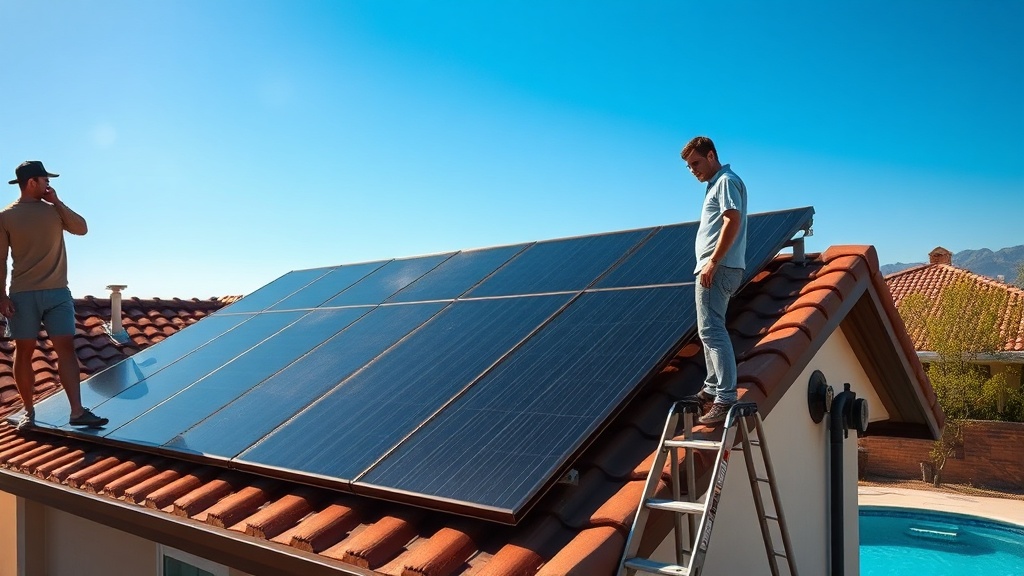
If the squealing or groaning seems to originate from the roof-mounted panels, it could be thermal expansion. During sunny operation, the panels heat up and expand, causing the mounting brackets to slide or the rubber gaskets to rub against metal, producing a squeaking sound. This is more common in Generic heaters with plastic or aluminum frames. Check that all mounting screws and clamps are tight but not overtightened. Apply a silicone-based lubricant to any rubber contact points. Another possibility is that the panels are vibrating against the roof due to high wind or pump vibration. Install rubber vibration dampers between the panel frame and the mounting brackets. If the noise persists and you notice the system is also overheating, see Generic Solar Pool Heater Overheating: Causes and Solutions.
How to Fix Noises in Generic Solar Pool Heaters Step by Step
Follow this systematic approach to diagnose and fix noise issues in your Generic solar pool heater. First, turn off the pump and inspect the filter, skimmer basket, and pump strainer—clean all debris. Second, restart the pump and listen to where the noise is loudest. Third, if the noise is high-pitched, check the pressure gauge; high pressure means a restriction. Fourth, if you hear gurgling or air hissing, bleed the air from the highest point in the system. Fifth, for groaning, feel the pipes—vibrations suggest water hammer; tighten loose brackets or install a hammer arrestor. Sixth, if the panel itself makes noise, lubricate mounting points. Finally, if none works, the pump might need replacement or resizing. Always refer to your Generic heater’s manual for specific instructions.
What Owners Say About Generic Solar Pool Heater Noises
Generic solar pool heater owners on forums and review sites frequently report that noise issues are common but usually fixable. One owner with an above-ground pool wrote, “After two months, my Generic heater started groaning every morning. I cleaned the cartridge filter and it was almost silent again.” Another mentioned, “The gurgling drove me nuts until I installed a cheap air release valve. Now perfect.” Some owners emphasize that the noise is often worse during spring startup because of air in the lines. A few noted that upgrading to a variable-speed pump solved both noise and efficiency problems. However, consistent feedback highlights that ignoring sounds can lead to pump burnout or panel damage. Many recommend using a flow gauge to verify performance. For sizing a Generic system for different pool types, see Sizing Helio Solar Pool Heater for Above Ground vs Inground Pools.
Frequently Asked Questions
Q1: Can a Generic solar pool heater make noise if the pump is too powerful?
Yes, an oversized pump creates excessive flow velocity, causing water hammer and hydraulic noise. Ensure the pump’s GPM matches the heater’s specifications (usually 12–20 GPM per panel).
Q2: Is a squealing noise dangerous for my Generic heater?
Squealing from cavitation can damage the pump impeller and the heater’s heat exchanger over time. It should be addressed promptly by cleaning filters or adjusting the pump speed.
Q3: Will draining the system help with gurgling?
Draining may help if there is a large air lock, but it’s not recommended frequently—it can introduce more air. Instead, use the air bleed valve and ensure proper system priming.
Q4: How much does it cost to fix a generic solar heater noise issue?
Costs range from $0 (cleaning a filter) to $50–$100 for a new air release valve, up to $300–$500 if the pump needs replacement. Most fixes are under $50 assuming DIY labor.
Q5: Can cold weather cause noise in my Generic solar pool heater?
Yes, in colder weather, water density increases and the system may take longer to purge air. Also, thermal contraction of plastic parts can cause clicking or squeaking. Ensure proper winterization.
Q6: Should I call a professional if the noise continues?
If you’ve cleaned filters, bled air, and checked pump speed without success, a professional can diagnose pump alignment, check for internal blockages, or inspect for damaged panels. It’s worth it if the system is still under warranty.