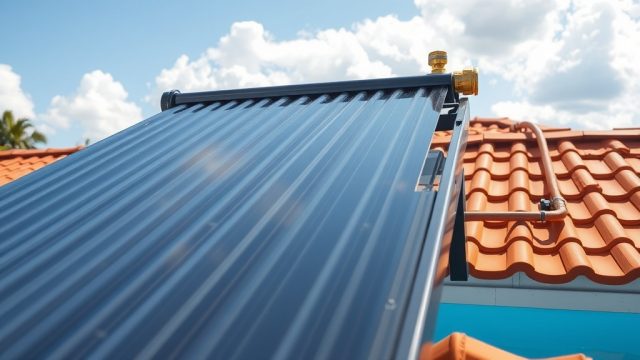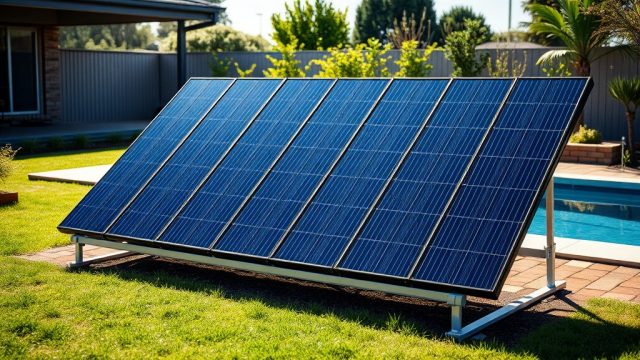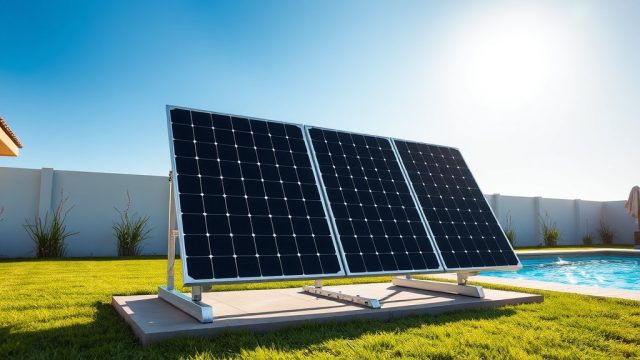
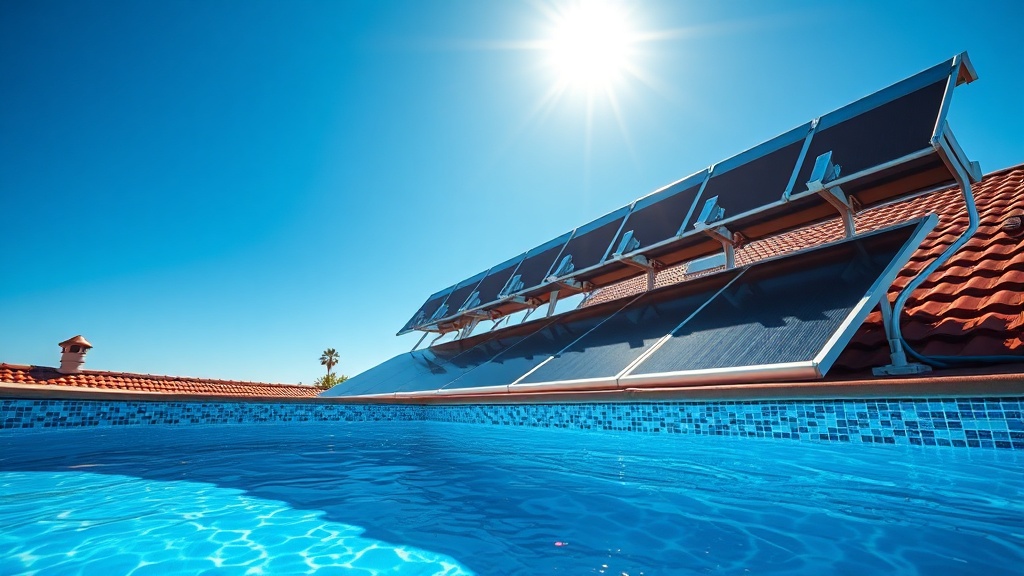
Heliocol solar pool heaters are a premium choice for extending the swimming season in regions like California and Florida, where sunshine is abundant. However, the system’s efficiency hinges on properly adjusting the tilt angle of the solar collectors, as the sun’s elevation shifts dramatically between summer and winter. This seasonal guide provides a step-by-step approach to optimizing the tilt angle for maximum heat output, ensuring your Heliocol panels deliver consistent performance year-round.
Why Does the Tilt Angle Matter for Heliocol Solar Pool Heaters?
The tilt angle of a solar collector determines how much direct sunlight the panels absorb. When the angle matches the sun’s altitude, the panels capture more solar radiation, which is converted into thermal energy for your pool. For Heliocol systems, which use unglazed polypropylene panels, the angle is especially critical because they rely on direct exposure to heat the water efficiently. The optimal angle varies by latitude: a general rule is to set the panels at a tilt equal to your latitude for year-round use. For seasonal adjustments, add 15 degrees in winter (to catch the lower sun) and subtract 15 degrees in summer (for the higher sun). For example, a homeowner in Los Angeles (latitude 34°N) would tilt panels to 49° in winter and 19° in summer. This simple adjustment can improve heating efficiency by up to 30%, saving you money on backup heating costs and reducing strain on your pool pump.
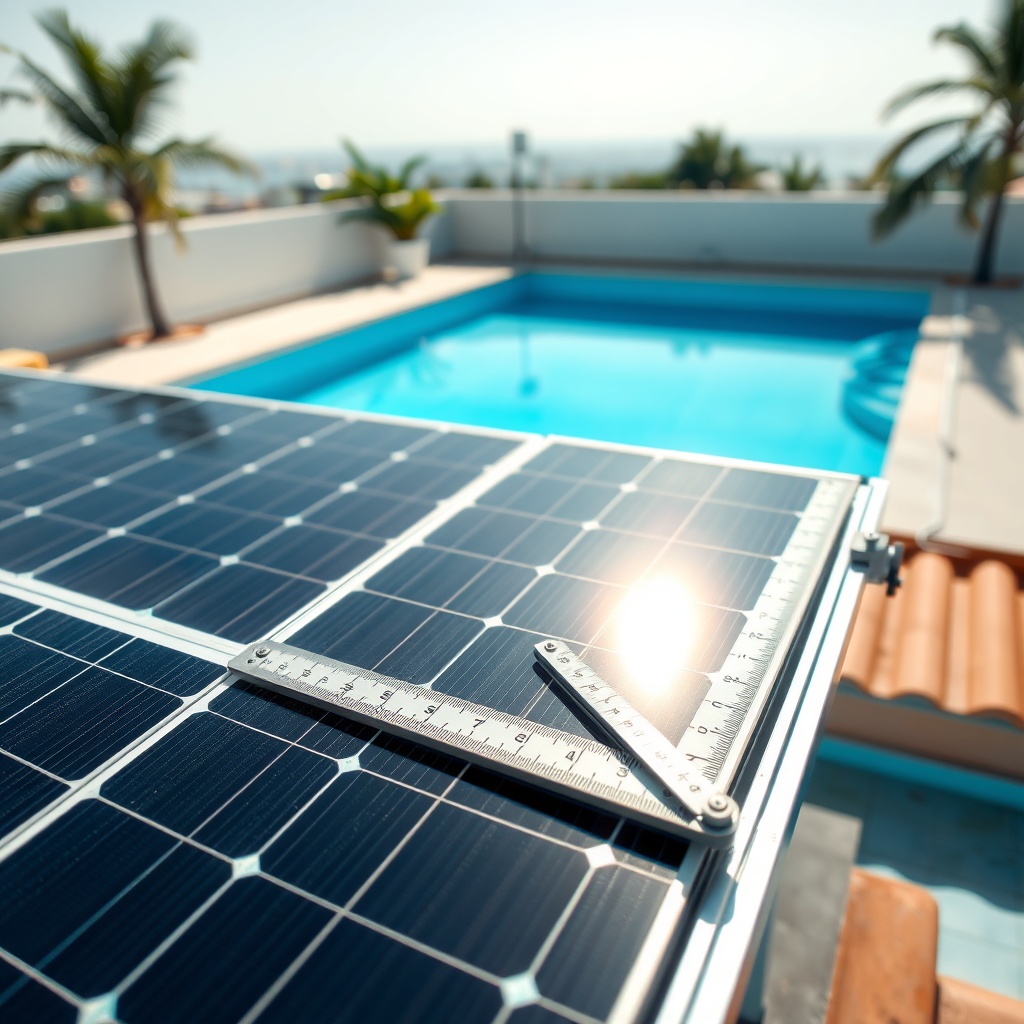
What Tools Do You Need to Adjust Heliocol Panel Tilt?
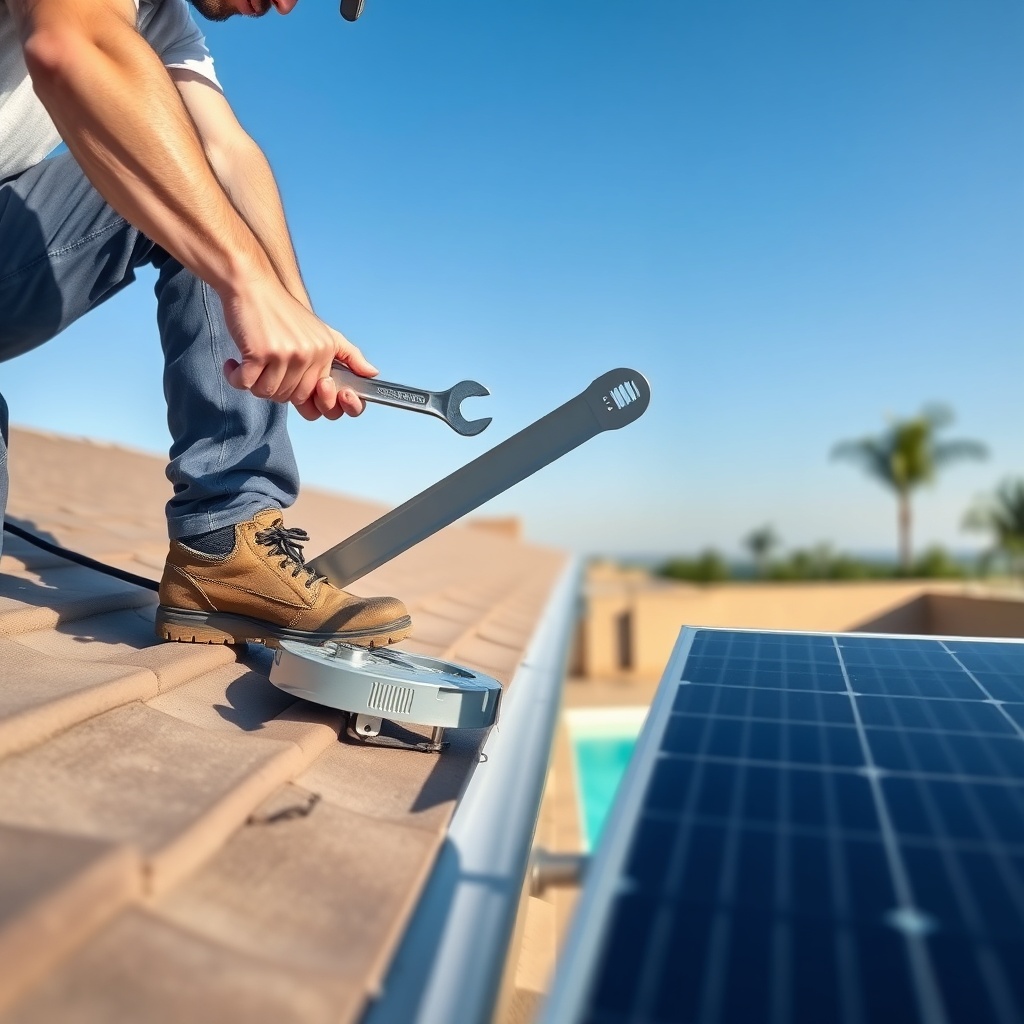
Adjusting the tilt angle on Heliocol panels is a straightforward DIY task if you have the right tools. Most Heliocol systems use an adjustable mounting frame that allows you to change the angle without dismounting the panels. Here is a list of essential tools and materials:
- Adjustable wrench or socket set (typically 10mm or 13mm for Heliocol brackets)
- Angle finder or digital inclinometer for precise measurements
- Ladder or scaffolding for safe roof access
- Safety harness and roof anchors for elevated installations
- Spare stainless steel bolts and nuts (M8 or M10, depending on your bracket model)
- Torque wrench to tighten brackets to manufacturer specifications (usually 20–25 Nm)
Before starting, consult your Heliocol installation manual to identify the pivot points on your specific mounting system. Many Heliocol panels come with pre-drilled holes at fixed angles (e.g., 15°, 30°, 45°), but you can also use slotted brackets for finer adjustments. Ensure all bolts are corrosion-resistant to handle pool chemicals and weather exposure.
How to Calculate the Ideal Tilt Angle for Your Location?
The correct tilt angle depends on your geographic latitude and the season. A simple formula is: optimal winter tilt = latitude + 15°, and optimal summer tilt = latitude – 15°. For example, a home in Phoenix, Arizona (latitude 33.5°N) would use 48.5° in winter and 18.5° in summer. Use the table below as a quick reference for popular U.S. and Australian markets (prices shown in USD and AUD for local context).
| City | Latitude (°N or °S) | Winter Tilt Angle (°) | Summer Tilt Angle (°) | Estimated Annual Savings (USD) | Estimated Annual Savings (AUD) |
|---|---|---|---|---|---|
| Los Angeles, CA | 34.1°N | 49 | 19 | $120–$180 | $180–$270 |
| Phoenix, AZ | 33.5°N | 49 | 18 | $140–$200 | $210–$300 |
| Miami, FL | 25.8°N | 41 | 11 | $80–$130 | $120–$195 |
| Sydney, Australia | 33.9°S | 49 | 19 | $100–$160 | $150–$240 |
| Melbourne, Australia | 37.8°S | 53 | 23 | $130–$190 | $195–$285 |
Note that shading from trees or buildings can reduce gains; always assess the sun path around your roof. For flat roofs, use tilt legs that come with Heliocol systems (available for about $50–$80 USD per pair). For sloped roofs, match the pitch ideally or install brackets to adjust off-roof orientation.
What Is the Step-by-Step Process for Adjusting Heliocol Panel Tilt?
Once you have the target angle, follow these steps to adjust your Heliocol array safely:
- Secure the area: Turn off your pool pump and solar controller at the breaker. Close any shut-off valves to prevent water loss. Ensure the roof is dry and safe.
- Loosen the mounting brackets: Using a wrench, loosen the bolts on the pivot brackets (usually at the bottom of each panel frame). Do not remove them completely—just enough to allow movement.
- Set the new angle: Lift the panels to the desired tilt using your angle finder. Most Heliocol brackets have notch settings; insert the pin or bolt into the correct hole. For slotted brackets, slide the panel up or down until the angle matches.
- Tighten all hardware: Tighten the bolts evenly to the specified torque (20–25 Nm). Check that all panels in the row are aligned—use a level along the top edge of the frame.
- Reconnect and test: Restore power and water flow. Run the pump, and check for leaks at the manifold connections. Monitor the temperature rise over the next day to confirm improvement.
For detailed plumbing considerations during adjustment, refer to the Heliocol Solar Pool Heater Inlet/Outlet Installation Tips to avoid stressing the piping.
What Are the Common Mistakes When Adjusting Tilt?
Even experienced DIYers can make errors that reduce performance. The most frequent mistakes include:
- Over-tightening bolts: This can strip the threads on Heliocol’s polypropylene frames, leading to cracks. Use a torque wrench and avoid cross-threading.
- Ignoring roof load limits: Sheer weight plus snow or wind loads can overwhelm rafters. Always verify roof pitch and structural capacity—some municipalities require engineering approval for angles above 45°.
- Forgetting to clean panels first: Dust and debris block sunlight. Before adjusting, clean the panels as outlined in How to Clean and Maintain Heliocol Solar Pool Heaters.
- Mismatched flow rates: Altering the tilt can change the water head pressure, potentially reducing flow. Check your Optimal Flow Rate for Heliocol Solar Pool Heater to ensure the pump adjusts accordingly.
Adjusting the tilt in extreme heat (above 95°F or 35°C) can warp panels; wait for cooler mornings or evenings.
What Owners Say About Heliocol Seasonal Tilt Adjustments
Homeowners who have set up seasonal tilt routines report noticeable improvements. A pool owner in Texas says, “I spent one Saturday twice a year adjusting the angle on my Heliocol panels. It took 30 minutes and boosted my water temperature by 4°F in winter. I now keep the heater off until October.” Another customer in Brisbane, Australia, notes, “The brackets are easy to switch between 20° and 50°—I crafted a simple chart for my latitude. The panels have lasted 8 years with just this annual maintenance.” However, some caution that steep winter angles can create wind uplift; securing panels with extra tie-downs is recommended in gusty areas. Compared to the Heliocol vs Fafco Solar Bear: Which Solar Pool Heater Is Best?, owners appreciate Heliocol’s modular bracket system that supports angle changes without tools.
Frequently Asked Questions
1. Can I adjust Heliocol tilt without professional help?
Yes, the system is designed for DIY adjustment, provided you have basic tools and follow safety guidelines. Always use a harness for roof work.
2. How often do I need to change the tilt angle?
Twice per year—once in spring for summer settings and once in autumn for winter. Some regions with minimal seasonal variation (near the equator) can leave panels at a fixed angle.
3. What if my roof slope already matches my latitude?
Then you may only need a small adjustment (5–10°) using shim brackets. The Heliocol system’s variable brackets allow this fine-tuning.
4. Will changing the tilt void my warranty?
No, as long as you use genuine Heliocol brackets and do not alter the panel structure. Follow the manufacturer’s torque specs (20–25 Nm) to avoid damage.
5. Can I adjust the tilt on a ground-mounted Heliocol array?
Yes—ground mounts often have adjustable legs. Use the same angle formula, and ensure the frame is anchored against ground swell.
6. How does tilt affect the water flow through the panels?
Steeper angles can increase backpressure slightly, reducing flow rate. Check your pump’s head curve and compare with the Optimal Flow Rate for Heliocol Solar Pool Heater to maintain efficiency.