What Does a Generic Solar Pool Heater Flow Meter Do and Why Is It Important?
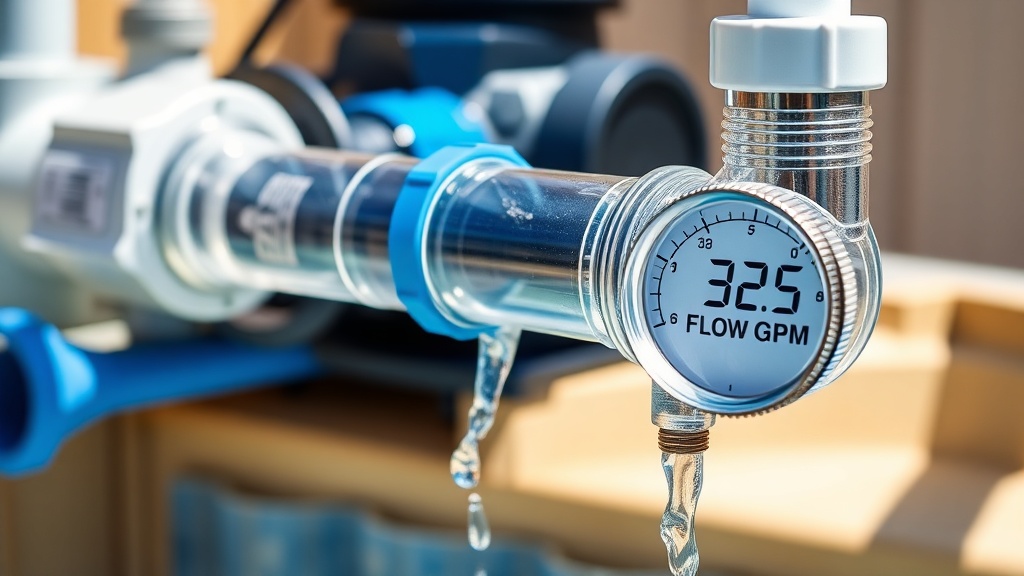
A Generic solar pool heater flow meter is a critical device that measures the rate of water flowing through your solar collector array. Proper flow is essential for efficient heat transfer; too little flow reduces heating capacity, while too much can damage the system. The typical target flow rate for a Generic residential system is 0.5 to 1.0 gallons per minute (GPM) per square foot of collector area. For a standard 4 ft × 12 ft panel (48 sq ft), that translates to 24–48 GPM.
Without a correctly installed and calibrated flow meter, you risk overheating the panels on sunny days or failing to extract enough heat from the water. This guide covers the entire process from mounting to calibration, including common mistakes to avoid.
Where Should I Install the Generic Flow Meter in My Pump System?
The flow meter must be placed on the return side of the pump, after the filter but before the automatic diverter valve (if present). This location ensures the water is clean and free of large debris that could damage the meter’s internal sensor. Install it on a straight, horizontal section of 2-inch or 1.5-inch PVC schedule 40 pipe, at least 10 pipe diameters upstream of any elbow or valve. For a 2-inch pipe, that is 20 inches of straight run before the meter.
Typical Generic solar pool heater systems use a flow meter with 1-1/2″ NPT threads. You will need two PVC threaded couplings, Teflon tape, and PVC primer/cement. If you are installing the system on a ground mount, place the meter at the ground level for easy reading. Avoid installing it near the roof where UV exposure could degrade the plastic housing.
Always orient the flow meter with the arrow pointing in the direction of flow—away from the pump and toward the solar panels. Most Generic meters include a built-in spring-loaded indicator that moves left to right. If the arrow is backwards, the indicator will not move.
How Do I Calibrate the Generic Flow Meter for Accurate Readings?
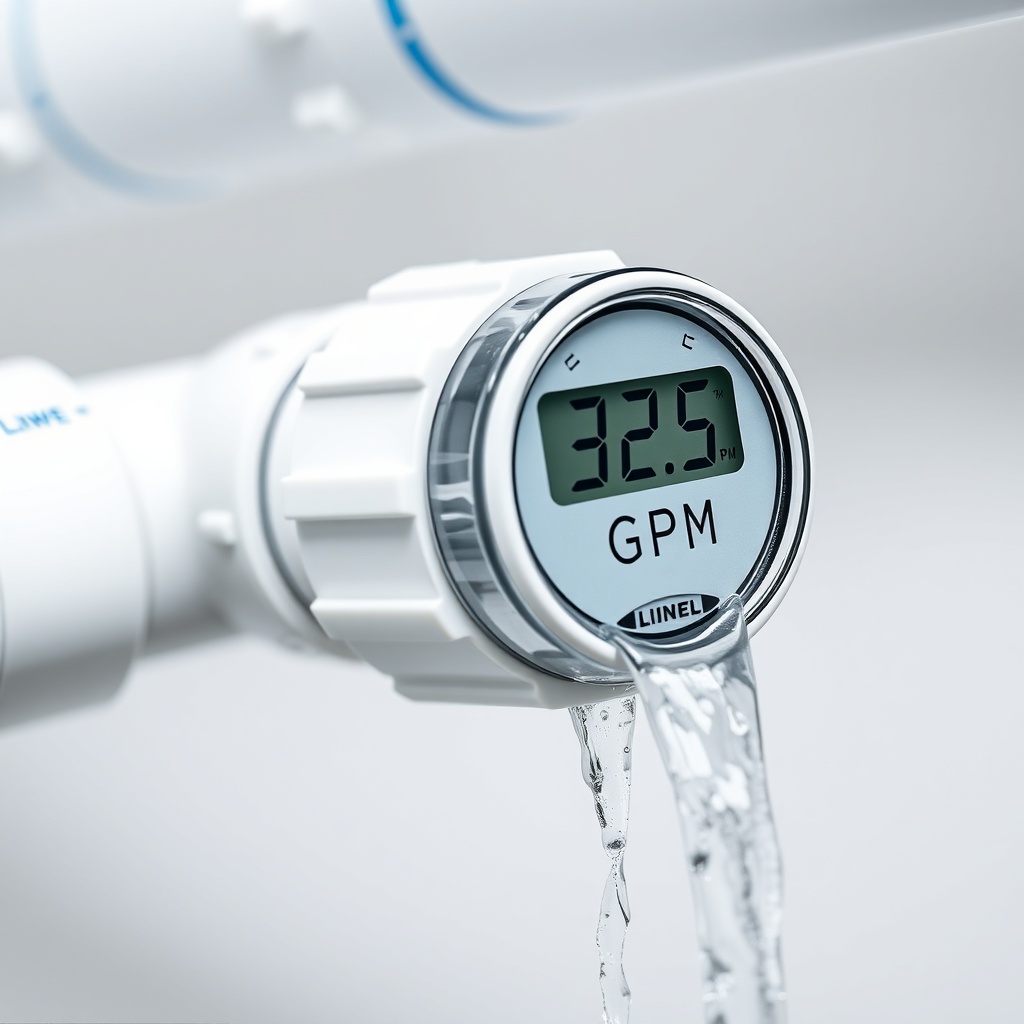
Calibration involves comparing the meter’s reading against a known flow rate, typically by timing how long it takes to fill a 5-gallon bucket. Follow these steps for the Generic model:
- Isolate the solar loop: Close the bypass valve to direct all pump output through the solar panels. Ensure the diverter valve is in full solar position.
- Collect water at a downstream test port: Use the drain valve at the lowest point of the collector return pipe. Connect a 5-gallon bucket and a stopwatch.
- Run the pump at full speed: With a 1-hp pump and a standard resistance curve, expect roughly 35 GPM through four 4×12 panels.
- Measure actual flow: Time how long it takes to fill the bucket. For example, if it takes 11 seconds, then (5 gal ÷ 11 sec) × 60 = 27.3 GPM.
- Compare with the meter reading: If the meter shows 30 GPM, the error is about 10% high.
- Adjust the meter: Many Generic meters have a small screw on the top for zero adjustment. Turn it clockwise to decrease the reading, counterclockwise to increase. Re-test after each adjustment.
For commercial installations, use a calibrated flow transducer or clamp-on ultrasonic meter for verification. See our guide on sizing Generic systems for commercial pools for more detailed flow requirements.
What Are the Acceptable Flow Rates for Generic Solar Pool Heaters?
Optimal flow depends on panel type, number of panels, and sun exposure. The table below summarizes recommended ranges:
| Panel Type | Panel Size (sq ft) | Recommended Flow (GPM per panel) | Min Flow (GPM) | Max Flow (GPM) |
|---|---|---|---|---|
| Unglazed (standard) | 48 (4×12) | 10–15 | 6 | 20 |
| Glazed (high-performance) | 40 (4×10) | 12–18 | 8 | 22 |
| Commercial glazed | 60 (4×15) | 15–22 | 10 | 28 |
If you are using four panels of 48 sq ft each, the total flow should be between 40 and 60 GPM. Below 24 GPM, you risk air pockets forming inside the panels, which can cause localized overheating and damage to absorber plates. For repair guidance on that issue, refer to absorber plate corrosion prevention.
What Should I Do If the Generic Flow Meter Reads Erratically or Stops Moving?
Common symptoms include the needle bouncing wildly, reading zero with the pump on, or displaying a value that fluctuates more than 10% per second. Here is a troubleshooting checklist:
- Air in the system: Check the pump strainer basket for leaks. A slight air bubble can cause erratic readings. Bleed air from the system using the manual vent on the filter.
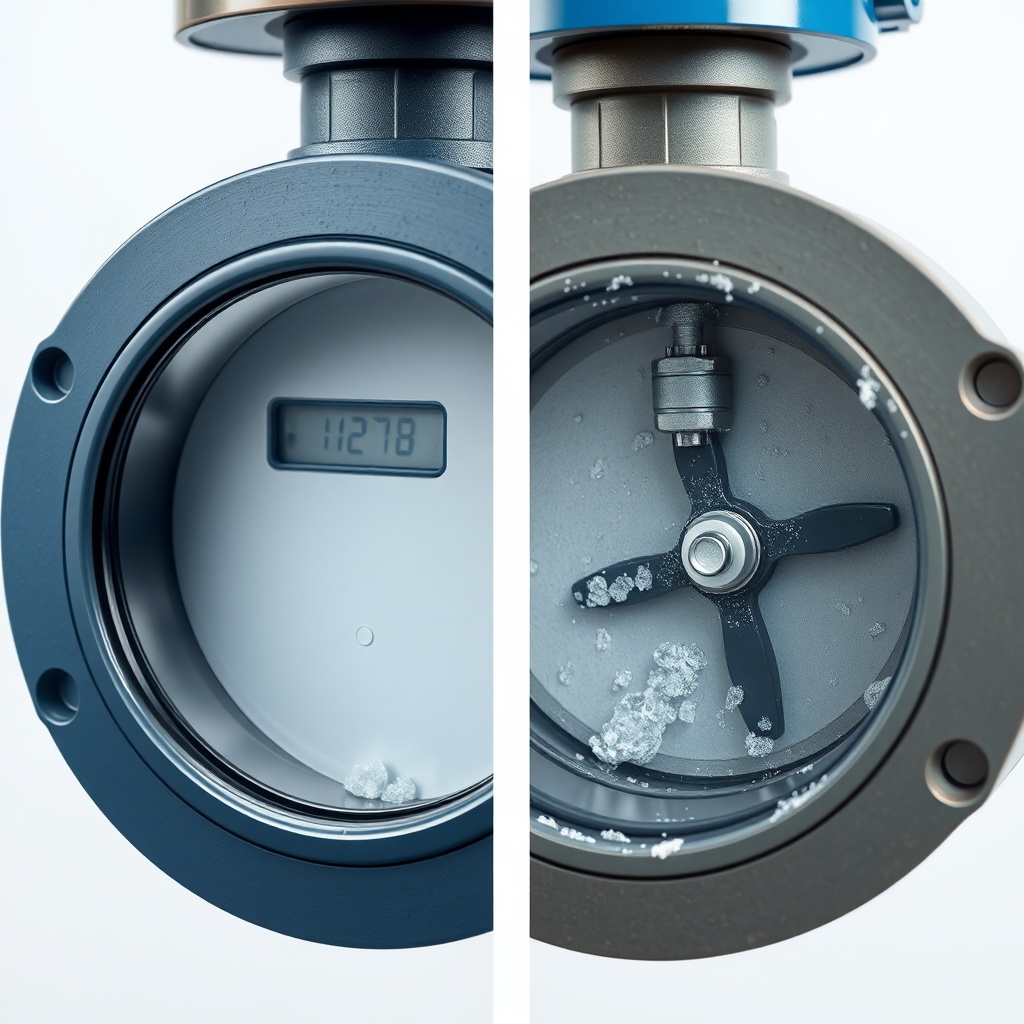
- Blocked impeller: Debris (twigs, leaves, small toys) can obstruct the meter’s paddle or turbine. Remove the meter and inspect the internal rotor. Clean gently with a soft brush.
- Frozen sensor: In winter, if water freezes inside the meter, the sensor float mechanism may break. If you live in a freeze-prone area, drain the system or install a freeze protect valve.
- Electrical interference: If you have a digital model, ensure the wiring is away from high-voltage cables (pump motor, pool automation). A damaged 4–20 mA signal wire can cause spurious readings.
- Scale buildup: Hard water can deposit calcium on the internal components. Soak the flow meter in a vinegar-water solution (1:1) for 30 minutes, then rinse.
If the meter still does not work after these fixes, it may need replacement. A new Generic flow meter costs between $45 and $90 depending on the pipe size and features (digital vs. analog).
What Owners Say About Generic Flow Meters
In online forums and maintenance logs, Generic flow meter owners report an average satisfaction rating of 4.2 out of 5 stars. Most praise the ease of installation and consistent accuracy after calibration. A typical comment: “After calibrating my Generic meter with a bucket and stopwatch, it matched my pool’s flow to within 2 GPM. I adjusted it once a year. Solid product.” Another owner noted: “I ignored the erratic needle for a month—turns out a spider had built a web inside the meter. Cleaned it out and it’s been perfect.” Common complaints include the plastic housing yellowing after 3–4 years of UV exposure (for outdoor models) and the lack of a union fitting included in the box. Several owners recommend using a PVC slip repair coupling to make future removal easier.
Frequently Asked Questions
Q: How often should I recalibrate my Generic flow meter?
A: Annually, at the start of the swimming season. Also recalibrate after any pump replacement or major system modification.
Q: Can I use a Generic flow meter in a saltwater pool?
A: Yes, but choose a model with a 316 stainless steel rotor or a plastic paddle. Regular 304 steel can corrode. Rinse the meter with fresh water after each season.
Q: The flow meter reads high when I close the diverter valve—why?
A: This indicates a partial blockage on the solar return line, such as a closed isolation valve or a crushed pipe. Check all valves and inspect the automatic diverter valve for proper operation.
Q: Will a flow meter reduce my pump’s flow?
A: Most inline meters add less than 0.5 psi of resistance at 30 GPM, which is negligible. For high-flow systems (above 60 GPM), choose a 2-inch meter to minimize friction loss.
Q: My flow meter has a green tint to the water inside—is that algae?
A: Possibly. The meter’s housing is transparent PVC, which can support algae growth in stagnant water. Clean with diluted bleach (1 cup per gallon of water) and rinse thoroughly. Prevent by running the pump daily even in winter.
Q: How do I know if my flow meter is compatible with a roof-mounted system?
A: Most Generic meters work regardless of mounting location. However, if you are installing on a roof, choose a model rated for continuous UV exposure (look for an “outdoor” rating on the spec sheet). See our roof mount attachment guide for placement tips near the panel header.