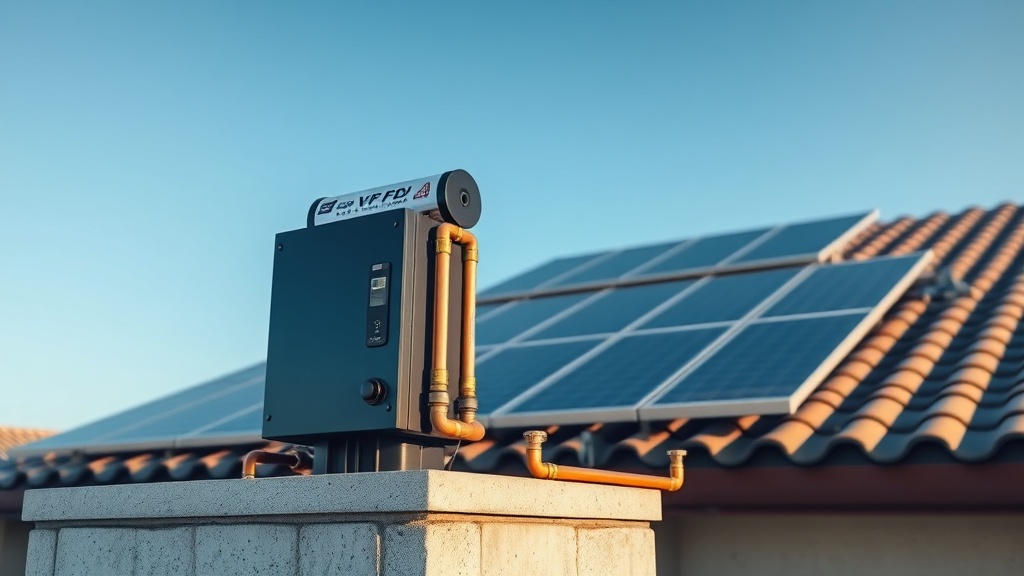
Generic Solar Pool Heater Pump VFD Retrofit Guide: Energy Savings and Flow Control
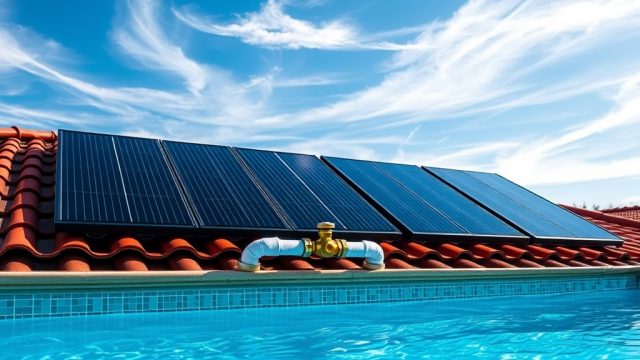
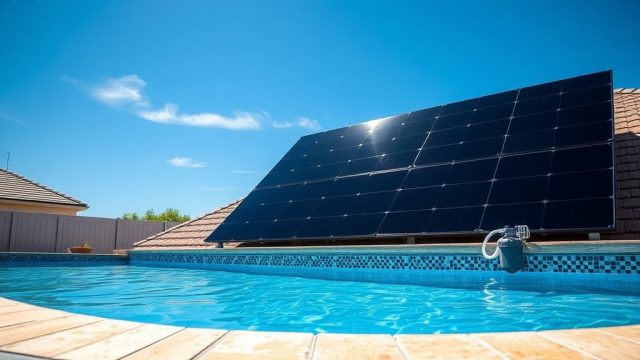
Retrofitting a variable frequency drive (VFD) onto your existing pool pump is one of the most effective ways to reduce energy costs while improving flow control for your Generic solar pool heating system. By precisely matching pump speed to the solar array’s hydraulic demands, you can cut electricity consumption by up to 60% and extend the life of both the pump and the collector panels. This guide covers everything you need to know about selecting, installing, and programming a VFD retrofit for your Generic solar pool heater.
Why retrofit a VFD to an existing pool pump for a Generic solar heater?
Most standard single-speed pool pumps operate at a fixed RPM, often running far faster than necessary for solar circulation. A VFD allows you to dial in the exact flow rate required by your Generic solar panels—typically 3 to 5 gallons per minute per 4×12-foot panel. This reduces wasted energy and prevents excessive pressure that can damage collector headers or overwhelm the vacuum break system. Additionally, lower speeds mean quieter operation and less wear on seals and bearings. For example, a 1.5-horsepower pump running at 2400 RPM might consume 1,800 watts, but dropping to 1800 RPM can cut consumption to roughly 1,000 watts—saving up to $250 per year in electricity at £0.15 per kWh.
How do I select the right VFD for my Generic solar pool heater?
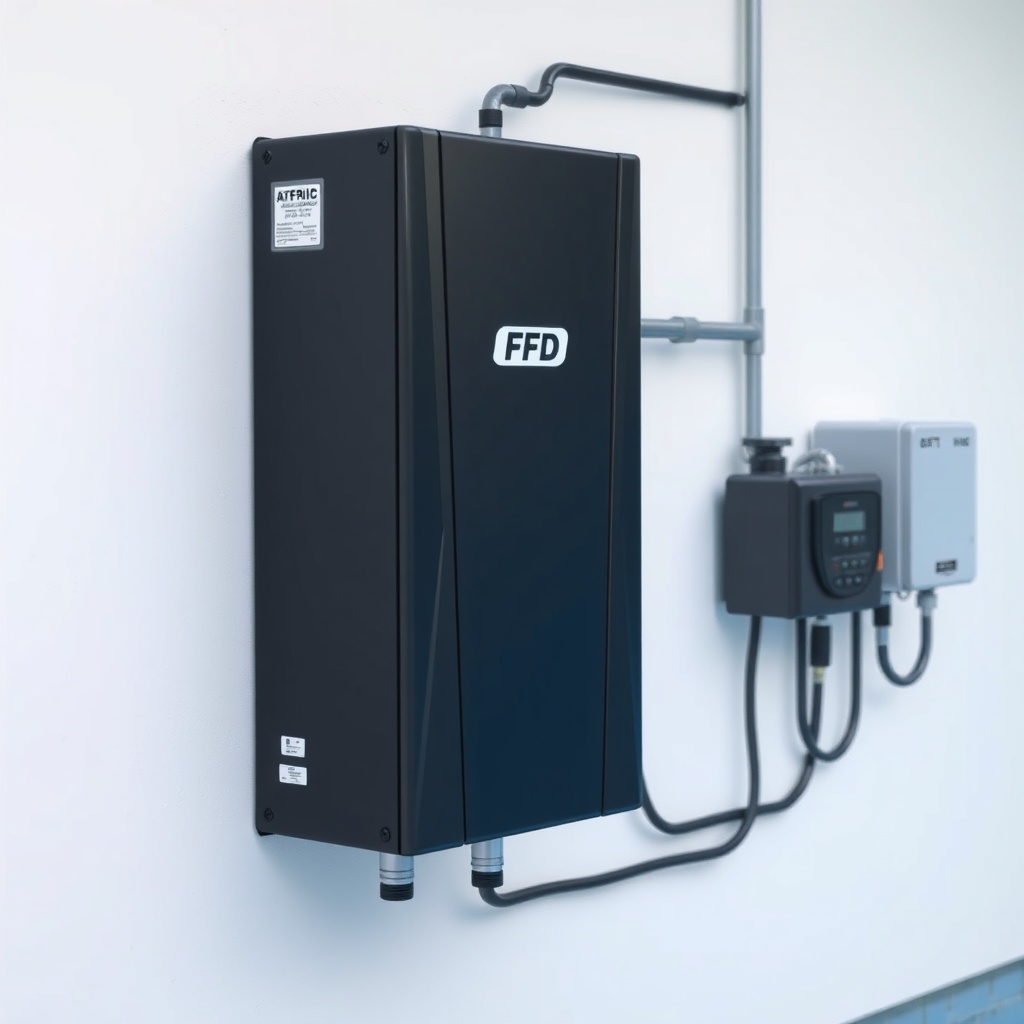
Choosing the correct VFD requires matching the drive to your pump motor’s voltage, horsepower, and phase (single or three-phase). Most residential pool pumps are 230V single-phase, but some larger units may be three-phase. Check the motor’s nameplate for full-load amps (FLA) and horsepower rating. A VFD must be rated for at least 125% of the motor’s FLA to handle startup current. For Generic-based systems with arrays up to 48 panels (approx. 600 sq. ft.), a 2-horsepower VFD is usually sufficient. If you have a larger commercial array, consider a 3- or 5-horsepower drive. Be sure the VFD supports constant-torque or variable-torque settings—pool pumps typically need constant torque at lower speeds.
Typical VFD Specifications for Pool Pump Retrofits
| Pump HP | Motor FLA (230V) | Recommended VFD Rating | Estimated Cost (GBP) |
|---|---|---|---|
| 1.0 HP | 7.5 A | 1.5 HP / 10 A | £180 – £250 |
| 1.5 HP | 10.8 A | 2.0 HP / 14 A | £220 – £320 |
| 2.0 HP | 13.4 A | 2.5 HP / 17 A | £280 – £400 |
| 3.0 HP | 18.2 A | 3.5 HP / 22 A | £350 – £550 |
What steps are involved in installing a VFD for a Generic solar pool heater?
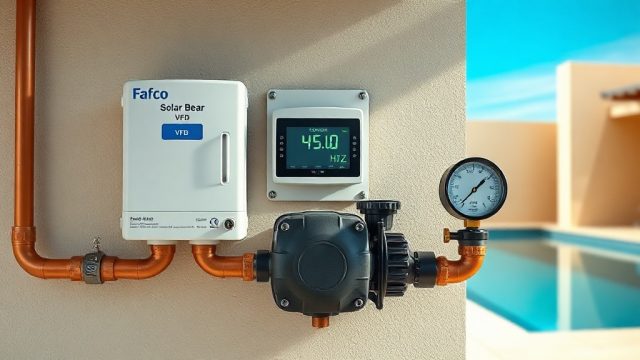
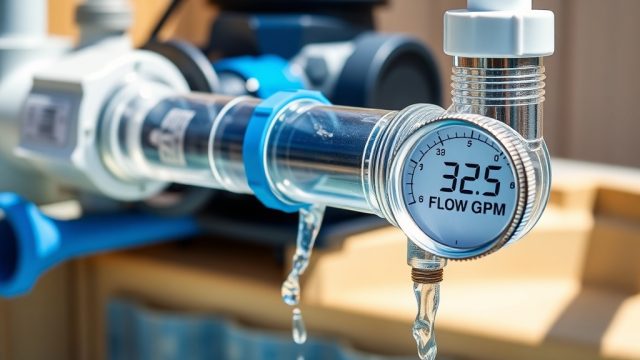
Installation starts with a complete electrical disconnect at the breaker. Mount the VFD in a weatherproof enclosure at least 1.5 metres from the pool edge (UK wiring regulations) and within sight of the pump. Run appropriate gauge wiring from the breaker to the VFD input, then from the VFD output to the pump motor. Do not use a disconnect switch between the VFD and motor. Many Generic systems already include a flow switch or pressure sensor—these can be wired into the VFD’s analog input terminals (0–10V or 4–20 mA) for automatic speed adjustment based on flow. After physical mounting, program the drive parameters: set base frequency to 50 Hz, acceleration time to 10–20 seconds, and minimum speed to 20 Hz (to avoid deadheading). Always test with a flow meter during commissioning. See our Generic Solar Pool Heater Flow Meter Installation and Calibration Guide for precise calibration steps.
How do I program a VFD for optimal flow control with Generic panels?
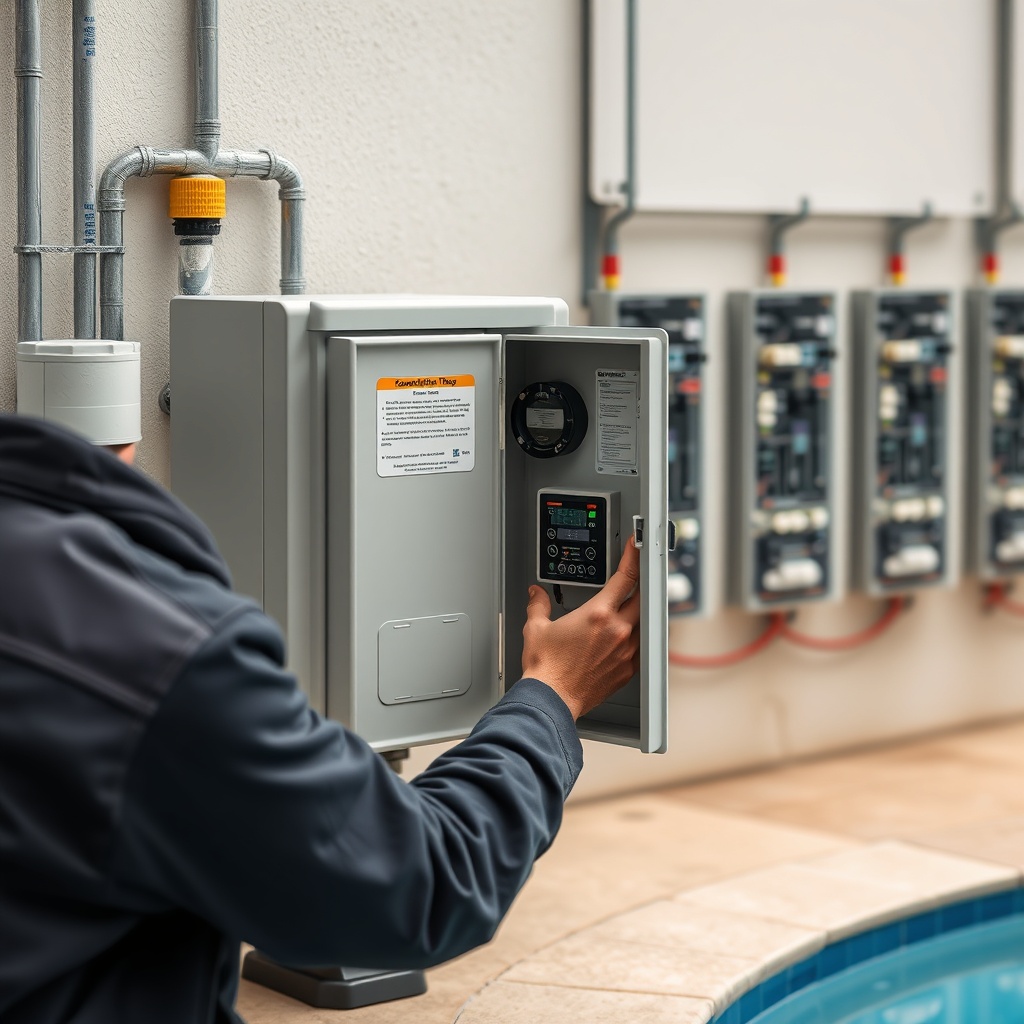
Programming a VFD for a Generic solar heater requires matching pump speed to the collector’s flow requirement curve. Most Generic flat-panel collectors need 4 GPM per panel for maximum heat transfer. Use a flow meter to verify. Set the VFD to run at a base speed of 30 Hz for normal solar operation, which typically moves 30–40 GPM for a medium-sized array (10 panels). When the solar controller calls for heat, the VFD can ramp to 45–50 Hz for high-demand days. For night-time operation or when the solar system is not active, reduce speed to 20 Hz to maintain a low circulation rate (for freeze protection or filtration). Many Generic controllers offer a 0–10V output that can directly control VFD speed. See Generic Solar Pool Heater Wireless Controller Setup and Programming Guide for details on integrating with your existing control system.
Optimal VFD Speed Settings for a Typical Generic 12-Panel Array
| Operating Mode | Target Speed (Hz) | Flow Rate (GPM) | Power Consumption (Watts) |
|---|---|---|---|
| Solar Heating (high demand) | 50 | 48 | 1,600 |
| Solar Heating (moderate) | 35 | 34 | 850 |
| Low circulation / freeze protection | 20 | 18 | 400 |
Will a VFD affect the vacuum break or siphon prevention on my Generic system?
Yes, proper VFD settings are critical for vacuum break operation. Generic’s vacuum break valves rely on a specific pressure differential to open when the pump stops. If the VFD reduces pump speed too slowly or leaves the pump at a low speed during shutdown, the valve might not open fully, leading to potential siphon damage. To prevent this, program the VFD for a fast deceleration (ramp-down time of 3–5 seconds) when the solar pump off command is given. Alternatively, install an external vacuum break relay that independently opens the valve regardless of pump speed. Some users also run the pump at near full speed for 10 seconds before shutdown to clear any trapped gas. For detailed vacuum break installation, refer to the Generic Solar Pool Heater Vacuum Break Installation: Stop Siphon Damage article.
What savings and performance gains are reported by Generic owners after a VFD retrofit?
Owners of Generic solar pool systems that have installed a VFD retrofit consistently report energy savings of 50–65% compared to running a single-speed pump full-time. Many note that the pump is virtually silent at low speeds, making evening swims more enjoyable. One user in Texas documented saving £280 annually on electricity while maintaining a pool temperature of 84°F (29°C) during peak season. Others appreciate the ability to precisely tune flow to match their collector orientation—south-facing arrays can use slightly lower speeds. Pool professionals also highlight reduced chemical usage because lower flow rates reduce pH drift. Common feedback: “I wish I had done this years ago. The payback period was under two seasons, and my Generic panels have never worked better.”
Frequently Asked Questions
Can I install a VFD myself, or do I need a professional electrician?
While a competent DIYer with electrical experience can install a VFD, UK regulations require that any permanent connection to the mains must comply with Part P of the Building Regulations. Using a certified electrician ensures proper bonding, grounding, and compliance, especially near water.
Will a VFD work with any brand of pool pump motor?
Most modern induction motors rated for inverter duty are compatible. However, older motors with split-phase or capacitor-start designs may not handle PWM waveforms well. Check the motor nameplate for “inverter-rated” or “VFD-ready” labels. If not, consider a motor upgrade.
How long does it take to recoup the cost of a VFD retrofit for my Generic system?
Typical payback ranges from 1.5 to 3.5 seasons, depending on local electricity rates and pump runtime. With a 1.5-HP pump running 10 hours daily, a VFD costing £300 can save about £150 per year, achieving payback in about two years.
What happens if my existing Generic flow switch is not compatible with a VFD?
Some flow switches use a paddle that can chatter at low flow rates. Replace it with a solid-state flow sensor or a pressure transducer that provides a 4–20 mA signal for the VFD. Our Generic Solar Pool Heater Flat Panel vs Evacuated Tube: Performance and Cost Comparison guide includes flow recommendations for both collector types.
Will a VFD damage my Generic solar panels if I run the pump at very low speeds?
Running below 20 Hz for extended periods may cause laminar flow in the collector tubes, reducing heat transfer efficiency and potentially trapping air. Always maintain a minimum flow rate (usually 3 GPM per panel) as specified in your Generic Solar Pool Heater Roof Mount Attachment Methods: Pros and Cons of Rails vs Clips guide. The VFD’s minimum frequency parameter should be set to prevent this.
Can I integrate my VFD with a smart home system or Generic wireless controller?
Yes, many VFDs accept 0–10V or Modbus RS485 inputs. The Generic wireless controller typically outputs 0–10V based on collector temperature. Wire this signal to the VFD analog input. For advanced integration, see SolarPoolWise Controller Programming Tips: Optimizing Heating Schedules.