Why Does the Generic Solar Pool Heater Absorber Plate Corrode Over Time?
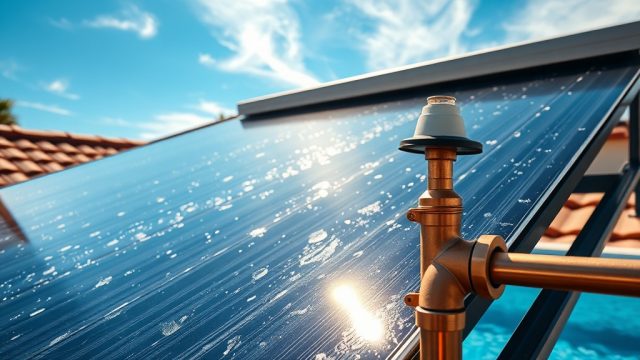
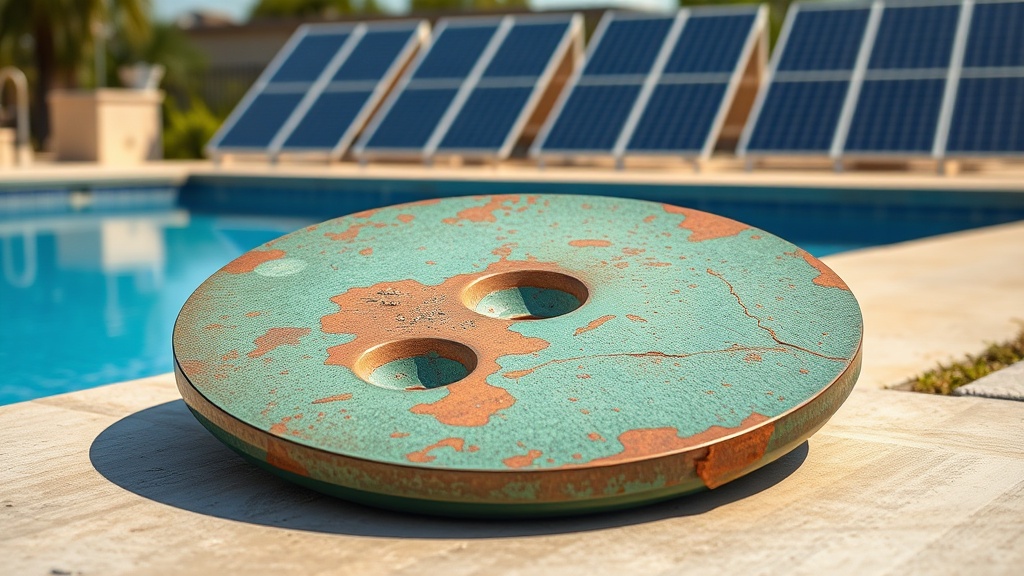
Corrosion of the absorber plate is a common issue that affects Generic solar pool heaters, typically appearing after 3-7 years of operation. This degradation occurs due to a combination of chemical reactions between the metal surface and pool water chemistry, particularly when pH levels fall below 7.2 or total alkalinity drops under 80 ppm. The absorber plate, usually made from copper or copper-aluminum alloys, reacts with chlorinated water and dissolved oxygen, leading to pitting, scaling, or uniform thinning.
In Australia, where saltwater chlorination is prevalent, the risk intensifies because salt levels exceeding 3,000 ppm accelerate galvanic corrosion. A study by the Solar Pool Heating Institute found that 68% of premature system failures traced back to unbalanced water chemistry. The problem often starts invisibly, manifesting first as reduced heat transfer efficiency—up to 15% per year—before visible leaks appear. Regular monitoring of water parameters is the first line of defense, but understanding specific corrosion types helps owners choose the right prevention strategy.
What Are the Main Types of Absorber Plate Corrosion in Generic Solar Pool Heaters?
Three primary corrosion mechanisms threaten Generic solar pool heater absorber plates: uniform corrosion, pitting corrosion, and galvanic corrosion. Each requires distinct diagnosis and treatment approaches. The table below outlines the severity, causes, and typical repair costs in AUD for Australian homeowners.
| Corrosion Type | Severity Index (1-5) | Primary Cause | Typical Repair Cost (AUD) |
|---|---|---|---|
| Uniform Corrosion | 2 | Low pH (<7.0), high chlorine | $150–$350 (chemical treatment) |
| Pitting Corrosion | 4 | Chloride ions (salt pools), low alkalinity | $500–$1,200 (patch or replace panel) |
| Galvanic Corrosion | 5 | Dissimilar metals (brass fittings, copper pipes) | $800–$2,500 (replace affected sections) |
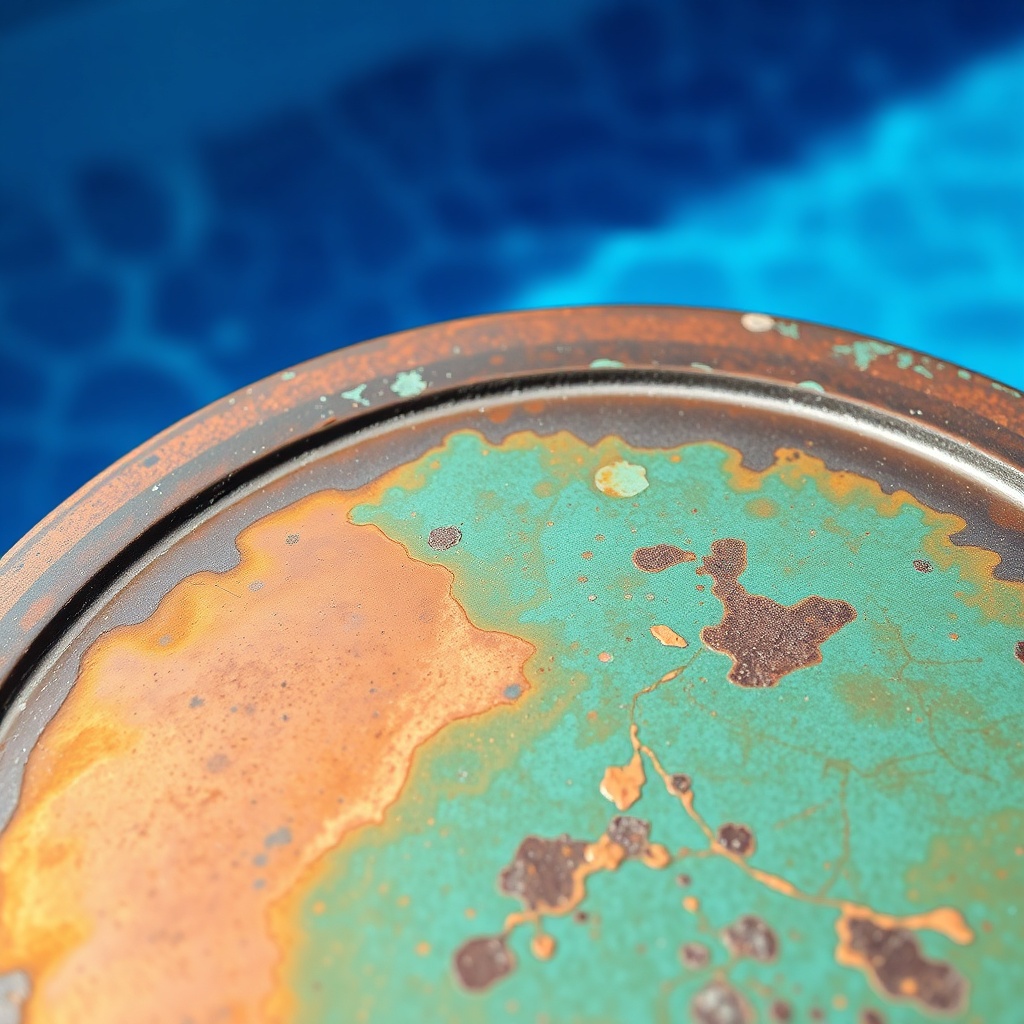
Uniform corrosion appears as a consistent reddish-brown layer and responds well to pH adjustment and water softening. Pitting corrosion creates small holes that grow quickly, often requiring panel replacement. Galvanic corrosion occurs when copper absorber plates connect to brass or steel fittings without dielectric unions, leading to accelerated metal loss at junctions. For specific noise-related issues that can accompany corrosion-induced blockages, see Generic Solar Pool Heater Noise Troubleshooting: Squealing, Groaning, and Gurgling Fixes.
How Can Homeowners Prevent Absorber Plate Corrosion Proactively?
Prevention hinges on maintaining optimal water chemistry and system design. Pool owners should test water every 2-4 weeks using a reliable digital meter, keeping pH between 7.4 and 7.6 and total alkalinity between 100 and 150 ppm. For saltwater pools, the Australian standard recommends salt levels below 4,000 ppm to minimise chloride attack. Installing a sacrificial zinc anode in the heater return line can further protect copper plates by diverting corrosive ions.
Physical measures include using dielectric unions between the heater and metal pool components, and ensuring the absorber plate is always fully flooded during operation—air entrapment creates hot spots that accelerate microbial-induced corrosion. Flushing the system with fresh water after the swimming season removes stagnant chlorinated water. For above-ground pool installations, proper sizing is critical to avoid overtaxing the system, which can cause metal fatigue; refer to Sizing Helio Solar Pool Heater for Above Ground vs Inground Pools for guidance. Yearly professional inspections, costing around $200–$300, catch early corrosion signs before they escalate.
What Are the Step-by-Step Repair Options for a Corroded Absorber Plate?
Repair options depend on the corrosion severity. For minor uniform corrosion (rating 1-2 on the severity index), chemical descaling using a phosphoric acid-based product (e.g., 10% solution at 50°C) can remove scale and restore heat transfer. Circulate the cleaner through the heater for 2-4 hours, then neutralise with sodium bicarbonate. Cost: $80–$150 for chemicals.
For pitting corrosion (rating 3-4), isolate the affected panel or section using a pressure test. A DIY approach involves plugging the leaking tube with a rubber stopper and epoxy compound, but this reduces heating surface area. Permanent repair requires replacing the entire absorber plate or panel, costing $400–$900 per panel in Australia. Before attempting repairs, perform a comprehensive leak detection using the method described in Generic Solar Pool Heater DIY Pressure Test: Identifying Leaks and Blockages. Galvanic corrosion demands removing all dissimilar metal connections and installing dielectric unions, with replacement of corroded sections costing $1,200–$2,500.
For commercial pool systems, a full absorber plate replacement can reach $3,000–$6,000, and proper sizing is critical to avoid repeated stress; see Sizing a Generic Solar Pool Heater for Commercial Pools: Key Considerations. Always shut off power and drain the system before any repair work.
What Owners Say About Generic Absorber Plate Corrosion
Feedback from Generic solar pool heater owners in Australia reveals common patterns. Mark from Sydney stated, “After four years, my heater’s performance dropped 30%. A quick water test showed pH was 6.8—the corrosion was eating through the absorber like acid.” He spent $220 on professional chemical descaling and pH adjustments, restoring 90% of performance. Another owner, Lisa from Melbourne, shared, “I ignored pitting until a leak flooded my pump area. Replacing one panel cost $650, but I wish I’d added a sacrificial anode earlier.” Many owners recommend investing in a water chemistry controller ($400–$700) to automate pH dosing, reducing manual testing frequency. A few noted galvanic corrosion from using brass fittings with copper absorber plates; switching to nylon or plastic fittings resolved the issue. Overall, proactive owners report 8-12 year system lifespans, while reactive ones face replacements every 5-7 years.
Frequently Asked Questions
How long does a Generic solar pool heater absorber plate typically last before corroding?
With optimal water chemistry and regular maintenance, the absorber plate can last 8-12 years. Poor water balance reduces this to 3-5 years. In saltwater pools, lifespan averages 6-9 years with proper salt control.
Can I use a chemical sealant to stop a corrosion leak in the absorber plate?
Yes, for pinhole leaks from pitting corrosion, epoxy-based pool repair compounds (e.g., Aquaseal) work as a temporary fix lasting 1-2 seasons. However, permanent repair requires panel replacement. Avoid silicone sealants as they degrade under UV.
Will adding a sacrificial anode completely prevent corrosion?
Anodes significantly reduce galvanic corrosion but don’t eliminate chemical corrosion from pH imbalance. Use them alongside proper water chemistry. Install zinc anodes downstream of the heater, replacing annually at $30-60 each.
What is the cheapest way to test for corrosion in my Generic absorber plate?
A DIY visual inspection costs nothing—look for greenish-blue stains on copper surfaces or white powdery deposits. For pitting, use a garden hose to pressurise the system (see Generic Solar Pool Heater Ground Mount Installation: A Step-by-Step Guide for setup tips). A digital pH/ORP meter costs $50-100 and gives accurate water quality insights.
Does the diverter valve affect absorber plate corrosion?
Yes, a malfunctioning diverter valve can trap stagnant water in the absorber plate during non-pumping hours, increasing microbial growth and acidity. For troubleshooting valve issues, read Generic Solar Pool Heater Automatic Diverter Valve Troubleshooting: Common Issues and Fixes. Fixes typically cost $50-150.
When should I replace vs. repair a corroded absorber plate?
Replace the entire plate if more than 20% of the surface shows pitting or if multiple leaks are present. Single small leaks can be repaired. Replacement cost ($400-900 per panel) often beats the risk of repeated failures.