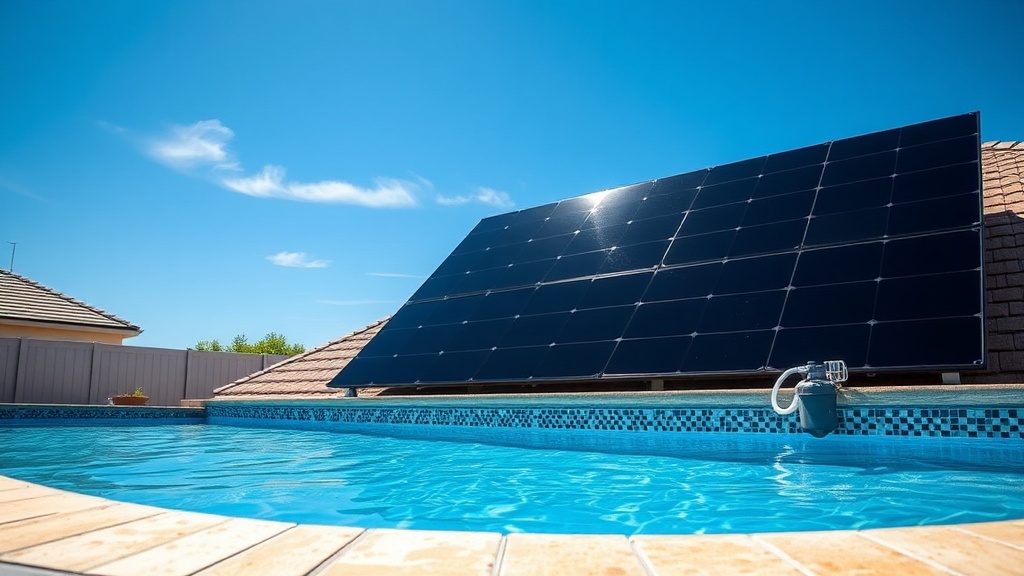
What is the Pressure Drop of a SunStar Solar Pool Heater and Why Does It Matter?
When installing a SunStar solar pool heater, understanding pressure drop is critical for maintaining efficient system flow. Pressure drop refers to the resistance the water encounters as it travels through the solar collector panels, and it directly impacts pump performance and energy consumption. For SunStar panels, the typical pressure drop ranges from 1.5 to 4.0 psi (pounds per square inch) per panel, depending on the model and flow rate, which makes pump sizing a non-negotiable step in the design process.
Ignoring pressure drop can lead to reduced water circulation, uneven heating, and premature wear on the pump. A system with excessive pressure drop may force the pump to work harder, increasing electricity costs and reducing the lifespan of the equipment. For pool owners in the USA, where 1.5 HP pumps are common, calculating total system resistance ensures the SunStar heater delivers optimal thermal output without compromising flow.
How Does SunStar Solar Pool Heater Pressure Drop Affect Pump Selection?
The pressure drop of SunStar solar panels dictates the required pump head capacity. Each panel adds a specific resistance, and when multiple panels are connected in series or parallel, the cumulative effect must be accounted for. For example, a single SunStar 4×12 panel at 10 gallons per minute (GPM) has a pressure drop of approximately 2.2 psi, but at 20 GPM, this rises to around 3.5 psi.
When selecting a pump, pool owners should refer to the pump’s performance curve to ensure it can overcome the total pressure drop while delivering the target flow rate. A pump rated at 1.0 HP might handle 40 GPM at 10 psi, but adding three SunStar panels in series could push the system resistance to 12 psi, requiring an upgrade to a 1.5 HP pump. For a detailed breakdown of pump sizing, see the SunStar Solar Pool Heater Pump Sizing Guide: Choosing the Right Flow Rate.
What Are the Typical Pressure Drop Values for Different SunStar Panel Configurations?
SunStar offers several panel sizes and configurations, each with distinct pressure drop characteristics. The table below summarizes typical values at standard flow rates for common residential setups. Note that these values assume clean panels and straight piping; additional fittings and valves will increase resistance.
| Panel Model | Number of Panels | Flow Rate (GPM) | Pressure Drop (psi) | System Head Loss (ft) |
|---|---|---|---|---|
| SunStar 4×10 | 2 in series | 20 | 3.8 | 8.8 |
| SunStar 4×12 | 2 in parallel | 30 | 2.1 | 4.8 |
| SunStar 4×14 | 3 in series | 25 | 5.4 | 12.5 |
| SunStar 4×8 | 4 in parallel | 40 | 1.8 | 4.2 |
Parallel configurations generally yield lower pressure drop, which is beneficial for pumps with limited head capacity. Series setups increase pressure drop but can improve heat transfer in colder climates where higher temperature rise is desired. Always consult the SunStar installation manual for precise values, as panel age and debris can alter performance.
How Can Pool Owners Measure and Optimize Pressure Drop in Their SunStar System?
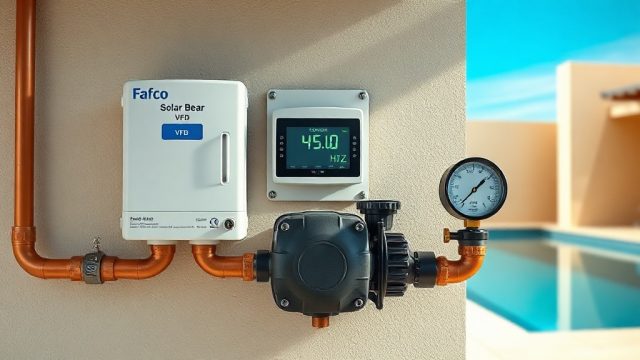
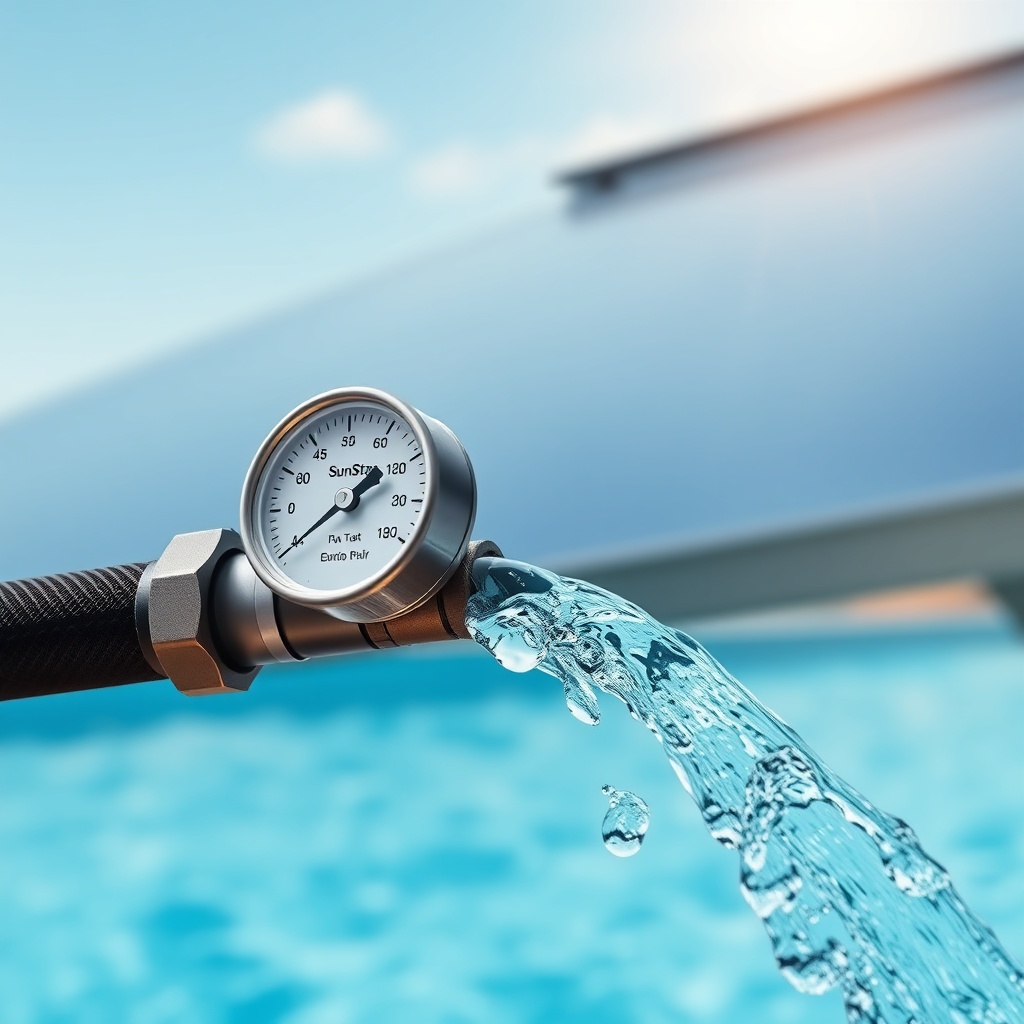
Measuring pressure drop in a SunStar solar pool heater requires a differential pressure gauge or a pair of pressure gauges installed before and after the collector array. The difference in readings gives the exact pressure loss across the panels. For a DIY approach, a simple gauge with a 0-15 psi range is sufficient for most residential systems.
To optimize pressure drop, pool owners can take several steps. First, ensure all valves are fully open and check for kinked hoses or clogged filters, as these can artificially increase resistance. Second, consider adding a bypass loop for maintenance or when solar heating is not needed, which reduces pump load. Third, adjust the panel configuration—switching from series to parallel can lower pressure drop by up to 50%. For more on optimizing the overall system, refer to the Matching a Heat Exchanger to Your SunStar Solar Pool Heater System.
What Impact Does Pressure Drop Have on Energy Efficiency and Operating Costs?
Higher pressure drop forces the pump to consume more electricity. For a typical 1.5 HP pump running 8 hours per day, a pressure drop increase of 2 psi can raise annual energy costs by approximately $50 to $80, depending on local electricity rates in the USA, which average $0.14 per kWh. Over the 10-year lifespan of SunStar panels, this can amount to $500–$800 in extra expenses.
Conversely, minimizing pressure drop through proper panel layout and pipe sizing can reduce pump run time and wear. Using larger diameter pipes (e.g., 2-inch instead of 1.5-inch) for the main supply lines can cut pressure drop by 30-40%. Pool owners should also consider variable-speed pumps, which adjust flow to match system needs, resulting in quieter operation and lower bills. For advanced control options, see the SunStar Solar Pool Heater Wireless Controller Setup and Programming Guide.
How Does the Roof Mount Configuration Influence Pressure Drop in SunStar Panels?
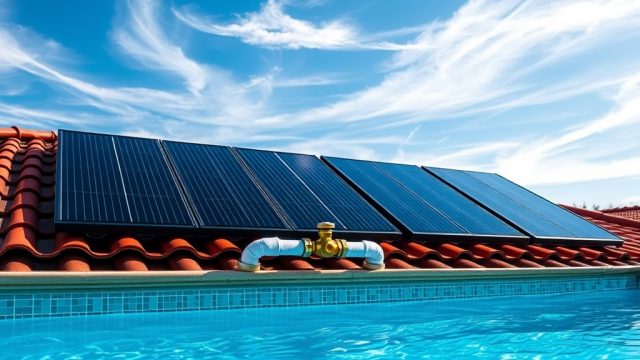
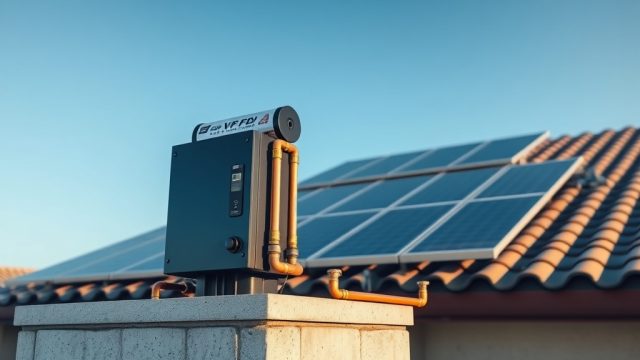
The roof mount tilt angle and layout of SunStar panels can significantly affect pressure drop. Panels installed at a steeper tilt (e.g., 30-45 degrees) may experience slightly higher friction due to the elevation change, though the difference is usually minor—under 0.5 psi. More impactful is the pipe routing: long horizontal runs or multiple 90-degree elbows add substantial resistance.
Optimizing the roof mount for minimal pressure drop involves keeping panel arrays as compact as possible and using sweep elbows instead of sharp bends. Additionally, ensuring the panels are positioned to avoid air pockets (which can cause flow blockage) is crucial. For detailed guidelines on tilt angles, consult the SunStar Solar Pool Heater Roof Mount Tilt Angle Optimization: Best Summer and Winter Settings.
What Owners Say About SunStar Solar Pool Heater Pressure Drop
Owners of SunStar solar pool heaters frequently highlight the importance of proper pressure drop management in their reviews. Many report that after switching from series to parallel panel configurations, their pump noise decreased and flow improved noticeably. One Florida homeowner noted that their electricity bill dropped by $30 per month after they installed a variable-speed pump and reconfigured their four 4×12 panels in parallel.
Another common tip from experienced users is to install a pressure relief valve after the solar array to protect against clogs. Some owners mention that annual cleaning of the panels—using a gentle hose spray to remove debris—helped maintain consistent pressure drop, preventing the gradual increase they observed after two years. However, a few caution that undersizing the pump leads to frustration, with one Texas owner reporting that their SunStar system only heated the pool by 2 degrees Fahrenheit until they upgraded to a larger pump based on the pressure drop data.
Frequently Asked Questions About SunStar Solar Pool Heater Pressure Drop
1. What is a normal pressure drop for a SunStar solar pool heater?
For a typical residential system with two to four panels, a pressure drop of 2 to 6 psi is normal at flow rates of 20-40 GPM. Always check the manufacturer’s specifications for your specific panel model.
2. Can high pressure damage a SunStar solar collector?
Yes, excessive pressure drop (above 10 psi) can stress the panel headers and lead to leaks or cracking. Use a pressure gauge to monitor and avoid exceeding the recommended maximum of 12 psi for most SunStar panels.
3. How do I reduce pressure drop in my SunStar system?
Convert series-connected panels to parallel, increase pipe diameter to 2 inches, remove unnecessary fittings, and clean filters regularly. Also, ensure the pump is not oversized, as excess flow can increase resistance.
4. Does the SunStar controller help manage pressure drop?
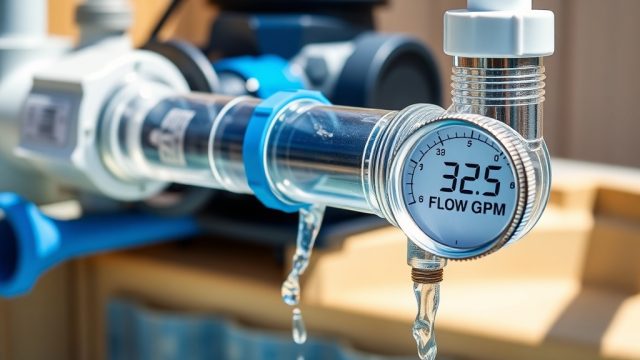
While the controller primarily manages temperature and pump activation, integrating it with SunStar Solar Pool Heater Controller Smart Grid Integration: How to Connect and Program can alert you to flow issues. Some advanced models include flow sensors that shut off the pump if pressure drop exceeds a threshold.
5. How often should I check the pressure drop?
Check at the start of each pool season and after heavy rain or wind, which can clog panels with debris. Annual inspections are recommended, and owners should also verify pressure drop if they notice reduced heating performance.
6. Can temperature sensor calibration affect pressure drop readings?
Not directly, but accurate sensor data helps the controller operate efficiently. If the pump runs unnecessarily due to faulty sensors, it can cause wear that might alter pressure drop over time. Learn more in SunStar Solar Pool Heater Temperature Sensor Calibration: How to Improve Accuracy.