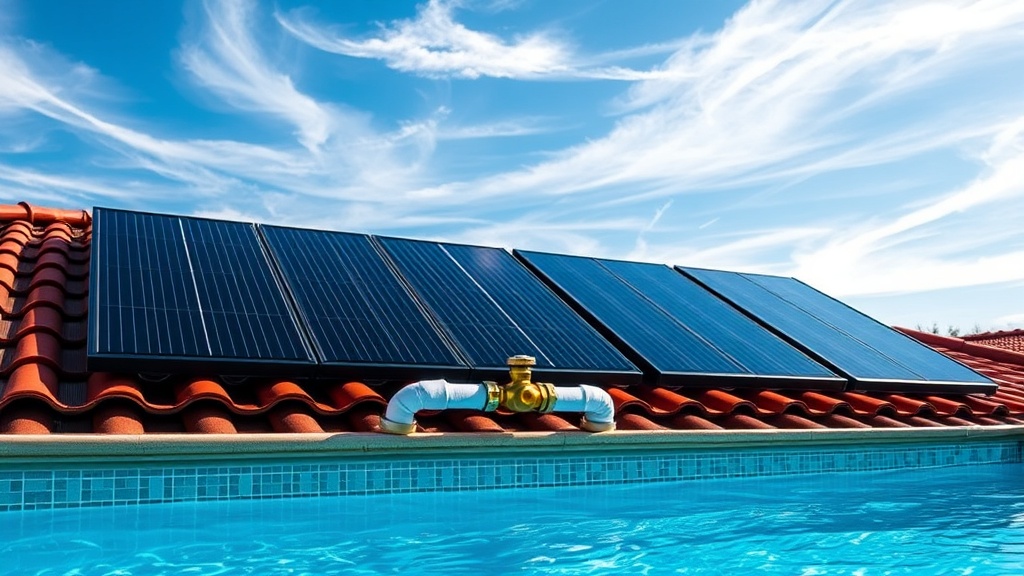
Why Does Pipe Insulation Matter for a Fafco Solar Bear System?
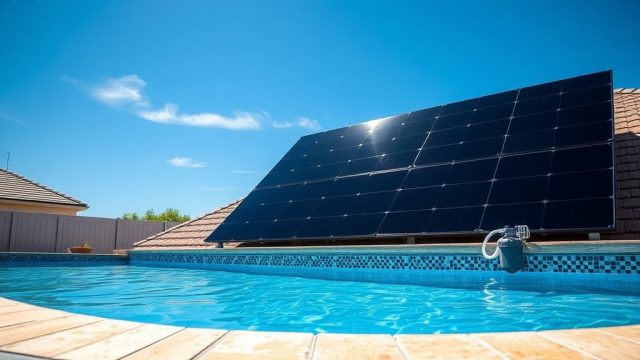
For any solar pool heating setup, the Fafco Solar Bear collector array is only half the story. The pipes that carry heated water from the roof to your pool are just as critical. Without proper insulation, all the BTU gain from your Solar Bear panels can bleed away before reaching the pool pump. Heat retention starts at the plumbing, and best practices around insulation directly affect system efficiency and operating costs.
Poorly insulated pipes force your pump to run longer cycles to achieve the same temperature rise, increasing electricity consumption. In regions with mild winters, uninsulated return lines can also contribute to heat loss overnight, undoing the day’s solar gain. This article outlines proven insulation strategies to keep your Fafco Solar Bear system performing at its peak, focusing on flow rates, pump load, and seasonal considerations.
Which Pipe Sections Demand the Most Attention?
The most vulnerable sections are the return line from the collectors to the pool and any exposed horizontal runs near the roof edge or pump pad. Feeder lines on the roof itself, especially in cold climates, also need coverage. Prioritize these areas:
- Return header pipes: These carry the hottest water (up to 120°F / 49°C on sunny days) and lose heat fastest when exposed.
- Roof-to-ground drops: Unprotected vertical runs can lose 10–15% of thermal energy before water reaches the pump.
- Pump suction side: While less critical for heat loss, insulating here prevents condensation and reduces pump noise.
- Valve and fitting clusters: Gaps at elbows, tees, and ball valves are common thermal bridges. Use pre-slit foam or mastic-sealed wraps.
A typical 4×20 ft Solar Bear panel array with 100 ft of exposed 2-inch PVC returns can lose up to 2°F per 50 ft of uninsulated pipe on a windy day. That adds up over a 6-hour pump cycle.
What Insulation R-Value Is Optimal for Fafco Solar Bear Plumbing?
For outdoor pool solar installations, the recommended insulation thickness for plastic pipe (PVC or CPVC) is 1 to 1.5 inches of closed-cell foam. That corresponds to an R-value of 4.2 to 6.3. In warmer climates (USDA zones 8–10), 1-inch (R-4.2) may suffice. For zones 5 and below, go with 1.5-inch thick insulation to guard against freeze breakthrough and heat loss on cold, cloudy days.
| Insulation Thickness (inches) | Typical R-Value | Recommended Climate Zone | Cost per 10 ft of 2-in Pipe (AUD) |
|---|---|---|---|
| 0.5 | 2.1 | Warm (zones 9–10, mild winter) | $12 |
| 1.0 | 4.2 | Moderate (zones 6–8) | $18 |
| 1.5 | 6.3 | Cold (zones 3–5) | $26 |
| 2.0 | 8.4 | Severe freeze risk (zones 1–2) | $38 |
Costs are approximate for standard pre-slit polyethylene foam. Fafco Solar Bear systems typically use 2-inch PVC for the main loop, so insulation ID should match snugly. Use zip ties or UV-resistant tape every 2 feet to secure sections.
How Does Insulation Affect Pump Flow Rate and Energy Use?
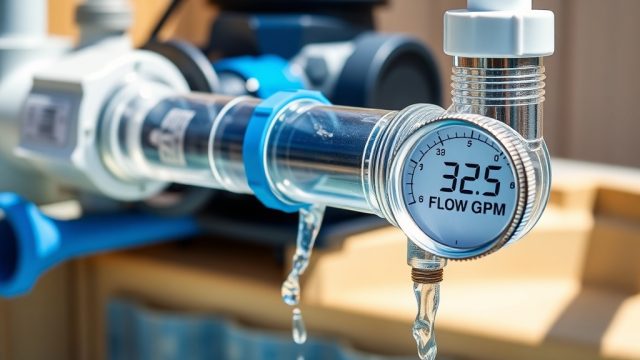
Insulation directly influences the pump flow rate and overall system hydraulics. Here’s the relationship:
When pipes are uninsulated, water cools faster, and the pump must run longer to deliver the same total heat to the pool. That increased runtime drives up electricity bills. Conversely, well-insulated return lines maintain higher water temperature, allowing the pump to push the same volume with less time at full speed. For a fixed-speed pump (say, 1.5 HP running at 60 GPM), insulating 100 ft of 2-inch return pipe can reduce daily pump runtime by 20–30 minutes during peak season. At $0.25 per kWh, that saves around $7 to $10 per month.
Moreover, insulated pipes reduce the risk of condensation on the pump suction side, which can cause corrosion on metallic pump housings. For more on optimizing flow, see Fafco Solar Bear Pressure Drop Analysis: Optimizing System Flow.
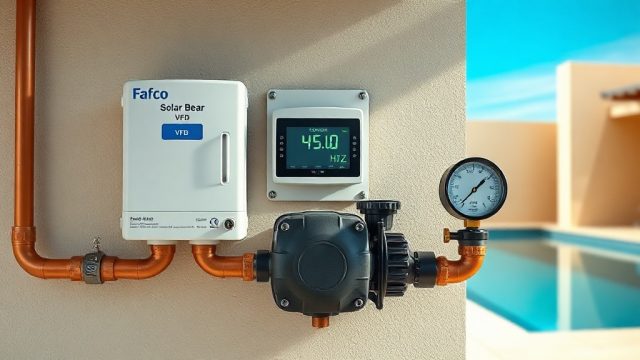
If you’re considering a variable frequency drive (VFD) pump, insulation synergizes well with lower RPM operation. Read Fafco Solar Bear Pump VFD Retrofit Guide: Energy Savings and Flow Control for integration tips.
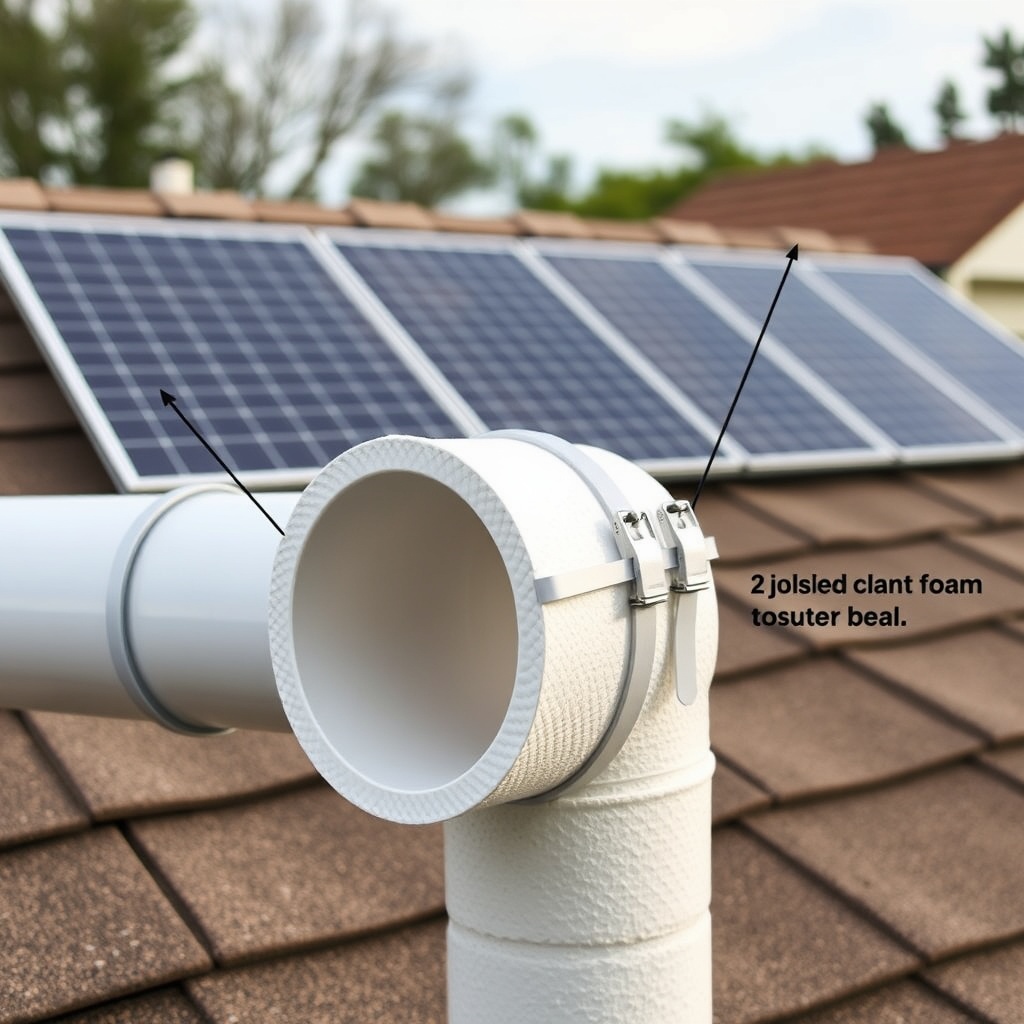
What Installation Methods Prevent Moisture and UV Damage?
Proper installation extends insulation life beyond 10 years. Follow these steps:
- Inspect the pipe surface: Clean off dirt, grease, and burrs. Wet insulation against a dirty pipe promotes mildew and degradation.
- Use waterproof sealant on joints: Apply butyl tape or silicone caulk to the longitudinal slit and all butt joints. This blocks moisture ingress, which can drop insulation R-value by up to 30%.
- UV protection: White or light-colored closed-cell foam has natural UV resistance. If using dark foam, cover with a white UV-stable jacket (e.g., aluminum foil tape). Fafco recommends avoiding black insulation on exposed roof runs.
- Support intervals: Do not let insulation sag—support it every 4 feet with plastic pipe clamps or metal straps with rubber gaskets.
- Transition to fittings: For elbows and tees, use pre-formed mitered sections or wrap with adhesive-backed foam tape. Tape seams with metalized tape for durability.
Neglecting UV and moisture protection leads to cracking and compression, which accelerate heat loss by 15–20% annually. This is especially relevant if your system has any Fafco Solar Bear Absorber Plate Delamination: Causes and Repairs issues, as steam or moisture can form inside the collector and migrate to pipes.
Should You Insulate the Roof-Mounted Collector Feeder Lines?
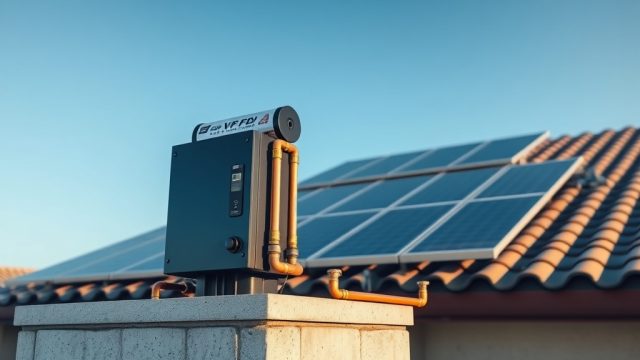
Yes, but with caution. Roof feeder lines—the pipes running from the Solar Bear collectors down to the building’s edge—should be insulated if the roof surface temperature drops below 50°F (10°C) at night. This is typical for winter settings. Insulating these lines prevents heat loss from the water as it circulates, especially after sunset when the collectors no longer add heat.
However, avoid trapping moisture between the pipe and roof deck. Use a 1-inch closed-cell foam with a vapor barrier (foil-faced or polyethylene). Ensure the insulation is raised 0.5 inches off the roof surface using stand-offs or spacer blocks to allow ventilation and prevent rot. For tilt angle optimization that affects pipe exposure, see Fafco Solar Bear Roof Mount Tilt Angle Optimization: Best Summer and Winter Settings.
What Do Owners Say About Insulation Performance?
Feedback from Fafco Solar Bear owners in Australia and the US highlights clear benefits. Many report a 3–5°F (1.5–2.5°C) increase in pool temperature after insulating previously bare return lines. One user in Sydney noted: “I added 1.5-inch foam to 80 ft of 2-inch PVC, and my pump runtime dropped from 6 hours to 5 hours. The pool hit 82°F two days earlier in spring.” Others warn about poor adhesion in coastal salt air—using stainless steel zip ties instead of plastic prevented rust stains. A common complaint is that cheap foam flattens under heat; buyers recommend brands with an I-Jack or pre-split design rated for 220°F (105°C).
For those dealing with collector-level issues, insulation alone won’t fix Fafco Solar Bear Absorber Plate Rivets Corrosion: Prevention and Fixes or Fafco Solar Bear Collector Freeze Damage: How to Inspect and Repair Cracked Absorbers, but it does reduce overall system stress. One Florida owner shared: “After insulating, my freeze sensor tripped less often because pipe losses dropped. The system runs more efficiently now.”
Frequently Asked Questions
Q: Can I use fiberglass pipe insulation for my Fafco Solar Bear?
A: Yes, but it is not recommended. Fiberglass requires a vapor barrier jacket to prevent moisture absorption, which kills R-value. Closed-cell foam is easier to install and more tolerant of UV and rain.
Q: How often should I replace pipe insulation?
A: Inspect annually. Replace if foam is cracked, compressed more than 20%, or shows yellowing/brittleness from UV. Good quality insulation lasts 8–12 years in most climates.
Q: Do I need to remove insulation to check for leaks?
A: Ideally, install insulation in removable sections (e.g., 4-foot lengths taped at seams). For permanent wrap, use a moisture meter or listen for hissing sounds. Leaks under insulation can accelerate corrosion of pipe and Fafco Solar Bear rivets.
Q: Will insulation help prevent freeze damage?
A: It delays freezing but won’t prevent it during prolonged sub-freezing events. Insulation reduces heat loss, giving the pump more time to circulate. For full freeze protection, combine with antifreeze or a freeze repair plan.
Q: Does insulating the pump pad area help?
A: Yes. Insulate the pump suction and discharge lines for 3–5 feet from the pump to reduce heat loss and condensation. This also reduces pump noise by 5–10 dB.
Q: What’s the best insulation for 2-inch PVC in high wind areas?
A: Use heavy-duty polyolefin foam with a minimum 2-pound density. Secure with metal zip ties every 2 feet. Avoid thin (<1 inch) foam that flutters in wind, which creates air gaps and reduces R-value by 25%.