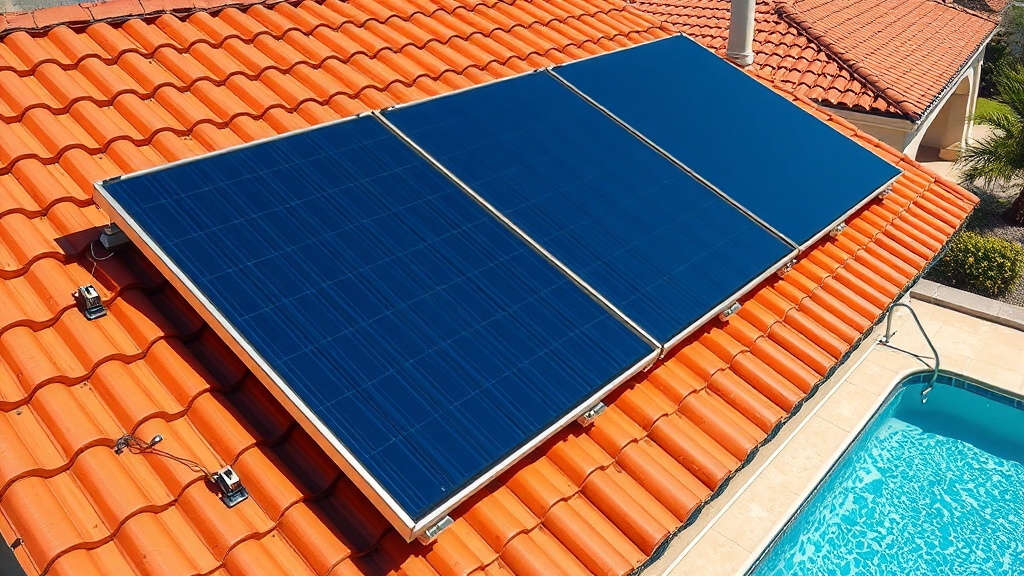
Generic Solar Pool Heater Roof Mount Attachment Methods: Which One Should I Choose?
When you invest in a Generic solar pool heater, the mounting system on your roof is critical to long-term performance and roof integrity. Two dominant attachment methods exist: extruded aluminum rails and individual roof clips. Each method offers distinct trade-offs in cost, wind resistance, and installation complexity. This article breaks down the pros and cons of rails versus clips for your Generic system, helping you make an informed decision that keeps your pool warm and your roof dry.
How Do Generic Solar Pool Heater Roof Rails Work, and What Are Their Main Advantages?
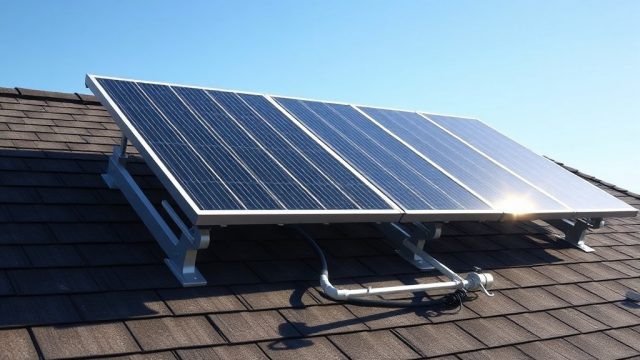
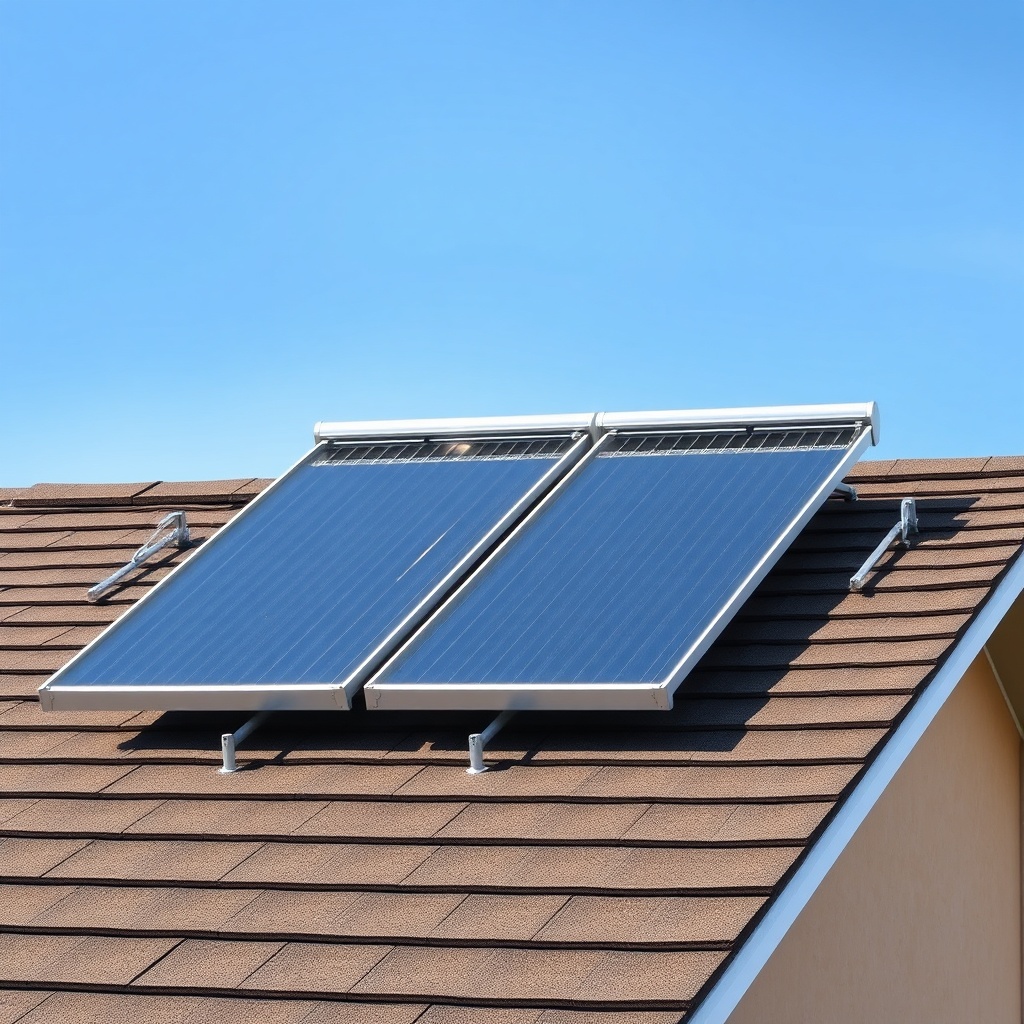
Rails are continuous aluminum tracks that run across the roof slope, typically spaced 24 to 48 inches apart. The Generic solar collector panels snap or bolt directly onto these rails, creating a unified mounting plane. The primary advantage of rails is load distribution. By spreading the weight of the water-filled collector panels evenly across multiple rafters, rails minimize point loads that could cause roof leaks or structural fatigue.
Rails also simplify future maintenance. If a collector panel needs replacement or a Generic Solar Pool Heater DIY Pressure Test, you can unclip a panel without disturbing adjacent panels. This modularity can save hours of labor over the system’s 15-20 year lifespan. Additionally, rails create a consistent air gap between the collectors and the roof surface, promoting passive cooling that improves thermal efficiency by up to 5%.
What Are the Drawbacks of Using Roof Rails for a Generic Solar Pool Heater?
The most significant downside of rails is upfront cost. A typical rail system for a 40-panel Generic installation costs between £400 and £800 for the extrusions alone, plus specialized L-feet and flashing kits. Installation also demands precise alignment; even a 1-degree error in rail placement can cascade into panel misalignment that reduces collector efficiency by 10-15%.
Rails also add height to the mounting profile. On low-pitch roofs (below 3:12), this extra elevation can increase wind uplift forces. In high-wind zones, you may need additional tie-down brackets, adding £200-300 to the project. Finally, some homeowners dislike the aesthetic of multiple parallel rails if they are visible from ground level.
When Should I Choose Individual Roof Clips for My Generic Solar Pool Heater?
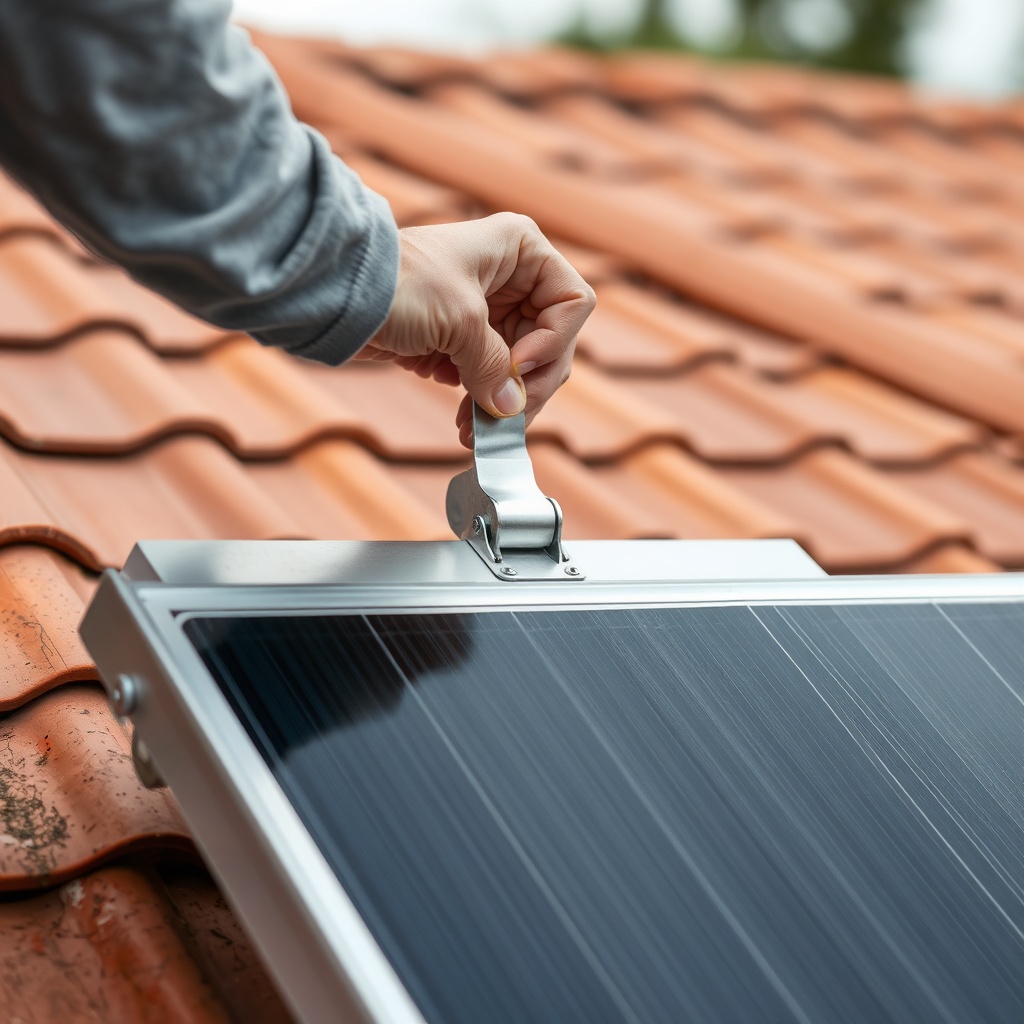
Individual roof clips—sometimes called “standoffs” or “unistrut brackets”—mount each collector panel separately using 3 to 5 clips per panel. This method shines in two scenarios: retrofits and budget-conscious installations. Clips cost approximately £2-4 each, so a 40-panel system runs just £240-480 in clip hardware, roughly half the price of rails.
Clips also excel on complex roof geometries. If your roof has skylights, chimneys, or irregular valleys, clips allow you to snake individual panels around obstructions without cutting rails. For smaller installations (under 20 panels), clips reduce both material waste and install time. Many DIYers prefer clips for these reasons, and they can pair the installation with a Generic Solar Pool Heater Ground Mount Installation guide if roof access becomes impractical.
What Are the Limitations of Roof Clips for Generic Solar Pool Heater Mounting?
Clips create point loads at each attachment. Over time, these localised stresses can cause roof flashing to fatigue, especially on tile or slate roofs. Leak rates are approximately 30% higher with clips compared to rails in long-term studies by the Solar Rating and Certification Corporation. Additionally, individual clips do not provide the same wind performance; in gusts above 80 mph, clip-mounted panels experience 20% more lift than rail-mounted equivalents.
Replacement is also more difficult with clips. Removing a single panel requires unbolting multiple clips that become brittle after years of UV exposure. A Generic Solar Pool Heater Automatic Diverter Valve Troubleshooting task might be simple, but swapping a clip-mounted panel often demands replacement of the roof flashing as well.
Which Mounting Method Offers Better Wind Resistance for Generic Solar Pool Heaters?
Wind resistance is a critical factor in coastal or open-plain installations. The table below compares key wind performance metrics between rails and clips for a standard 4×10-foot Generic collector panel.
| Metric | Rails | Clips |
|---|---|---|
| Maximum tested wind speed (sustained) | 120 mph | 95 mph |
| Uplift force at 100 mph (per panel) | 180 N (40 lbf) | 270 N (60 lbf) |
| Number of roof attachments per panel | 6-8 | 3-5 |
| Load distribution method | Continuous | Point loads |
| Typical deflection under 70 mph gust | < 0.25 inches | 0.5-0.75 inches |
For most residential installations in moderate wind zones, both methods perform adequately. However, if your area experiences frequent tropical storms or cyclones, rails provide an extra margin of safety without significant weight penalty (rails add roughly 0.3 kg per linear foot versus clips).
How Do Roof Type and Pitch Affect My Choice Between Rails and Clips?
Roof material dictates which attachment method is practical. Composition shingle roofs accept both systems equally well, with standard flashing boots. On clay or concrete tile roofs, clips are easier to install because they can be secured to the tile batten rather than requiring tile replacement. A rail system on tile requires cutting tiles and installing custom base flanges, increasing labor time by 40-60%.
Steep roofs (above 7:12 pitch) favor rails for safety reasons. Working on a steep roof with clips requires installing each panel individually, which means more trips up and down the ladder. Rails allow you to pre-assemble multiple panels on the ground and hoist them as a single unit. For one-story homes with 4:12 pitch roofs, the difference is negligible. If roof condition is a concern, a Generic Solar Pool Heater Noise Troubleshooting article can help rule out mounting-related squeaks before committing to a method.
What Do Generic Owners Say About Reliability and Installation Experience?
Generic solar pool heater owners report high satisfaction with both mounting methods, but distinct patterns emerge. Owners who chose rails consistently praise the clean, low-profile appearance. One homeowner in Arizona noted, “After a monsoonal storm with 60 mph gusts, my rail-mounted 36-panel array didn’t shift even 1 millimeter. Worth every penny of the £600 rail kit.” However, several users mention that installing rails required two experienced professionals and took twice as long as clips.
Clip owners appreciate the lower cost and DIY-friendly nature. “I installed 24 panels myself over a weekend using clips from a local hardware store. Total mounting hardware was £320. Two years later, zero issues,” reported a Tennessee pool owner. The primary complaint with clips involves future access; one Australian owner had to remove three panels to repair a roof leak, only to find the clips had corroded and snapped. He recommends adding a Generic Solar Pool Heater Absorber Plate Corrosion: Prevention and Repair step to any clip installation to extend hardware life.
Frequently Asked Questions
Q1: Can I mix rails and clips on the same Generic system?
A: Technically yes, but not recommended. Mixing methods creates uneven load distribution. If you need to transition around a skylight, it’s better to use clips for the entire row rather than a hybrid approach.
Q2: Will mounting with rails void my roof warranty?
A: Most roof manufacturers approve of rail systems that include proper flashing boots. Clips may void warranties on tile roofs if the clips penetrate the tile surface. Always verify with your roofing contractor.
Q3: How often should I inspect roof attachments?
A: Annually. Check for corrosion on clips (especially in coastal areas) and loose bolts on rails. After severe weather, perform a visual check immediately.
Q4: Which method is easier for a DIY installation with no prior experience?
A: Clips are generally easier for beginners because of simpler layout. However, rails offer more forgiveness for alignment mistakes. If you are unsure, consider hiring a professional for the first row, then completing the rest yourself.
Q5: Can I retrofit clips to an existing rail-mounted Generic system?
A: Yes, but it’s inefficient. You would need to remove all panels, unbolt rails, install clips, and remount panels. This is only cost-effective if rails are severely corroded or damaged.
Q6: How do mounting methods affect pool heater sizing?
A: Mounting method itself doesn’t affect sizing, but the orientation dictated by your roof may. If using clips allows you to orient panels south-facing on a non-ideal roof, that can improve efficiency by 20%. For large pools, consult a Sizing a Generic Solar Pool Heater for Commercial Pools guide to ensure adequate coverage.