Introduction
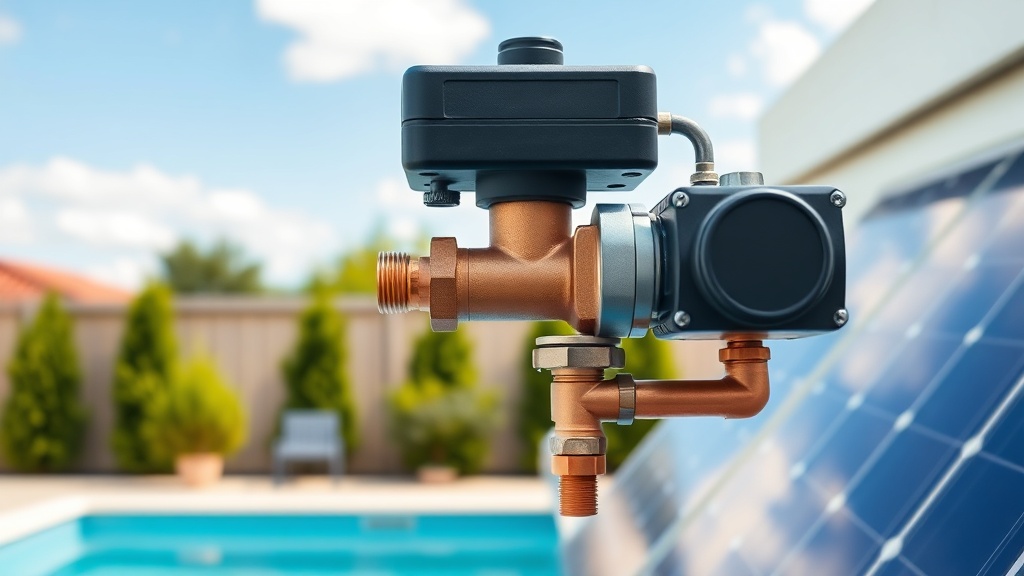
When your Generic solar pool heater automatic diverter valve starts misbehaving, it can throw the entire system into chaos—pool water circulating through the panels when it shouldn’t, or bypassing them entirely on a sunny day. This valve is the brain of your solar heating system, directing water flow based on temperature signals. For Generic system owners, understanding common diverter valve issues is key to maintaining efficient pool heating and extending equipment life. Below, we troubleshoot the most frequent problems, from stuck mechanisms to electrical faults, with practical fixes you can handle yourself.
Why Is My Automatic Diverter Valve Not Moving When the Controller Calls for Heat?
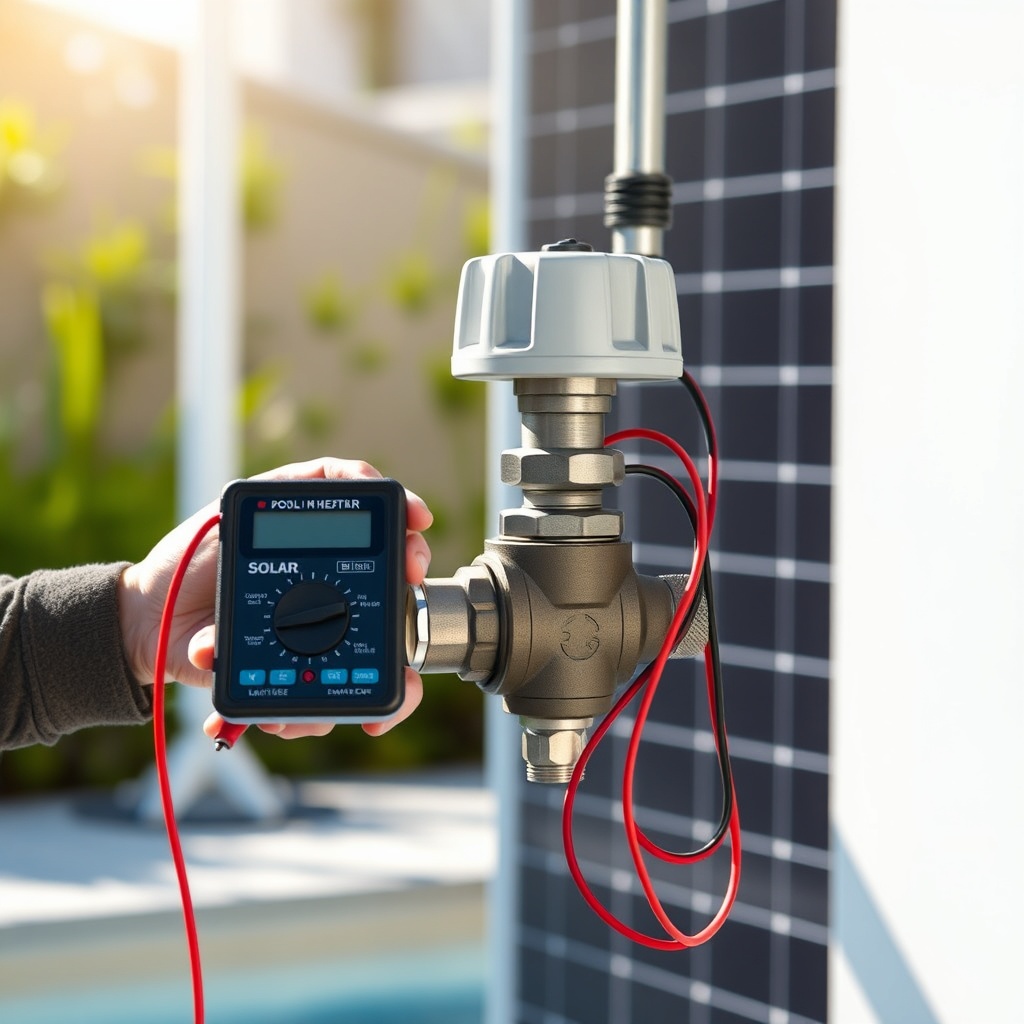
This is one of the most common complaints with Generic solar pool heaters. The controller shows a heat demand, but the diverter valve doesn’t budge from its default position. Start with the basics: check for power at the valve actuator. Using a multimeter, test the voltage at the actuator wires when the controller signals for heat—it should read 24 VAC or 120 VAC, depending on your Generic model. If no voltage appears, the issue lies in the controller or wiring. If voltage is present, the actuator motor may be seized.
Mechanical seizure often occurs when the valve sits in one position for weeks during off-season. A quick fix: manually turn the valve stem (using the manual override lever on the actuator) back and forth a few times to break any corrosion or debris. If it moves freely but still won’t activate electrically, replace the actuator—these are available as Generic certified parts for around £120 to £180 in the UK or $150 to $220 in the US. For systems connected to a solar controller, inspect the Generic Solar Pool Heater Pump Requirements: GPM Guide for Optimal Performance to confirm your pump flow rate isn’t causing excessive pressure that jams the valve.
What Causes the Diverter Valve to Hum or Buzz Loudly?
A humming or buzzing diverter valve is a sign of a failing actuator motor or insufficient voltage reaching it. Most Generic automatic diverter valves use a small synchronous motor that can buzz when it’s struggling to turn. First, listen carefully: a steady hum with no movement suggests the gear train is stripped or jammed. Turn off the pump and manually rotate the valve stem—if it’s stiff, lubricate the stem with silicone-based pool lubricant. Never use petroleum grease, as it can damage o-rings.
If the valve moves easily by hand but still buzzes when powered, the actuator likely needs replacement. Check the capacitor inside the actuator (if accessible) with a capacitance meter—a reading below the spec of 2.5 µF (common for Generic models) means it’s failing. Replacing the capacitor costs roughly £15 to £25 ($20 to $30) and is a quick DIY fix. Additionally, verify the controller’s output voltage under load; a voltage drop from long wire runs can cause buzzing. Refer to the Generic Solar Pool Heater Noise Troubleshooting: Squealing, Groaning, and Gurgling Fixes for related sound-related issues that might point to a broader system problem.
Why Does the Diverter Valve Leak Water from the Stem or Housing?
Water leaks around the diverter valve are often due to worn o-rings or stem seals. Generic valves typically use a single o-ring at the stem and two o-rings between the actuator and valve body. Inspect these when the system is off and depressurized. A small drip during operation may not affect performance, but it can worsen over time. Replace o-rings with Generic OEM parts—available in kits costing £8 to £15 ($10 to $18).
If the leak is from the actuator housing itself, the actuator may have a cracked body from UV exposure or freeze damage. In this case, replace the entire actuator assembly ($150 to $250 or £120 to £200). Always shut off the pump and relieve pressure before disassembly. For a comprehensive leak check on the entire system, including the panels, see the Generic Solar Pool Heater DIY Pressure Test: Identifying Leaks and Blockages guide. A leaking diverter valve can also indicate high system pressure—verify your pump speed matches the panels’ rated flow using the sizing guide in Sizing Helio Solar Pool Heater for Above Ground vs Inground Pools.
| Leak Type | Severity | Likely Cause | Estimated Repair Cost (US) | Estimated Repair Cost (UK) |
|---|---|---|---|---|
| Minor drip from stem (few drops/hour) | Low | Worn o-ring | $10–$18 | £8–£15 |
| Steady stream from stem | Medium | Damaged stem seal | $25–$50 | £20–£40 |
| Water pooling under actuator | High | Cracked actuator housing | $150–$250 | £120–£200 |
| Leak at valve body joints | Medium | Loose fittings or cracked body | $20–$60 | £15–£45 |
How Does a Faulty Temperature Sensor Affect Diverter Valve Operation?
Automatic diverter valves rely on temperature sensors—usually a thermistor mounted at the solar panel outlet or pool return line. If the sensor giving false readings, the controller may never call for heat (so the valve stays in bypass) or call for heat continuously (wasting energy). Generic systems often use 10k ohm thermistors at 25°C. Use a multimeter to measure resistance: at 25°C, you should see close to 10k ohms. If it reads open circuit (infinite) or short (near zero), replace the sensor for about £12 to £20 ($15 to $25).
Another symptom: the valve oscillates rapidly (opens and closes repeatedly) because the controller receives fluctuating temperatures. This can happen if the sensor is exposed to a bubble of warm water or direct sunlight. Relocate or shield the sensor, or replace it with a Generic thermal well sensor. If the valve still cycles, check the controller’s differential temperature settings—typically set for 3°C to 5°C (5°F to 9°F) difference between panel and pool. For overheating issues that cause the valve to constantly bypass, read about Generic Solar Pool Heater Overheating: Causes and Solutions.
What Should I Do If the Diverter Valve Gets Stuck in the Bypass or Panel Position?
A stuck valve can mean your pool stays cold or you waste pump energy. First, force a manual override: most Generic actuators have a lever for manual operation. Flip it to the opposite position while the pump is running. If the valve moves easily, the actuator motor is likely dead. If it won’t move manually, the internal valve ball or disc is stuck due to debris or scale buildup. For Generic three-way valves, disassemble the valve body by removing the four screws (typically #10 Torx heads) and inspect the ball or disc for calcium deposits. Clean with a vinegar-water solution (1:1) and reassemble with new o-rings.
On some Generic models, a spring-loaded check valve inside the diverter can jam from sand or gravel in the pool water. Install a fine mesh filter (200 microns) before the valve to prevent debris. If cleaning doesn’t resolve the issue, the valve body may have warped from heat—this is rare but possible on very hot days when the system pressure is low. Ensure your Generic Solar Pool Heater Ground Mount Installation: A Step-by-Step Guide includes adequate shading for the valve to prevent direct sun exposure. Replacement diverter valve bodies cost around £80 to £150 ($100 to $180) for Generic-branded units.
What Owners Say
Generic automatic diverter valve owners report mixed experiences. Many praise the reliability of newer models (post-2020) equipped with brass balls and stainless steel springs, but earlier models with plastic components are prone to cracking. “My 2018 Generic valve started leaking from the stem after two years,” says Carl from Florida. “Swapped the o-rings for $12, and it’s been fine for another year.” Others note that the gear train in the actuator strips when the pump’s GPM exceeds the valve’s rated flow (generally 40 GPM for 2-inch valves).
A common suggestion from veteran DIYers: always install a ball valve upstream of the diverter for ease of maintenance. “When my actuator failed last August, I isolated the valve and replaced it in 20 minutes without draining the system,” shares Maria from Southern California. However, some users caution that Generic’s customer support is slower than premium brands, so stocking a spare actuator is wise. For pool owners using the Generic system in colder climates, freezing water can crack the valve body—drain the system before winter as advised in the owner’s manual.
Frequently Asked Questions
1. How do I manually override my Generic automatic diverter valve?
Locate the small lever on the top or side of the actuator. Push it to the desired position (bypass or panels) while the pump is off. Some models require a 1/4 turn counterclockwise, then push. Once manually set, the actuator will return to automatic mode at the next power cycle.
2. Can I replace just the actuator without changing the valve body?
Yes, if the valve body itself isn’t damaged. Generic actuators are designed to mate with the corresponding valve body (typically 2-inch or 1.5-inch models). Match the actuator part number (e.g., GEN-ACT-24) to your valve. Replacement runs about $150.
3. Why does my diverter valve make a clicking sound every 10 seconds?
This is usually the actuator’s end-of-stroke limit switch clicking repeatedly because the valve is not reaching its full travel. The cam inside may be misaligned. Remove the actuator cover, turn the cam screw slightly forward, and test. If persistent, the limit switch could be failing.
4. Does the diverter valve need regular maintenance?
Inspect o-rings and the actuator for signs of wear annually. Lubricate the stem with silicone grease during spring startup. In hard water areas, flush the valve body with descaling solution every two years to prevent calcium buildup from jamming the mechanism.
5. Can high pump speed damage my diverter valve?
Yes. Generic valves are rated for a maximum flow of 45 GPM for 2-inch units. Exceeding this can force the actuator to struggle, leading to rapid gear wear or disconnection of the motor coupling. Check your pump’s GPM against the valve’s spec to avoid damage.
6. What’s the typical lifespan of a Generic automatic diverter valve?
With regular maintenance, the valve body can last 8–12 years. The actuator motor usually lasts 5–7 years. Harsh weather, frequent cycling, or chlorinated water can shorten lifespan. High-quality replacements are available for about £120 to £200.