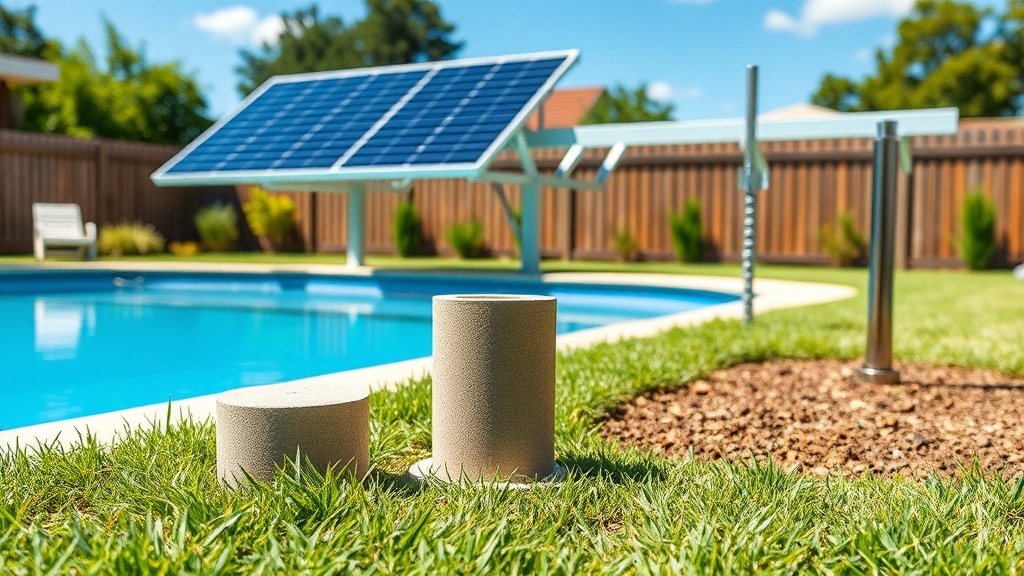
Understanding Ground Mount Anchors for Generic Solar Pool Heaters
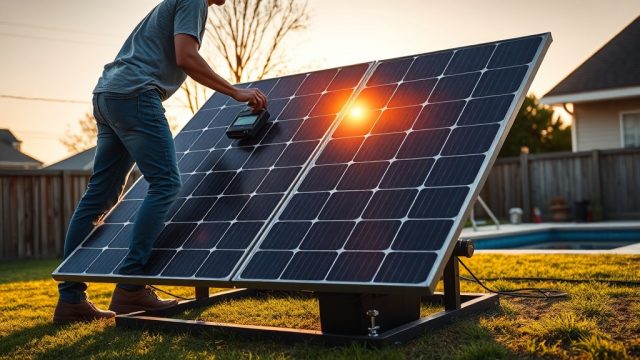
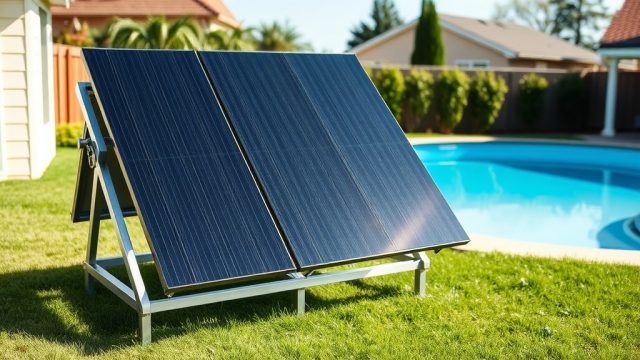
When installing a Generic solar pool heater on the ground, the anchor type you choose directly affects long-term stability and maintenance costs. Two primary options dominate the market: concrete sleeves and helical piers. Each system secures the mounting frame to the earth, but they differ in labor, cost, and adaptability to soil conditions. This article compares both anchor types so you can make an informed decision for your property.
What Are Concrete Sleeves and How Do They Work for Generic Mounting?
Concrete sleeves involve digging holes, inserting a cylindrical form (often cardboard or plastic), and pouring concrete around a metal post or anchor bracket. The concrete cures to form a rigid block that transfers the heater’s weight and wind loads into the ground. For Generic solar pool heater ground mounts, concrete sleeves are the traditional approach and widely used in residential installations.
Typical dimensions for a concrete sleeve are 12 inches in diameter and 24 to 36 inches deep, depending on frost line and local building codes. The concrete mix is usually 3,000 psi or higher, and a minimum of two sleeves per support leg is common for a four-leg frame. Labor involves digging each hole, mixing concrete, setting posts, and waiting 24 to 48 hours for curing before attaching the heater panels.
What Are Helical Piers and Why Are They Used for Generic Systems?
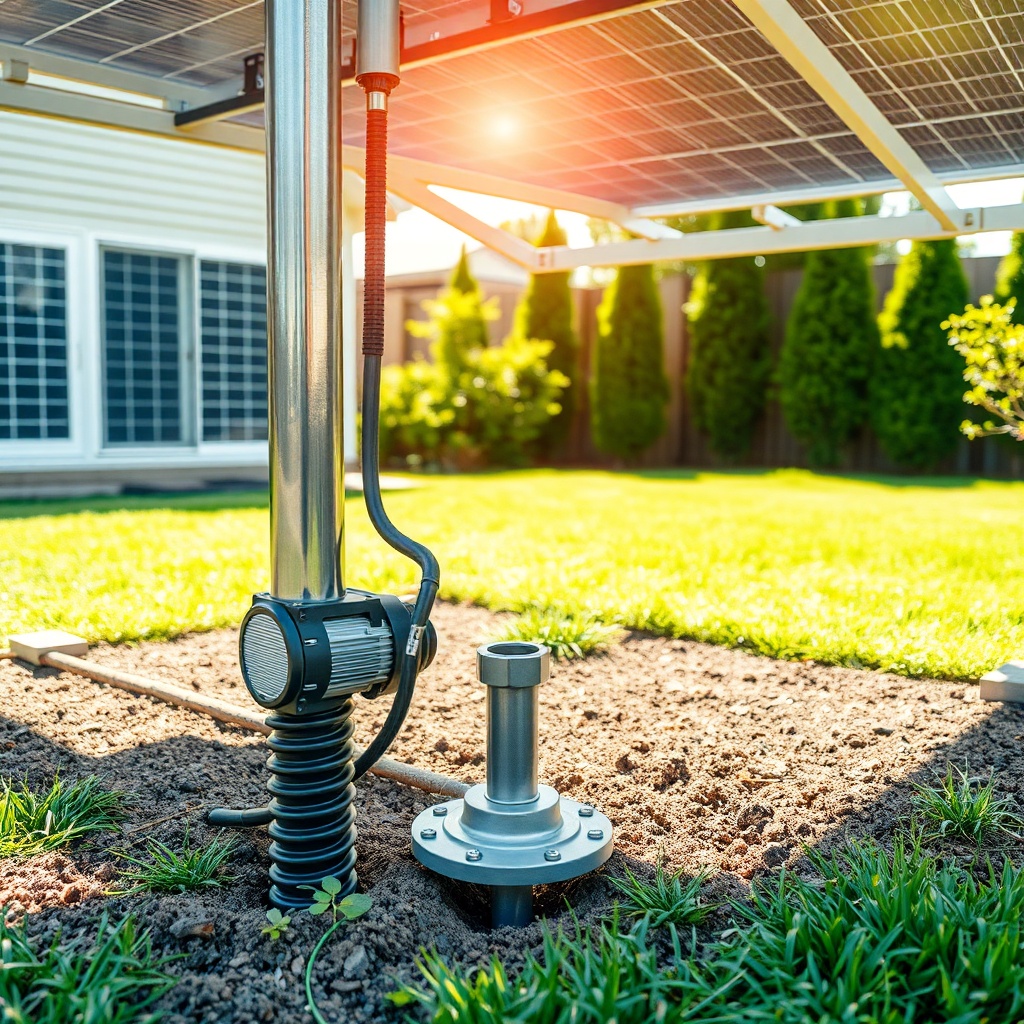
Helical piers, also called screw piles, are steel shafts with helical plates welded near the tip. They are mechanically driven into the ground using a hydraulic torque motor mounted on a skid-steer or handheld drive unit. The helices pull the pier into the soil, creating immediate load-bearing capacity without concrete. For Generic solar pool heater ground mounts, helical piers are gaining popularity due to speed and minimal site disturbance.
Helical piers typically range from 1.5 to 3 inches in shaft diameter with helix diameters of 6 to 12 inches. Installation depth varies from 4 to 12 feet depending on soil resistance and required capacity. A single helical pier can support up to 10,000 pounds in good soil, making them suitable for most residential Generic solar pool heater arrays. No curing time is needed; the panels can be mounted immediately after installation.
Concrete Sleeves vs Helical Piers: A Detailed Comparison for Generic Heaters
The decision between concrete sleeves and helical piers depends on soil type, budget, timeline, and local regulations. Below is a side-by-side comparison for a typical four-leg Generic solar pool heater ground mount supporting a 4×10-foot panel array.
| Factor | Concrete Sleeves | Helical Piers |
|---|---|---|
| Installation Time | 3–5 days (includes curing) | 4–6 hours (same day mount) |
| Material Cost (per anchor) | £25–£40 (concrete, form, rebar) | £60–£90 (steel pier) |
| Labor Cost (per anchor) | £50–£80 (digging, mixing) | £100–£150 (drive equipment) |
| Total Cost (4 anchors) | £300–£480 | £640–£960 |
| Soil Suitability | Best in stable, non-expansive soils | Works in clay, sand, and loose fill |
| Frost Heave Risk | High if not below frost line | Low if installed below frost line |
| Removal/Relocation | Difficult, leaves concrete block | Easy, pier can be unscrewed |
| Load Capacity (per anchor) | 2,000–5,000 lbs | 4,000–10,000 lbs |
| Permit Requirements | Often requires concrete inspection | May require engineer stamp in some areas |
How Does Soil Type Affect Anchor Selection for Generic Mounts?
Soil composition is critical when choosing between concrete sleeves and helical piers for your Generic solar pool heater ground mount. Concrete sleeves perform well in compact, stable soils such as sandy loam or well-graded gravel. They struggle in expansive clays that shift with moisture, potentially cracking the concrete or heaving the anchor. In highly organic or poorly compacted topsoil, concrete sleeves may settle over time, causing panel misalignment.
Helical piers excel in most soil types because their helical plates engage with multiple soil strata. In clay soils, the helices resist uplift from swelling. In loose sandy soils, they can be driven deeper to find load-bearing strata. For Generic solar pool heater installations near pool equipment or underground utilities, helical piers are less disruptive—no heavy excavation—and can be installed around existing pipes or electrical conduits. Always perform a soil test or consult a local engineer before finalizing the anchor type.
What Installation Steps Differ Between Concrete Sleeves and Helical Piers for Generic?
Concrete sleeve installation for a Generic solar pool heater ground mount involves digging holes to the required depth, typically 24 to 36 inches, and using a level to align the post forms. After placing the anchor bracket, concrete is poured and allowed to cure for at least 24 hours before mounting the frame. This process requires two to three people for mixing and pouring, and the concrete must be protected from rain or freezing during curing.
Helical pier installation begins with marking anchor points and driving the piers using a torque motor. A handheld torque wrench or hydraulic drive on a skid-steer turns the pier until the torque reaches a preset value—usually 1,500 to 3,000 foot-pounds for Generic residential arrays. The pier’s bracket is then bolted to the mounting frame. Because no curing is needed, the panels can be installed the same day. The entire process for a four-pier system takes half a day with two crew members.
What Owners Say About Concrete Sleeves and Helical Piers for Generic Heaters
Generic solar pool heater owners who chose concrete sleeves often praise the low material cost and familiarity with construction methods. One owner in Florida noted, “I installed the concrete sleeves myself over a weekend. Total cost was about £350 for four anchors, and they’ve held solid through two hurricane seasons.” However, owners also report that concrete sleeves can crack in expansive clay soils, requiring patching or replacement after a few years.
Helical pier users emphasize the speed and cleanliness of installation. An owner in Texas said, “The helical piers took two hours to install, and I had my Generic panels mounted that afternoon. No mess, no waiting. It cost £800 for four piers, but I consider it money well spent for the convenience.” Owners in colder climates appreciate that helical piers can be driven below the frost line without digging large holes, reducing frost heave issues common with shallow concrete sleeves.
Frequently Asked Questions
1. Can I use concrete sleeves for a Generic solar pool heater on a sloped yard?
Yes, but you must level the concrete pads or use adjustable brackets. Concrete sleeves on slopes require careful excavation to ensure the anchor plate sits horizontally. Helical piers are easier on slopes because they can be driven vertically and then the bracket leveled with a threaded adapter.
2. Are helical piers more expensive than concrete sleeves for a Generic 4-panel array?
Yes, helical piers typically cost two to three times more for materials and labor combined. For a four-anchor Generic ground mount, expect £640–£960 for helical piers versus £300–£480 for concrete sleeves. The added cost is offset by faster installation and easier removal if you relocate the heater.
3. Do helical piers require special permits for Generic pool heater installations?
In most regions, helical piers require a building permit and may need an engineer’s stamp for load calculations. Concrete sleeves often require only a standard permit with inspection of the concrete pour. Check local codes and consult your Generic Solar Pool Heater Flat Panel vs Evacuated Tube: Performance and Cost Comparison to determine the best anchor for your array size.
4. How deep do helical piers need to be for a Generic solar pool heater ground mount?
Depth varies by soil but typically ranges from 4 to 8 feet to reach stable soil below the frost line. A torque reading during installation indicates adequate capacity. For lighter Generic arrays (two to four panels), 4-foot depth is often sufficient, but always consult a professional installer.
5. What if I need to relocate my Generic solar pool heater later—which anchor is easier?
Helical piers are much easier to remove. They can be unscrewed with a torque motor and reused at the new location. Concrete sleeves must be demolished with a jackhammer, leaving rubble that needs disposal. If you plan to move in less than five years, helical piers are the better choice.
6. Can I mix anchor types—concrete sleeves and helical piers—on the same Generic mount?
It is not recommended because different settlement rates will cause the frame to twist or become unlevel. For consistent load distribution, use one anchor type across all mounting points. If you have already installed concrete sleeves and need additional support, helical piers could be added if designed by an engineer. For information on optimizing your system, see our Generic Solar Pool Heater Pump VFD Retrofit Guide: Energy Savings and Flow Control.
For further guidance on controller programming that works with your mounted system, visit the Generic Solar Pool Heater Wireless Controller Setup and Programming Guide. To prevent siphon damage after installation, review the Generic Solar Pool Heater Vacuum Break Installation: Stop Siphon Damage. Advanced users may benefit from SolarPoolWise Controller Programming Tips: Optimizing Heating Schedules and SolarPoolWise Controller Cloud Connectivity: Step-by-Step Setup and Remote Access Guide.