
Why Does a Generic Solar Pool Heater Need a Vacuum Break?
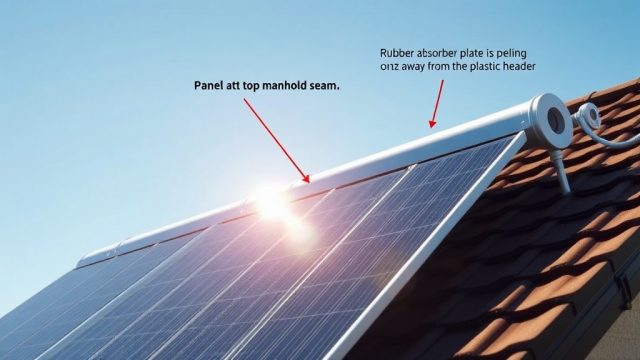
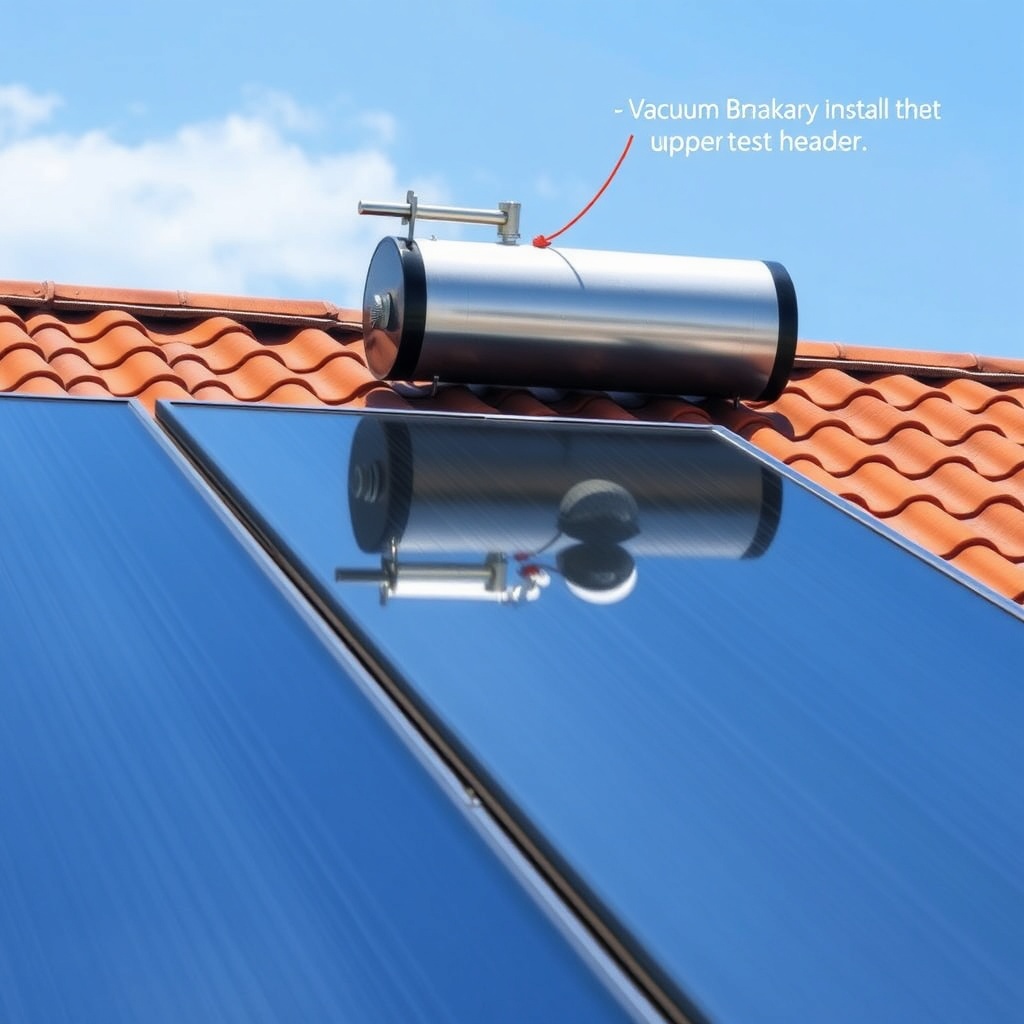
When a solar pool heating system sits higher than the pool water level, gravity can siphon water backward through the panels at night. This drains the collector array, cools the pool, and can collapse thin absorber tubes. A vacuum break—a simple one-way valve—automatically opens to admit air, stopping that siphon. On a Generic solar pool heater, the vacuum break is typically installed on the return header or just above the highest panel. Troubleshooting its failure means checking for stuck mechanisms, blockage from debris, or incorrect orientation. Without a working break, your system loses efficiency and risks permanent panel deformation.
How Do I Identify If the Vacuum Break Is Failing on My Generic System?
Signs of a failing vacuum break include water dripping from the vent after the pump shuts off, gurgling sounds from the return line, or visible air bubbles entering the pool returns 10–15 minutes after pump shutdown. On a Generic solar pool heater, a sluggish startup—where warm water doesn’t flow to the pool for several minutes—also points to a stuck vacuum break. Remove the break assembly and inspect the spring-loaded plunger or ball. If it’s jammed with calcium scale or debris, clean it with white vinegar. Test by gently pushing the plunger: it should move freely and seal tightly when released. Replacement units cost $15–$25 at local pool supply stores.
What Are the Most Common Installation Mistakes with Generic Vacuum Breaks?
Three frequent errors ruin vacuum break function on Generic solar pool heaters. First, mounting the break below the highest panel—it must be at the apex of the collector array or on the return line within 1 foot of the top manifold. Second, using Teflon tape that shreds and jams the valve mechanism—use pipe dope sparingly. Third, orienting the vent port downward—it must point upward or horizontally with a slight upturn to admit air. A poorly installed break can cause the entire Generic Solar Pool Heater Automatic Diverter Valve Troubleshooting: Common Issues and Fixes cascade, as back-siphoned water starves the diverter valve of prime. Check your installation against the manual’s diagram. If the break is more than 3 feet from the top panel, relocate it using a brass adapter kit (~$8).
Which Vacuum Break Design Works Best for Generic Solar Pool Heaters?
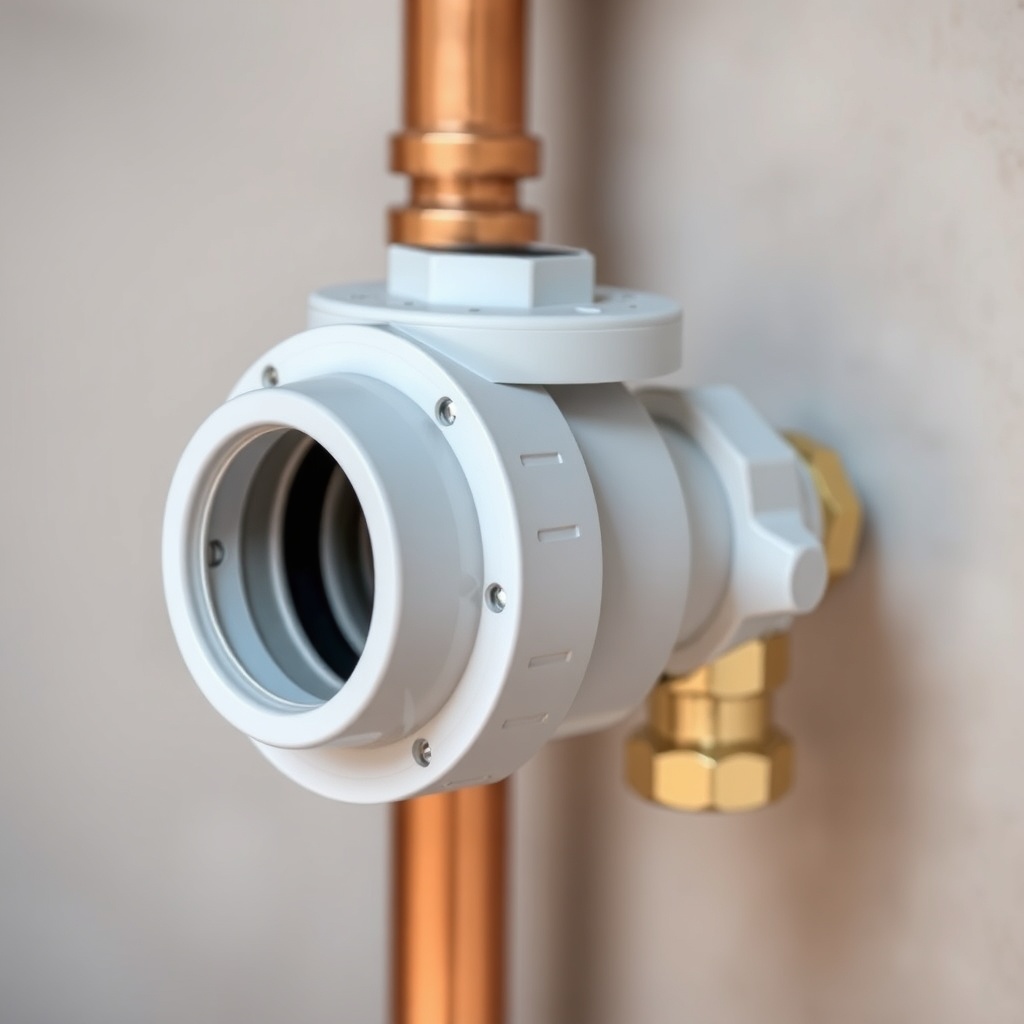
Generic systems pair best with a spring-loaded poppet-style vacuum break rather than a ball-check type. The spring-loaded model opens reliably under negative pressure and closes cleanly when the pump runs, minimizing water loss. Below is a comparison of common designs found in DIY and professional installations.
| Design Type | Material | Flow Rate Capacity | Price (USD) | Generic Compatibility | Common Failure Mode |
|---|---|---|---|---|---|
| Spring-Loaded Poppet | Brass body, stainless steel spring | 0–15 GPM | $18–$24 | Excellent | Scale buildup on plunger |
| Ball-Check | PVC body, plastic ball | 0–20 GPM | $8–$12 | Moderate | Ball sticks in open position |
| Diaphragm-Type | Nylon body, rubber diaphragm | 0–10 GPM | $28–$35 | Good | Diaphragm tears after 2–3 years |
| Float-Operated | ABS plastic, foam float | 0–5 GPM | $12–$16 | Poor | Foam degrades or floats leak |
For most Generic rooftop installations, a spring-loaded poppet in brass offers the best lifespan (3–5 years) and lowest maintenance. Ball-check types are cheap but fail often in hot climates. Replace any type that shows corrosion on the spring or body—this often coincides with Generic Solar Pool Heater Absorber Plate Corrosion: Prevention and Repair issues.
How Do I Clean or Replace the Vacuum Break on a Generic Solar Pool Heater?
Cleaning: shut off the pump and relieve pressure by opening an air bleeder. Unscrew the vacuum break from its fitting—use a wrench on the hex sides, not the vent cap. Soak the assembly in a 50/50 white vinegar and water solution for 30 minutes. Scrub the plunger and seat with a soft brush, rinse with fresh water, and reinstall. Do not lubricate the rubber O-ring; replace it if cracked ($2 per pack). Replacement: buy a 1/2-inch or 3/4-inch vacuum break matching your Generic system’s header size (check the stamp near the fitting). Apply a thin layer of thread sealant and hand-tighten plus a quarter turn with a wrench. Test by running the pump for 5 minutes, shutting it off, then listening for a soft “click” as the break opens. If you hear constant hissing, the break is stuck open—repeat the cleaning step. For persistent scale issues, consider installing a Generic Solar Pool Heater Flow Meter Installation and Calibration Guide to monitor flow and detect early blockages.
What Owners Say
“My Generic system kept losing prime every morning. Video from the pool’s return jet showed air pockets. The vacuum break was installed 2 feet below the top panel—moved it to the apex and never had a siphon problem again.” — Mark, Arizona (3-panel Generic array)
“Cleaned the spring-loaded poppet with vinegar twice in one season. Finally replaced it with a brass model from a local supplier. The $24 part solved all gurgling. Worth checking the Generic Solar Pool Heater Roof Mount Attachment Methods: Pros and Cons of Rails vs Clips while you’re up on the roof—loose panels stress the plumbing.” — Linda, Florida (6-panel Generic array, roof mount)
“New Generic owner—didn’t install a vacuum break at all. First rainstorm, water siphoned back and caused a flat panel. After installing a ball-check type, I had to replace it three times in one year due to sticking. Switched to spring-loaded—no issues for 18 months now.” — Carlos, Texas (4-panel Generic array)
Frequently Asked Questions
Q1: Can I install a vacuum break on a Generic solar pool heater that already has a check valve?
A1: Yes, but a vacuum break serves a different purpose—it admits air to break siphon, while a check valve prevents reverse flow. Install both for best protection. The vacuum break must be above the check valve and at the high point.
Q2: Does the vacuum break affect the Generic system’s heating efficiency?
A2: Not when functioning correctly. A stuck-open break bleeds pool water as drip loss (about 1–2 gallons per day), which slightly cools the pool. That loss is negligible compared to the damage from a collapsed panel.
Q3: How often should I inspect my Generic vacuum break?
A3: At the start of each heating season and after any freeze event. In hard water areas, check every 3 months. Cleaning with vinegar once per year is sufficient for most climates.
Q4: My vacuum break leaks only during pump operation. Is that normal?
A4: No—a vacuum break should seal completely under positive pressure. If it leaks while the pump runs, the plunger or seat is contaminated or worn. Clean it; if leaking persists, replace the assembly.
Q5: What if I have a large commercial Generic system—do the same rules apply?
A5: For large arrays, use multiple vacuum breaks—one per panel row or one per 8 panels. Refer to Sizing a Generic Solar Pool Heater for Commercial Pools: Key Considerations for proper sizing and placement. Commercial systems often require 3/4-inch breaks instead of 1/2-inch.
Q6: Can a smart controller compensate for a missing or broken vacuum break?
A6: No. A Generic Solar Pool Heater Wireless Controller Setup and Programming Guide can monitor temperatures and pump status, but it cannot mechanically stop siphon damage. Always install a physical vacuum break as a fail-safe.