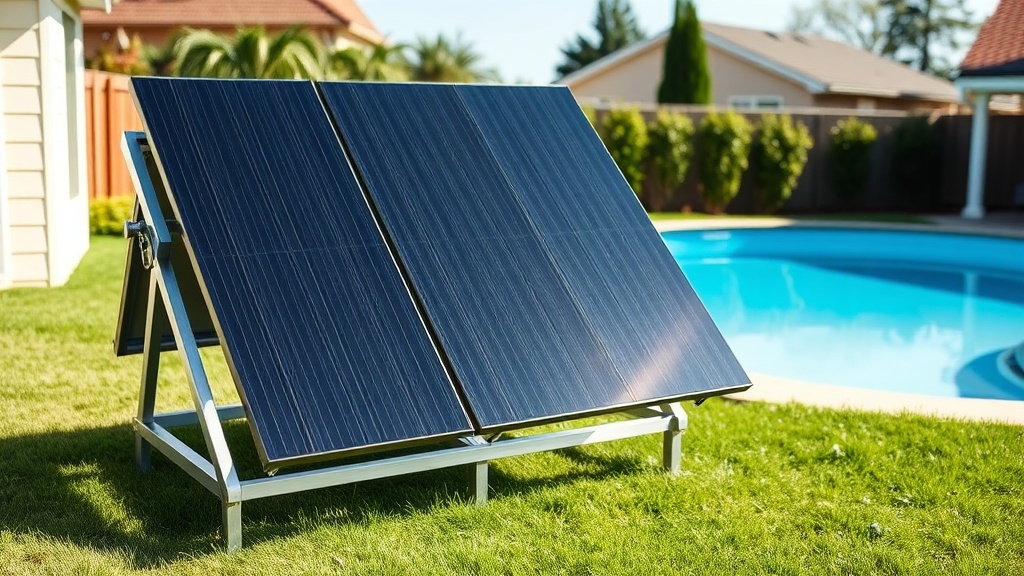
Why Ground Mount Attachment Methods Matter for Heliocol Solar Pool Heaters
When installing a Heliocol solar pool heater on the ground, the attachment method you choose directly affects long-term durability, maintenance costs, and system performance. Ground-mounted arrays face different stresses than roof-mounted systems—including wind uplift, ground settlement, and exposure to lawn equipment—making the choice between rail-based and clip-based mounting systems a critical decision. Understanding the pros and cons of each attachment method ensures your Heliocol solar pool heater operates efficiently for 15 to 20 years without structural issues or leaks.
What Are the Two Main Ground Mount Attachment Methods for Heliocol Panels?
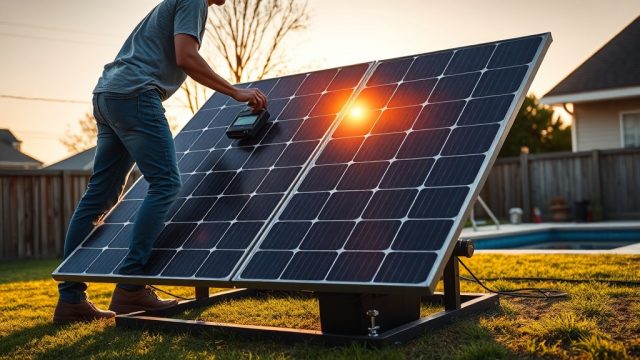
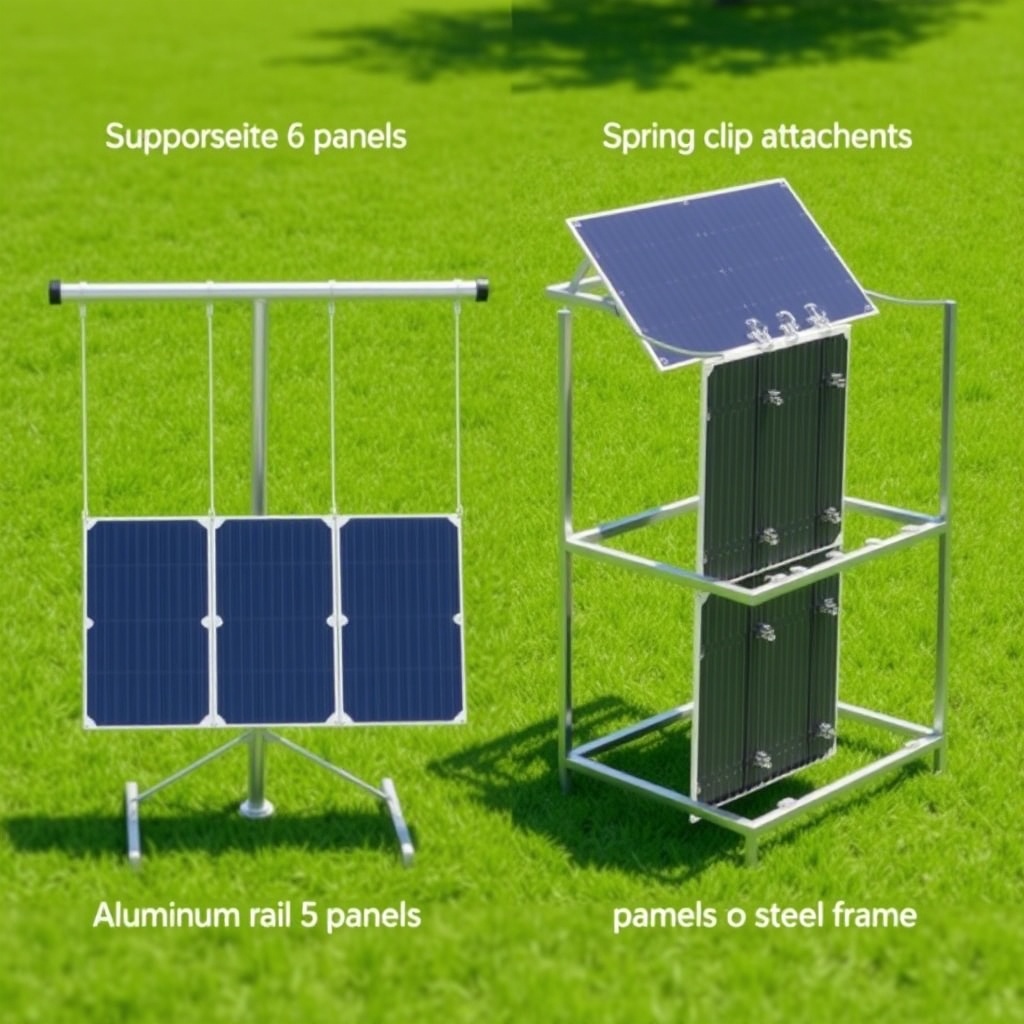
Heliocol solar pool heaters use two primary ground mount attachment systems: aluminum rail systems and proprietary spring-clip systems. Rail systems consist of extruded aluminum tracks bolted to ground posts or concrete footings, with the panels sliding into channels. Clip systems use molded polymer or stainless-steel clips that snap onto the panel edges and secure directly to a ground frame. Both methods are compatible with Heliocol’s unglazed black polypropylene panels, but each has distinct installation requirements and performance tradeoffs.
Heliocol Ground Mount Rails: Pros and Cons
Pros of Rail Systems
- Continuous support: Rails provide full-length contact along the panel edges, reducing stress concentration points that can cause cracking over time. This is especially important for Heliocol panels, which are 4 feet wide and 10 feet long.
- Better tilt angle adjustment: Rail systems allow precise angle changes from 10 to 45 degrees using adjustable brackets. For seasonal performance, you can optimize the tilt as described in our guide on Heliocol Solar Pool Heater Ground Mount Tilt Angle Optimization.
- Higher wind resistance: The continuous channel design creates a mechanical lock that withstands winds up to 120 mph (193 km/h) when properly anchored, a significant advantage in open ground installations.
- Clean appearance: Rails hide the panel edges and mounting hardware, giving a professional finished look that many homeowners prefer.
Cons of Rail Systems
- Higher material cost: Expect to pay $2.50 to $4.00 per square foot for rail systems, adding $250–$400 to a typical 100-square-foot ground mount array.
- Longer installation time: Rail systems require precise alignment and leveling. A two-person crew typically needs 4–6 hours for a 100-square-foot array, compared to 2–3 hours with clips.
- Extra weight: Aluminum rails add approximately 0.5 pounds per linear foot, which can increase foundation requirements. Ground posts or concrete footings must be sized accordingly.
- Potential for thermal expansion issues: If rails are not properly spaced with expansion joints, aluminum can buckle or push panels out of alignment during extreme temperature swings.
Heliocol Ground Mount Clips: Pros and Cons
Pros of Clip Systems
- Lower cost: Clip systems cost $0.80 to $1.50 per square foot, significantly cheaper than rails. For a 100-square-foot array, this saves $170–$250.
- Faster installation: Clips snap into place without tools (except for initial frame bolts). A crew can install 100 square feet in 2–3 hours.
- Lightweight: The reduced fastener weight means lighter ground frames. You can often use smaller ground posts (2-inch diameter vs. 3-inch) when using clips.
- Easy panel replacement: If a Heliocol panel develops a leak or delamination, clips allow individual panel removal without disturbing adjacent panels. This simplifies absorber plate crack repair procedures.
- Better thermal expansion accommodation: Clips allow each panel to expand and contract independently, reducing stress on the absorber plate and headers.
Cons of Clip Systems
- Lower wind resistance: Clips provide point-contact support only. In wind zones above 100 mph (161 km/h), clips may fail if not reinforced with additional hold-downs.
- Potential for clip creep: Over months of thermal cycling, some polymer clips can loosen. Annual inspection and occasional retightening are required.
- Less precise angle control: Clip systems typically offer preset angle increments (e.g., 15°, 30°, 45°) rather than continuous adjustment. If you need fine-tuned seasonal adjustment, see Heliocol Solar Pool Heater Tilt Angle Optimization for details.
- Exposed hardware visibility: Clips and fasteners remain visible, which some homeowners find less aesthetically pleasing.
How Do Rails and Clips Compare in Key Performance Metrics?
To help you decide, the table below compares the critical specifications for ground-mounted Heliocol solar pool heaters using rails versus clips.
| Parameter | Rail System | Clip System |
|---|---|---|
| Material cost (per sq ft) | $2.50–$4.00 | $0.80–$1.50 |
| Installation time (100 sq ft, 2 people) | 4–6 hours | 2–3 hours |
| Maximum wind rating (sustained) | 120 mph (193 km/h) | 90 mph (145 km/h) |
| Tilt angle adjustability | Continuous 10°–45° | Preset increments (15°, 30°, 45°) |
| Panel replacement ease | Moderate (requires rail release) | Easy (individual clip removal) |
| Thermal expansion accommodation | Good (with expansion joints) | Excellent (independent panel movement) |
| Weight added per panel | 0.5–0.8 lb/ft | 0.1–0.2 lb/ft |
| Aesthetic finish | Sleek, hidden hardware | Functional, exposed clips |
What Are the Foundation and Ground Preparation Requirements for Each Method?
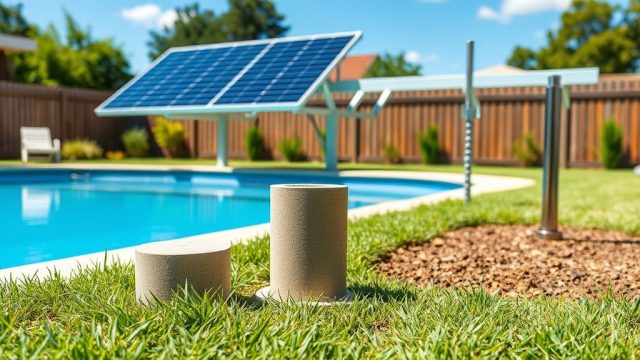
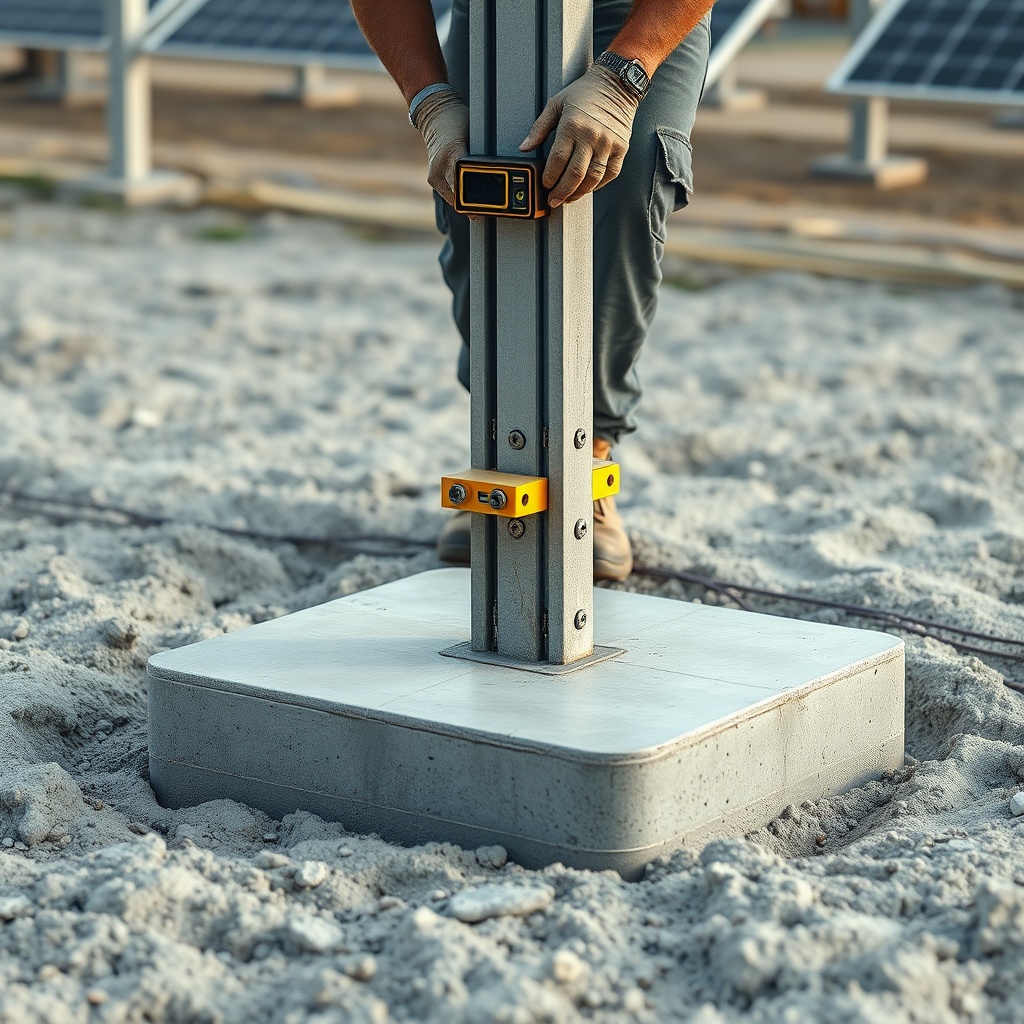
Both attachment methods require a stable foundation, but the specifics differ. Rail systems typically mount on 3-inch diameter galvanized steel posts driven 30–36 inches into the ground, spaced every 8–10 feet. Concrete footings (18-inch diameter, 24-inch depth) are recommended for sandy or unstable soil. The posts must be perfectly level and aligned because rails transfer all loads uniformly. For clip systems, 2-inch diameter posts driven 24–30 inches deep suffice, and concrete footings are optional in stable soil. Clips tolerate minor unevenness because each panel floats independently. However, you must ensure the ground frame (horizontal steel bars) is level within 1/4 inch over 10 feet to prevent panel bowing. For proper diverter valve integration with ground mounts, refer to the Heliocol Automatic Diverter Valve Installation Guide.
What Owners Say About Rails vs Clips for Heliocol Ground Mounts
Long-term Heliocol owners in the SolarPoolWise community report clear preferences based on their climate and maintenance habits. John from Arizona, who has a rail-mounted 6-panel array (120 square feet) installed for eight years, notes: “The rails cost more upfront, but after three desert monsoons with 70 mph gusts, every panel held tight. No creep, no leaks. I adjusted the tilt to 30° in summer and 45° in winter, and my pool stays at 88°F (31°C) from April through October.” He suggests following tilt optimization tips from Heliocol Ground Mount Tilt Angle Optimization for maximum seasonal gain.
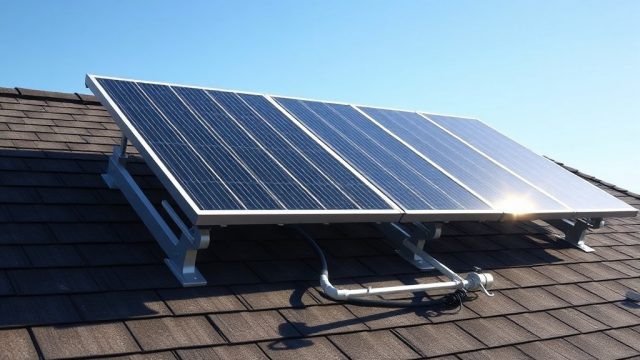
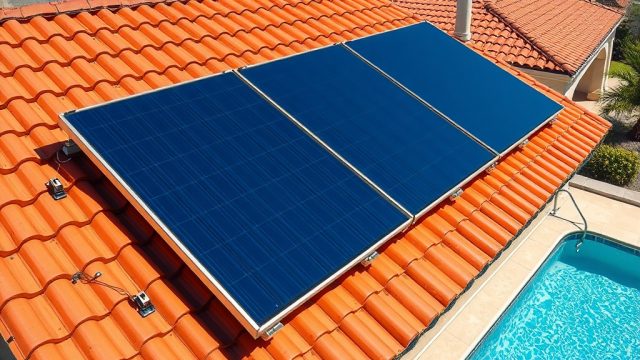
Sarah from Florida, who used clips for her 8-panel system (160 square feet) three years ago, shares: “I saved about $300 with clips, and installation was a breeze. One panel got a small crack after a storm, and I swapped it in 20 minutes without touching the others. But I do check the clips twice a year—some loosen slightly. The wind here is rarely over 80 mph, so no issues yet.” Owners in high-wind regions (coastal areas, plains) overwhelmingly prefer rails, while those in moderate climates and those who anticipate future panel repairs favor clips. For roof-mounted alternatives, read the Heliocol Roof Mount Attachment Methods comparison.
How to Choose the Right Ground Mount Attachment Method for Your Site
Selecting between rails and clips for your Heliocol solar pool heater ground mount depends on three factors: local wind exposure, soil stability, and your long-term maintenance preferences. In regions with average wind speeds above 50 mph (80 km/h) or gusts exceeding 80 mph (129 km/h), rails are the safer choice. For areas with loose, sandy, or expansive clay soils, rails’ continuous support prevents panel edge cracking from ground movement. If you live in a moderate climate with stable soil and prefer lower upfront cost and easier future panel replacement, clips offer excellent value. Additionally, if you plan to periodically adjust tilt for seasonal optimization (common in northern latitudes), rails provide greater flexibility. Budget-conscious homeowners often start with clips and upgrade to rails if future issues arise, though retrofitting is more labor-intensive than installing correctly from the start.
Frequently Asked Questions
Do Heliocol panels require specific mounting hardware for ground installations?
Yes, Heliocol panels have a 1.5-inch thick frame that requires clips or rails designed for 1.5-inch profile edges. Generic solar panel mounting hardware will not fit securely. Always use Heliocol-approved clips (part numbers GC-100 for polymer clips, GR-200 for aluminum rails) to maintain warranty coverage.
Can I mix rails and clips on the same ground mount array?
It is not recommended mixing systems on the same array because differences in thermal expansion rates can cause uneven stress. However, if you have separate sub-arrays (e.g., one for the pool and another for a spa), you can use different methods on each, provided they have independent structural frames.
How often should I inspect the ground mount attachment points?
Inspect clips at least twice per year—once before peak summer operation and once before winter. Check for clip loosening, cracking, or corrosion. For rails, annual inspection of the alignment and any signs of ground post movement suffices. In high-wind zones, inspect after every major storm event.
What is the warranty difference between rail and clip mounting systems?
Heliocol offers a 12-year warranty on panels regardless of mounting method, provided the installation follows their guidelines. However, the warranty does not cover hardware mounting systems. Rails typically have a 10–15 year manufacturer defect warranty from the rail supplier, while polymer clips carry a 5-year warranty against UV degradation. Stainless steel clips (available as aftermarket upgrades) last 15+ years with no warranty expiration.
Does the attachment method affect pool water heat gain?
No, the attachment method does not directly affect heat absorption. Heliocol’s unglazed panels absorb solar radiation equally regardless of mounting hardware. However, if clips allow poor airflow under the panels (less than 4 inches of clearance), heat buildup can reduce efficiency by 5–10%. Rails inherently promote better airflow. Maintain at least 6 inches of ground clearance for both methods.
Can I convert a clip system to a rail system after installation?
Yes, but conversion requires completely disassembling the array, removing the ground frame, installing a new rail-compatible frame or retrofitting existing posts, and remounting the panels. This is labor-intensive and typically costs $300–$500 for a 100-square-foot array. Most owners find it more practical to replace panels only if needed and keep the clip system. For delamination issues that require panel replacement, see Heliocol Absorber Plate Delamination: Causes and Repairs.