How Does SunStar Solar Pool Heater Sizing Differ Between Inground and Above Ground Pools?
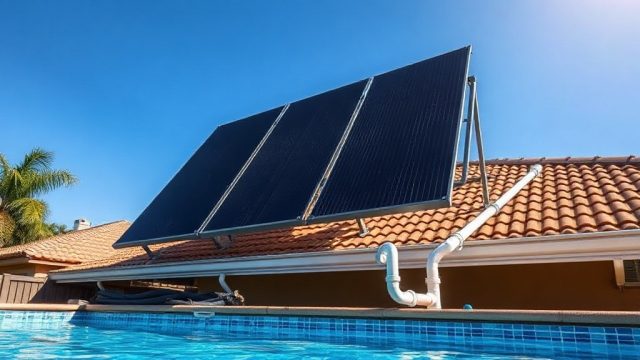
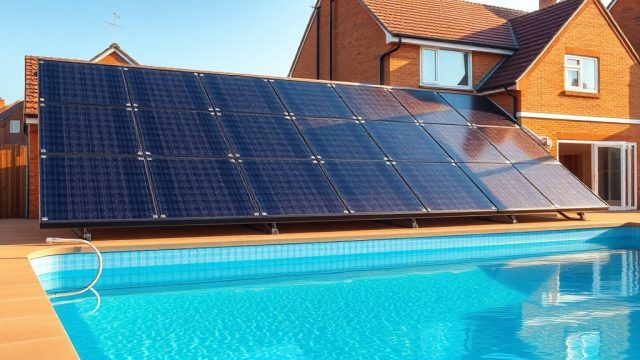
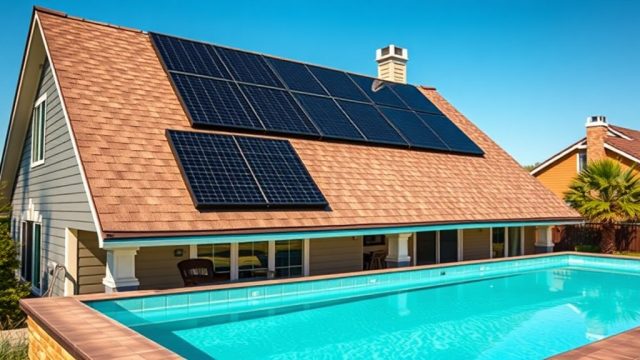
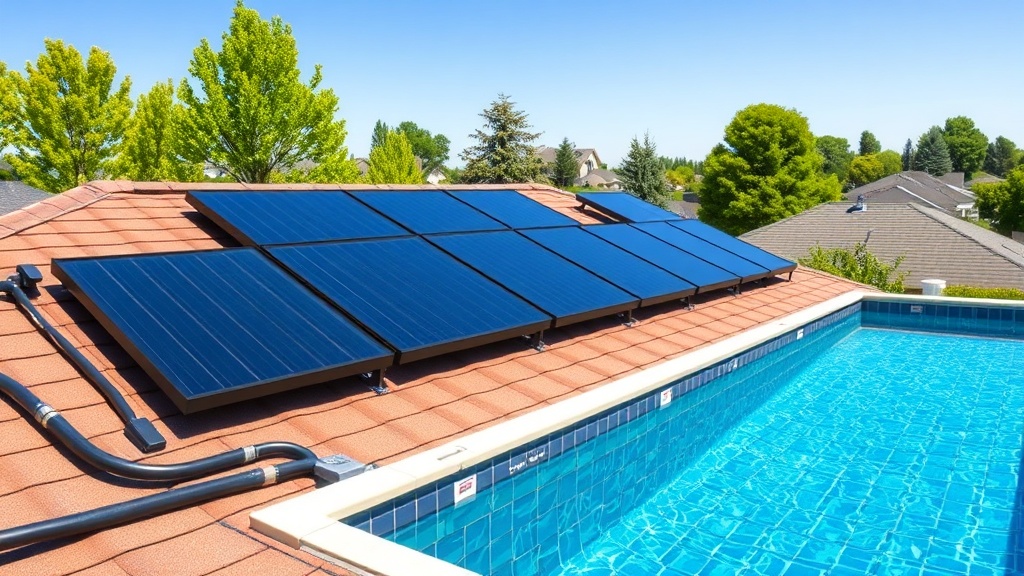
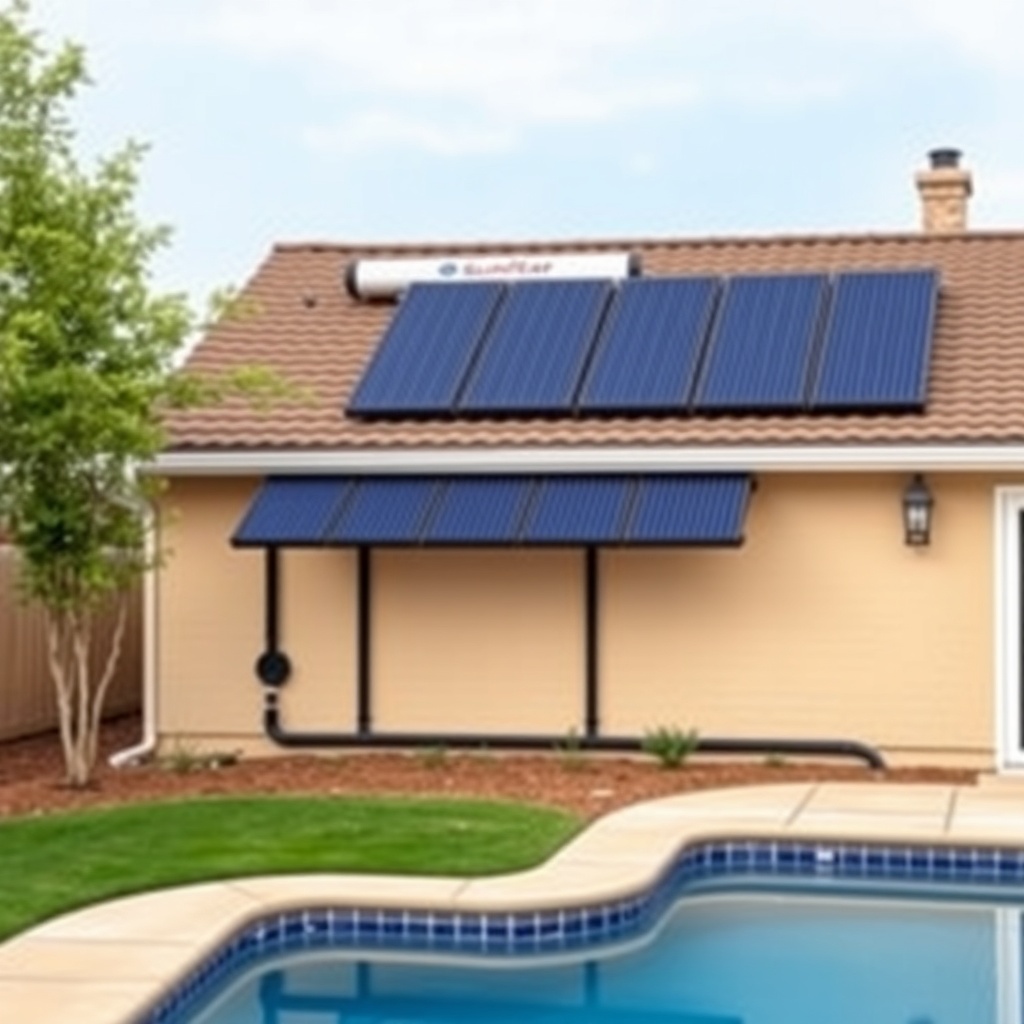
When selecting a SunStar solar pool heater, the primary consideration revolves around pool size, surface area exposed to sunlight, and the specific heating requirements of inground versus above ground pools. For inground pools, which typically have larger volumes and deeper water, the SunStar system must compensate for greater thermal mass and often longer plumbing runs. Above ground pools, with their shallower depth and smaller surface area, generally require fewer solar collectors. The standard rule in the industry is that the collector area should equal 50% to 70% of the pool’s surface area. For inground pools, closer to 70% is recommended to maintain comfortable swimming temperatures during cooler months. For above ground pools, 50% to 60% often suffices, as they are less prone to wind chill and rapid heat loss. The SunStar 4’ x 12’ collector panels, for instance, each provide 48 square feet of collection surface. An inground pool of 500 square feet would ideally need 7–8 panels (350–384 sq ft), while an above ground pool of 360 square feet would need about 4–5 panels (192–240 sq ft). Proper sizing ensures efficient heat transfer without overloading the existing pump system.
What Are the Recommended Collector Panel Quantities for Common Pool Sizes?
To simplify sizing, SunStar provides clear guidelines based on pool volume. However, direct surface area measurement is more accurate. Below is a quick-reference table for medium to large residential pools using SunStar’s standard 4’ x 12’ panels. Values assume average solar insolation and a desired temperature rise of 8–12°F.
| Above Ground 24 ft round (400 sq ft surface) | 4–5 panels | $1,800–$2,250 |
| Above Ground 15 ft x 30 ft oval (450 sq ft) | 4–6 panels | $1,800–$2,700 |
| Inground 16 ft x 32 ft (512 sq ft) | 6–7 panels | $2,700–$3,150 |
| Inground 20 ft x 40 ft (800 sq ft) | 9–11 panels | $4,050–$4,950 |
| Inground large custom (1,000 sq ft) | 12–14 panels | $5,400–$6,300 |
These estimates include panels, basic mounting hardware, and connecting tubing. Installation labor and pump requirements are separate. Owners should verify local codes and available roof or ground space before purchasing. Oversizing by one panel may be acceptable for cooler climates, but undersizing will lead to disappointing temperature gains.
How Does the SunStar Controller Affect Sizing Decisions?
The SunStar solar pool heater includes a differential temperature controller that turns the pump on and off based on the temperature difference between the solar collectors and the pool water. Sizing decisions directly influence controller performance. For example, if panels are undersized, the controller may cycle frequently as water heats quickly and then cools. With correctly sized arrays, the system operates for longer periods, maximizing heat collection. The controller’s settings should be programmed to avoid unnecessary pump operation, which can increase electricity costs. A larger collector array may require adjusting the differential setpoints to prevent short cycling. Consulting the SunStar Solar Pool Heater Controller Programming Instructions ensures optimal performance. For inground pools with multiple skimmers and returns, the controller must also account for longer plumbing runs and potential pressure drops. A properly sized system reduces controller strain and prolongs component life.
What Pump Flow Rate Is Required for a SunStar System on Inground vs Above Ground Pools?
Every solar collector panel requires a minimum flow rate to operate efficiently. SunStar recommends a flow rate of 3 to 5 gallons per minute (GPM) per 4’ x 12’ panel, for a total system flow of 10–40 GPM depending on array size. For inground pools, which typically use larger 1.5 to 2 HP pumps, this is easily achievable. However, above ground pools often use smaller 0.5 to 1 HP pumps that may struggle to push water through multiple panels. In such cases, a dedicated solar pump or booster pump may be necessary. The SunStar Solar Pool Heater Pump Requirements: GPM Guide provides detailed matching charts. For a 6-panel array on an inground pool, a 1.5 HP pump with a head loss of 15–20 feet usually works well. For a 4-panel array on an above ground pool, a 1 HP pump with low head loss is sufficient. Failing to match flow rates leads to reduced efficiency or panel damage from overheating.
How Does Climate and Sun Exposure Affect Panel Sizing for Inground vs Above Ground?
Geographic location and roof orientation play a major role in sizing. In sunny southern climates (USDA Zone 7+), slightly fewer panels may be needed, as higher insolation compensates for smaller collector areas. In northern climates (Zone 5 and below), increasing the collector ratio to 80% of pool surface area is common. Inground pools, which are often partially shaded by trees or structures, require a site-specific evaluation. A south-facing roof with minimal shade is ideal for both pool types, but above ground pools can use ground-mounted racks or even flat rooftops if properly oriented. The Optimal Tilt Angle for SunStar Solar Pool Heater: Summer vs Winter Settings explains adjustments that boost performance. For inground pools, adding a winter angle adjustment can extend the swimming season by 4–6 weeks. For above ground pools, tilt changes are less critical due to smaller heat demand.
What Owners Say About Sizing Their SunStar Solar Pool Heater
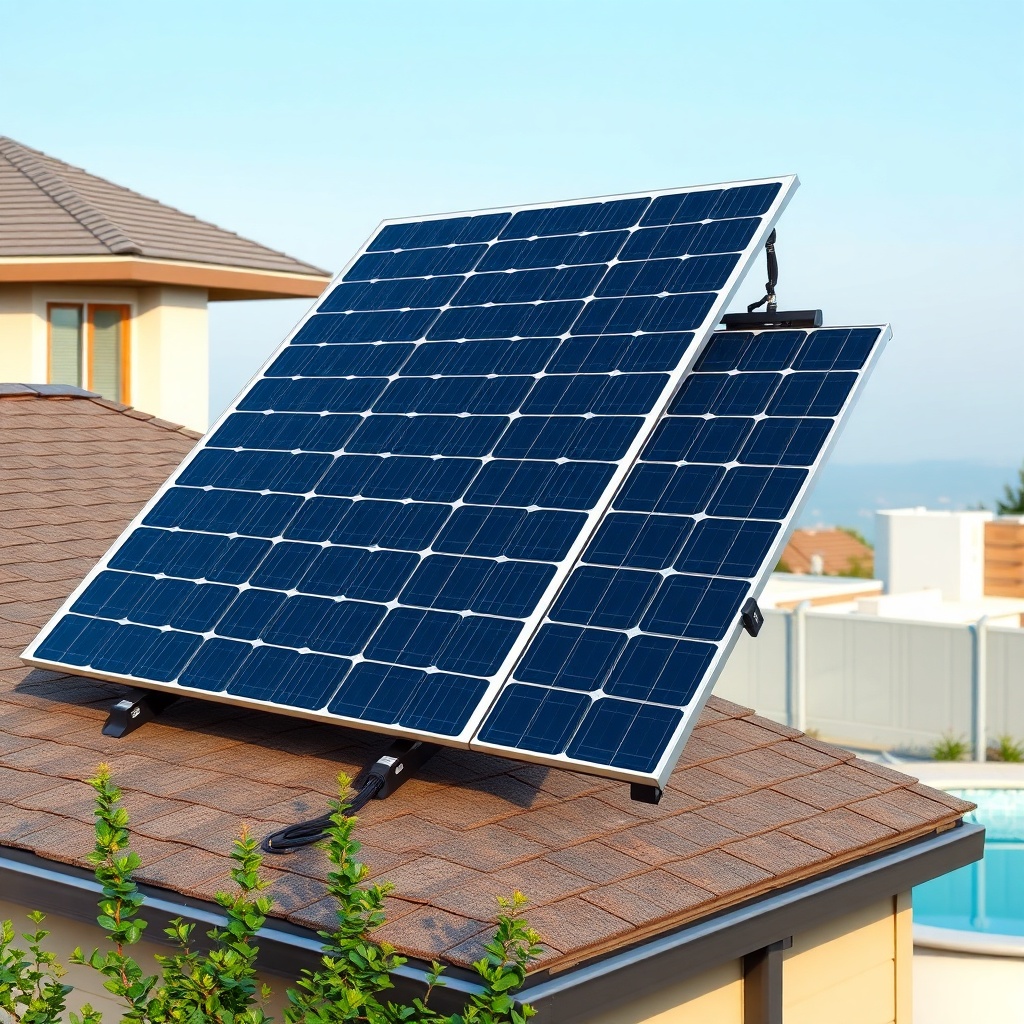
Real feedback from homeowners underscores the importance of precise sizing. One inground pool owner in Florida reported that a 6-panel array on a 500 sq ft pool raised water temperature from 74°F to 84°F in three days of full sun. However, they noted that on cloudy days, the system barely reached 80°F. An above ground pool owner in Texas installed a 4-panel array on a 24 ft round pool and achieved comfortable swimming temperatures of 86°F during peak summer, but wished they had added one more panel for shoulder seasons. Several owners emphasized that undersizing is the most common mistake, leading to long heat-up times and disappointment. Proper sizing, combined with correct Sizing a SunStar Solar Pool Heater for Your Pool, yields consistent results. The consensus is that spending extra on one additional panel is worthwhile, especially for inground pools where heat loss is greater.
Frequently Asked Questions
1. Can I install SunStar panels on a flat roof for an above ground pool?
Yes, but you need tilt mounting frames to angle the panels toward the sun. Without tilt, performance drops by 20–30%. Refer to the tilt angle guide for specifics.
2. How do I know if my pump is strong enough for a 6-panel SunStar array?
Check your pump’s GPM rating at the operating head. For 6 panels, you need 18–30 GPM at 15–20 ft of head. A 1.5 HP pump typically meets this. Use the pump guide to confirm.
3. What happens if I oversize the panels for my above ground pool?
Oversizing by one or two panels is generally safe and may extend the swimming season. However, extreme oversizing can cause the pool to overheat in peak summer or create excessive backpressure if the pump is undersized.
4. Does the SunStar system work with saltwater pools?
Yes, SunStar panels are made of EPDM rubber and polypropylene, which resist corrosion from chlorinated or saltwater pools. However, ensure the controller and sensors are saltwater-rated for longevity.
5. How long do SunStar panels last, and will I need to change sizing later?
Panels typically last 15–20 years with proper maintenance. Sizing remains valid as long as pool size is unchanged. If you add a spa or increase pool volume, you may need additional panels.
6. Can I winterize the SunStar system myself?
Yes, follow the Winterizing Your SunStar Solar Pool Heater: Freeze Protection Guide. Drain all water from the panels using the manual drain valves and purge the lines with compressed air to prevent freeze damage.