Matching a Heat Exchanger to Your Fafco Solar Bear System: A Practical Guide
Selecting the right heat exchanger for your Fafco Solar Bear solar pool heating system is critical for maximizing heat transfer and extending your swimming season. A properly matched unit ensures your unglazed polypropylene collectors deliver warm water efficiently, while a mismatched exchanger can lead to poor performance or premature wear. This article walks through the key considerations, from sizing calculations to material compatibility, to help you make an informed decision.
How Do I Determine the Correct Heat Exchanger Size for My Fafco Solar Bear Collectors?
The heat exchanger must be sized to match the collector array’s output. A general rule is to select a heat exchanger with a heat transfer area equal to 5–10% of the total collector surface area. For example, a 400 sq ft Fafco Solar Bear array (common for a 20,000-gallon pool) requires a heat exchanger with a 20–40 sq ft transfer surface. Oversizing by more than 20% can reduce flow velocity, causing mineral scaling or fouling, while undersizing limits heat gain. To fine-tune, calculate the required BTUs: for a 1°F temperature rise per hour on 20,000 gallons of water, you need about 166,000 BTUs. Fafco Solar Bear collect̃ors typically supply 600–1,000 BTU/sq ft/day, so a 400 sq ft array delivers 240,000–400,000 BTUs daily—easily meeting that target with proper exchanger pairing.
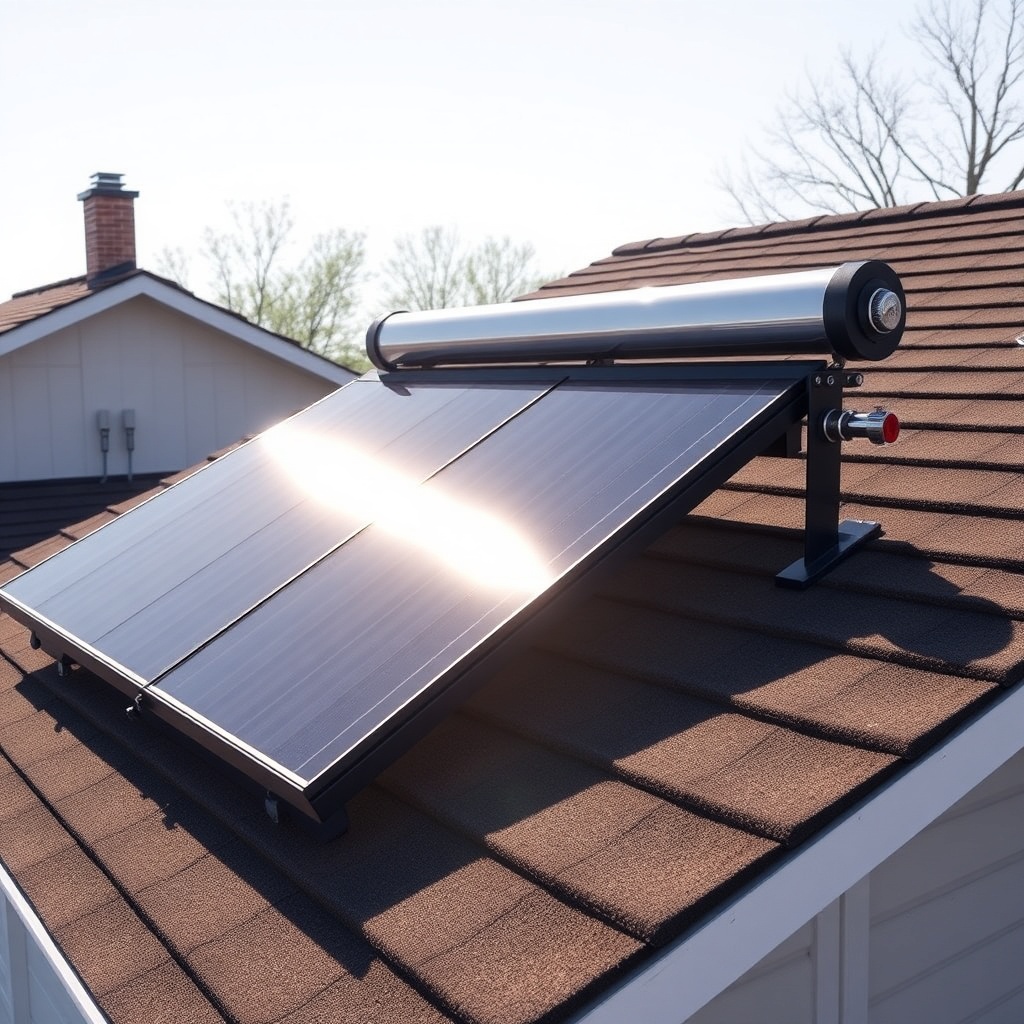
- Plate heat exchangers: Compact and efficient, best for tight spaces. Suitable for moderate climates.
- Shell-and-tube exchangers: Durable and easy to clean, preferred for high-mineral water or sandy pool environments.
- Brazed plate exchangers: No gaskets, lower maintenance, but more expensive—ideal for closed-loop systems with antifreeze.
What Materials Are Best for Fafco Solar Bear Heat Exchangers?
Material selection affects longevity and performance. The most common options are stainless steel 316L, titanium, and Cupro-Nickel. Stainless steel 316L is a budget-friendly choice for pools with balanced chemistry (pH 7.4–7.6, low salt), while titanium resists corrosion from saltwater or high chlorine levels (e.g., salt generators or mineral pools). Cupro-Nickel exchangers handle brackish water but are less common for residential solar. Fafco Solar Bear’s polypropylene collectors are chemically inert, so the exchanger material must withstand the pool water side, not the collector fluid. For most UK swim spas with up to 3,000 ppm salt, titanium is recommended; for standard chlorine pools, 316L works. Avoid copper or brass, as they cause staining and void warranties.
How Do I Integrate a Heat Exchanger with My Fafco Solar Bear Ground Mount System?
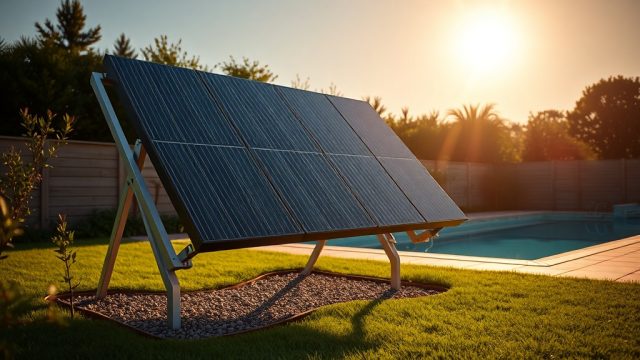
Ground-mount configurations often involve longer piping runs and higher head loss, which affects flow rate through the exchanger. Ensure the pump (sized per Generic Solar Pool Pump Sizing for Fafco Solar Bear Systems) delivers at least 8–12 GPM per 100 sq ft of collector area. If the exchanger is mounted at a different elevation, account for gravitational pressure drops. A common setup places the exchanger after the filter and before the collector feed, with a bypass valve for flow regulation. Install a pressure gauge on both sides to monitor differential pressure—exceeding 10 psi indicates a restriction or fouling.
For safety, include a Fafco Solar Bear Vacuum Break Installation Guide: Prevent Siphon Damage to prevent drainage when the system shuts off. This is especially important with ground-mount arrays where the exchanger sits lower than the pool water level.
What Is the Optimal Flow Rate Through a Fafco Solar Bear Heat Exchanger?
Heat exchangers require a specific flow velocity to maintain turbulence and prevent scaling. Most manufacturers recommend a water-side flow of 2–6 feet per second (FPS) inside the exchanger tubes. For a typical 1-inch exchanger port, this translates to 4–12 GPM. With Fafco Solar Bear collectors, the recommended flow is 0.05–0.08 GPM per sq ft of collector area. For a 400 sq ft array: 20–32 GPM total. If the exchanger’s capacity is lower (e.g., 12 GPM), split the flow across two parallel exchangers. A Fafco Solar Bear Low Flow Rate: Causes and Fixes article can help diagnose issues if you notice reduced performance.
| Collector Area (sq ft) | Pool Volume (gallons) | Required BTUs/day | Recommended Exchanger Surface (sq ft) | Flow Rate (GPM) |
|---|---|---|---|---|
| 200 | 10,000 | 83,000 | 10–20 | 10–16 |
| 400 | 20,000 | 166,000 | 20–40 | 20–32 |
| 600 | 30,000 | 249,000 | 30–60 | 30–48 |
| 800 | 40,000 | 332,000 | 40–80 | 40–64 |
How Does Winter Freeze Protection Affect Heat Exchanger Selection?
If your Fafco Solar Bear system is installed in a freezing climate, the heat exchanger must be compatible with antifreeze solutions (propylene glycol). Brazed plate exchangers made of stainless steel 316L handle glycol mixtures well, while gasketed plate exchangers may degrade with high glycol percentages. For drain-back systems (where water drains out of the collectors when the pump stops), a shell-and-tube exchanger with a large volume allows complete drainage. Review Fafco Solar Bear Winter Freeze Protection: DIY Antifreeze and Drain-Back Setup for step-by-step guidance. If you use antifreeze, ensure the exchanger’s maximum temperature rating exceeds 180°F (typical for solar collectors in stagnation). Titanium exchangers are preferred for glycol systems due to their corrosion resistance.
What Do Owners Say About Heat Exchanger Performance with Fafco Solar Bear?
Many Fafco Solar Bear owners report that pairing a correctly sized titanium plate heat exchanger with their ground-mount array extended their swimming season by 4–6 weeks. A common feedback point is that “the exchanger added consistent warmth even on cloudy days.” Others note that shell-and-tube units require annual cleaning of mineral deposits when pool water is hard, while stainless steel models are easier to backflush. Several users in southern England mentioned that a 40 sq ft exchanger on a 400 sq ft array raised pool temperature from 68°F to 82°F in three days, despite overcast weather. A few cautioned against brazed plate exchangers with high-salt pools, as they required replacement after two seasons. Overall, the investment cost of £300–£800 for a quality exchanger was seen as worthwhile compared to boosting collector area alone.
Frequently Asked Questions
Can I use a standard pool heater heat exchanger with Fafco Solar Bear?
Yes, but ensure it’s rated for the lower flow rates typical of solar systems (0.05–0.08 GPM per sq ft). Many gas heater exchangers require higher flow to prevent overheating.
What is the expected lifespan of a heat exchanger with Fafco Solar Bear?
Stainless steel 316L units last 5–8 years in balanced pool water; titanium exchangers last 10–15 years. Salt generators reduce lifespan to 3–5 years for 316L. Regular cleaning extends life.
Do I need a separate pump for the heat exchanger?
Not usually. The existing solar circulation pump can handle both collectors and exchanger if the total head loss is under 10 ft. For larger arrays, consider a secondary pump to avoid flow drop—refer to the flow rate table above.
How do I monitor heat exchanger efficiency over time?
Measure the temperature difference between collector outlet and pool inlet. A drop of more than 5°F from baseline indicates scaling or fouling. Record the pressure drop monthly; a rise of 20% suggests cleaning needed.
What size heat exchanger do I need for a 600 sq ft Fafco Solar Bear array?
As per the table, a 30–60 sq ft heat exchanger is recommended. For a 30,000-gallon pool, aim for at least 50 sq ft to achieve a 1°F rise per hour.
Can I install a heat exchanger myself, or should I hire a professional?
If you have plumbing experience, a DIY installation is feasible. However, for ground-mount systems, we recommend professional help to properly align with Fafco Solar Bear Ground Mount Tilt Angle Optimization: Best Summer and Winter Settings and ensure no leaks.