How Does Freeze Damage Occur in Heliocol Solar Pool Heaters?
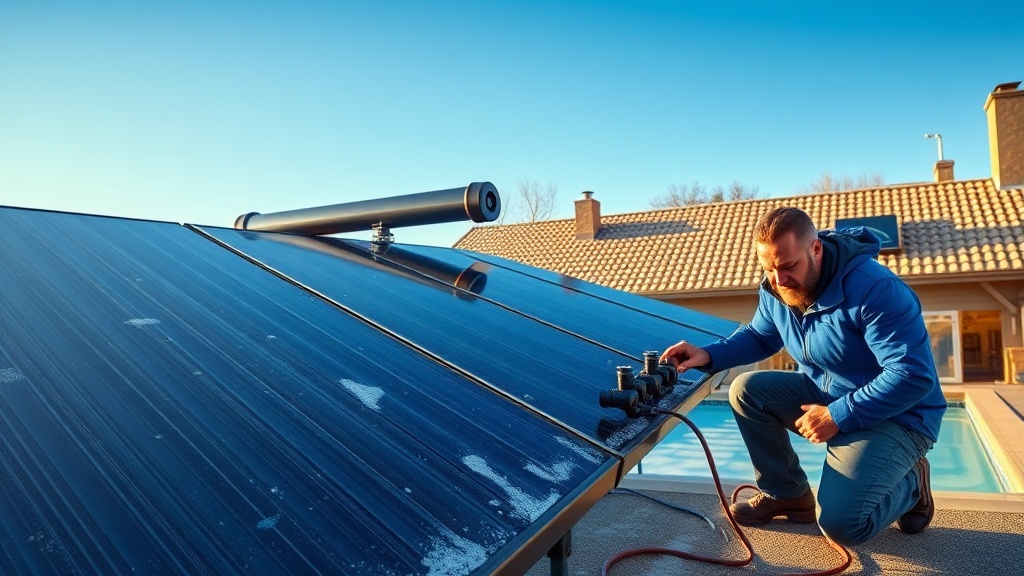
Heliocol solar pool heaters are renowned for their durable polymer construction and efficient heat exchange, but like any outdoor system exposed to harsh winter conditions, they are vulnerable to freeze damage. When water trapped inside the absorber plates freezes, it expands and exerts stress on the polymer walls, leading to cracks, delamination, or burst headers. This damage typically manifests in the collectors, which are the heart of the system, converting sunlight into pool-warming energy. The most common entry point for freeze issues is the manifold or the internal tubes, especially if the system is not properly drained or if a controller fails to activate freeze protection.
If you own a Heliocol system, understanding freeze damage is crucial because a single cracked collector can reduce heating efficiency by up to 40% and may lead to leaks that compromise your pool’s water balance. This guide walks you through inspecting and repairing freeze-related damage, focusing on the collectors and heat exchangers, with practical steps to get your system back to peak performance. For more on general collector issues, see our article on Heliocol Solar Pool Heater Absorber Plate Delamination: Causes and Repairs.
What Are the Telltale Signs of Freeze Damage in Heliocol Collectors?
Detecting freeze damage early can save you from costly replacements. Unlike gradual wear from UV exposure, freeze damage often appears suddenly after a cold snap. Typical signs include:
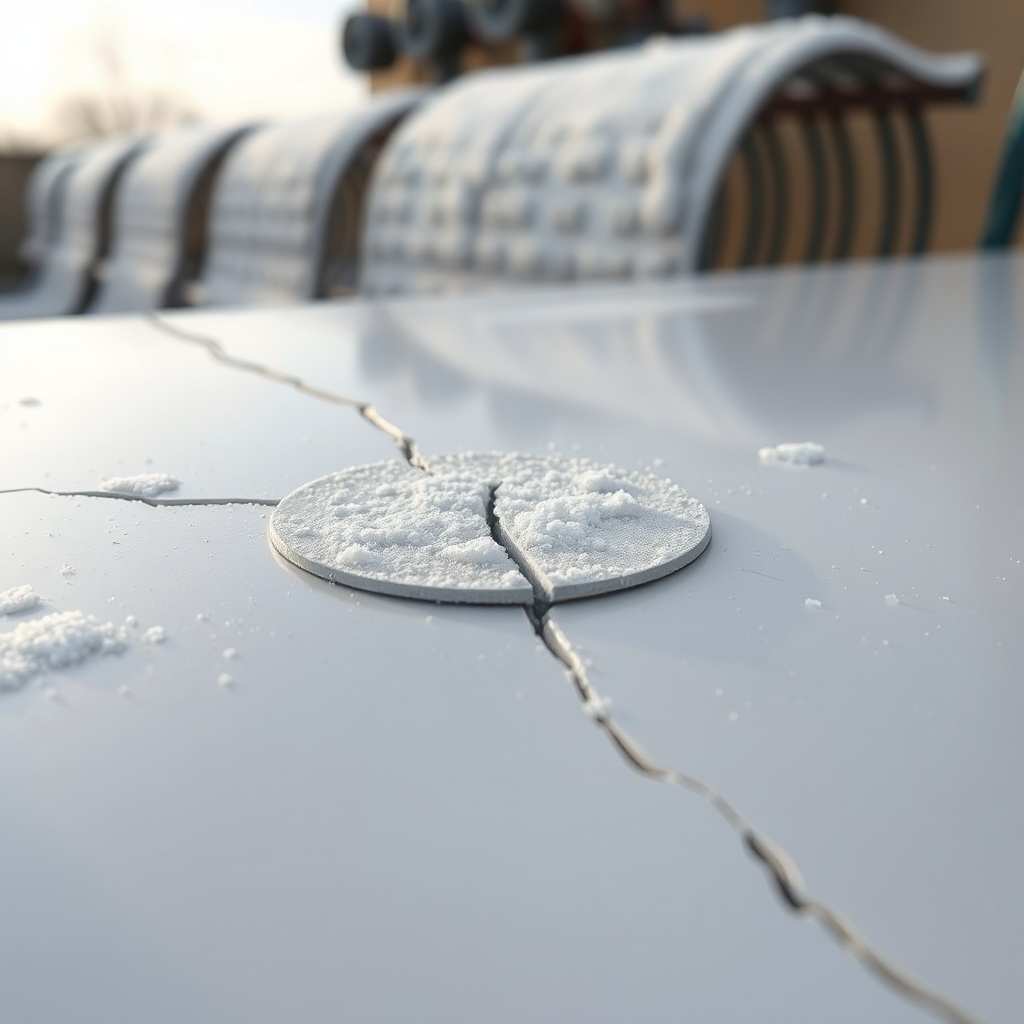
- Visible cracks or splits on the absorber plate surface, often running parallel to the internal water channels.
- Bulging or warping at the manifold connections where the header meets the absorber plate.
- Water leaks around collector edges or drip lines beneath the array after the system is pressurized.
- Reduced water flow through the system, indicated by lower pressure on the gauge or air bubbles in the pump basket.
- Ice expansion marks such as white, stress lines on the polymer near the inlet or outlet ports.
In severe cases, the damage may be hidden inside the collector tubes, requiring a pressure test to confirm. A simple method is to isolate the collectors and apply low-pressure air (5-10 psi) while listening for hissing or applying soapy water to suspect areas. If you spot cracks, refer to our guide on Heliocol Solar Pool Heater Absorber Plate Crack Repair: Step-by-Step Guide.
How Do You Perform a Thorough Inspection of Heliocol Collectors for Freeze Damage?
Inspection should be done in cool weather (below 85°F/29°C) to avoid heat-related expansion that might hide cracks. Follow these steps:
- Step 1: Shut down the system. Turn off the pump and close any isolation valves to prevent water flow during inspection.
- Step 2: Visual scan. Walk the entire array and look for discoloration, bulges, or separation at the end caps and headers.
- Step 3: Check mounts and brackets. Freeze damage often coincides with ground movement, which can stress the mounting system. Review Heliocol Solar Pool Heater Ground Mount Attachment Methods: Pros and Cons of Rails vs Clips to ensure your mounts aren’t contributing to issues.
- Step 4: Pressure test each collector individually. Disconnect the supply and return lines. Use a hand pump to pressurize the collector to 15 psi (about 1 bar). Monitor for 10 minutes—any drop indicates a leak.
- Step 5: Inspect the heat exchanger interface. If your system uses a dedicated heat exchanger, check for freeze damage at the connection points where the collector meets the exchanger.
A table below summarizes damage severity based on inspection findings:
| Severity Level | Visible Signs | Pressure Test Result | Recommended Action | Estimated Repair Cost (USD) |
|---|---|---|---|---|
| Mild | Minor stress marks, no cracks or leaks | Stable at 15 psi | Monitor, no immediate repair | $0–50 |
| Moderate | Small cracks (<2 inches) or bulging at manifolds | Slow pressure drop (1–3 psi in 10 min) | Patch with polymer adhesive or replace manifold | $50–200 |
| Severe | Long cracks, water leaks, warped plates | Rapid pressure drop (>5 psi) | Collector replacement recommended | $200–600 per collector |
| Critical | Multiple cracks, total loss of seal, water gushing | Immediate loss of pressure | Replace entire collector and inspect mounts | $600–1200 per system |
Can You Repair Freeze-Damaged Heliocol Collectors Yourself?
Yes, but only for mild to moderate damage. For severe cracks or manifold failures, professional replacement is often more cost-effective because repairs on polymer collectors can be temporary. For DIY repairs, you’ll need a compatible polymer adhesive like Heliocol-approved UV-resistant epoxy or a specialized solar pool heater patch kit. Here’s a basic repair process:
- Drain and dry the collector completely. Use compressed air to blow out remaining water.
- Clean the damaged area with isopropyl alcohol and let it air dry for 30 minutes.
- Apply adhesive generously over the crack, extending 1 inch beyond each end. Use a putty knife to smooth it.
- Clamp the area with small C-clamps (with padding) for 24 hours during cure time.
- Re-pressure test before reinstalling the collector into the array.
However, if the freeze damage extends to the internal tubes or headers, patching won’t restore full flow. In such cases, the collector must be replaced. For detailed steps on crack repair, see our dedicated guide: Heliocol Solar Pool Heater Absorber Plate Crack Repair: Step-by-Step Guide.
How Does Freeze Damage Affect the Heat Exchanger in a Heliocol System?
The heat exchanger in a Heliocol system is typically a separate unit that transfers heat from the collector fluid to the pool water. If freeze damage occurs in the collector, it can propagate to the exchanger in two ways:
- Direct freeze: If the exchanger itself is exposed to sub-freezing temperatures without flow, it can crack internally, leading to mixing of pool water and collector fluid.
- Indirect from debris: Ice expansion in collector tubes can push polymer shards or sediment into the exchanger, clogging its narrow passages and reducing heat transfer efficiency.
To inspect the heat exchanger, remove it from the system and check for corrosion, scale, or cracks at the inlet and outlet. A simple flow test: pour water through the exchanger—if it sputters or produces bubbles, there’s likely a blockage. Repair is often a job for a professional due to the risk of cross-contamination. Prevention is best: ensure your controller activates freeze protection when temperatures drop below 38°F (3°C). For controller setup, consult Heliocol Solar Pool Heater Controller WiFi Integration: Step-by-Step Setup Guide.
What Owners Say About Freeze Damage Repairs
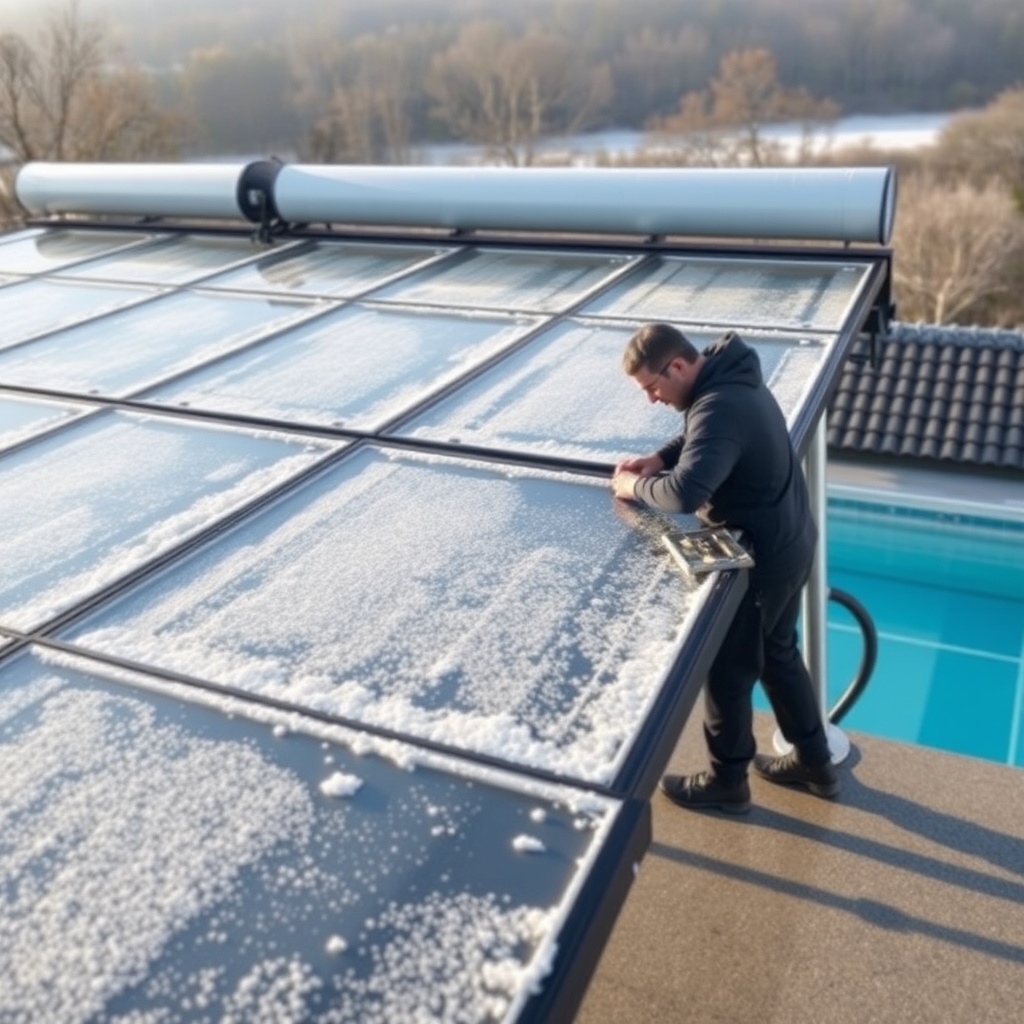
Many Heliocol owners in colder climates (USDA zones 6 and below) report success with early detection and DIY patching for small cracks. For example, a pool owner in Colorado noted that catching a hairline crack in the first winter saved them $400 in replacement costs by applying a high-temperature polymer sealant. However, several owners in Minnesota emphasize that once the collector header splits, replacement is inevitable because repairs fail within one season due to thermal cycling.
Common feedback from forums like TroubleFreePool and Solar Pool Heating groups:
- “I used a two-part epoxy on a 3-inch crack and it held for two winters before needing reapplication. That was worth it compared to buying a new panel.” – Mark T., Ohio
- “After a bad freeze, I replaced three collectors. The technician said my roof mount brackets were too tight, causing stress points. I wish I’d read up on Heliocol Solar Pool Heater Roof Mount Bracket Spacing and Load Calculations beforehand.” – Sarah L., Vermont
- “My heat exchanger failed after a freeze because I didn’t check the antifreeze level in the closed loop. Cost me $800 for a new exchanger and labor. Now I use a WiFi-enabled controller with alerts.” – James R., Pennsylvania
The consensus: invest in a reliable controller with freeze protection and inspect your system before winter sets in.
Frequently Asked Questions
1. Can a Heliocol solar pool heater survive one freeze without damage?
Possibly, if the freeze is brief (overnight low of 28°F/-2°C) and the system is properly drained or has antifreeze in a closed-loop setup. However, repeated freeze events or a prolonged freeze below 32°F (0°C) with standing water will almost certainly cause damage to collectors or the heat exchanger.
2. What is the best way to prevent freeze damage in Heliocol collectors?
The most effective prevention is to install a controller with a temperature sensor that activates the pump when ambient temperature drops near freezing. Additionally, draining the collectors for winter storage is recommended if the system is not used year-round. For detailed sensor setup, see Heliocol Solar Pool Heater Temperature Sensor Replacement Guide.
3. How much does it cost to replace a freeze-damaged Heliocol collector?
Replacement costs vary by region and installer, but expect to pay between $200 and $600 per collector (parts and labor) in the United States. A full system of 6–8 collectors can cost $1,200–$4,800 depending on roof accessibility and mounting type.
4. Can I use antifreeze in my Heliocol solar pool heater system?
Yes, food-grade propylene glycol is compatible with Heliocol polymer collectors. It should be mixed to a 30–50% concentration for freeze protection down to -20°F (-29°C). However, be aware that antifreeze reduces thermal efficiency slightly and requires periodic replacement every 3–5 years.
5. Will freeze damage void my Heliocol warranty?
Yes, if the damage is caused by improper winterization or failure to follow the manufacturer’s freeze protection guidelines. Heliocol’s standard warranty covers manufacturing defects, not damage from freezing, improper installation, or neglect. Always check your warranty terms and consult a certified installer.
6. How do I know if my heat exchanger is damaged after a freeze?
Signs include reduced heating performance, visible leaks around the exchanger body, or a sweet smell from antifreeze (if used) in the pool water. Perform a pressure test on the exchanger loop. If pressure drops below 10 psi in 15 minutes, the exchanger likely has a crack. Replace it to avoid contaminating your pool water.