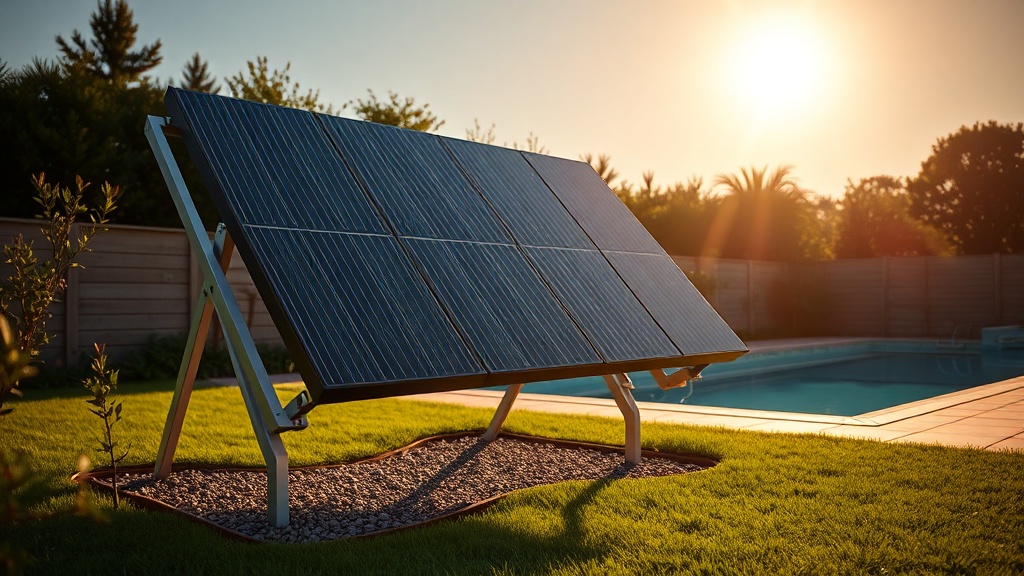
Why Tilt Angle Matters for Heliocol Solar Pool Heaters in Ground Mounts
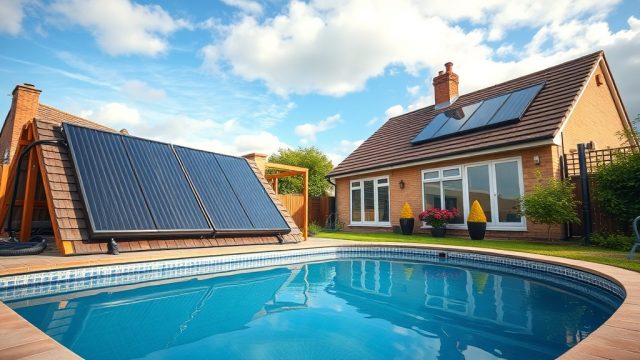
When installing a Heliocol solar pool heater in a ground mount configuration, the tilt angle directly determines how much solar radiation the collectors capture throughout the year. Unlike roof-mounted systems where roof pitch dictates the angle, ground mounts allow full adjustability—and getting this wrong can reduce seasonal heat output by 25% or more. Optimizing for summer and winter settings ensures maximum pool heating efficiency without wasting energy or oversizing the pump.
This guide provides specific tilt angle recommendations for Heliocol collectors in ground mounts, explains the physics behind seasonal adjustments, and shows you how to calculate your optimal setting based on latitude. We also link to critical companion guides like Heliocol Solar Pool Heater Automatic Diverter Valve Installation Guide for complete system integration.
What Is the Optimal Tilt Angle for Heliocol Collectors in Summer?
During summer months, the sun sits higher in the sky, so collectors need a flatter tilt to capture more direct beam radiation. For Heliocol panels—which are typically 4.2 m² per collector with a flow rate of 2.5–4.5 GPM per panel—the ideal summer tilt angle is your geographic latitude minus 10 to 15 degrees. For example, at 40° N latitude, set collectors to 25°–30° from horizontal. This positions the absorber surface perpendicular to the midday sun, maximizing heat gain when you need it most (May through September).
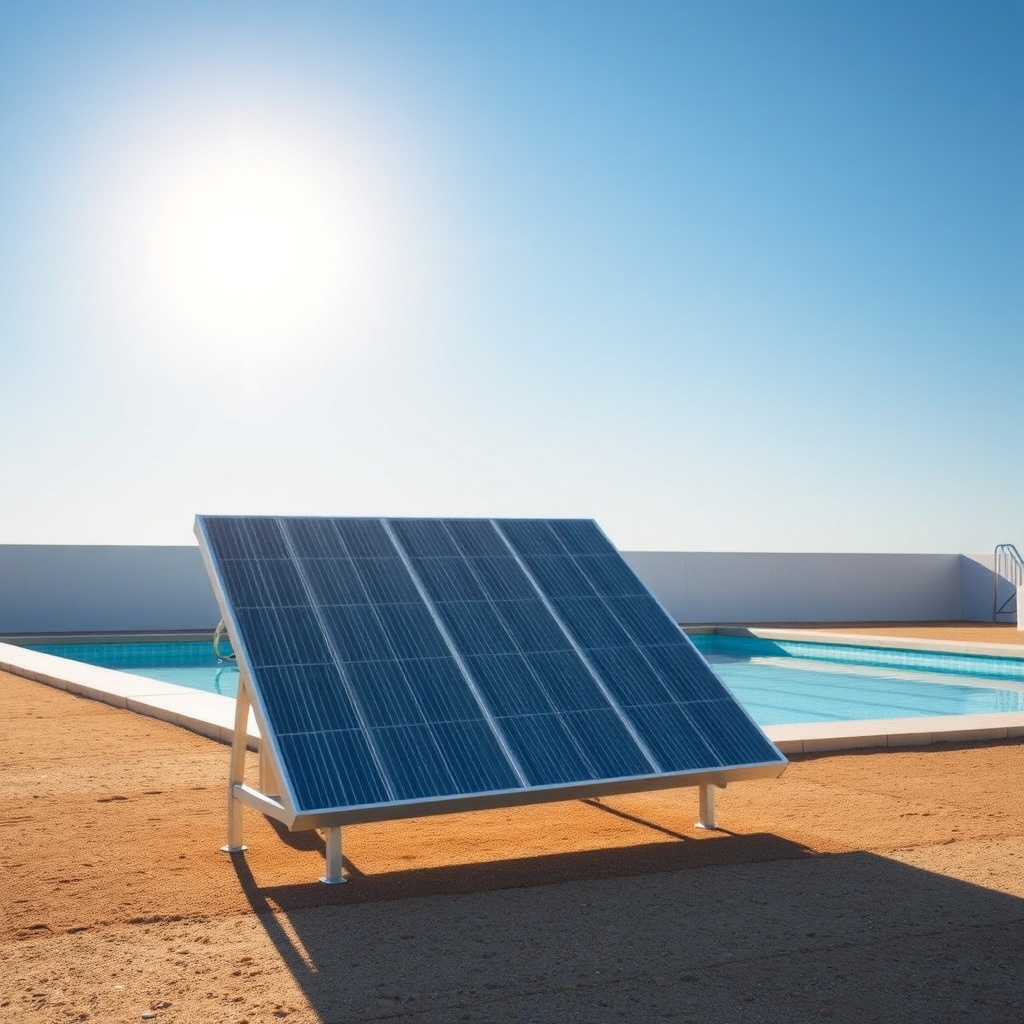
If your swimming season is strictly June to August, you can even go as low as latitude minus 15°. Keep in mind that Heliocol Solar Pool Heater Pump Sizing Guide: Choosing the Right Flow Rate explains why flow rates affect thermal efficiency at these angles; lower tilt angles can trap more heat but require proper pump sizing to avoid stagnation.
What Is the Optimal Tilt Angle for Heliocol Collectors in Winter?
Winter solar pool heating—whether for an indoor pool or extending shoulder season—demands a steeper tilt. The optimal winter angle equals your latitude plus 10 to 15 degrees. At 40° N, that means 50°–55° from horizontal. Steeper angles shed snow more effectively, reduce dust buildup, and capture low-angle winter sunlight from the southern horizon (in the Northern Hemisphere). For Heliocol collectors, which have a flexible header design, steeper mounts do not stress the plumbing if secured per manufacturer specs.
A common mistake is leaving collectors at summer tilt year-round, resulting in up to 40% less winter heat output. For seasonal adjustment, install adjustable brackets that allow manual angle changes twice a year. Pair with Heliocol Solar Pool Heater Winterization: Drain-Back and Antifreeze Methods if your system will see freezing temperatures.
How to Calculate the Ideal Tilt Angle for Your Latitude
The general formula: Optimal tilt = latitude ± (10° to 15°). Use the table below for quick reference based on common U.S. latitudes. These values apply to all Heliocol collector models (HC-40, HC-50, etc.) when mounted in an unobstructed ground location.
| Latitude (N) | Summer Tilt | Winter Tilt | Example City |
|---|---|---|---|
| 25° (South Florida) | 10°–15° | 35°–40° | Miami, FL |
| 30° (Gulf Coast) | 15°–20° | 40°–45° | Houston, TX |
| 35° (Mid-South) | 20°–25° | 45°–50° | Atlanta, GA |
| 40° (Mid-Atlantic) | 25°–30° | 50°–55° | Philadelphia, PA |
| 45° (Northern Tier) | 30°–35° | 55°–60° | Minneapolis, MN |
| 50° (Canada) | 35°–40° | 60°–65° | Vancouver, BC |
For year-round pool use without seasonal adjustments, use latitude minus 5° as a compromise, but expect 10–15% lower efficiency in peak seasons. Always orient collectors true south (or within 15° of south) for maximum performance. For more on system protection, see Heliocol Solar Pool Heater Pressure Relief Valve: Installation and Maintenance Guide.
What Tools and Brackets Are Needed for Angle Adjustments?
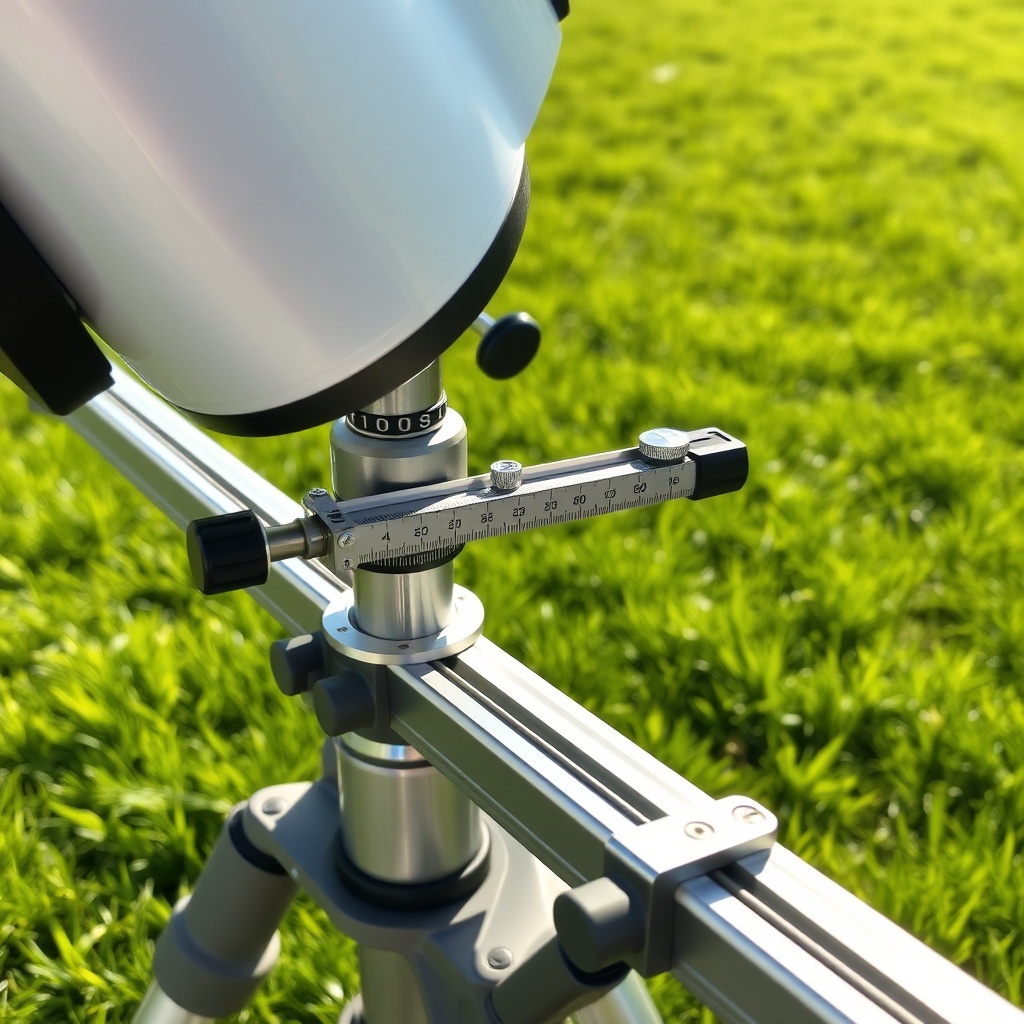
Heliocol ground mounts typically use aluminum extrusion rails with adjustable tilt brackets. For seasonal changes, you need a heavy-duty adjustable bracket rated for at least 150 kg per panel (including water weight). Common options include the Heliocol Tilt-Mount Kit or third-party Snappy Tiilt brackets. Tools required: socket wrench (1/2″), level, protractor, and marking chalk. To adjust, loosen the pivot bolts, tilt the array to the desired angle using a protractor locked onto the rail, then retorque bolts to spec (usually 30–40 N·m).
Many owners find that setting summer angle once in late April and winter angle in late October works best. For systems with more than four collectors, consider a two-person adjustment to avoid bending headers. If you use automatic drain-back, angle changes do not affect drainage as long as collectors slope downward toward the return line. Related reading: Heliocol Solar Pool Heater Vacuum Break Installation Guide: Prevent Siphon Damage.
How Does Tilt Angle Affect Heat Output and Payback Period?
A properly optimized tilt angle can boost seasonal efficiency from 60% to 80% for a Heliocol system, directly impacting payback. For a typical 6-panel array costing about $3,200–$4,200 USD installed, a 20% efficiency gain means an extra 12,000–15,000 BTU per day in peak summer—which can reduce gas heater run time by 2–3 hours daily. At current U.S. natural gas prices (approx. $1.50 per therm), that saves $50–$80 per month. Over a 5-year period, the angle optimization alone pays for the adjustable brackets ($120–$200) and then some.
In colder climates, the winter angle improvement is even more dramatic. At 45° N, shifting from latitude-minus-15° (summer) to latitude-plus-15° (winter) can double cold-weather production. Ground-mounted arrays also benefit from reduced wind loading at steeper angles in winter, though this is secondary. Always check local wind codes—most areas require anchoring for gusts up to 120 mph.
What Owners Say About Heliocol Tilt Angle Adjustments
John from Maryland (40° N) reports: “I set my 8 Heliocol panels at 30° summer and 50° winter. My pool stays at 84°F without a gas booster, and I cut my electric bill by $40 a month because the pump runs less. The brackets cost me $180 and took an hour to adjust each time—totally worth it.”
Susan in Oregon (45° N) notes: “I didn’t adjust the first year and got only 28°F rise in May. After moving to 35° summer tilt, I hit 34°F rise. The pool season expanded by three weeks. Only downside is storing the extra hardware, but I build a small shed.”
Mike in Phoenix (33° N) says: “We don’t adjust for winter—pool runs year-round at 20° tilt. But in July, 20° works great. I did install a pressure relief valve per the guide; it saved my pump when a valve stuck shut.”
For detailed installation steps, consult the Heliocol Solar Pool Heater Tilt Angle Optimization: Best Summer and Winter Settings companion guide.
Frequently Asked Questions
Q: Can I use a single tilt angle year-round for my Heliocol ground mount?
A: Yes, but at a penalty. Using latitude minus 5° as a fixed tilt yields 10–15% lower annual output. For seasonal pool use (May–September), fixed summer tilt is fine.
Q: What happens if I tilt too steep in summer?
A: Steep angles (>45°) in summer reduce midday capture by up to 30% and increase thermal losses overnight. You also risk overheating the panels if flow drops.
Q: Do I need to drain the system before adjusting tilt angle?
A: For Heliocol ground mounts, you can adjust with water in the panels, but it’s safer to drain or close the supply valve to reduce weight. Always use pressure relief.
Q: How often should I clean Heliocol panels with seasonal tilt changes?
A: Twice per year during angle adjustments. Use a soft brush and mild soap; avoid high-pressure washers which can damage the absorber coating.
Q: Are there automated tilt systems for Heliocol?
A: Not officially from Heliocol, but third-party solar trackers (e.g., SmartTilt) exist. They cost $900–$1,500 per array and add maintenance. Manual adjustment is most cost-effective.
Q: Does tilt angle affect the pressure drop across the collectors?
A: No significant change—pressure drop is primarily due to flow rate and header design. Maintain 2.5–4.5 GPM per panel regardless of angle.