Fafco Solar Bear Collector Freeze Damage: How to Inspect and Repair Cracked Absorbers
When winter temperatures drop unexpectedly, Fafco Solar Bear collectors can suffer freeze damage that cracks the absorber plates, leading to leaks and reduced heating efficiency. This guide walks you through inspecting for freeze-related cracks, assessing damage severity, and performing repairs that can save you hundreds of pounds compared to full panel replacement. Catching small fractures early is key to preserving your solar pool heating investment.
What Causes Fafco Solar Bear Absorber Cracks in Freezing Conditions?
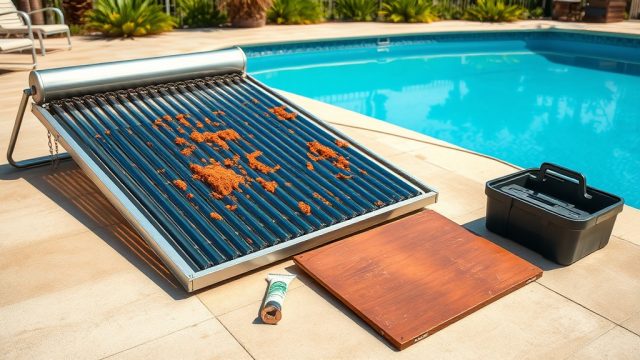
Fafco Solar Bear collectors use a polymer absorber plate with internal water channels. When water inside these channels freezes, it expands by roughly 9% in volume. The absorber material, while flexible, cannot always accommodate this stress, especially if the system was not properly drained or winterized. Common scenarios include inadequate antifreeze protection, a failed automatic drain-down valve, or power outages that stop circulation pumps during a freeze event. The result is hairline or full-length cracks along the flow channels, typically near the inlet/outlet headers or along the middle of the panel where ice forms first.
To prevent future freeze damage, review our guide on Fafco Solar Bear Antifreeze Mix Ratios: Safe Winter Protection for proper freeze-point protection down to -20°C.
How Do I Visually Inspect for Cracked Absorbers?
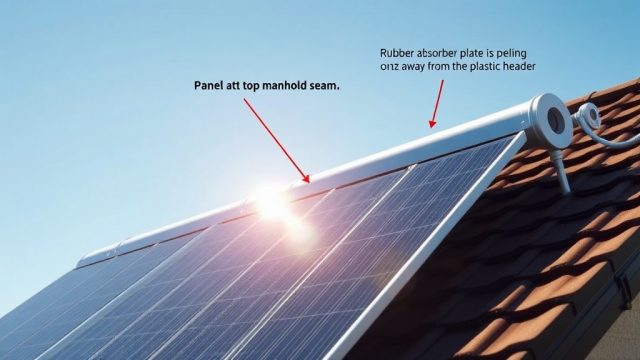
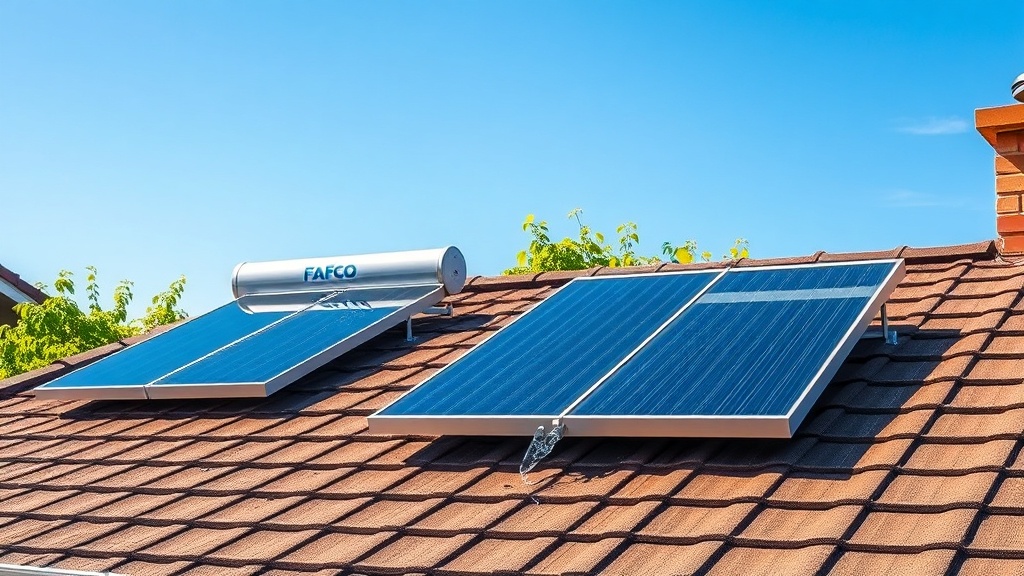
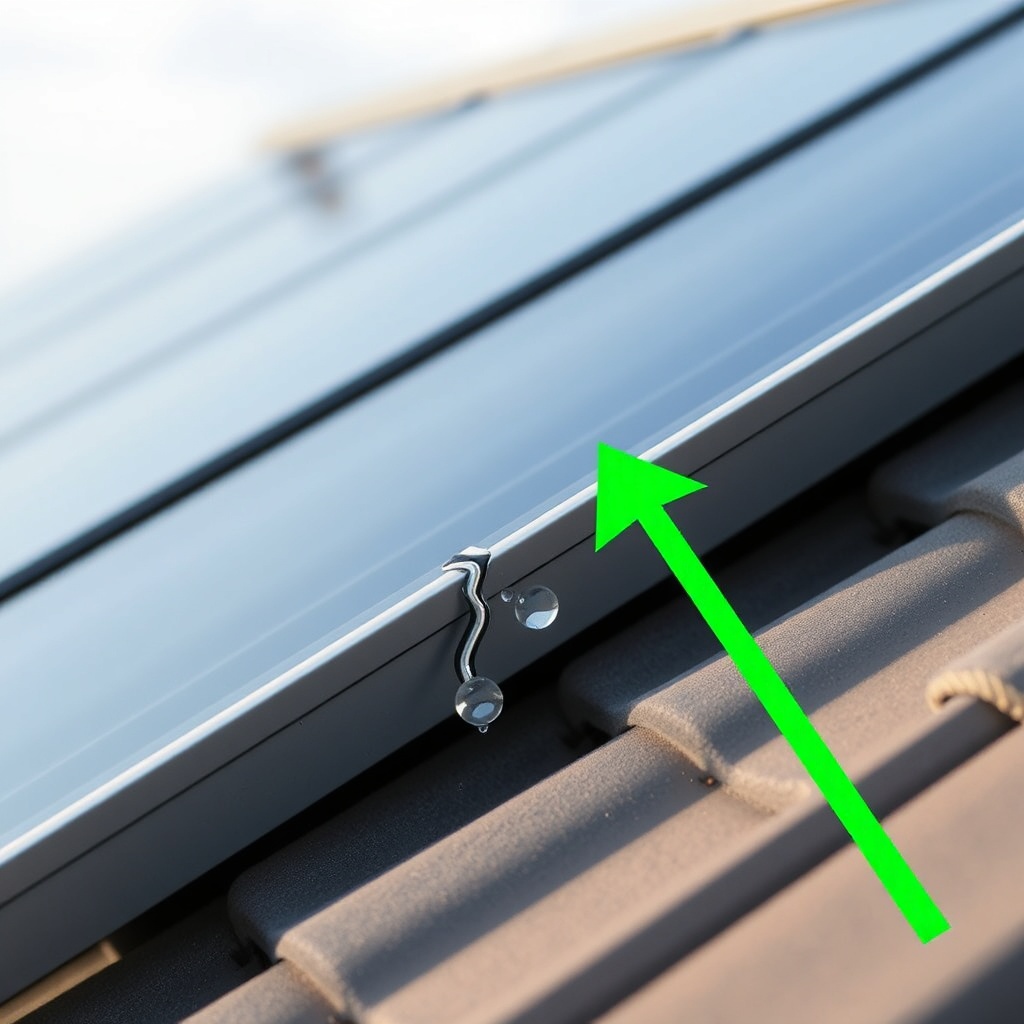
Start by examining the collector array on a sunny day when the system is pressurised (pump running). Look for obvious water dripping from panel edges, along the bottom rail, or pooling on the roof below. For hairline cracks, use a garden hose to wet the panel surface while the system is off—then turn the pump on. The temperature change can cause cracks to open momentarily, revealing a fine stream of water. Also inspect the absorber sheet for whitish stress lines or bulging, which indicate the plastic has been stretched by ice expansion. Pay special attention to the header tubes where the flow channels join; this is a common weak point.
Can I Repair a Cracked Absorber, or Must I Replace the Whole Collector?
Repair is possible for small, localised cracks (under 50 mm long) that are not near the primary headers. Fafco sells a polymer repair kit that uses a heat-fusion process or a two-part epoxy designed for polypropylene. For longer cracks—especially those running across multiple flow channels—or cracks at the header connection, the entire absorber plate or the full collector may need replacement. Use the table below to gauge severity and decide whether repair is viable.
| Crack Type | Location | Length | Leak Rate | Repair Feasibility | Estimated Cost (GBP) |
|---|---|---|---|---|---|
| Hairline | Flow channel (centre) | < 30 mm | Slow drip | Yes – epoxy or heat fuse | £15–30 (kit) |
| Moderate | Flow channel (middle) | 30–50 mm | Steady stream | Yes – heat fusion patch | £30–60 (patch kit) |
| Severe | Header tube junction | 50–100 mm | Gusher | No – replace absorber | £120–200 (absorber only) |
| Critical | Multiple channels / header | > 100 mm | Flood | No – replace full collector | £350–600 (complete panel) |
What Tools and Materials Do I Need for a DIY Repair?
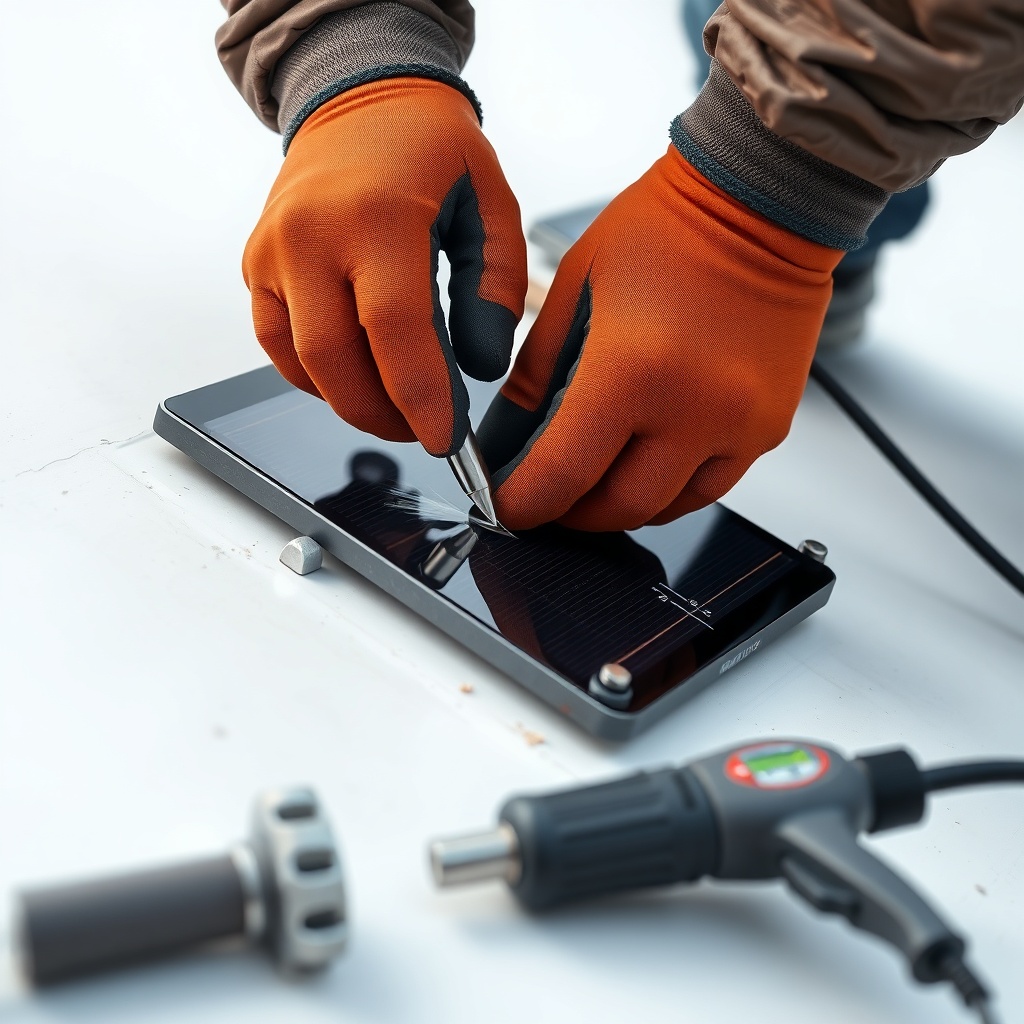
For a successful repair, assemble the following: Fafco-approved polypropylene repair epoxy (or heat-fusion welding rod), a heat gun with adjustable temperature (200–250°C), sandpaper (120-grit), isopropyl alcohol for cleaning, a utility knife, and a clamp to hold the crack closed during curing. If using a heat-fusion method, you will also need a plastic welding kit with a flat tip nozzle. Ensure the panel is completely dry and the ambient temperature is above 10°C—cold plastic prevents proper bonding. Gloves and safety glasses are mandatory, especially when using the heat gun.
How Do I Repair a Small Crack Step by Step?
First, turn off the pump and drain the collector by opening the air vent and drain plug at the lowest point. Dry the crack area thoroughly with a clean cloth. Lightly sand the surface around the crack (roughly 2 cm each side) to improve adhesion. Clean with isopropyl alcohol. For epoxy repairs, mix the two-part compound according to instructions, apply it into the crack with a plastic spreader, and press a patch of fibreglass mesh (included in some kits) into the epoxy. Clamp the area and let it cure for 24 hours. For heat fusion, use the heat gun to melt a welding rod along the crack, smoothing it with a flat tool. Once cooled, pressure-test the panel by closing the drain and running the pump at normal operating pressure (typically 1.5–2 bar). Check for leaks after 15 minutes. If none appear, the repair is successful.
For a more comprehensive system overhaul, ensure your diverter valve is working correctly by reading the Fafco Solar Bear Automatic Diverter Valve Installation Guide—improper flow can stress repaired areas.
Will a Repair Restore Full Performance, and How Long Does It Last?
A properly executed epoxy or heat-fusion repair on a small crack restores hydraulic integrity typically for 2–5 seasons. However, the repaired area is slightly weaker than the original material and may be more prone to future damage if the system freezes again. Expect a small reduction in heat transfer efficiency (less than 5%) because the repair material has different thermal conductivity. Larger or multiple repairs degrade performance more noticeably—beyond 10% efficiency loss suggests panel replacement is cost-effective. Monitor the repaired area during each winterisation; apply antifreeze as recommended in the guide above.
What Owners Say About Freeze Damage Repairs
Many Fafco Solar Bear owners in the UK and Ireland report that small cracks appear after the first hard frost if they relied solely on manual drain-down. John from Cornwall said, “I fixed a 20 mm crack with epoxy three years ago, and it’s still holding. Saved me £400 on a new panel.” Others note that heat-fusion repairs are more durable—Sarah from Kent shared: “The welding method took longer, but it looks factory. No leaks after two winters.” A common complaint is that repair kits are hard to find locally; online orders from Fafco distributors are preferred. Most owners emphasise that fitting an automatic freeze protection valve is cheaper than repeat repairs—see our Matching a Heat Exchanger to Your Fafco Solar Bear System for a complementary solution.
Frequently Asked Questions
Can I use any epoxy for Fafco Solar Bear crack repair?
No. Only use epoxy specifically rated for polypropylene or high-density polyethylene. Standard epoxies do not bond to these plastics and will fail within weeks. Look for products labelled for pool solar panel repair.
How long does a heat-fusion repair take?
Expect about 30 minutes of active work for a single crack, plus cooling time of 1–2 hours before pressure testing. Full curing for epoxy takes up to 24 hours.
Will a cracked absorber affect the rest of the system?
Yes. Even a small leak reduces system pressure, causing the pump to work harder and potentially cavitate. Leaks also introduce air into the loop, which can damage the heat exchanger—see our Fafco Solar Bear Heat Exchanger Sizing: Matching Collector Area to Pool Volume for sizing impact.
Can I repair a crack that is leaking in winter?
You can temporarily stop the leak with a pipe repair clamp or silicone tape, but permanent repair requires above-freezing temperatures (minimum 5°C) for the epoxy or fusion to cure properly. Never try to heat-fuse a wet panel.
Does Fafco warranty cover freeze damage?
Standard Fafco warranties do not cover damage caused by freezing unless you have documented proof of proper winterisation (e.g., antifreeze level test results). Review your specific warranty terms or consult the installer.
How do I prevent freeze cracks in the future?
Use the correct antifreeze mix for your climate—proprieve glycol at 30–50% concentration, depending on expected lows. Install an automatic drain-down system and check the rivets annually, as corrosion can weaken the absorber—read our article on Fafco Solar Bear Absorber Plate Rivets Corrosion: Prevention and Fixes for more details. Also inspect for delamination, which can cause hidden water pockets that freeze; learn more at Fafco Solar Bear Absorber Plate Delamination: Causes and Repairs.