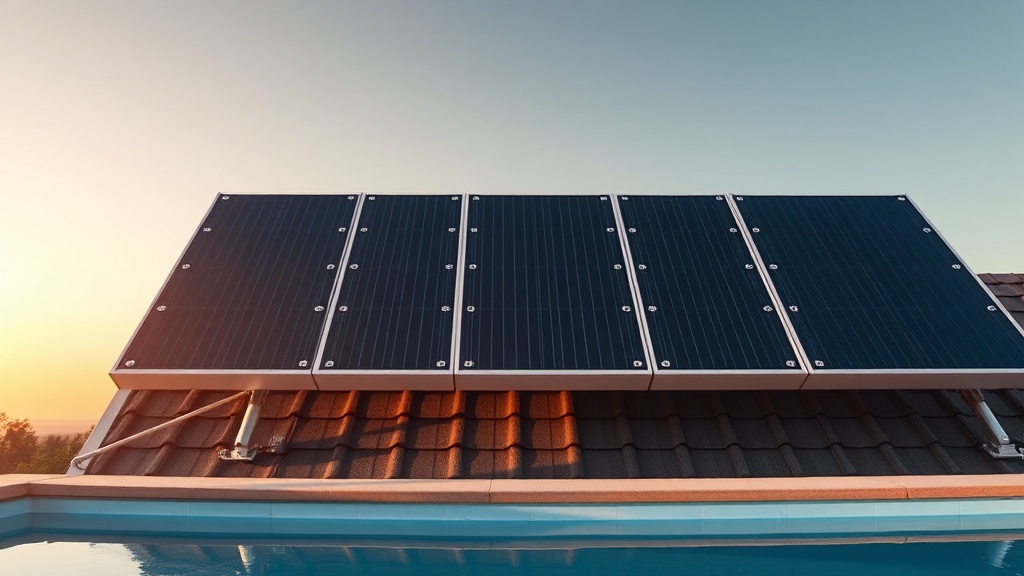
Why Does Pressure Drop Matter for the Fafco Solar Bear Collector?
Solar pool heating systems depend on consistent water flow to transfer heat effectively, and the Fafco Solar Bear collector is no exception. Pressure drop—the resistance water encounters as it moves through the absorber tubes—can make or break system performance. For pool owners in the UK, Ireland, and Australia, understanding pressure drop is essential for maintaining efficient heating without overtaxing the pump.
In this article, we break down the key factors influencing pressure drop in the Fafco Solar Bear, offer optimisation tips, and explain how to keep your system running with minimal resistance and maximum heat gain. Whether you are retrofitting an existing setup or planning a new installation, a balanced flow approach will extend equipment life and lower energy bills.
What Is the Typical Pressure Drop Range for a Fafco Solar Bear Panel?
Pressure drop in the Fafco Solar Bear varies with flow rate, panel orientation, and head loss in connecting pipework. At the manufacturer’s recommended flow of 2.5 to 3.5 gallons per minute (9.5 to 13.2 litres per minute) per panel, a single 4×12-foot (1.22 x 3.66 metre) collector exhibits a pressure drop between 1.5 and 3.0 feet of head (0.45 to 0.91 metres). For a typical residential array of four to six panels connected in parallel, total system pressure drop including headers and risers ranges from 4 to 8 feet (1.2 to 2.4 metres).
Exceeding the recommended flow rate increases pressure drop exponentially, risking pump cavitation and reduced panel longevity. Conversely, running below 2 GPM (7.6 L/min) per panel may cause uneven flow and lower heat transfer efficiency. A well-designed system should never exceed 4 feet of head per panel at peak summer flow.
To visualise the relationship, here is a comparison table based on standard 4×12-foot Fafco Solar Bear panels with ½-inch internal headers:
| Flow Rate per Panel (GPM) | Flow Rate per Panel (L/min) | Pressure Drop per Panel (ft head) | Pressure Drop per Panel (m head) | Effect on System |
|---|---|---|---|---|
| 2.0 | 7.6 | 1.2 | 0.37 | Low flow, risk of stratification, reduced output |
| 2.8 | 10.6 | 1.9 | 0.58 | Optimal flow balance, best thermal performance |
| 3.5 | 13.2 | 2.8 | 0.85 | Faster heat transfer, moderate pump load |
| 4.5 | 17.0 | 4.5 | 1.37 | High drop, risk of pump strain, possible leaks |
For new installations, consult the Fafco Solar Bear Heat Exchanger Sizing: Matching Collector Area to Pool Volume guide to match panel count to your pool’s surface area and pump capacity. Oversizing the array relative to pump head capacity is a common cause of chronic pressure drop problems.
How Does Absorber Plate Condition Affect Pressure Drop?
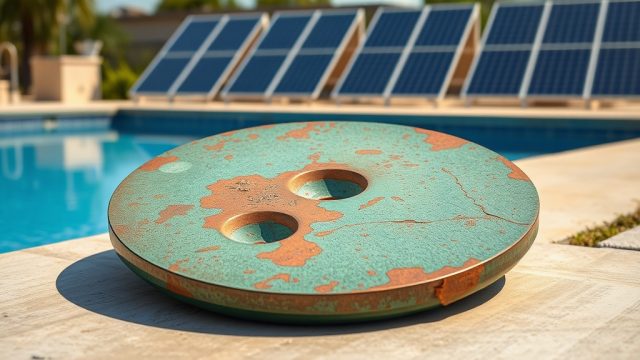
Over time, internal fouling from calcium deposits, rust particles, or biological growth can narrow the absorber tubes and increase resistance. The Fafco Solar Bear uses a patented roll-bond aluminium absorber plate with internal water channels. If the aluminium begins to corrode—especially at rivet points—fragments can dislodge and partially block passages.
When pressure drop rises more than 30% above the baseline figures in the table above, check for signs of corrosion. A thorough inspection of the absorber plate rivets is crucial, as these are common failure points. Refer to the Fafco Solar Bear Absorber Plate Rivets Corrosion: Prevention and Fixes article for a step-by-step assessment.
Another less common but impactful issue is Fafco Solar Bear Absorber Plate Delamination: Causes and Repairs. When the bonded layers separate, internal channels can collapse or become obstructed, causing a sharp pressure increase. If you notice a sudden spike of more than 2 feet (0.6 m) of head after years of stable operation, delamination may be the culprit.
What Role Does the Automatic Diverter Valve Play in Managing Drop?
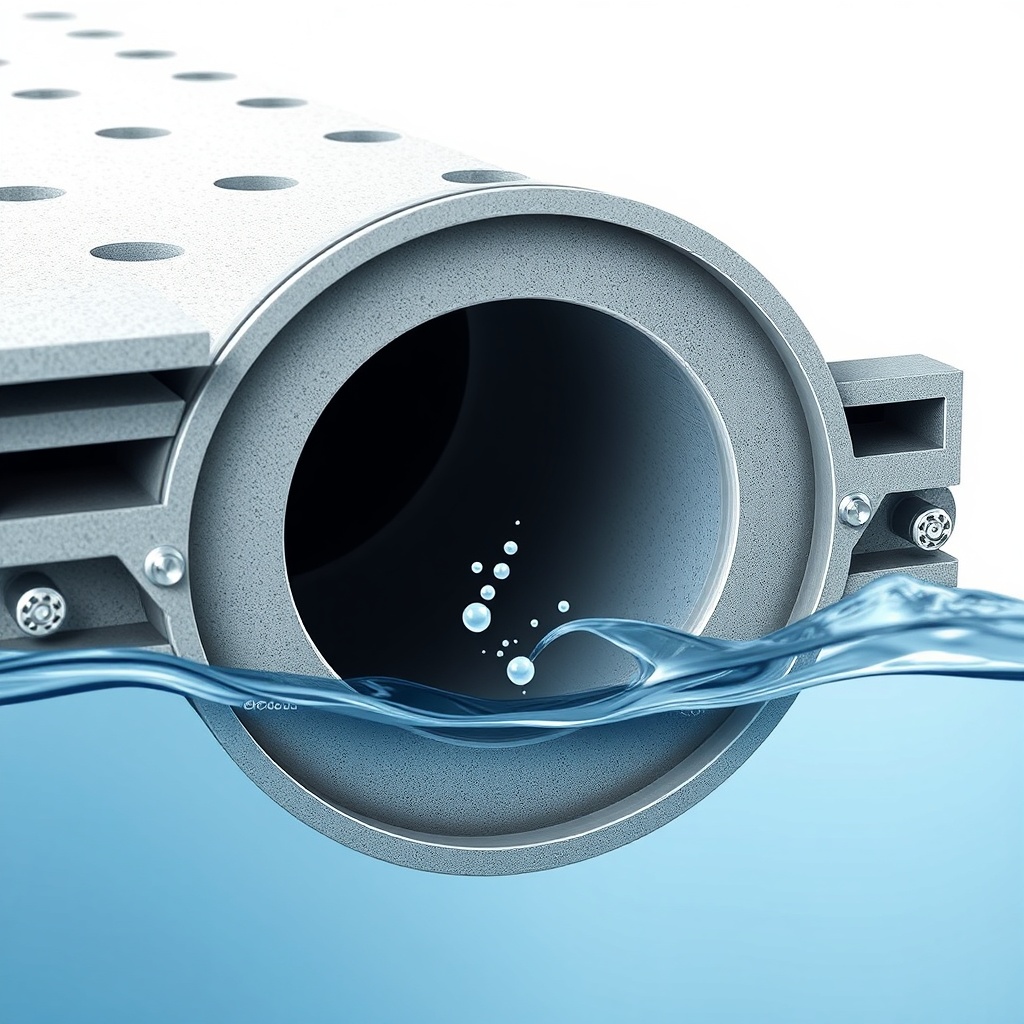
The Fafco Solar Bear system often includes an automatic diverter valve to redirect pool water through the collectors when solar heat is available. A poorly installed or malfunctioning diverter can create unnecessary pressure loss, even when the collectors are bypassed. This valve must be sized correctly for the system’s flow rate—typically a 2-inch (50 mm) valve for arrays with more than four panels.
When the valve switches from bypass to collector flow, the additional head from the panel array should be no more than 50% of the pump’s rated head at the operating flow. If the valve itself has a pressure drop exceeding 1.5 feet (0.46 m) at the design flow, consider upgrading to a low-loss model. The full installation details are covered in the Fafco Solar Bear Automatic Diverter Valve Installation Guide, which includes wiring diagrams and spring adjustments.
Regularly test the diverter’s sealing: a leaking diverter in bypass mode can allow water to circulate partially through collectors, raising total system pressure drop without providing heat. Use a pressure gauge on both sides of the valve to compare readings.
How Can You Measure Pressure Drop Accurately in the Field?
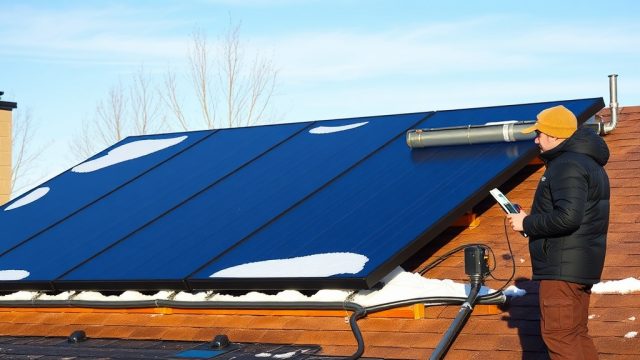
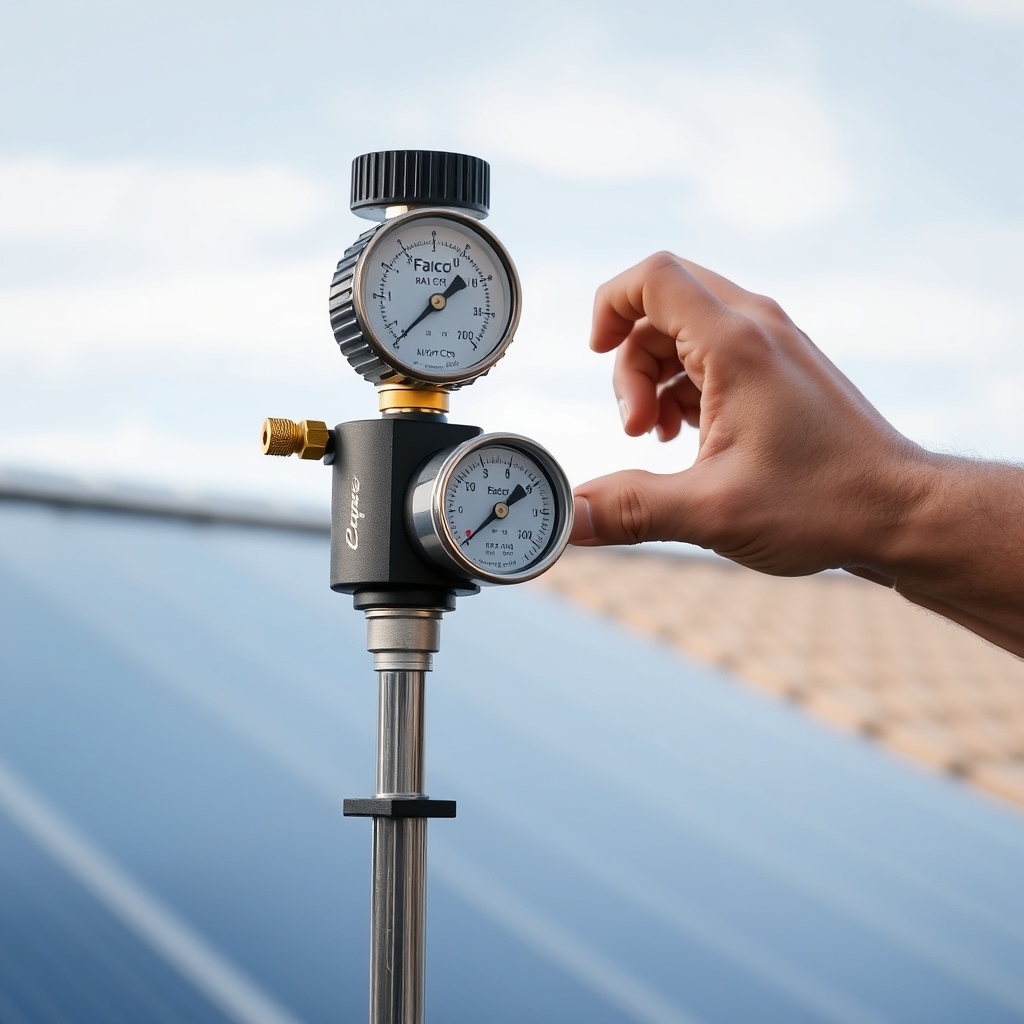
DIY measurement requires two pressure gauges: one at the collector inlet manifold and one at the outlet manifold. Static head difference (when the pump is off) must be subtracted from readings taken with the pump running. For a typical single-storey roof installation, this static offset is minimal.
Follow these steps:
- Install brass or stainless-steel gauge tees at the supply and return headers just before the first and after the last panels.
- With the pump running at normal operating speed (e.g., 3450 RPM for a single-speed pump), record both gauge pressures in psi.
- Convert psi to feet of head: multiply psi by 2.31.
- Subtract outlet pressure from inlet pressure—this is the total pressure drop across the array.
For example, if the inlet gauge reads 12 psi (27.7 ft) and the outlet reads 9 psi (20.8 ft), the pressure drop is 3 psi or 6.9 ft (2.1 m). Compare this to the table above to verify if flow rate is appropriate. If the drop exceeds 7 feet (2.1 m) for a four-panel array, check for blockages or consider reducing flow via a slower pump speed if using a variable-speed pump.
What Are the Most Common Causes of Excessive Pressure Drop in Older Systems?
After five to seven years of operation, several wear-and-tear factors can push pressure drop above safe limits:
- Scale buildup: Hard water areas (above 250 ppm TDS) cause calcium scaling inside absorber channels. Flushing with a mild acid solution every two seasons is recommended.
- Rivets corrosion: As mentioned earlier, weakened rivets can break loose and obstruct flow. Inspect annually with a borescope if possible.
- Freeze damage: In climates prone to frost, cracked absorber plates from ice expansion create rough internal surfaces. The Fafco Solar Bear Collector Freeze Damage: How to Inspect and Repair Cracked Absorbers provides troubleshooting steps.
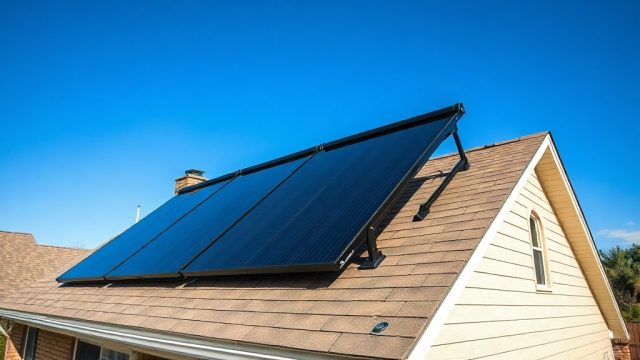
- Incorrect tilt angle: A panel set at too shallow an angle for summer operation can trap air pockets, increasing hydraulic resistance. The Fafco Solar Bear Roof Mount Tilt Angle Optimization: Best Summer and Winter Settings article helps you adjust angles for optimal flow and drainage.
Addressing these issues typically restores pressure drop to within 10% of the original factory specification.
What Owners Say About Managing Pressure Drop
Fafco Solar Bear owners in online forums and product reviews consistently report that paying attention to pressure drop is the single most effective way to avoid premature pump failures. One UK owner with a 6-panel array on a 12m x 6m pool noted that after balancing flow with a variable-speed pump, his electricity usage dropped from £45/month to £28/month—a 38% reduction—while maintaining pool temperature at 28°C even in April.
Several owners emphasise the importance of annual pressure checks. One Australian installer comments, “I see too many systems where the owners ignore a 3-foot increase in drop for a season, then they’re replacing a pump or repairing a delaminated plate. A £15 gauge saves £400 in repairs.” Another owner in Ireland adds that after cleaning scale from his panels with a DIY vinegar flush, pressure drop fell from 7.2 ft to 4.5 ft, and his pump now cycles less frequently.
Common praise points for the Fafco Solar Bear include the simplicity of panel headers for low restriction, but several note that the diverter valve supplied with some kits is undersized. Aftermarket 2-inch valves are a popular upgrade. Overall, informed owners treat pressure management as a routine maintenance task, much like checking pool chemistry.
Frequently Asked Questions
Q1: What is the ideal pressure drop for a Fafco Solar Bear system with six panels?
For six panels in parallel operation at 2.8 GPM (10.6 L/min) each, expect a total pressure drop between 5.5 and 7.5 feet (1.7 to 2.3 m) when including header losses. If your measured value exceeds 10 feet (3.0 m), inspect for blockages or scale.
Q2: Can high pressure damage the Fafco Solar Bear absorber plates?
Yes, sustained pressure above 15 psi (34.6 ft head) can stress the aluminium plates and cause permanent deformation, leading to delamination or rivet failure. Always operate within the table’s recommended flow range.
Q3: Do I need a larger pump if I add more panels to my array?
Adding panels increases total pressure drop. If the new pressure drop exceeds 70% of your pump’s rated head at your chosen flow rate, you may need a pump with higher head capacity or a variable-speed pump to adjust flow. Use the sizing guide linked earlier to verify compatibility.
Q4: How often should I check pressure drop in my Fafco Solar Bear system?
At least once per heating season, and more frequently if your water is hard (over 300 ppm) or if you experience freezing winters. A quick monthly gauge check during the first year establishes a baseline.
Q5: Can I install a flow meter myself to monitor pressure drop continuously?
Yes, a simple inline flow meter with a pressure tap can be added to the return header. Many owners pair this with an automatic controller that triggers a flush cycle when pressure exceeds a set threshold. DIY installation is straightforward with PVC unions and Teflon tape.
Q6: Does tilt angle affect pressure drop in a Fafco Solar Bear panel?
Indirectly. A poorly tilted panel (less than 10 degrees) can trap air at the highest point, creating a vapour lock that increases resistance. Conversely, a steep tilt (over 45 degrees) aids drainage but adds little head loss. The tilt angle optimisation article covers the best seasonal setting for your latitude.