What Causes Fafco Solar Bear Absorber Plate Delamination?
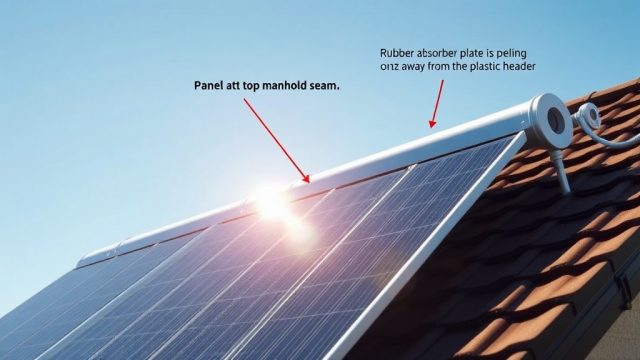
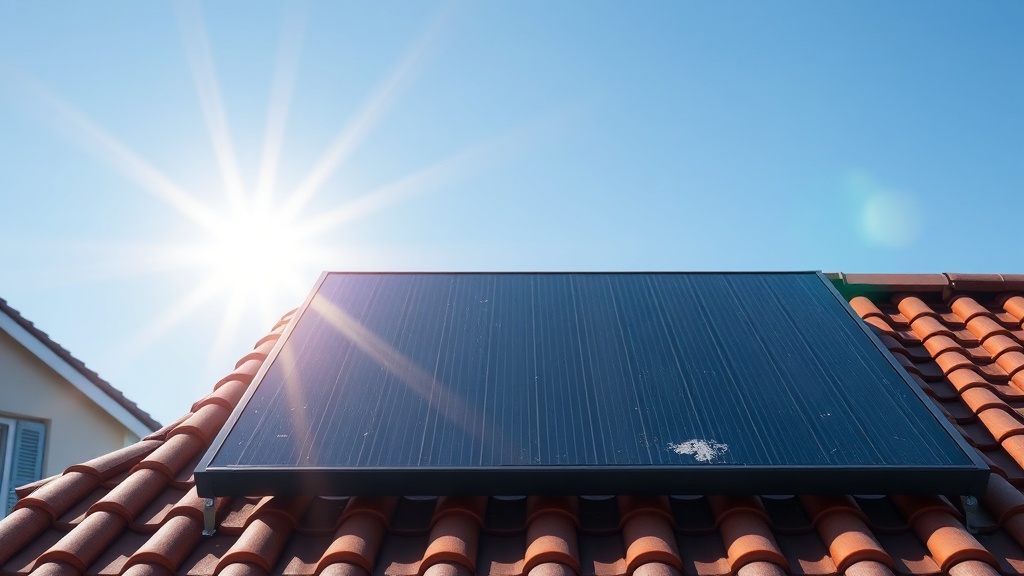
Fafco Solar Bear absorber plate delamination occurs when the bonded layers of the polymer absorber separate, typically due to thermal stress, UV degradation, or manufacturing defects. The absorber plate, constructed from a polypropylene copolymer (PPC) sheet heat-welded to a polymer tube sheet, relies on a robust interfacial bond to transfer solar heat efficiently. When temperatures exceed 180°F (82°C)—common during stagnation on high-solar days—the differential expansion between the dark absorber layer and the underlying structure can cause the adhesive bond to fail. Over a five- to ten-year service life, cycles of expansion and contraction, combined with UV light exposure that embrittles the surface, weaken the weld zone. In colder climates, freeze-thaw cycles accelerate the process, as trapped moisture expands and forces layers apart. Severe delamination reduces heat transfer by up to 60% and may lead to leakage if water penetrates the gap.
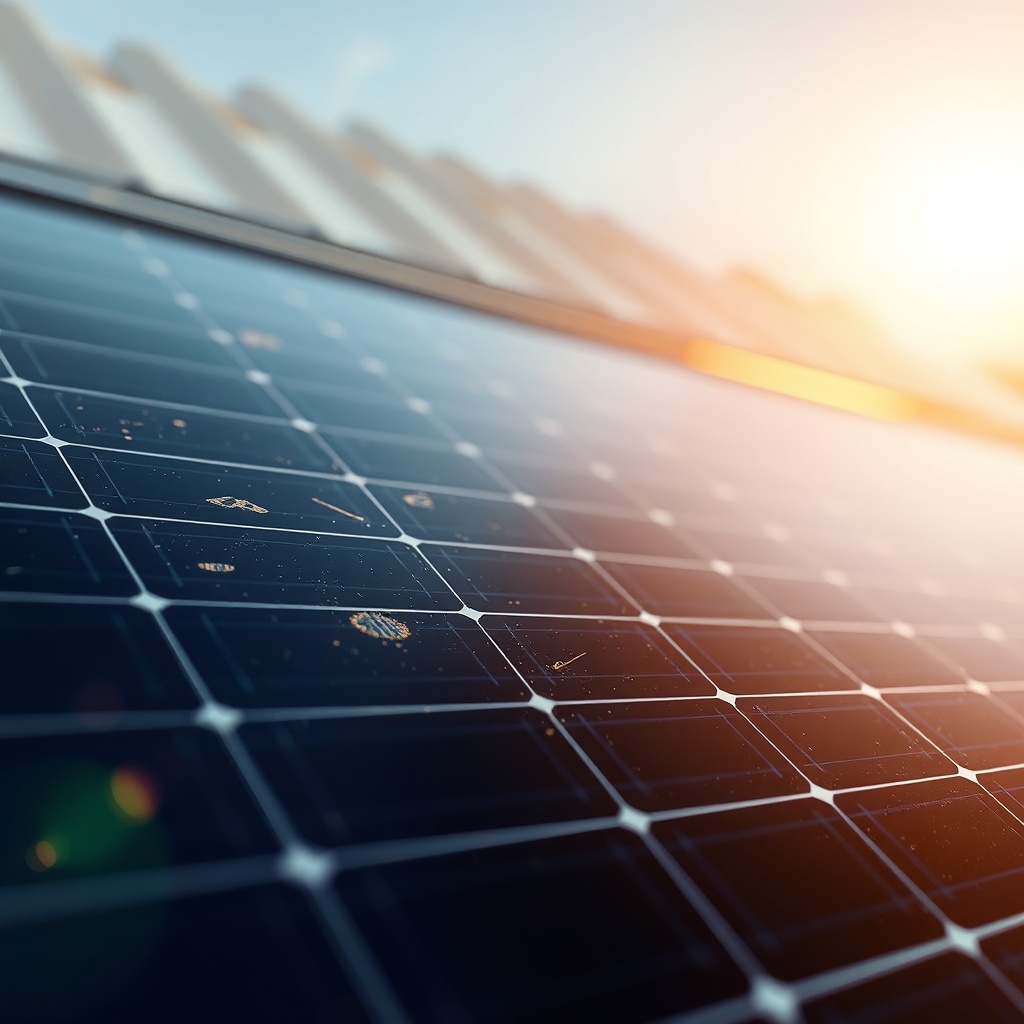
Common symptoms include visible bubbles or blisters on the panel surface, a loss of solar gain indicated by lower water temperature rise across the collectors (e.g., a 3°F instead of 10°F–15°F delta), and a “crinkling” sound when the system heats. Inspect the absorber surface during peak sun for any raised areas; these are early signs. Check the system pressure gauge as well—a drop of 2–5 psi often accompanies delamination that has progressed to leakage. For a full overview of maintaining your system in cold weather, see the guide on Fafco Solar Bear Winter Freeze Protection: DIY Antifreeze and Drain-Back Setup.
How to Diagnose Delamination vs. Other Absorber Plate Issues?
Differentiating delamination from absorber plate rivets corrosion or simple surface dirt is critical to choosing the right repair. Delamination presents as raised bubbles or peeling edges that feel soft to the touch, whereas Fafco Solar Bear Absorber Plate Rivets Corrosion: Prevention and Fixes manifests as rusty or broken fasteners at mounting points. The table below compares common absorber issues.
| Issue | Symptom | Cause | Test Method |
|---|---|---|---|
| Delamination | Raised blisters, peeling layers | Thermal stress, UV exposure, adhesive failure | Visual inspection + pressure drop test (>2 psi loss) |
| Rivet corrosion | Rust, loose panel | Galvanic corrosion between aluminum frame and polymer | Tilt panel—check for play |
| Freeze damage | Cracks, ice swelling | Expansion of water inside tubes | Low system pressure (<5 psi), visible cracks on headers |
| Surface dirt/calcification | White scale, reduced output | Hard water deposits | Scrape test—chalky residue, no change after cleaning |
Use this table to narrow down the problem. If delamination is suspected, perform a simple outgassing test: place a clear plastic bag over the blister and expose to direct sun for 20 minutes. If the bag inflates, gas is trapped between layers, confirming delamination. For freeze-related concerns, refer to the Fafco Solar Bear Antifreeze Mix Ratios: Safe Winter Protection guide.
What Repair Methods Work for Delaminated Panels?
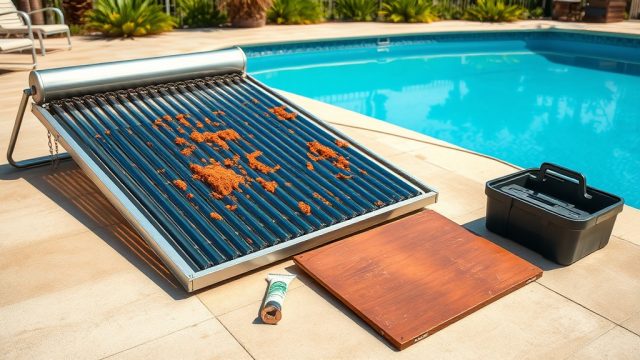
Repair options range from DIY temporary fixes to full panel replacement. For small blisters less than 2 inches in diameter, you can attempt to rebond the layers. Begin by draining the collector loop to below the panel level—use a drain-back system if installed (details in Fafco Solar Bear Winter Freeze Protection: DIY Antifreeze and Drain-Back Setup). Clean the surface with isopropyl alcohol, then drill a 1/8-inch hole at the edge of the blister to release trapped gas. Apply a pool-grade silicone sealant along the edge and clamp the area with a wooden block and spring clamp for 24 hours. This method restores about 70% of thermal output but is temporary—expect 6–12 months of service.
For larger blisters or complete delamination affecting more than 20% of the panel, replacement of the absorber plate or the entire module is recommended. Fafco Solar Bear panels are available in standard sizes (e.g., 4 ft × 8 ft, 4 ft × 10 ft) with a retail price of $350–$500 per panel from pool supply stores. DIY installation involves removing the glass lid (if a glazed model) or the polycarbonate cover, unscrewing the aluminum frame, and sliding out the absorber. Replace with a new absorber plate, reassemble, and pressure-test to 40 psi for 30 minutes. Labor for a professional retails near $150–$250 per panel in most US markets.
Is Absorber Plate Replacement Cheaper Than Full Module Replacement?
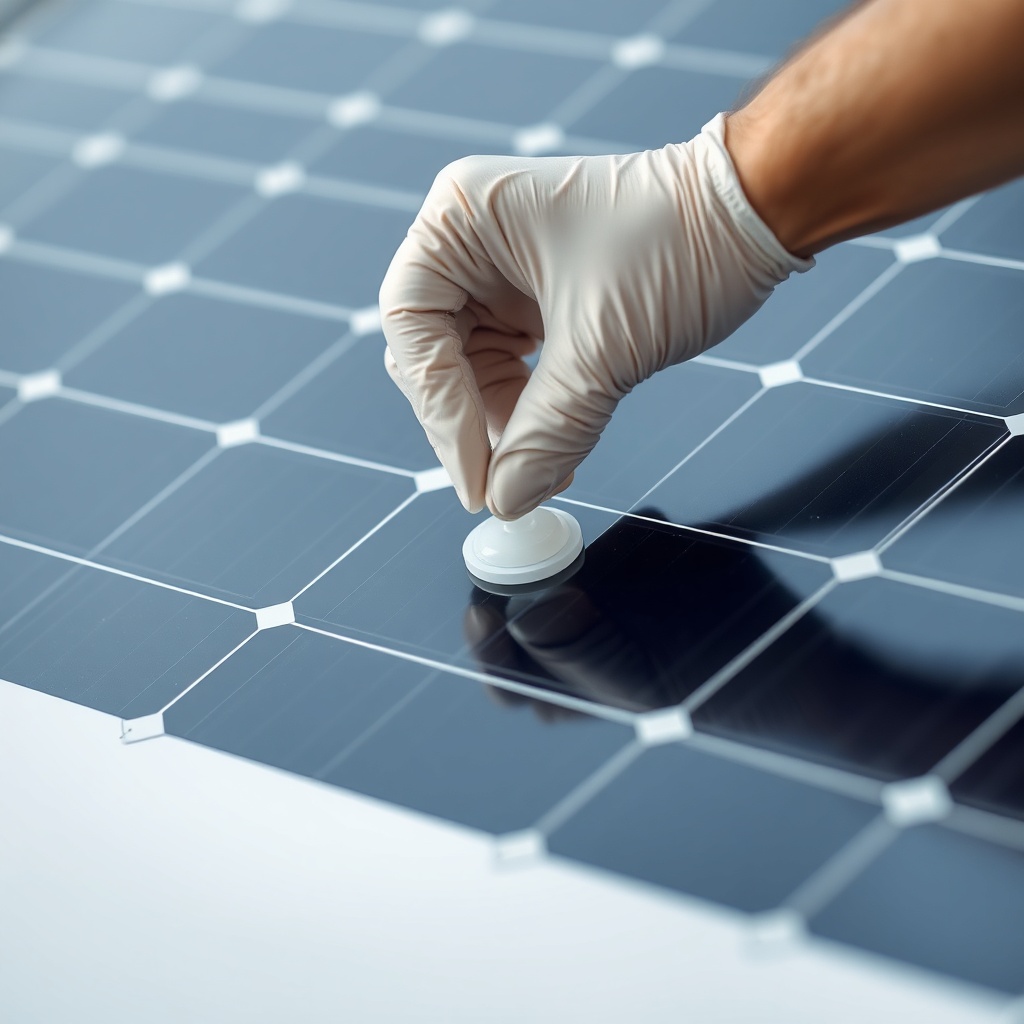
Cost comparison hinges on availability and labor. Absorber plate replacement involves swapping only the polymer absorber inside the existing frame and cover, costing $200–$300 for the part plus 1–2 hours of labor ($100–$200). Full module replacement—buying a complete new Fafco Solar Bear panel—runs $350–$500 for the unit plus similar labor, totaling $450–$700 per panel. If only one panel in a two-panel array is delaminated, absorber plate replacement saves about $150–$250. However, if the frame or glass has corrosion or UV damage (common after 8–10 years), full module replacement is more practical because reusing old components risks subsequent failure.
For larger arrays (4+ panels), consider a scaled approach: replace three-year-old panels with new absorber plates, and older panels fully. Panels with Matching a Heat Exchanger to Your Fafco Solar Bear System ensures efficiency—a mismatched heat exchanger can stress panels unevenly, accelerating delamination. The decision matrix below helps, but always factor shipping ($30–$60 per panel for heavy modules).
| Component | Part Cost | Labor (2 hrs) | Total (USD) | Longevity |
|---|---|---|---|---|
| Absorber plate only | $250 | $150 | $400 | 8–10 years |
| Full module | $425 | $175 | $600 | 10–12 years |
| Professional repair (clamping) | $50 materials | $200 | $250 | 1–2 years |
What Owners Say About Fafco Solar Bear Delamination
Online reviews on pool forums and manufacturer feedback provide insight into real-world experiences. Many owners praise the Fafco Solar Bear for its UV resistance relative to competitors, but delamination complaints cluster around two themes: premature failure within 3–5 years in high-altitude or Arizona climates (where stagnation exceeds 200°F) and issues with early models (pre-2018) that used a weaker adhesive. One owner reported, “I had three panels blister after four summers—a technician clamped them, and they held for two winters before I replaced with a new absorber plate.” Another described success with a DIY relamination using cyanocrylate glue, though cautioning that it voids the manufacturer warranty.
Common tips from owners include: keep panels shaded when not in use (a manual cover cuts stagnation temperature by 30–40°F), and install an automatic diverter valve to bypass the panels during peak sun if the pump is off (see Fafco Solar Bear Automatic Diverter Valve Installation Guide). Proper Fafco Solar Bear Heat Exchanger Sizing: Matching Collector Area to Pool Volume also reduces thermal cycling—oversized collectors run cooler even in strong sun, curbing delamination risk.
Frequently Asked Questions
1. Can I prevent delamination by painting the absorber?
No—paint degrades adhesion and voids warranty. Instead, use a UV-stabilizing spray designed for polypropylene (e.g., 303 Aerospace Protectant) applied annually.
2. How long does Fafco cover delamination under warranty?
Fafco typically offers a 10-year limited warranty on polymer absorbers covering defects, but delamination from thermal stress or freeze damage is often excluded unless it occurs within the first 2 years.
3. Is delamination a sign of overpressurization?
Not directly—delamination is thermal and UV, not hydraulic. Overpressure above 50 psi may stress rivets, not the absorber bond. Keep system pressure at 10–20 psi cold.
4. Can I use epoxy instead of silicone for clamping?
Epoxy is too brittle for thermal cycling. Use a flexible silicone rated for 400°F continuous service (e.g., Dow Corning 732).
5. Does delamination affect antifreeze mixture performance?
No—the antifreeze in the closed loop works independently. However, delaminated panels trap air, reducing heat transfer; this may cause the freeze-protection controller to run longer, wasting energy. Check Fafco Solar Bear Antifreeze Mix Ratios: Safe Winter Protection for proper setup.
6. Should I replace both panels in a pair if one is delaminated?
Only if the second panel shows early signs—like minor bubbling or pressure drops. Replacing just the faulty one saves $200–$400.