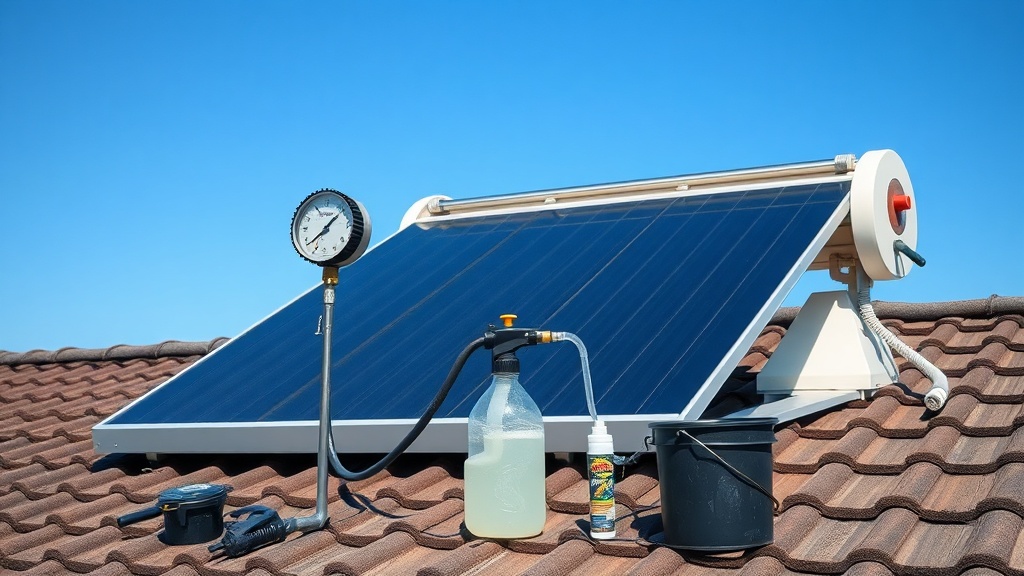
Generic Solar Pool Heater DIY Pressure Test: Identifying Leaks and Blockages
When your Generic solar pool heater isn’t performing, leaks and blockages are often the root cause. A DIY pressure test is the most reliable method to diagnose these issues without calling a professional. This guide walks you through the entire process, from setup to interpretation, helping you restore your system’s efficiency.
What Tools Do I Need for a DIY Pressure Test on a Generic Solar Pool Heater?
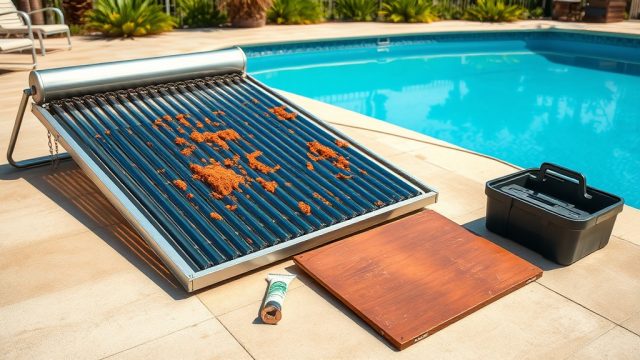
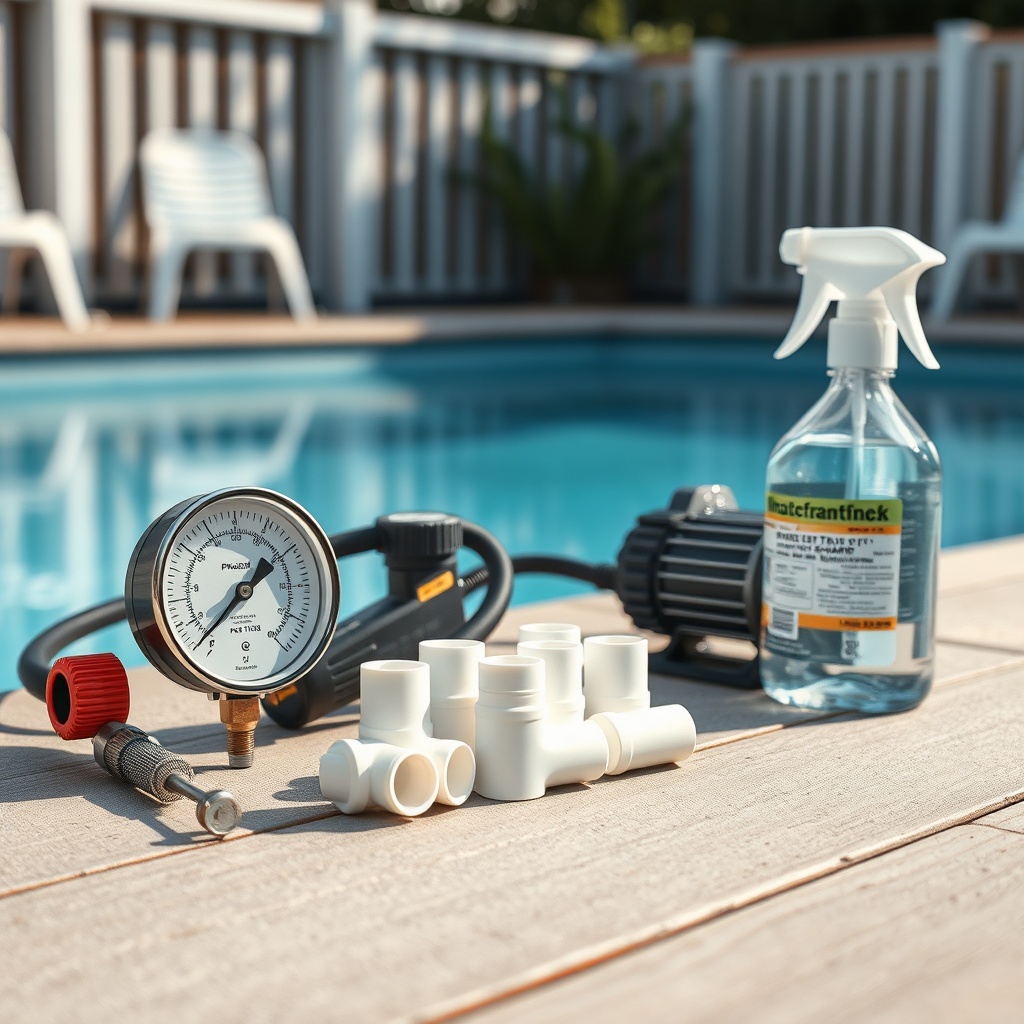
Performing a pressure test on your Generic solar pool heater requires specific tools to ensure accuracy and safety. You will need a pressure test gauge (0–60 PSI range, with a schrader valve adapter), a bicycle pump or small air compressor, and a set of PVC test plugs (sized to match your collector manifold inlets/outlets, typically 1.5-inch or 2-inch). Additionally, have a spray bottle with soapy water, a towel, and a wrench for tightening fittings. These tools are available at local hardware stores for around $45 to $75 total in USD. For systems with glued joints, you may also need PVC primer and cement for temporary sealing. Ensure all connections are dry before starting to avoid false readings from moisture.
How Do I Prepare the Generic Solar Pool Heater for a Pressure Test?
Preparation is crucial to avoid damaging the system. Start by turning off the pool pump and closing all valves to isolate the solar heater from the main pool plumbing. Drain the water from the collectors using the drain valves at the lowest point—this prevents water lock and allows air to fill the system. For ground-mounted Generic units, use the ground mount installation guide to locate the drain points. Next, disconnect the return line from the pool and cap it with a test plug. Connect the pressure gauge to the supply line using the schrader adapter. Slowly pressurize the system to 10 PSI using the bicycle pump—never exceed 15 PSI for solar collectors, as higher pressure can damage the absorber panels. Let the system stabilize for 5 minutes, noting any drop. If the pressure drops rapidly, you have a significant leak. For minor drops, proceed to the soap test.
How Can I Identify Leaks in the Generic Solar Pool Heater During the Test?
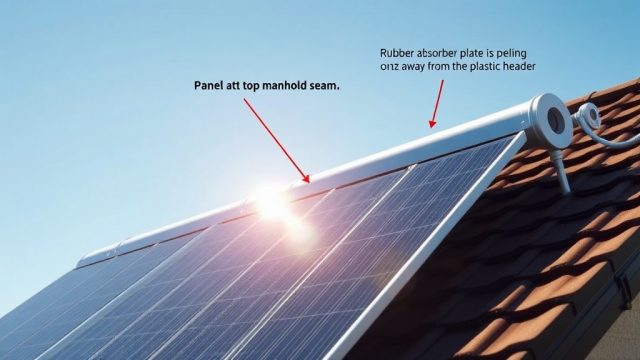
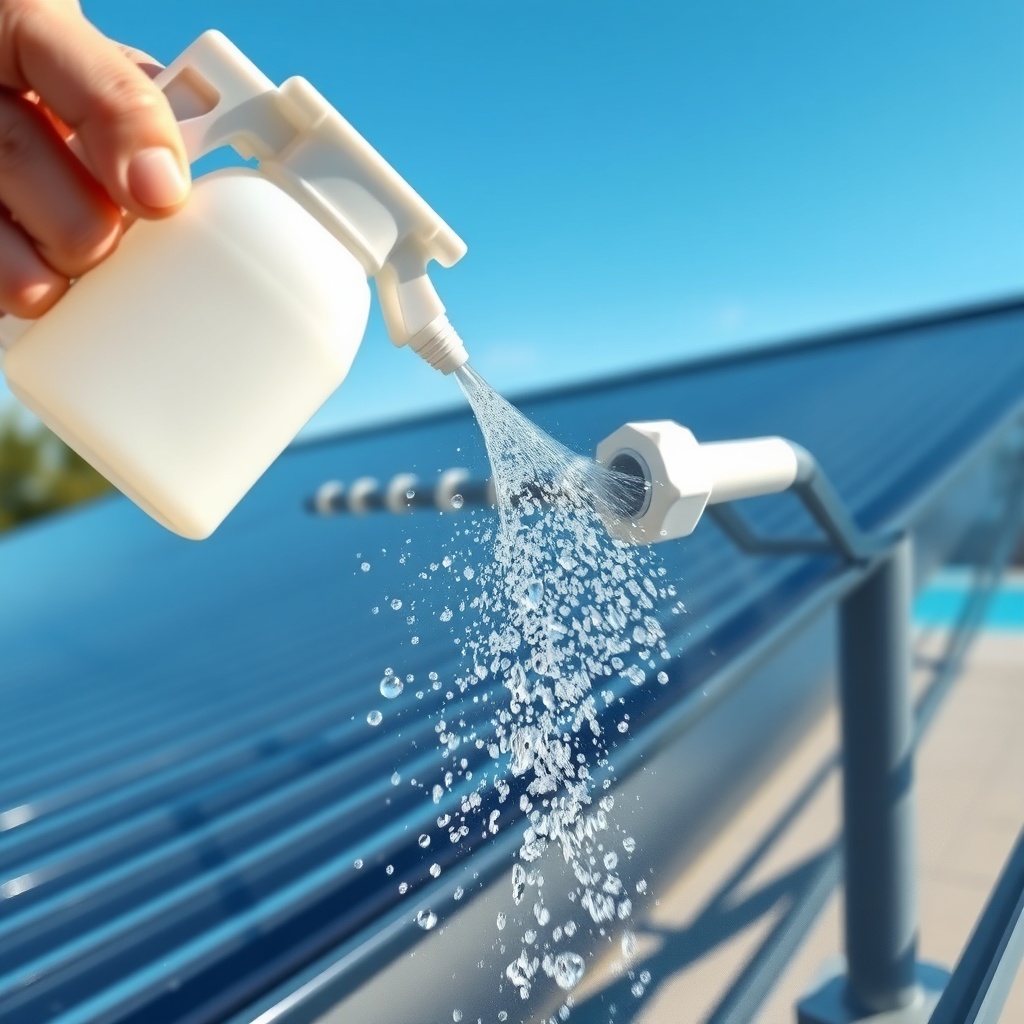
Once the system is pressurized to 10 PSI, use the soapy water spray bottle to inspect all joints, fittings, and manifold connections. Start at the top of the collector array and work downward. Spray generously on each connection, watching for bubbles that indicate air escaping. Common leak points include the O-rings in union fittings, glued joints on PVC piping, and the rubber gaskets on header manifolds. Pay special attention to areas where you previously noticed water stains or vegetation growth. If you find bubbles, mark the spot and depressurize the system before repairing. For O-ring leaks, apply silicone-based lubricant or replace the O-ring. For glued joints, you may need to cut out the section and re-glue using PVC cement. After repairs, repressurize to 10 PSI and recheck. A stable pressure of 10 PSI for 30 minutes indicates no leaks. If pressure continues to drop but no bubbles appear, the leak may be in the absorber panels themselves—often a hairline crack that requires panel replacement.
Table: Leak Severity Guide for Generic Solar Pool Heaters
| Symptom | Pressure Drop (over 30 min) | Likely Issue | Severity Level | DIY Repair Cost (USD) |
|---|---|---|---|---|
| Rapid pressure loss | > 5 PSI | Major leak in joint or panel | Critical | $50–$200 |
| Slow pressure loss | 1–5 PSI | O-ring or gasket seal failure | Moderate | $15–$50 |
| Steady pressure | < 1 PSI | Minor seepage or no leak | Low | $0–$10 |
| Rapid drop after 10 min | Sudden drop | Blockage causing backpressure | High | $30–$100 |
How Do I Detect Blockages in the Generic Solar Pool Heater Using Pressure?
Blockages in a Generic solar pool heater often present as uneven pressure distribution. After performing the leak test, keep the system pressurized and note the pressure reading at the gauge. If the gauge shows a steady high pressure (above 12 PSI) but no leaks, you likely have a blockage in the collectors or plumbing. Common blockages include debris buildup in the header manifold, mineral deposits from hard water, or air locks that prevent water flow. To confirm, perform a flow test: disconnect the supply line from the pump and run a garden hose through the system at full pressure. If water flow is sluggish or stops, you have a blockage. Use a DIY vacuum bleeding technique to remove air locks, which are common after pressure testing. For mineral deposits, flush the system with a diluted vinegar solution (1 part vinegar to 10 parts water) for 30 minutes, then rinse thoroughly. Blockages in the absorber tubes require disassembly and manual cleaning with a pipe brush. Always wear gloves and eye protection when handling cleaning chemicals.
What Are the Common Issues After a Pressure Test on a Generic Solar Pool Heater?
Even after a successful pressure test, owners often encounter complications. One frequent issue is the system failing to hold pressure after the test due to thermal expansion when the sun heats the collectors. Always perform the pressure test in the early morning or on a cloudy day to minimize temperature changes. Another common problem is the pressure gauge itself failing—check it against a known good gauge if readings seem erratic. Leaks that appear only under full pump pressure (40+ PSI) may not show during a 10 PSI test; for these, conduct a second test at 15 PSI for 10 minutes after the initial pass. Additionally, the test plugs may loosen over time as the PVC expands, so retighten them midway through the test. If you hear gurgling noises during the test, refer to the noise troubleshooting guide for possible air ingress. After concluding the test, ensure you fully bleed the system of air before restarting the pump to avoid cavitation damage to the pump impeller.
What Owners Say
Generic solar pool heater owners who perform DIY pressure tests frequently report mixed results but overall satisfaction when the process is done correctly. “I spent $60 on a test kit and found a leak in a glued joint that was costing me efficiency. Fixed it in an hour,” shares Mark from Florida. However, some warn about overconfidence, like Linda from Arizona: “I thought I fixed a leak, but the pressure dropped again two weeks later. Turns out it was a hairline crack in the collector panel that only showed under full pump pressure.” Many users recommend testing annually before the heating season begins, and pairing the pressure test with a pump GPM check to ensure the system is balanced. Others appreciate combining this test with overheating diagnostics for a comprehensive check. “The pressure test saved me from replacing the whole system—I just needed to clean the manifold,” shares Tom from Texas. A common sentiment is that the DIY approach works well for straightforward leaks but that professional help is needed if the problem recurs.
Frequently Asked Questions
1. Can I use a car tire pump for the pressure test on my Generic solar pool heater?
Yes, a standard bicycle pump with a schrader valve adapter works fine for pressurizing to 10 PSI. Avoid using high-pressure compressors that can exceed 15 PSI and damage the collectors.
2. How often should I perform a pressure test on my Generic solar pool heater?
Perform a pressure test annually, ideally before the pool heating season begins in spring. Also test after any major storm or freeze event that may have damaged the panels.
3. What does a pressure reading of 0 PSI mean during the test?
A 0 PSI reading after pressurization indicates a severe leak, probably a disconnected joint or a ruptured panel. Immediately depressurize and inspect all connections visually.
4. How do I fix a leak found during the pressure test?
For O-ring leaks, replace the O-ring and apply silicone lubricant. For glued PVC joints, cut out the section and re-glue with PVC primer and cement. For cracked panels, contact the manufacturer for replacement parts.
5. Can blockages cause pressure test failures?
Yes, blockages can cause the system to show steady pressure but fail to hold it due to backpressure. Always pair a leak test with a flow test using a garden hose to rule out blockages.
6. Is it safe to perform a pressure test on a hot Generic solar pool heater?
No, always test when the system is cool (below 90°F/32°C) to avoid thermal expansion skewing your readings and to prevent burns from hot water escaping from leaks.