Why Does Heliocol Solar Pool Heater Absorber Plate Delamination Happen?
Heliocol solar pool heaters are built with a durable EPDM rubber absorber plate that is bonded to a polypropylene manifold header during manufacturing. Over time, this bond can fail, leading to delamination—a separation between the absorber plate and the header. This issue is most commonly seen in systems exposed to excessive heat cycles, improper water chemistry, or physical stress from ice expansion. When delamination occurs, water leaks from the seams, reducing heating efficiency and potentially flooding the roof or ground mount area. Understanding the root causes helps homeowners decide whether to repair or replace the affected panels.
What Are the First Signs of Heliocol Absorber Plate Delamination?
Early detection of delamination can save hundreds of dollars in water damage and panel replacement costs. Homeowners often notice these symptoms:
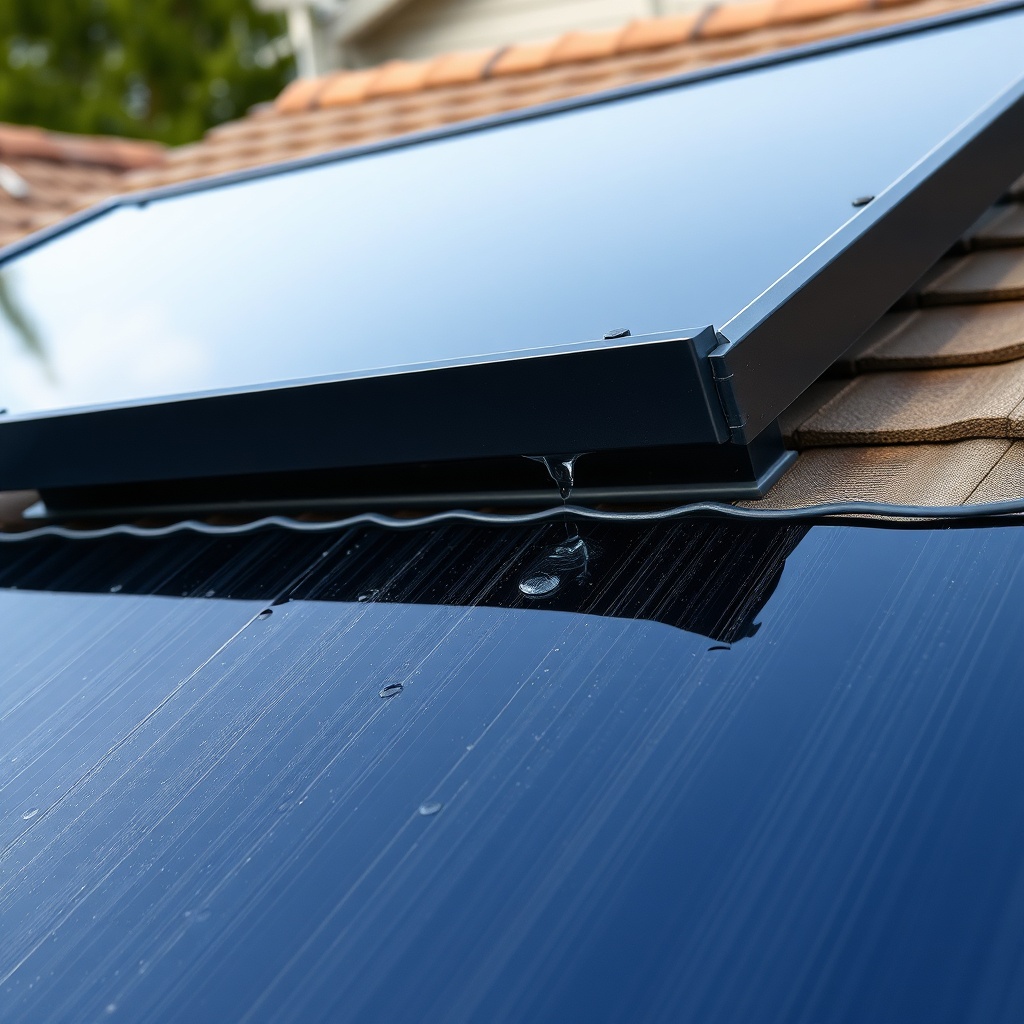
- Small puddles of water forming on the roof beneath the solar array after pump shutdown.
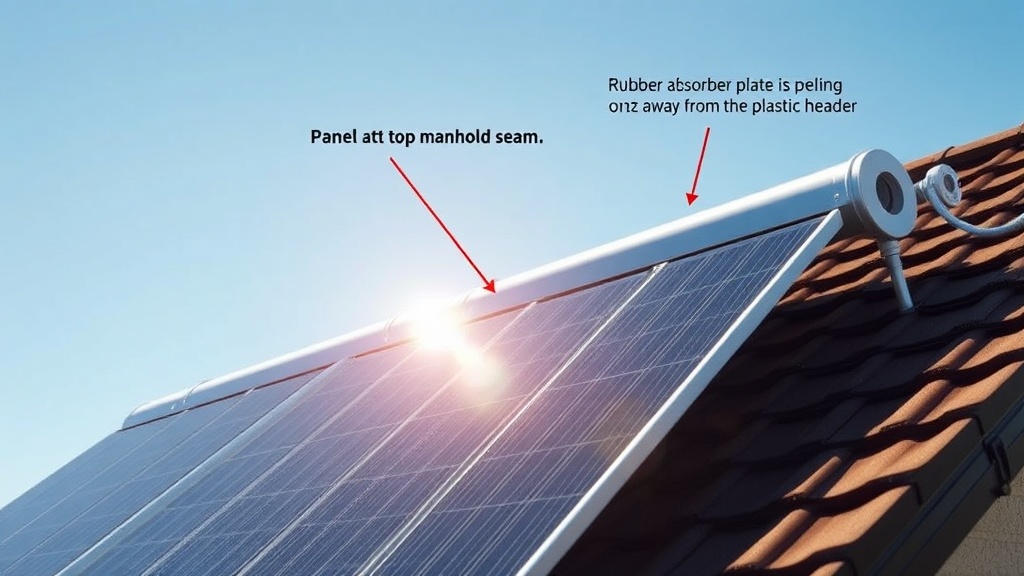
- Visible separation between the rubber absorber and the plastic manifold header, especially at the top corners.
- Reduced water flow through the panels, indicated by a higher pressure drop reading on the filter gauge.
- Air bubbles or sputtering from pool return jets when the system is running, caused by air being sucked into the delaminated gap.
- Algae growth on the roof surface near the panels due to constant moisture.
If left unchecked, delamination worsens during the summer when direct sun can heat the absorber surface to over 200°F (93°C), expanding the rubber and accelerating the separation. Winter freeze-thaw cycles can also widen the gap as ice expands within the seam.
How Serious Is Heliocol Absorber Plate Delamination? Severity Table
| Severity Level | Visible Gap Size | Water Loss (per panel per hour) | Heating Efficiency Loss | Recommended Action |
|---|---|---|---|---|
| Mild | Less than 1/8″ (3 mm) | 0.5–2 liters | 5–10% | Monitor and reduce system pressure; apply sealant if localized. |
| Moderate | 1/8″ to 1/4″ (3–6 mm) | 2–5 liters | 15–30% | Schedule professional repair; replace individual panel if sealant fails. |
| Severe | Over 1/4″ (6 mm) | 5+ liters | 40–60% | Immediate panel replacement; check entire array for similar damage. |
| Critical | Complete separation along one whole side | Over 10 liters | 70–90% | Shut down system; replace panel or entire row if multiple are affected. |
The cost to replace a single Heliocol panel in the US averages around $150–$300, plus installation labor at $100–$200 per panel. Ignoring severe delamination can lead to higher water bills, pool chemistry imbalance, and potential structural damage to the roof or mounting system. For localized mild cases, the repair cost might be as low as $20 for a tube of EPDM-compatible sealant.
Can You Repair Heliocol Absorber Plate Delamination Yourself?
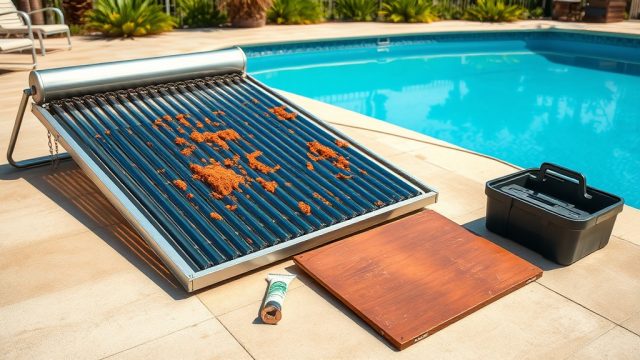
Minor delamination gaps under 1/8 inch (3 mm) can often be repaired by the homeowner using a high-quality marine-grade polyurethane sealant or a specialized EPDM repair kit. The process involves:
- Draining the system completely and allowing panels to dry for at least 24 hours.
- Cleaning the seam area with isopropyl alcohol to remove dirt and oxidation.
- Applying the sealant into the gap with a thin nozzle, ensuring it penetrates deep into the separation.
- Clamping the absorber plate to the header using padded spring clamps or a weighted roller for 48 hours while the sealant cures.
- Re-pressurizing the system slowly and checking for leaks with a pressure gauge or garden hose.
However, for gaps wider than 1/4 inch (6 mm) or when multiple panels show delamination, DIY repair is rarely effective. The bond line weakens over time, and the sealant cannot match the factory lamination strength. In such cases, replacing the affected panel or the entire manifold header assembly is the proper fix. Always check the Heliocol Solar Pool Heater Vacuum Break Installation Guide: Prevent Siphon Damage to ensure the system is properly drained before any repair work, preventing water hammer damage.
What Professional Repair Options Are Available for Heliocol Delamination?
Professional solar pool heater technicians have access to specialized tools and replacement parts not available to the public. The typical professional repair options include:
- Panel Replacement: The most reliable solution for severe delamination. A new Heliocol panel costs $200–$400, and labor for replacement on a ground mount runs $100–$200. Roof-mounted replacement may cost $200–$350 per panel due to safety equipment and roof protection.
- Header Bonding Kit: Some technicians use a two-part epoxy or heat-activated bonding tape designed for EPDM and polypropylene. This is less common but can work on mild cases with clean surfaces.
- Complete Manifold Overhaul: If the manifold header itself is cracked or warped due to the delamination, replacing the entire header assembly (manifold and absorber) costs $400–$700 for a 4-panel system.
- Flow Reduction Valves: In systems with excessive water pressure, installing a flow restrictor or balancing valve can reduce stress on the panel seams. This is a preventive measure rather than a repair but extends panel life.
Professionals also check the system’s pump sizing, as an oversized pump can create high backpressure that contributes to delamination. Consult the Heliocol Solar Pool Heater Pump Sizing Guide: Choosing the Right Flow Rate to see if your pump is within recommended specs. Additionally, improper tilt angles can cause uneven thermal expansion; the Heliocol Solar Pool Heater Tilt Angle Optimization: Best Summer and Winter Settings guide can help reduce thermal stress on the panels.
How Does Water Chemistry Affect Heliocol Absorber Plate Delamination?
Water chemistry plays a significant role in the longevity of Heliocol solar pool heaters. High chlorine levels, low pH, or high calcium hardness can degrade the rubber absorber plate and the bonding adhesive. Pool water that passes through the solar panels should stay within these ranges:
- Free Chlorine: 1–3 ppm
- pH: 7.4–7.6
- Total Alkalinity: 80–120 ppm
- Calcium Hardness: 200–400 ppm
- Cyanuric Acid: 30–50 ppm
Aggressive water (low pH or high chlorine) can eat away at the bond line, causing the absorber plate to lift from the header. Saltwater pools with chlorine generators are particularly prone to this issue if the salt cell is located upstream of the solar panels. A diverting valve should be installed to route salt-laden water away from the panels when the system is idle. The Heliocol Solar Pool Heater Automatic Diverter Valve Installation Guide explains how to set up bypass plumbing for chemical protection. Regular water testing every two weeks is essential, especially during summer months when pool chemistry fluctuates quickly.
What Owners Say About Heliocol Absorber Plate Delamination
Long-term Heliocol owners share mixed experiences: many praise the system’s 15- to 20-year lifespan under optimal conditions, but delamination is a recurring complaint for those with hard water or high system pressure. On pool forums, owners report that panels installed in direct southern exposure with poor roof ventilation are most prone to delamination within 6–10 years. Several owners have successfully replaced individual panels for under $300 each, while others spent over $1,000 on a full row replacement. The general consensus is that preventive maintenance—like Heliocol Solar Pool Heater Ground Mount Tilt Angle Optimization: Best Summer and Winter Settings—and regular monitoring of water chemistry reduce delamination risk. Many owners also recommend installing a pressure gauge near the solar panels to track spikes that stress the seams.
Frequently Asked Questions
1. Can Heliocol delamination happen in winter?
Yes, winter freeze-thaw cycles can widen existing small gaps because water trapped inside the separation expands when frozen. During cold months, it is important to drain the system completely and use a vacuum break to prevent water from sitting in the panels. See the vacuum break guide for best practices.
2. Is delamination covered under Heliocol warranty?
Original Heliocol panels typically come with a 12-year limited warranty against manufacturing defects. Delamination caused by improper installation, chemical damage, or excessive pressure is often excluded. Check your warranty paperwork for specific terms.
3. How much does it cost to replace one Heliocol panel due to delamination?
Replacing one panel costs $200–$400 for the panel itself plus $100–$300 in labor. Roof-mounted panels might cost an additional $50–$100 per panel for safety setup. Total cost per panel is usually $300–$700 in the US.
4. Can I test for delamination without removing panels?
Yes, use a pressure test: cap off one end of the panel row, then attach a garden hose with a pressure gauge to the other end. If the pressure drops more than 2 psi over 10 minutes, there is likely a leak from delamination. Also inspect visually for gaps during dry weather.
5. Does delamination affect pool heating performance?
Absolutely. Even a small gap (1/8 inch) allows water to bypass the absorber plate, reducing heat transfer by 10–20%. Larger gaps can cut heating efficiency by 50% or more, increasing your gas or electric heater runtime.
6. Can I use silicone sealant to fix Heliocol delamination?
Silicone-based sealants are not recommended because they do not bond well to EPDM rubber and polypropylene. Use a polyurethane or butyl-rubber sealant specifically labeled for EPDM and polyolefin plastics. Apply only on clean, dry surfaces.