Why Is Winterization Critical for Your Heliocol Solar Pool Heater?
Heliocol solar pool heaters are built from rugged polypropylene and UV-stabilized materials, but they remain vulnerable to freeze damage when water expands inside the collector tubes during winter. In regions where temperatures drop below 40°F (4°C), trapped water can crack headers, split absorber panels, and destroy pressure-tested seals. Proper winterization using drain-back or antifreeze methods not only preserves the $2,500–$4,800 Australian investment but also prevents costly emergency repairs. This guide delivers a step-by-step approach to protecting your Heliocol system, whether you run a recirculating drain-back setup or a closed-loop glycol configuration.
How Does the Drain-Back Method Work for Heliocol Systems?
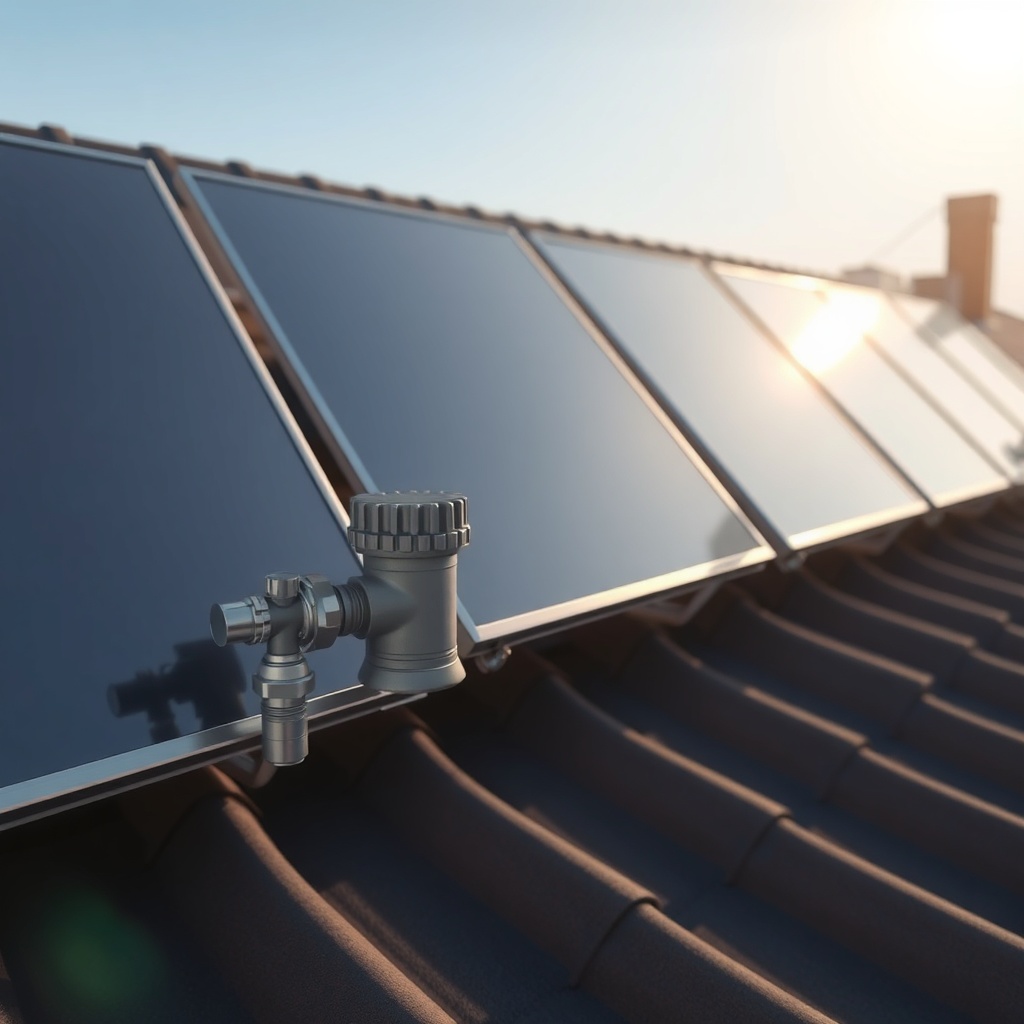
The drain-back method relies on gravity to empty collector panels when the pump stops. In a typical active collector setup, water flows from the pool, through the filter, then up to the roof-mounted panels. When the pump shuts off—during a power outage or overnight—water drains back into the pool or a holding tank via a check valve that opens automatically. Heliocol’s ribbed interior channels and 1.6-inch header diameters facilitate rapid draining, reducing standing water volume to less than 0.25 gallons per panel. However, without proper slope (minimum 1/8 inch per foot) and oversized return lines, puddles can form in low spots, leading to ice expansion cracks. Plumb a dedicated drain-back valve near the pump discharge and ensure all panels are pitched toward the return manifold to achieve 95% drainage in under 60 seconds. For homes that experience below-10°F freezes, combine drain-back with a thermal siphon break to prevent vapor locking.
What Antifreeze Mixture and Procedure Does Heliocol Recommend?
For closed-loop Heliocol systems—common in colder Canadian or northern U.S. climates—propylene glycol antifreeze provides freeze protection down to -50°F. Never use ethylene glycol, as it degrades the polypropylene polymer and voids the warranty. A 40%–50% propylene glycol concentration (freeze point: -28°F to -50°F) is adequate for most pools, while those in extreme zones like Minnesota require 55% (-60°F protection). Begin by isolating the solar loop: shut off the isolation valves, drain the collector panels by opening the air vents and drain plugs at the bottom headers. Use a submersible pump or a glycol-flushing tool to circulate the solution through a pre-filter to catch debris. Fill from the lowest point—typically the return manifold—until a steady stream of undiluted glycol exits the air vent. Burp the system by tilting air-release valves to 30 degrees, then pressurize to 12–18 psi. Check pH (7.0–9.0) and freeze point with a refractometer; adjust with distilled water if needed. Annual testing of the antifreeze reserve is mandatory, as glycol degrades and becomes acidic after two heating seasons, potentially corroding O-rings and gaskets.
| Glycol Concentration (%) | Freeze Point (°F) | Burst Protection (°F) | Suitable Climate | Effect on Heliocol Warranty |
|---|---|---|---|---|
| 30% | +10°F | -6°F | Mild freezes (zones 7–8) | Valid with annual check |
| 40% | -12°F | -28°F | Moderate freezes (zones 5–6) | Valid |
| 50% | -34°F | -50°F | Harsh freezes (zones 4–5) | Valid |
| 60% | -60°F | -84°F | Extreme (zone 3) | Warranty void above 55% |
How Do You Prepare the Heliocol Panels for Winter Storage?
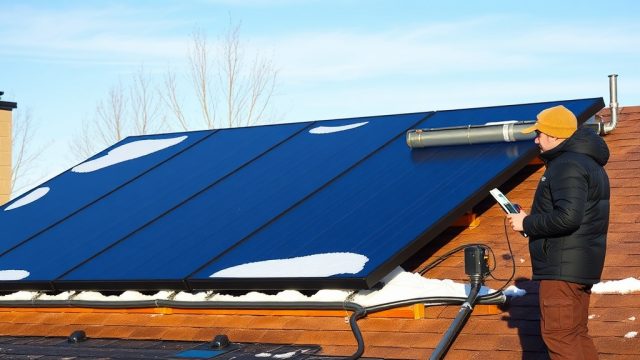
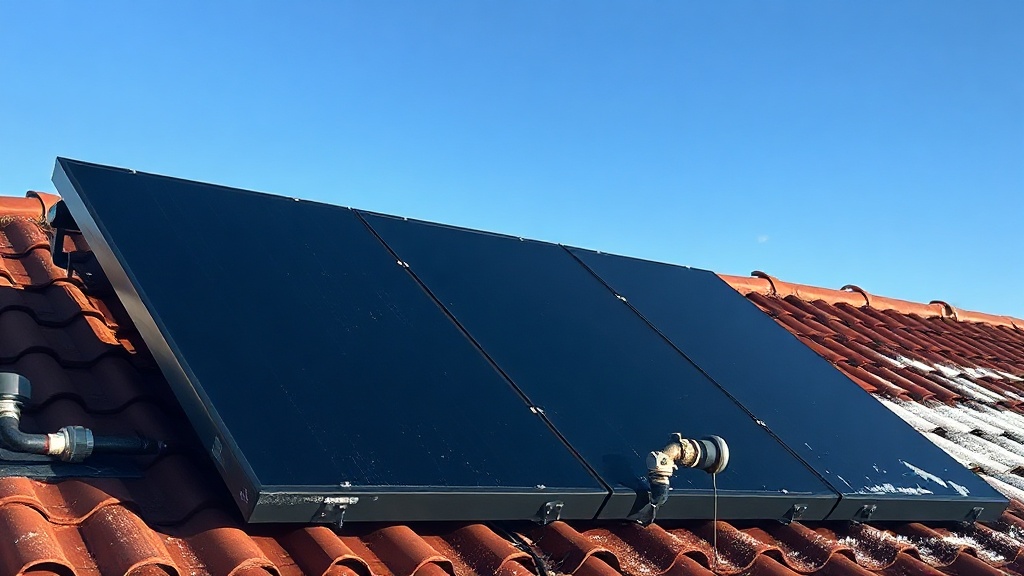
Before freeze sets in, disconnect the collector panels from the supply and return headers. For roof-mounted units, safety first: use a harness and ladder stabilizer. Remove the end caps and drain plugs at both the inlet and outlet headers, then tilt each panel to a 30–40 degree angle using seasonal tilt angle adjustment hardware. This tilt encourages any residual water to gravitate toward the drain ports. Use a shop vacuum with a hose adapter to suck trapped droplets from internal ribs—Heliocol’s vertical tubular pattern can hold 0.1–0.3 liters per panel if not fully evacuated. After drying, reinstall the drain plugs loosely (finger-tight) to allow thermal expansion while preventing insect entry. Store panels indoors if temperatures drop below -20°F; otherwise, cover them with a black UV-blocking tarp to prolong polymer life. For ground-mount arrays, refer to the ground mount installation guide for proper blocking and support during winter.
What Steps Are Involved in Winterizing the Heliocol Plumbing and Pump?
The pump and filter require separate attention. Shut down the pool pump and close the isolation valves on both supply and return lines. Open the pump’s drain plug and allow water to exit the volute. Remove the filter cartridge or backwash a DE filter, then store the cartridge indoors. For the plumbing, blow out the lines with a compressor rated for 50 psi maximum: attach a blow-out adapter at the pump discharge, open the air vent on the roof, and run compressed air until only a mist emerges. Confirm that the check valve flapper is clean and freely moving; a stuck flapper can cause a water hammer that cracks the pressure relief valve. Flush any remaining water from the bypass loop—typically 1.5-inch PVC—using a wet/dry vac. Finally, wrap the pump and exposed pipes with foam insulation (R-6 minimum) and seal with UV-resistant tape. If you use a timer, disable it to prevent accidental pump startups during January freezes that could push air into the panels.
How Do You Check and Replace the Heliocol Pressure Relief Valve Before Winter?
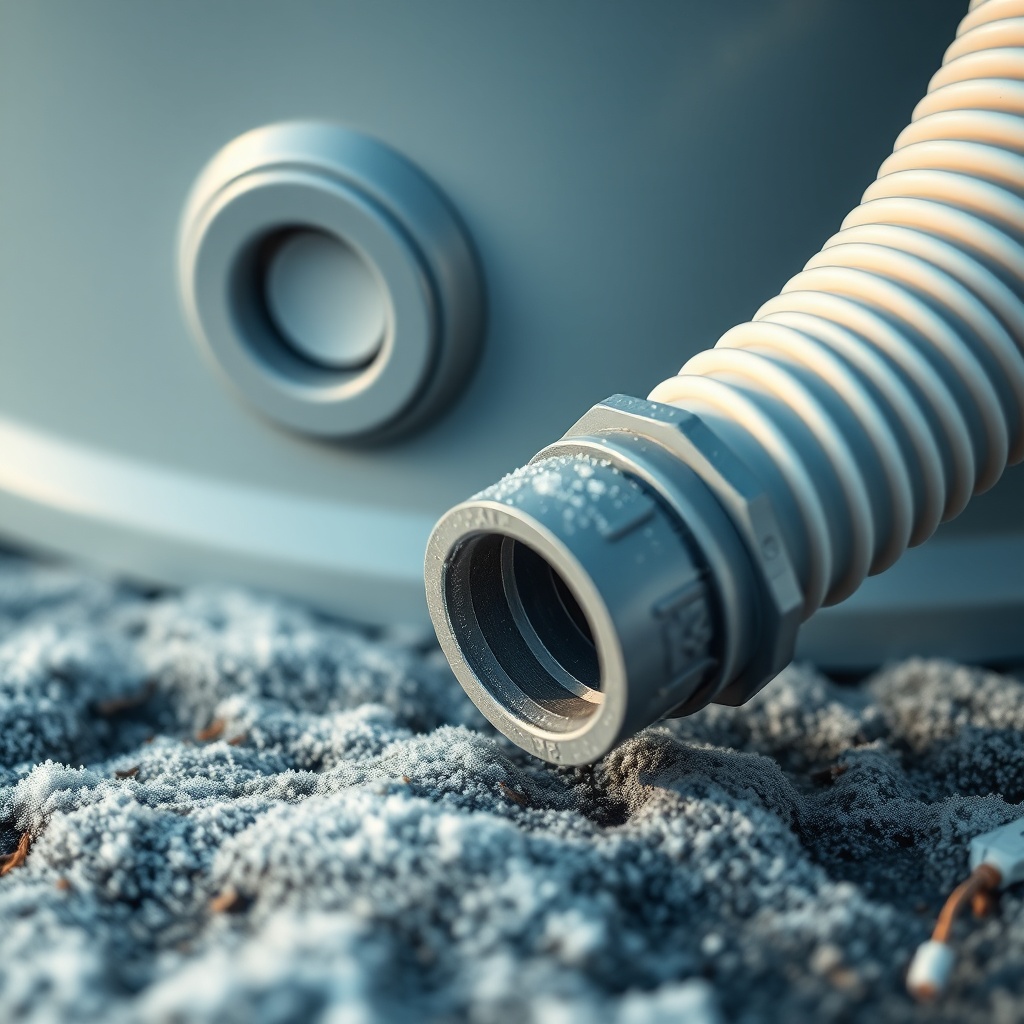
Winterizing is the ideal time to inspect the pressure relief valve, as trapped water can freeze and shatter its plastic body. Locate the valve on the return manifold near the highest point of the system. Turn the knob counterclockwise to test operation—a steady drip indicates function, while no drip often means scale buildup is blocking the seat. Remove the valve by unscrewing stainless steel locking ring, clean the O-ring with silicone lubricant, and replace if the rubber shows cracks or flattening. For installations that experience repeated freeze-thaw cycles, upgrade to a professional-grade brass pressure relief valve that withstands up to 150 psi without polymer fatigue. After reassembly, pressure-test the system with a hand pump to 20 psi and verify no air leaks around the valve threads.
What Do Owners Say About Heliocol Winterization?
Seasoned Heliocol users on pool forums and product review sites frequently highlight three themes: first, the importance of slope—dozens of negative reviews mention cracked panels because the drain-back line had a flat spot. “I lost two panels the first winter before learning to raise the return line 2 inches per 10 feet,” writes a verified purchaser from Colorado. Second, owners emphasize not skipping the air compressor blow-out. “I thought drain-back was enough until I found a frozen puddle in the low-header curve. Now I blow lines every October.” Third, users in snowy climates often mix a 45% propylene glycol solution even in drain-back systems as an insurance layer for power outages. Common praise: “Heliocol panels themselves are bulletproof if you winterize properly—mine are 8 seasons old and look brand new.” One caution repeatedly surfaces: never use automotive antifreeze or store panels flat, as debris collects and holds moisture against the polymer.
Frequently Asked Questions
- Can I leave water in the Heliocol panels all winter if I use a freeze-protection thermostat?
No. Even with a thermostat, power failures or pump failures can allow water to freeze and expand inside the ribs. Always drain or use antifreeze. - How much propylene glycol do I need for a 4-panel Heliocol system?
A typical 4-panel array holds 8–10 gallons of fluid. Mix 4–5 gallons of undiluted propylene glycol with distilled water to reach the desired concentration. Exact volume depends on pipe diameter and run length—use a system volume calculator. - Can I use pool antifreeze (sodium polyacrylate) instead of propylene glycol?
No. Sodium polyacrylate can leave a gummy residue that clogs collector headers and damages the O-rings. Propylene glycol engineered for solar thermal use is the only safe option. - How often should I replace the propylene glycol in the closed loop?
Every 2–3 years. Test the pH and freeze point annually; if pH drops below 7.0 or freeze point rises above -10°F, replace the full charge even if the season isn’t over. - Will the drain-back method work during a power outage in freezing weather?
Yes, if the system is sloped correctly. Gravity will empty the panels in 30 seconds, but the pump volute and filter can still freeze. Use pipe insulation on those components as a backup. - Can I winterize a Heliocol system without removing the panels from the roof?
Yes, if you blow compressed air through the supply header and open all drain plugs. However, for maximum protection, especially in areas with heavy snow loads, take advantage of the grounded design and tilt the panels upward.