SunStar Solar Pool Heater Winterization: Antifreeze Mix Ratio Guide
Winterizing a SunStar solar pool heater is a critical step to protect the investment from freeze damage, especially in regions where temperatures drop below 32°F (0°C). Using an improper antifreeze mix ratio can lead to system inefficiency, scaled collectors, or even cracked absorber panels. This guide provides precise antifreeze-to-water ratios, step-by-step draining procedures, and compatibility considerations specific to the SunStar line.
Before proceeding, ensure that the system’s SunStar Solar Pool Heater Controller Smart Grid Integration: How to Connect and Program is set to winter mode to prevent pump operation when temperatures fall below set thresholds.
What Antifreeze Type Is Compatible with SunStar Solar Pool Heaters?
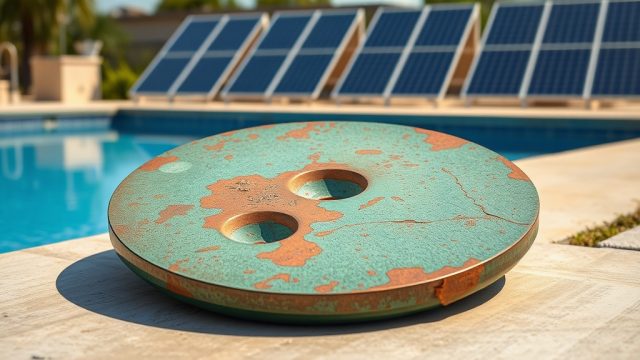
SunStar systems are typically constructed with polypropylene or EPDM rubber components, and the absorber plates are UV-stabilized. The safe choice is a propylene glycol-based solution, as standard automotive ethylene glycol (green or orange) degrades rubber gaskets and can leave destructive sludge inside the collectors. For SunStar certified installations, use a high-grade inhibited propylene glycol (pH 8.0–9.5) specifically labeled for solar thermal applications.
Do not mix different glycol types. If the system previously contained ethylene glycol, a complete flush with distilled water is mandatory before adding propylene glycol. Review the SunStar Solar Pool Heater Pressure Drop Analysis: Optimizing System Flow to avoid under‐ or overfilling after flush.
What Is the Correct Antifreeze Mix Ratio for SunStar Systems?
The recommended mix ratio varies with lowest expected ambient temperature. For most moderate climates (lowest temp 15°F / -9°C), a 40% propylene glycol to 60% distilled water mix suffices. For harsh winters (lowest temp -20°F / -29°C), increase to 50% glycol. Exceeding 55% glycol reduces heat transfer efficiency without significantly lowering freeze point.
| Expected Low Temp (°F) | Expected Low Temp (°C) | Propylene Glycol Ratio (%) | Water Ratio (%) | Freeze Point (°F) |
|---|---|---|---|---|
| 32°F (0°C) to 15°F (-9°C) | 0°C to -9°C | 35–40% | 60–65% | -10°F |
| 14°F (-10°C) to -10°F (-23°C) | -10°C to -23°C | 45% | 55% | -20°F |
| -10°F (-23°C) to -30°F (-34°C) | -23°C to -34°C | 50% | 50% | -34°F |
Measure the mixture using a refractometer calibrated for propylene glycol (not a hydrometer for ethylene glycol). The target refractive index for 40% solution is 1.3740 at 68°F (20°C). Check the freeze point twice, once before filling and again after pressurizing.

How to Drain and Flush the SunStar Solar Loop for Antifreeze Winterization
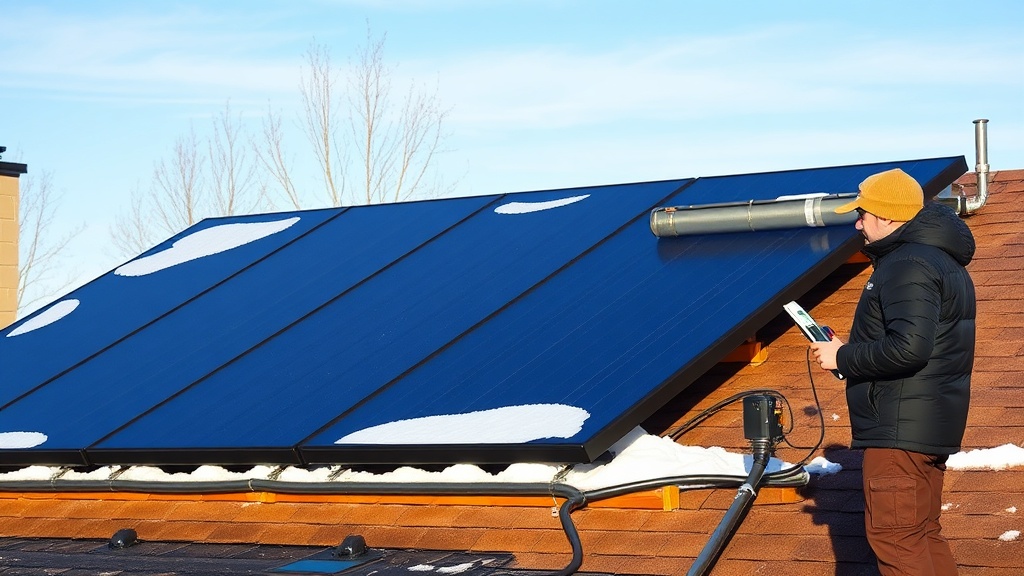
Begin by isolating the solar collector loop using the two shut-off valves at the supply and return lines near the pump. Connect a garden hose to the drain port at the lowest point of the system—typically the bottom header of the collector array. Open the air vent at the highest collector to allow gravity drain. For SunStar models with an internal heat exchanger, refer to Matching a Heat Exchanger to Your SunStar Solar Pool Heater System to ensure no water remains in the exchanger passages.
After draining, flush the loop with distilled water using a transfer pump (5–10 gallons) to remove any scale or sludge. Check the flush water pH with a test strip; ideal pH before adding glycol is 7.0–8.0. If pH is lower than 6.5, a mild alkalinization (use sodium bicarbonate) may be needed to stabilize the new mixture. Allow the flush water to drain completely before closing the drain port.
What Tools Are Needed to Measure and Adjust Antifreeze Ratio Properly?
Accuracy is essential because a 5% error in glycol ratio can shift the freeze protection by 10°F. Use these tools:
- Refractometer (optical, ATC recommended) calibrated for propylene glycol. Approx. cost: $25–40 USD (€23–37 EUR / £20–32 GBP).
- Digital pH meter with 0.1 resolution for pre-mix water quality.
- Measuring container (1-gallon/4-liter) for precise mixing.
- Transfer pump (submersible or hand pump) to circulate the new mix.
- Thermometer to verify the freezing point of final mixture at room temperature.
Mix the batch in a clean 10-gallon drum. Add glycol to the water while stirring continuously—never water to glycol, as that can create localized high concentrations that precipitate solids. Transfer the blend into the closed loop via the drain port using a pump, then re-close the port and open the air vent to purge trapped air. Run the pump for 15 minutes to stabilize temperature and mix completely, then recheck the refractive index.
How Does Roof Mount Tilt Angle Affect Antifreeze Distribution in Winter?
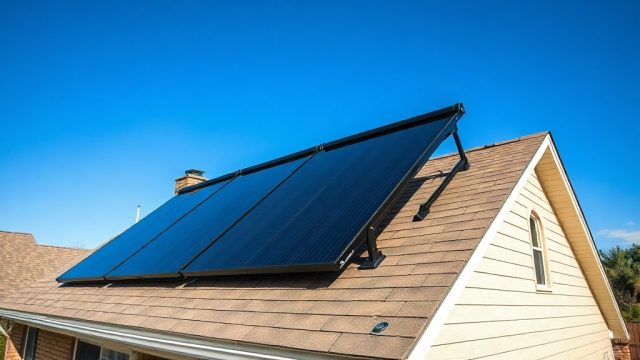
SunStar collectors are often roof-mounted at a fixed tilt. For winter, it’s optimal to have the collectors tilted higher (45–60 degrees) to let the fluid drain completely when the pump stops. If the tilt is too shallow (below 20 degrees), air pockets may remain in the upper tubes, which can become ice plugs and rupture the panel. See SunStar Solar Pool Heater Roof Mount Tilt Angle Optimization: Best Summer and Winter Settings for specific angles based on latitude.
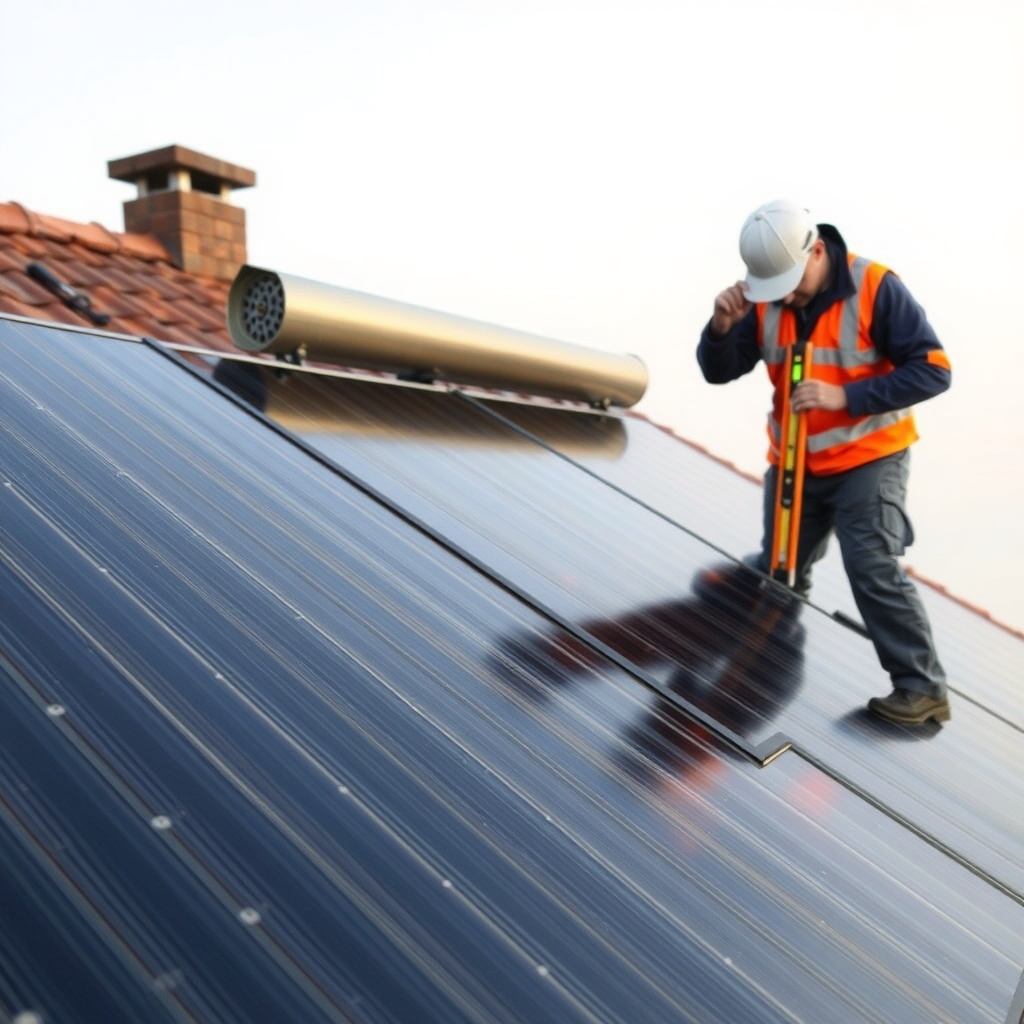
During winterization, verify that the collector array slopes uniformly toward the drain port. Use a level and string line to confirm the pitch is at least 1/4 inch per foot. Any pockets where water could collect must be addressed—either by adjusting mounting brackets or adding a drain-back valve at the lowest junction.
What Owners Say About SunStar Winterization Procedures
Owners of SunStar systems in the Northeast US and Northern Europe consistently emphasize that the antifreeze ratio check should not be skipped. One owner from Minnesota shared: “I used a 40% mix thinking it was enough, but we hit -22°F a few years back. The collector headers cracked. Now I use 50% and always test with a refractometer.” Another comment from a UK installer noted that SunStar’s polypropylene headers are more forgiving than copper—but only if propylene glycol is used.
Most owners agree that the most common mistake is not flushing the loop before adding fresh glycol. Residual pool water (with chlorine) can degrade glycol over winter, causing a pH drop below 5.0 that eats away at aluminum fittings. Many recommend flushing every two winters and replacing the entire mixture every 4 years. The SunStar Solar Pool Heater Wireless Controller Setup and Programming Guide is also frequently cited for setting freeze-protect cycles that circulate warm water when temps dip near freezing, reducing glycol demand.
Frequently Asked Questions
Can I use automotive antifreeze in a SunStar pool heater?
No. Automotive ethylene glycol contains silicate corrosion inhibitors that can clog the narrow absorber tubes and attack EPDM gaskets. Always use solar-grade propylene glycol.
How often should I replace the antifreeze in a SunStar solar loop?
Every 3 to 4 years, or sooner if the pH drops below 7.0 or the freeze point rises more than 10°F above target. Test the mixture annually each autumn.
Do I need to winterize if the system has a drain-back function?
Yes, even drain-back systems can leave residual water in the heat exchanger or collectors. Use a 35% propylene glycol mix in drain-back loops to protect against small pockets that don’t drain fully.
What happens if the antifreeze ratio is too high (over 55%)?
Heat transfer efficiency drops sharply, and the fluid becomes syrupy, increasing pressure drop. This can cause the pump to overheat and reduce solar gain by up to 20%.
Can I mix propylene glycol with water from my pool?
No. Pool water contains chlorine, stabilizers, and calcium that degrade glycol over time. Always use distilled or deionized water for the closed loop.
Should I calibrate the temperature sensor after winterizing?
Yes. If you drained and refilled, air bubbles in the sensor well can cause false low readings. Review the SunStar Solar Pool Heater Temperature Sensor Calibration: How to Improve Accuracy for a complete calibration procedure.