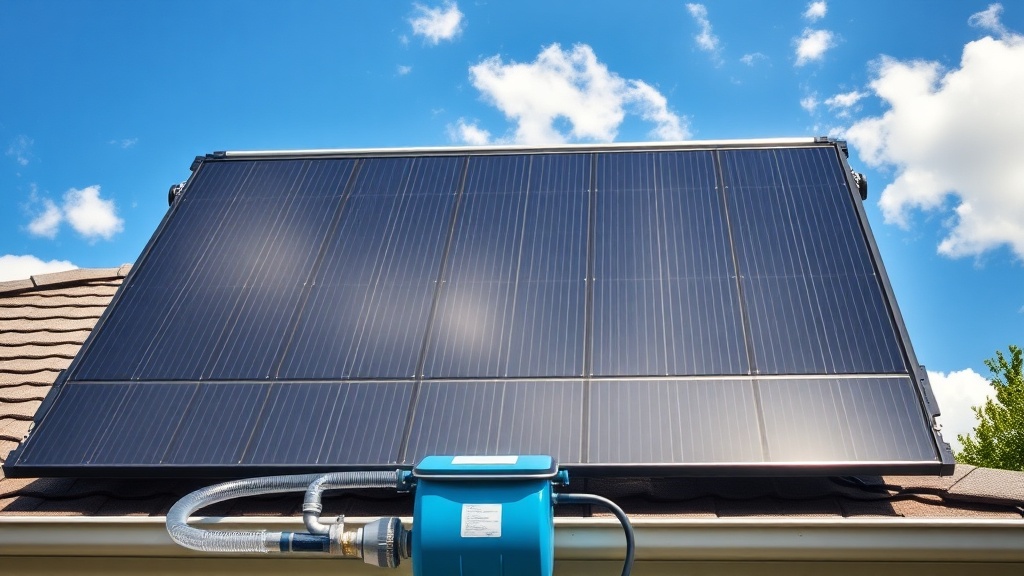
SunStar Solar Pool Heater Pump Sizing Guide: Choosing the Right Flow Rate
Choosing the correct pump for your SunStar solar pool heater is a critical step that directly impacts heating performance, energy efficiency, and the longevity of your entire system. This guide walks you through the key factors in determining the ideal flow rate for your pool and SunStar solar panel array, ensuring you maximize your return on investment while avoiding costly mistakes.
What Happens If My Pump Flow Rate Is Too High or Too Low?
Getting the pump flow rate wrong can lead to a cascade of problems. If the flow rate is too low, the SunStar panels won’t transfer enough heat to the water, leaving your pool lukewarm even on sunny days. The panels can also overheat internally, potentially damaging the absorber plates. Conversely, a flow rate that is too high creates excessive backpressure, which can cause stress on pump seals, increase energy consumption, and even lead to siphoning or cavitation. Water may also pass through the panels too quickly to absorb sufficient heat, reducing efficiency. For most residential systems, you will target a flow rate between 0.3 and 0.6 gallons per minute (GPM) per square foot of SunStar solar panel area, balancing heat transfer and hydraulic stability.
To avoid pressure-related issues, review our detailed SunStar Solar Pool Heater Pressure Drop Analysis: Optimizing System Flow before proceeding.
How Do I Calculate the Required GPM for My SunStar Panels?
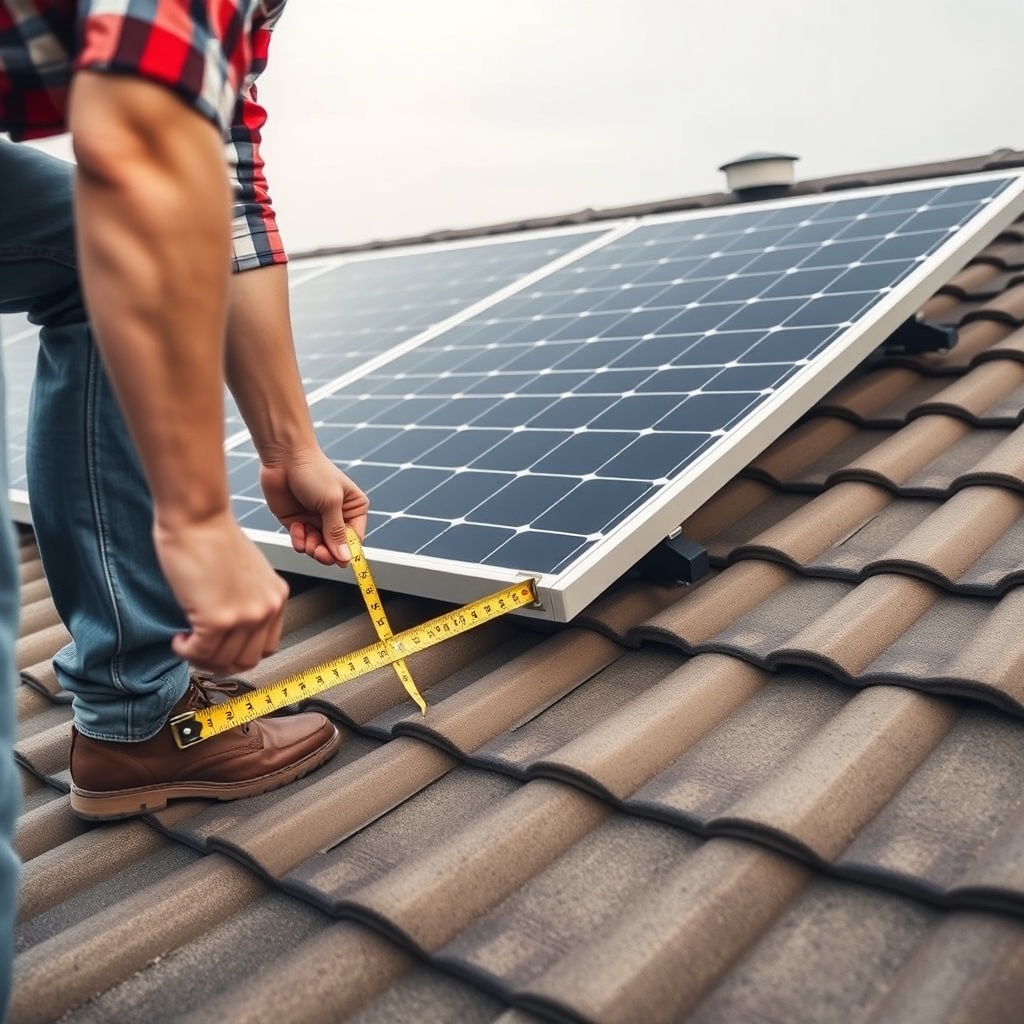
The calculation begins with the total square footage of your SunStar solar panels. Measure the length and width of each panel you plan to install, then multiply to find the area per panel, and sum them for the total. For example, a typical 4 ft by 10 ft panel provides 40 square feet of collector area. A system with six panels yields 240 square feet. The recommended flow rate range is 0.3 to 0.6 GPM per square foot. Using the midpoint of 0.45 GPM/sq ft, you would need 240 sq ft × 0.45 GPM/sq ft = 108 GPM. This is a starting point; you will refine it based on your pump’s performance curve and the system’s total dynamic head (TDH). Always check the pump curve for the specific model you are considering, such as a 1.5 HP variable-speed pump, to ensure it can deliver the required GPM at the expected head pressure of about 30 to 50 feet.
If you are operating a commercial facility, please refer to the specialized guidance in Sizing SunStar Solar Pool Heater for Commercial Pools: Key Considerations.
What Role Does Pipe Diameter Play in Flow Rate Selection?
Pipe diameter is a major factor because it determines the water velocity and friction losses in the system. Too small a pipe diameter leads to high velocity, which increases friction head loss and reduces the flow rate your pump can deliver. For most residential SunStar installations, 2-inch schedule 40 PVC pipes are recommended for the main supply and return lines, especially if the total panel array exceeds 200 square feet or the distance from the pump to the panels is more than 50 feet. Smaller 1.5-inch pipes may suffice for compact systems but can cause excessive pressure drop. Use a friction loss table or online calculator to estimate the head loss per 100 feet of straight pipe. For instance, a 2-inch pipe carrying 100 GPM has a friction loss of about 4 feet per 100 feet, while a 1.5-inch pipe at the same flow rate would lose over 20 feet per 100 feet, severely restricting flow.
How Does Seasonal Variation Affect Pump Sizing for SunStar Heaters?
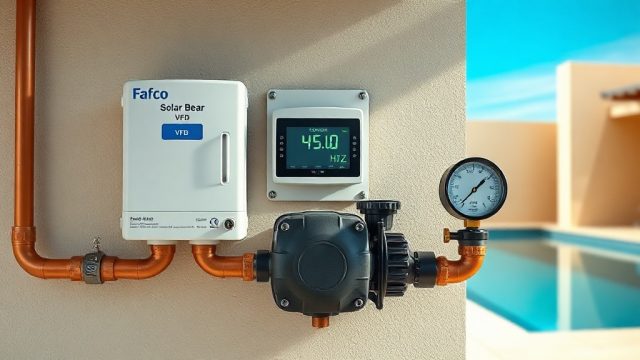
Seasonal changes in water temperature and solar intensity influence the optimal flow rate. In the summer, when the sun is strong, you can operate at a higher flow rate (around 0.5 GPM/sq ft) to maximize heat transfer without risking overheating. In cooler spring or fall months, a slightly slower flow rate (0.3 to 0.4 GPM/sq ft) can allow water to spend more time in the panels, extracting more heat from lower solar irradiance. Variable-speed pumps are highly beneficial here, as they allow you to adjust the flow rate seasonally without replacing the pump. For instance, a pump running at 1,200 RPM in spring may be increased to 1,800 RPM in summer. For proper winter shutdown and freeze prevention, refer to the Winterizing Your SunStar Solar Pool Heater: Freeze Protection Guide.
Additionally, the tilt angle of the panels affects the heating performance and may require flow adjustments. Learn more in SunStar Solar Pool Heater Ground Mount Tilt Angle Optimization: Best Summer and Winter Settings.
How Do I Match a Pump to My SunStar Heater’s Pressure Drop?
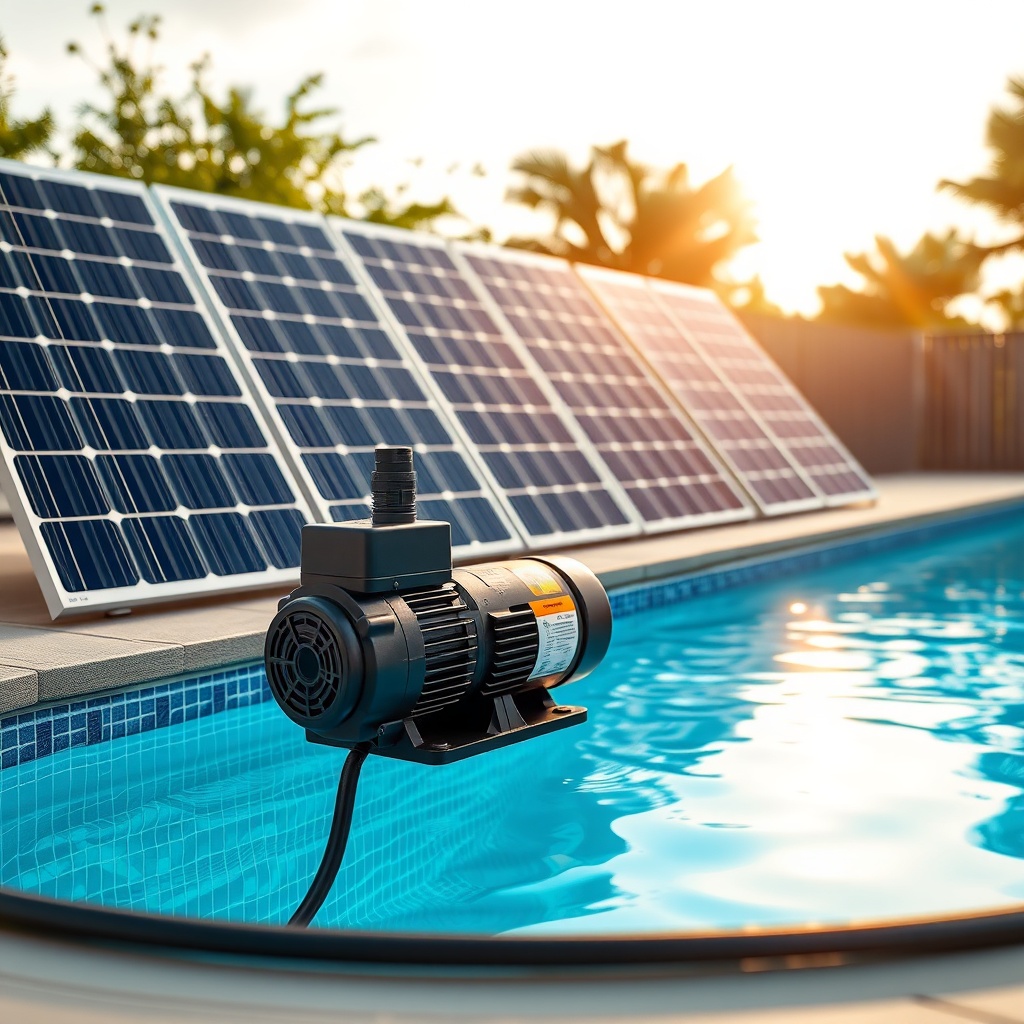
Every SunStar solar panel and piping configuration creates a specific pressure drop. The manufacturer provides a pressure drop curve for their panels, usually expressed in feet of head loss per GPM. You must sum the pressure drops of all components: panel array, pipes, fittings, valves, and any elevation change. For example, a single SunStar panel may have a pressure drop of 0.5 feet at 10 GPM, 1.5 feet at 20 GPM, and 3.0 feet at 30 GPM. If you have six panels in a series-parallel configuration, compute the combined drop. Add the pipe friction loss (say 15 feet), static head from elevation (e.g., 8 feet), and losses from valves and fittings (5 feet). Then, consult pump performance curves. A pump like a 1 HP SuperPump might deliver 100 GPM at 25 feet of head but only 60 GPM at 35 feet of head. You need a pump that can supply your target flow rate at the total head of your system.
The following table shows a typical pressure drop comparison for different SunStar panel configurations and pipe diameters at a target flow of 100 GPM:
| Configuration | Total Panel Area (sq ft) | Target Flow (GPM) | Pipe Diameter | Total Head Loss (ft) | Recommended Pump Size |
|---|---|---|---|---|---|
| Residential Inground (4 panels series) | 160 | 72 | 1.5 inch | 28 | 1.0 HP |
| Residential Above Ground (6 panels parallel) | 240 | 108 | 2 inch | 22 | 1.5 HP |
| Commercial (12 panels series-parallel) | 480 | 216 | 2.5 inch | 35 | 2.0 HP |
What Is the Ideal Flow Rate for SunStar Panels in Inground vs. Above Ground Pools?
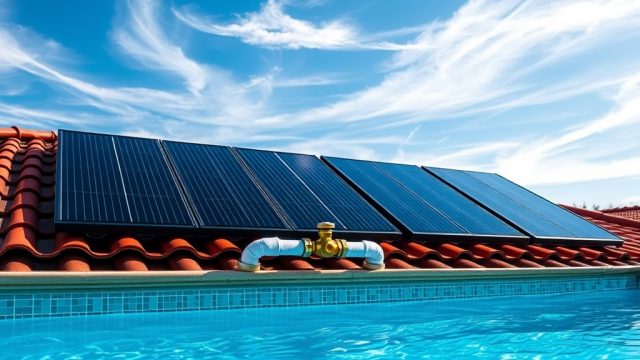
The difference between inground and above ground pools lies in the static head and system layout. Inground pools typically have lower static head (the pool is at ground level), but often require longer pipe runs to reach roof-mounted panels, increasing friction head. Above ground pools are simpler to plumb but can have elevated pumps that add static head. For inground pools with a roof-mounted SunStar array, aim for 0.4 to 0.6 GPM per square foot to overcome the rise and friction. For above ground pools where the pump is at pool level and panels are on a ground rack, 0.3 to 0.5 GPM per square foot is often sufficient. A detailed comparison is available in Sizing SunStar Solar Pool Heater for Inground vs Above Ground Pools.
Always verify that your pump’s check valve and vacuum break are properly installed to prevent backflow, as described in SunStar Solar Pool Heater Vacuum Break Installation Guide: Prevent Siphon Damage.
What Owners Say
Owners of SunStar solar pool heaters consistently report that correct pump sizing transformed their experiences. David from Florida, who installed a 6-panel system on his 20,000-gallon inground pool, noted: “Initially, I had a 1.0 HP pump that barely pushed 60 GPM through the panels. The water never got above 78°F. After upgrading to a 1.5 HP variable-speed pump set to 100 GPM, the pool reached 86°F in summer. The $300 pump upgrade paid for itself in comfort.” Sarah from California shared: “I followed the GPM per sq ft rule exactly and used 2-inch pipes from the start. My SunStar system works flawlessly, and my energy bill only increased by $15/month. Sizing the pump correctly was the best decision.”
Frequently Asked Questions
Q1: What is the minimum flow rate needed for SunStar panels to avoid damage?
A: The minimum flow rate for SunStar panels is generally 0.2 GPM per square foot to prevent overheating and potential absorber damage. Below this, the water in the panels can become superheated, especially during peak sun hours.
Q2: Can I use my existing pool pump for a SunStar solar heater?
A: Possibly, but you must verify that your existing pump can deliver the required flow at the system’s total dynamic head. Many smaller pumps (e.g., 3/4 HP) are insufficient for arrays over 200 sq ft and may need replacement or parallel operation.
Q3: How do I measure the actual flow rate in my system?
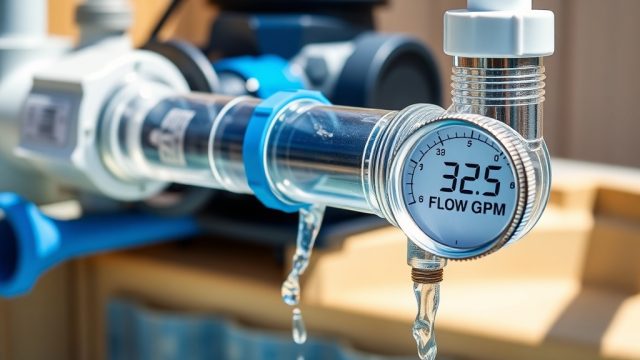
A: You can use a flow meter installed in the return line, or a simple bucket test: measure the time it takes to fill a 5-gallon bucket from a return jet. Multiply GPM by 60 to get gallons per hour. Compare this to your target flow.
Q4: Is a variable-speed pump worth the extra cost for a SunStar system?
A: Yes, especially for seasonal adjustment. A variable-speed pump lets you reduce flow in cooler months and increase it in summer, saving energy and prolonging panel life. The payback period is often under two years.
Q5: What happens if I exceed the maximum flow rate for SunStar panels?
A: Exceeding the maximum flow rate (typically above 0.7 GPM/sq ft) can cause high backpressure, increased pump wear, and potential water hammer. It may also void the warranty. Always stay within the manufacturer’s recommended range.
Q6: How do elevation changes affect pump sizing?
A: Every 10 feet of elevation the solar panels are above the pump adds about 4.3 feet of static head. This must be added to the friction head and will reduce the flow rate from a given pump. For a roof 20 feet above ground, add about 8.6 feet to your total head calculation.